Japanese Temples and Shrines: Our Experts' 5 Best Picks
Japan has about 77,000 Buddhist temples and 80,000 Shinto shrines, so the real question is which ones deserve your limited days. For the best temples in Japan on a first trip, the classics are Kinkakuji, Kiyomizu-dera and Todai-ji for temples, and Fushimi Inari for a shrine. Our Japan experts add five quieter picks: Echizen Daibutsu in Fukui, Yama-dera in Yamagata, the Hill of the Buddha near Sapporo, Adashino Nenbutsu-ji in Kyoto and Tozan Jinja in Arita.
This guide starts with those five, then covers the famous sites, how to tell a temple from a shrine, what entry costs and how to behave once you're inside. If you're still shaping the wider trip, our Japan travel guide is the place to start.
The best temples in Japan at a glance
The best-known Japanese temples are Kinkakuji, Kiyomizu-dera and Todai-ji, with Fushimi Inari as the best-known shrine. For fewer crowds, our experts pick Echizen Daibutsu, Yama-dera, the Hill of the Buddha, Adashino Nenbutsu-ji and Tozan Jinja.
| Name | Place | Temple or shrine | Why go, and the effort involved |
|---|---|---|---|
| Echizen Daibutsu | Fukui | Temple | Huge main hall, hundreds of Buddha statues; fits between Kanazawa and Kyoto |
| Yama-dera | Yamagata | Temple | Panorama from the top; nearly 1,000 steps |
| Hill of the Buddha | Sapporo | Temple | Buddha inside an artificial hill; about 1 hour by bus from Sapporo Station |
| Adashino Nenbutsu-ji | Kyoto | Temple | About 8,000 stone statues, calm bamboo grove |
| Tozan Jinja | Arita, Saga | Shrine | Porcelain torii; a car is almost essential |
| Kinkakuji | Kyoto | Temple | The classic; 500 yen |
| Kiyomizu-dera | Kyoto | Temple | The classic; 600 yen |
| Todai-ji | Nara | Temple | Great Buddha Hall; 800 yen |
| Fushimi Inari | Kyoto | Shrine | Famous gates; easy by train |
Not sure which of these fit your route? Our local experts can tell you which temples make sense for your dates: have a look at our trips to Japan.
Temple or shrine? How to tell the difference
A Japanese shrine is Shinto and is marked by a torii gate at the entrance; a temple is Buddhist and usually holds statues of Buddhist deities. Japan has about 80,000 shrines and 77,000 temples, and the two traditions coexist throughout the country. Temples usually charge 300 to 600 yen (about US$2 to $4), while shrines are usually free.
In practice, look for the gate. The torii marks the entrance to the sacred space of a shrine. Temple buildings tend to be larger and more imposing, with icons or statues inside. If you'd like the background on how Shinto and Buddhism sit side by side, read our guide to Shinto and Buddhism in Japan.
Our 5 favorite Japanese temples and shrines
Choosing five out of some 157,000 sites is subjective, and this list leans toward places away from the usual circuit. Our Japan expert Mégane picked these. Each one asks for a little effort, and each rewards it: a long staircase, a bus ride, a drive or simply a detour from the standard route. None of them is on the Tokyo, Kyoto and Osaka circuit that most first itineraries follow, which is the point.
1. Echizen Daibutsu, Fukui
If Mégane could name only one temple that has stayed with her from her travels, it would be Echizen Daibutsu in Fukui. The place impresses by sheer size. The buildings are huge, almost excessive, but the main hall is what stays with you: hundreds of Buddha statues surround it, and three immense central figures dominate the room.
Standing in front of that ensemble is hard to put into words. She names the silence, the height of the statues and the atmosphere of the hall as what makes the visit memorable. The temple sits in Fukui Prefecture, so it fits easily into a stop between Kanazawa and Kyoto, and she encourages the detour without reservation.
2. Yama-dera, Yamagata
Yama-dera in Yamagata requires climbing nearly 1,000 steps, so it is not suitable for anyone with reduced mobility or anyone who dislikes stairs. The panorama from the top is best in autumn.
That is when the mountains turn red and orange, and the temple seems literally hung on the mountainside. The whole place has an almost timeless feel. Getting there means planning a detour north of Tokyo, toward Sendai and Yamagata. Mégane calls it the kind of excursion you remember for a long time, and the stairs are the price of admission.
3. Hill of the Buddha, Sapporo
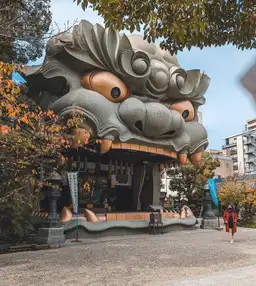
On the way to the Hill of the Buddha near Sapporo in Hokkaido, you walk past the famous Easter Island statues and the park's lavender fields. Then the immense Buddha appears, hidden in the center of an artificial hill.
The architecture is remarkable. The structure muffles sound, the atmosphere turns calm almost at once, and visitors naturally slow down to look at the monumental statue. The site is about one hour by bus from Sapporo Station, which makes it a half-day outing rather than a quick stop. If you're passing through Sapporo, Mégane strongly recommends making the detour.
4. Adashino Nenbutsu-ji, Kyoto
In the north of Arashiyama, Adashino Nenbutsu-ji is a temple often forgotten on classic Kyoto itineraries, and it more than deserves a visit. It is less spectacular than some of the others on this list, but the atmosphere makes it memorable.
There is a small bamboo grove, much calmer than the famous one in Arashiyama, and about 8,000 stone statues representing the disciples of Buddha who have reached nirvana. The whole place feels peaceful and almost meditative, a sharp change from the bustle of the rest of the district. It pairs well with a longer Kyoto stay; our plan for 3 days in Kyoto shows how to fit it in.
5. Tozan Jinja, Arita
Tozan Jinja in Arita, Saga Prefecture, has porcelain torii and ceramic lanterns, reflecting the town's pottery tradition. A car is almost essential to reach it.
Several elements of the shrine are made of ceramic, the region's historic specialty: the torii, decorative details, the lanterns. The place blends spirituality and craftsmanship in a way you won't find at many other shrines. Mégane is candid that it may not be the most impressive shrine in Japan. It stands out for its originality.
Some of these places, like Tozan Jinja or Yama-dera, need a car or a detour. A tailor-made trip can build them into your route: start from our Japan trip ideas.
Seasonal temples worth a detour
Some temples look completely different depending on the month. Shiofune Kannon-ji becomes famous in spring for its huge hills covered in azaleas. In Tokyo, Kameido Tenjin Shrine is decked with wisteria in April, with the Skytree in the background. Between azaleas, wisteria, hydrangeas and autumn colors, a temple can be almost unrecognizable from one season to the next, so it pays to check what is in bloom on your dates. Our experts can advise on the best places for your season.
The classic Japanese temples worth the crowds
The famous ones are famous for good reasons, and they are busy. Every guide covers them, so this section sticks to the fee, the access and an honest sense of what to expect. If you want the big names for your Kyoto temples list, here is what to know before you go.
Kinkakuji, Kyoto
Kinkakuji is the Kyoto temple most visitors picture first. Entry costs 500 yen (about US$3) as of October 2026, per Kinkakuji's official page. Plan about one hour for the visit, and expect company on the path around the pond. Go with the crowds in mind and treat it as a short, focused stop rather than a half-day.
Kiyomizu-dera, Kyoto
Kiyomizu-dera is another Kyoto staple, and the entry fee has risen: 600 yen (about US$4) as of autumn 2025, according to the official autumn 2025 notice. Some older guides still quote 500 yen, so trust the temple's own figure.
Todai-ji, Nara
Todai-ji in Nara houses the Great Buddha. Entry to the Great Buddha Hall is 800 yen (about US$5) as of October 2026, as shown in Todai-ji's visitor information. That is the highest fee in this guide, and it buys you the Great Buddha Hall itself, the reason most people come to Nara.
Fushimi Inari, Kyoto
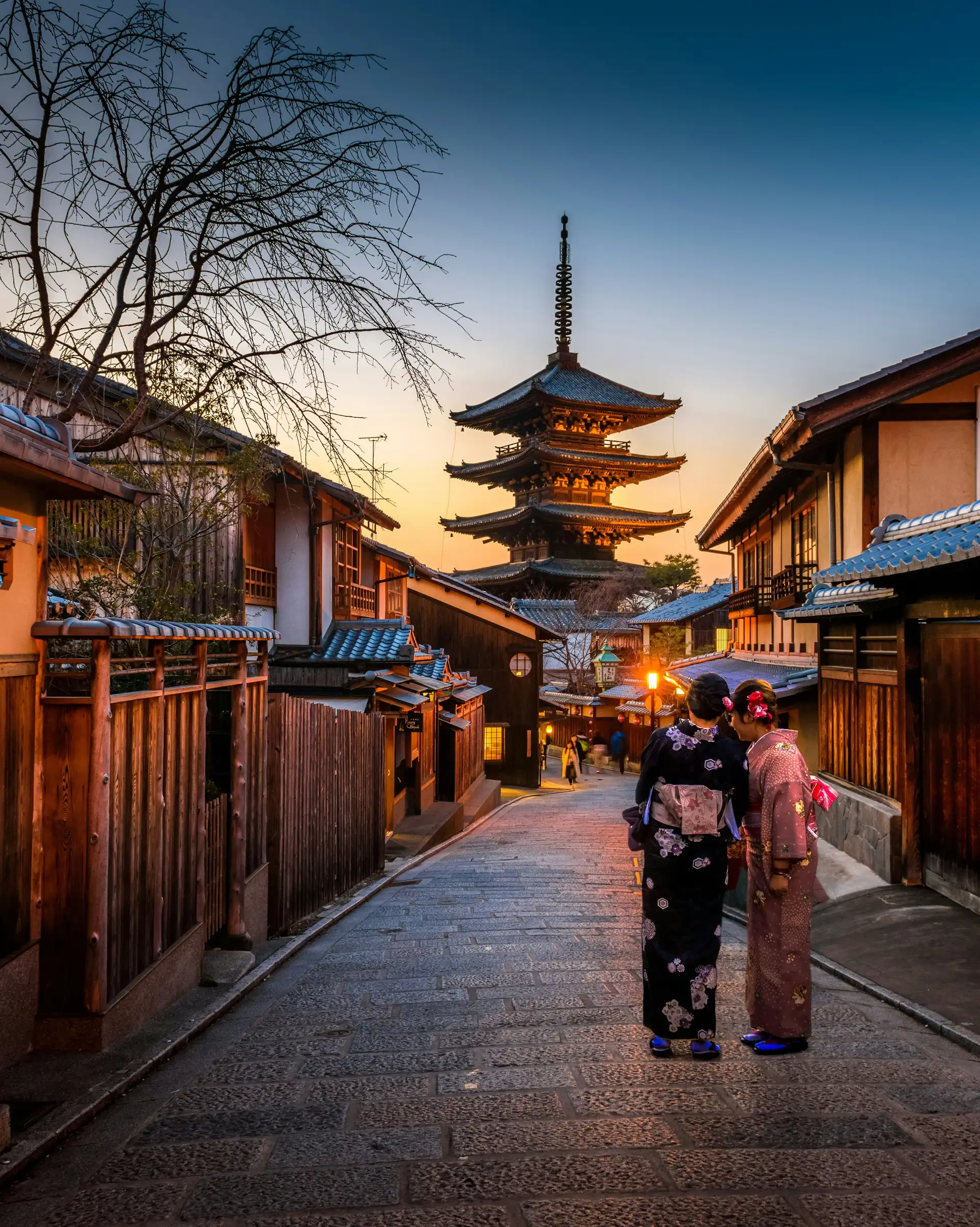
Fushimi Inari is a shrine, so entry is usually free. It is also easy to reach. Take the Keihan Main Line to Fushimi Inari Station, 10 minutes from Gion-Shijo, or the JR Nara Line to Inari Station, 5 minutes from Kyoto Station.
In Tokyo, Senso-ji is the temple most often named as the city's top sight. Kamakura, about 1 hour south of central Tokyo, makes a good day trip for more temples.
Visiting temples and shrines in Japan: costs and etiquette
Most temples charge between 300 and 600 yen (about US$2 to $4), with Todai-ji at 800 yen (about US$5) toward the higher end. Shrines are usually free.
| Site | Fee | As of |
|---|---|---|
| Kinkakuji | 500 yen (about US$3) | October 2026 |
| Kiyomizu-dera | 600 yen (about US$4) | autumn 2025 |
| Todai-ji (Great Buddha Hall) | 800 yen (about US$5) | October 2026 |
| Fushimi Inari | usually free | n/a |
Dollar amounts are rounded at about 150 yen to the dollar. Behave calmly, dress appropriately out of respect for worshippers, and keep to the areas marked for visitors: some prayer areas and Zen gardens are restricted to preserve their peace. Mind the small things too: keep your voice low inside the grounds, and if a sign marks an area as closed, treat it as closed. Our guide to Japanese etiquette covers the wider rules.
Plan your Japan temple trip with a local expert
Temples are easy to list and harder to fit together: stairs at Yama-dera, a car for Tozan Jinja, an hour by bus to the Hill of the Buddha. Our local experts live in Japan and know which of these suit your pace and the season.
Tell us when you're traveling and what you want to see, and a local expert will design a Japan itinerary around the temples that suit you. Create your trip
Japanese temples FAQ
Names usually end in a suffix that tells you the tradition. Temples end in -ji, -dera or -in, as in Kinkaku-ji, Kiyomizu-dera and Byodo-in. The ending -ji is the original Chinese reading and -dera the Japanese one. Shrines end in -jinja, -jingu, -gu or -taisha, which is a quick way to read a map.
There is no fixed amount for the offering, called saisen. The most popular coin is 5 yen (go-en), as of December 2025. Drop it in the offering box, called saisen-bako, before you pray.