How Much Is a Trip to Japan? 2026 Budget Guide
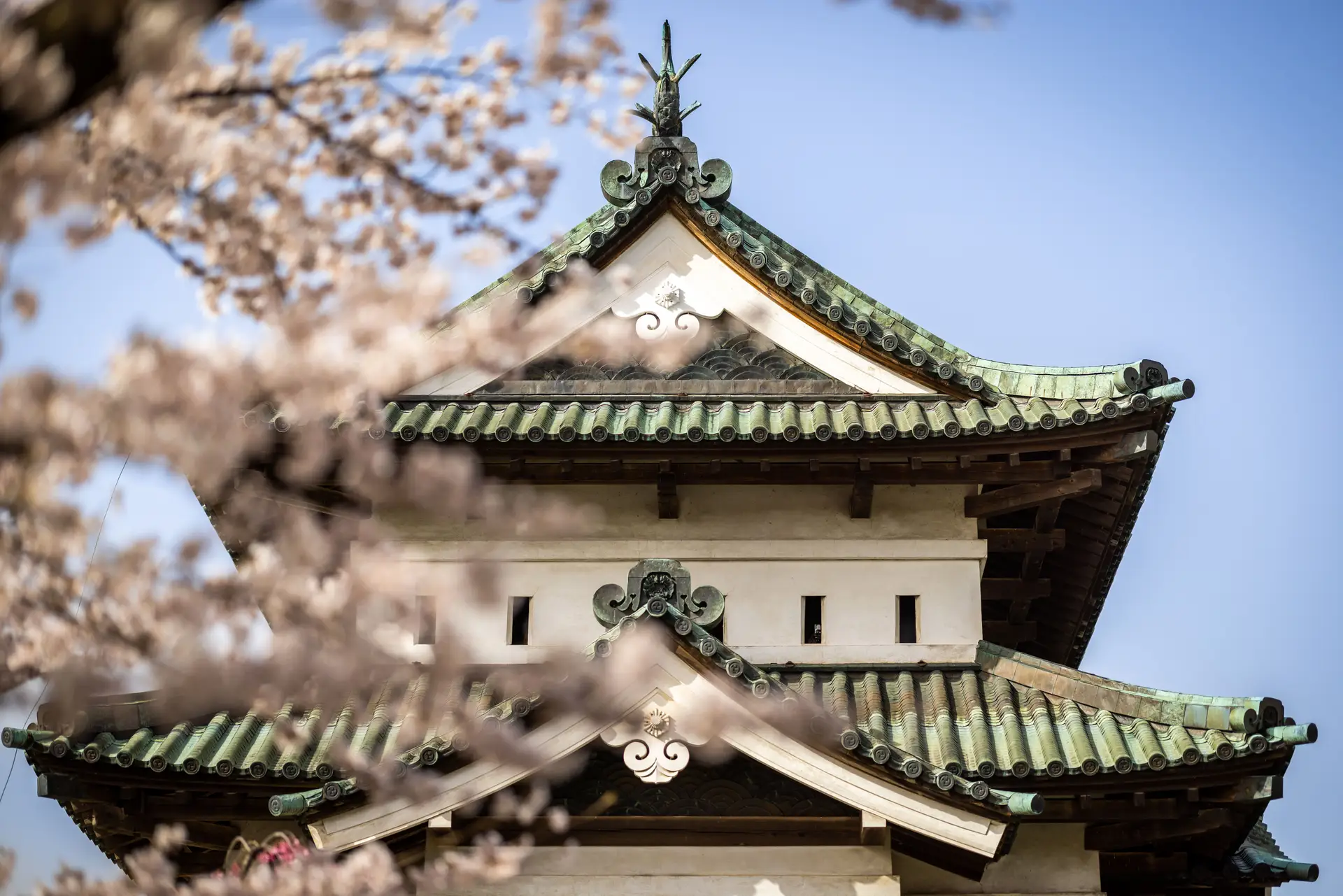
How much is a trip to Japan? Plan about US$2,400 per person for two weeks if you organise it yourself with simple hotels, and about US$3,500 per person for two weeks in comfort with an agency. Both are land costs per person, with the international flight not included. Amounts in yen use about ¥157 to US$1 (October 2026).
A more comfortable trip can reach about US$7,100 per person. The sections below show what drives that gap, where the money goes and how to bring the total down.
Is Japan expensive?
Japan is not a low-cost destination, but it is flexible: about US$2,400 (€2,000) to about US$7,100 (€6,000) per person for two weeks, depending on how you travel, what you prioritise and how much comfort you want. Euro amounts convert at about US$1.18 per euro.
The weak yen might suggest that a Japan trip cost is falling. It isn't, at least not by much. Inflation has pushed hotel prices up sharply in recent years, and accommodation is the biggest line in any budget. The result is a total that stays broadly stable, or slightly higher, depending on the period you choose.
Seen this way, the range from US$2,400 to US$7,100 isn't a sign of confusion. It reflects real choices. The lower figure assumes you handle the planning and accept simple rooms. The higher one assumes more comfort, and probably more help with the logistics. Both work, and neither is a mistake.
So the useful question is less "is it cheap?" than "what do I want to spend on?" A traveller happy with hostels and small hotels and a fixed itinerary spends very differently from one who wants private transfers, good rooms and a local expert on call.
What a trip to Japan costs: where the money goes
A Japan budget usually splits like this, before the flight:
| Cost | Share of the budget |
|---|---|
| Accommodation | 45% |
| Transport (trains, passes, internal travel) | 35% |
| Activities | 10% |
| Meals and souvenirs | 10% |
| International flight | Listed apart: varies by season, and entry-level fares exist |
Accommodation takes about 45% of a Japan budget, transport 35%, activities 10%, and meals and souvenirs 10%, with the flight on top. The split is indicative and shifts with your habits: a food-focused traveller will push meals up, a rail enthusiast will push transport up.
Two lines deserve a closer look. Accommodation is the largest, which is why the hotel level and the booking date matter so much, as the savings below show. Transport is the second, and it depends mostly on whether you buy a pass or pay for each journey. Activities and meals are the easiest lines to flex without changing the character of the trip.
One extra cost sits outside these lines. If you'd rather not carry suitcases on crowded trains, luggage forwarding in Japan is paid separately.
How much is a trip to Japan: independent or with an agency?
The same two weeks costs different amounts depending on who does the work.
| On your own | With an agency | |
|---|---|---|
| Who organises | You | Local experts |
| Two-week budget per person | About €2,000 (US$2,400) | About €3,000 (US$3,500) |
| What you spend | Time and research | Money, in exchange for peace of mind |
Travelling on your own
Organising the trip yourself lowers the cost. With hostels or small hotels, optimised journeys and early booking, around €2,000 per person (about US$2,400) for two weeks is realistic. That figure is per person, not for a couple.
Independent travel suits people who enjoy planning and have the hours to spend on it. The price you pay in return is time. You compare hotels, work out train connections, book everything and fix problems yourself, so the plan needs rigour.
Going through an agency
An agency raises the price and changes the experience. Research, bookings, itinerary building and unexpected events are handled for you. For two weeks in comfort, allow around €3,000 per person (about US$3,500). At Shanti Travel, everything is prepared before you leave: all you have to do is pack your bags and enjoy.
Cost also varies with the length of the trip, which our cost by trip length in our 3-week Japan itinerary shows in detail.
Not sure which of the two suits you? Tell our local experts your dates and budget and they will show you what fits.
How to lower the cost of a trip to Japan
Three habits make the biggest difference, and none of them asks you to give up the experience. Each targets one of the big lines in the table above: accommodation, transport and meals.
Skip the hotel breakfast
Hotel breakfasts are often excellent, and they can easily cost as much as one or even two restaurant meals. Book the room only. Konbini, the convenience stores open 24 hours a day, sell onigiri, sandwiches, pastries and hot drinks for a few dollars. Most rooms, or the shared areas, have a microwave and a fridge, so you can keep a few items or swap a restaurant dinner for a takeaway dish now and then.
Book 6 to 9 months ahead
Japan relies heavily on dynamic pricing: the longer you wait, the higher hotel and flight prices climb. At six to nine months out, most hotels have already opened their availability and early-booking rates still exist, often much better than later ones. The effect is strongest in popular seasons, such as cherry blossom, momiji (autumn leaves) and Japanese school holidays, when prices rise very fast.
Rethink the JR Pass
The JR Pass looks practical on paper, but after its steep price rise it no longer pays off on many itineraries. As of October 2026, the ordinary 7-day pass costs ¥50,000 (about US$320) on the JR Pass price page, and the 14-day pass ¥80,000 (about US$510). The official price-change notice announces further rises to ¥53,000 and ¥84,000.
Regional passes, which cover one area at good prices, often suit a trip better. Long-distance buses are another option that's often forgotten. They are comfortable and connect the major cities for a fraction of the Shinkansen fare.
| Tokyo to Osaka | Approximate price |
|---|---|
| Shinkansen | ¥18,500 (about US$118) |
| Night bus | ¥4,000 (about US$25) |
The train is faster, and the bus saves money, not time. When you're optimising a Japan travel budget, though, a gap that size is hard to ignore.
Plan your own Japan budget
Five things move the number most: the season, the hotel level, the pace of your trip, the passes you buy and the flight. A cost of trip to Japan that looks high on paper often drops once the dates and hotel choices are adjusted.
Local experts build a trip around a budget you set, whether that sits near the lower end of the range or the upper one. Send us your dates and priorities and they will design it with you. For more planning help, browse our Japan travel guides.
Japan trip cost FAQ
The first accommodations start at around €30 (about US$35) a night, while high-end hotels reach several hundred euros, or several hundred dollars. Between the two, the range is wide, and the neighbourhood matters as much as the star rating. Our experts pick the best value for money for your budget.
Yes. An IC card saves a lot of time and makes getting around easier. You can arrange a Welcome Suica before departure, or add a digital card to your Apple Wallet. With Shanti Travel, we hand you your card when you arrive in Japan, so you start the trip without fuss.
Plan around ¥5,000 per week (about US$32) for metro and bus journeys in the big cities. It's generally lower in mid-sized cities. Grouping your visits by neighbourhood limits extra journeys and makes it easier to explore on foot.
Allow around ¥2,000 per week (about US$13). Many sites, such as parks and some Tokyo temples, are free, while others ask for a small contribution, often ¥300 to ¥500 (about US$2 to US$3). Local guidance helps identify free or low-cost sites.
Our travel ideas for Japan


Our travel guides to Japan

Onsen Etiquette in Japan: What to Know Before Your First ...

How do you plan a trip to Japan?

Japan Itinerary: 3 Weeks – My 21-Day Route

Tattoo Friendly Onsen in Japan: What to Know Before You Go

Japan Luggage Forwarding: How Takkyubin Works, Cost and T...