Onsen Etiquette in Japan: What to Know Before Your First Soak

Onsen etiquette comes down to a few habits. An onsen is a bath fed by a natural hot spring, and you enter it clean and without a swimsuit, with your small towel kept out of the water, your hair tied up and your voice low. Public baths are single-sex, so you will bathe with people of your own gender, and private baths exist if you would rather not share. The steps below follow the order you will meet them in.
Mégane, our Japan specialist, first walked up to the onsen at her ryokan with reluctance and a certain apprehension. Being naked in public is not part of Western culture, after all. Today she says she can't do without it, and she fits at least one ryokan night with an onsen into every trip. The awkwardness lasts a few minutes. Then nobody looks at anybody, and everyone listens to the water and the trees.
What is an onsen?
An onsen is a Japanese bath fed by a natural hot spring, rich in minerals thanks to the country's volcanic activity. A sento is a public bath filled with conventionally heated water. In Tokyo, the maximum adult sento fee is ¥600 from 1 August 2026.
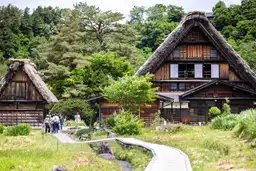
Each region has its own hot-spring resorts, and some have been famous for several hundred years. Many are set among mountains or in a Japanese garden, which is a large part of the appeal.
Onsen or sento?
| Onsen | Sento | |
|---|---|---|
| Water | Natural hot spring, mineral-rich | Conventionally heated water |
| Feel | Often in scenic surroundings | Less spectacular, very local |
| Cost | Varies by place | A few hundred yen |
The sento figure above is a public-bath fee, not an onsen entry fee. Tokyo's ceiling rose by ¥50 in August 2026, according to SoraNews24, and other prefectures mostly sit between ¥490 and ¥510 as of 2026. A sento is a cheap way to try the routine before you book a ryokan, even if it feels less spectacular than a hot spring in the mountains.
Onsen towns
Some entire towns are built around thermal baths. Kinosaki Onsen, Kusatsu Onsen, Kurokawa Onsen and Beppu are the best known. The idea is simple: put on your yukata and move from one bath to the next over the day. Mégane counts it among the most Japanese experiences you can have, and a day of bath-hopping is also a gentle way to learn the routine, since you repeat the same steps at every door.
Onsen etiquette: the rules in the order you need them
Onsen are places to relax, and a handful of simple onsen rules let everyone enjoy them. The Japan National Tourism Organization lays out the same sequence for first-timers.
- Go to the right bath. Public baths are single-sex, with separate areas for men and women. Check the signs in the changing room before you walk through.
- Undress completely. Swimsuits are not allowed, and most onsen require full nudity.
- Shower and wash fully before you get in. Shower first, dip later. The bath is for soaking, not for washing.
- Tie up long hair so it does not touch the water.
- Keep the small towel out of the water. Fold it on your head or leave it on the edge.
- Stay quiet and calm. No diving, swimming, splashing or shouting, since a bath is not a pool. Be mindful of the people around you.
- Keep soaks short. When the water is above 40 °C (104 °F), a few minutes is enough before you step out for fresh air. Most people take two or three short soaks rather than one long one.
Wash fully before you enter, go without a swimsuit, keep your small towel out of the water and tie up long hair. Keep your voice low, and leave the bath after a few minutes if the water is above 40 °C (104 °F). After two or three soaks, you will see why the Japanese love this ritual.
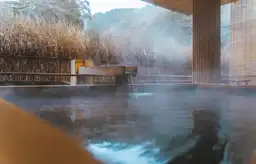
If the bath is outdoors, the reward is the view: steam, trees, sometimes snow. For manners beyond the bath, see our notes on everyday etiquette in Japan and manners at temples and shrines.
Female onsen etiquette: same rules, separate baths
Public onsen baths are single-sex, so women bathe in the women's area with the same rules as everyone else. In traditional public baths this separation is strict. The signs in the changing room tell you which door is yours.
Inside, the sequence does not change. No swimsuit, a full wash before you enter, long hair tied up, and the small towel kept out of the water. Women who prefer to bathe with a partner or friends can book a private kashikiri onsen, described next.
Private onsen: bathing without strangers
"What if I don't want to be naked with other people?" is probably the question Mégane hears most. Many establishments offer private baths, called kashikiri onsen. You share the bath only with your family, your partner or your friends, and nobody else.
This is the route for anyone who dreads the changing room. It suits couples, who cannot use the single-sex public baths together, and it is a gentle first experience for modest travellers. Some ryokans also attach a private thermal bath to the room. Our Japan experts can pick ryokans with a private bath for your trip.
Tattoos and onsen: check before you go
Many onsen ban tattoos, a rule traditionally tied to their historical association with the yakuza. Most still require full nudity and no tattoos, according to JNTO, so check before you go. The situation is gradually changing: some places now accept small tattoos, sometimes covered with a patch, and others offer private baths directly. Our experts check which onsen accept tattoos for each trip. For the full picture, read our guide to tattoo-friendly onsen in Japan.
Onsen with children
Many onsen welcome families with children, but check the rules in advance, as JNTO notes (January 2026). Very young children are generally accepted, and some places provide small seats or baby baths.
Children under about 7 or 8 often find it harder. The heat of the water, the calm that is expected and the rules to follow do not always suit the youngest. Once a child can sit still and respect other bathers, the onsen becomes a good experience to share.
Before you book your first onsen
Mégane's one piece of advice: get past the first few minutes of awkwardness. She thought her first onsen would be the most uncomfortable moment of her first trip to Japan. It is now the one she looks forward to on every stay.
Pick a ryokan with a bath, and the evening takes care of itself: you come out of the water incredibly relaxed, with nothing left to organise before dinner. In many ryokans, massage chairs are free to use, and a bath, a massage and a kaiseki dinner end a day of sightseeing well. To see where a night like this fits, look at our 3-week Japan itinerary.
Tell our Japan experts what kind of bath suits you: a traditional onsen, an outdoor bath or a private one. We build the stay around it. Plan your Japan trip with a local expert.
Onsen FAQ
Hakone is under two hours from Tokyo by rail, which makes it an easy first stop. From Kyoto, Kinosaki Onsen is the usual choice: a historic hot-spring village under 3 hours away by train, laid out for walking between its baths. Our experts suggest the right town for your route.
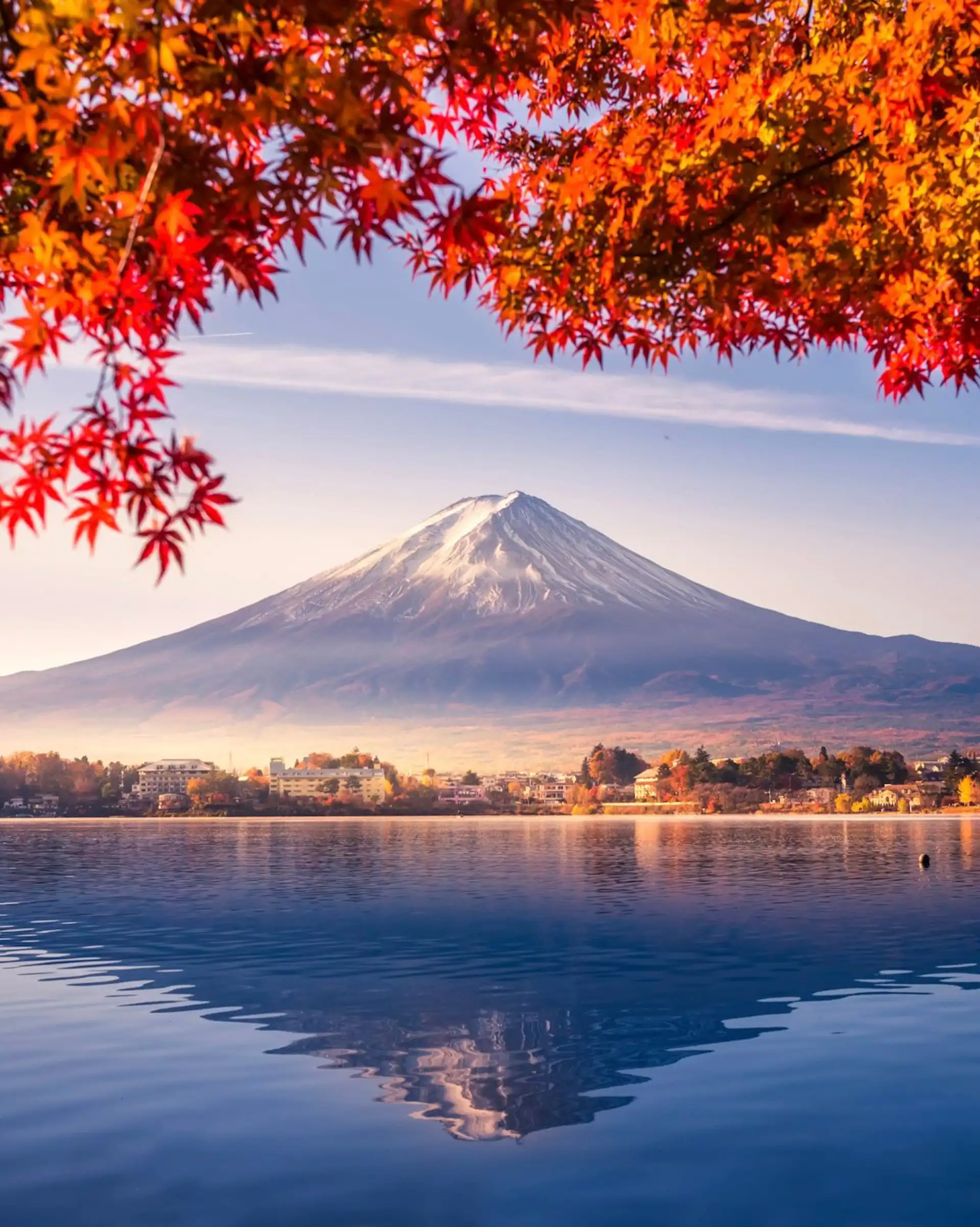
Hakone offers the wider choice of ryokans and is easier to reach. Kawaguchiko gives the best direct views of Mount Fuji from the baths themselves. Rooms with a panoramic view can need booking several months ahead, so decide early if the mountain is the reason for your stay.
Around ¥30,000 to ¥60,000 per person as of July 2026. The price depends on the reputation of the hot-spring resort and the level of service. It covers the room, the bath and a multi-course kaiseki dinner, so plan it as one special stop rather than a nightly cost.