How do you plan a trip to Japan?
When you start planning a trip to Japan, whether it is your first or not, it is easy to feel a little overwhelmed. At least, that is how I felt when preparing for my first stay: the more I worked out the logistics, the more new questions came up. At the time, I decided to organise everything myself, which took a great deal of time.
This is where a travel agency can be useful. Thanks to our knowledge of the country, my colleagues and I can help you make the right choices and save time. However, if you prefer to organise your trip yourself, here are a few things to keep in mind when planning your journey.
When to go: season and duration
My expert tip: To help you plan your itinerary, here is the number of major cities I recommend visiting depending on the length of your stay. Bear in mind that these are approximate guidelines and may vary depending on the cities you choose, the excursions you plan and the time you spend at each stop.
Length of stay Recommended number of major cities 7 days 1 to 2 cities 10 days 2 to 3 cities 15 days 4 to 5 cities 21 days 7 to 8 cities
Choosing your itinerary
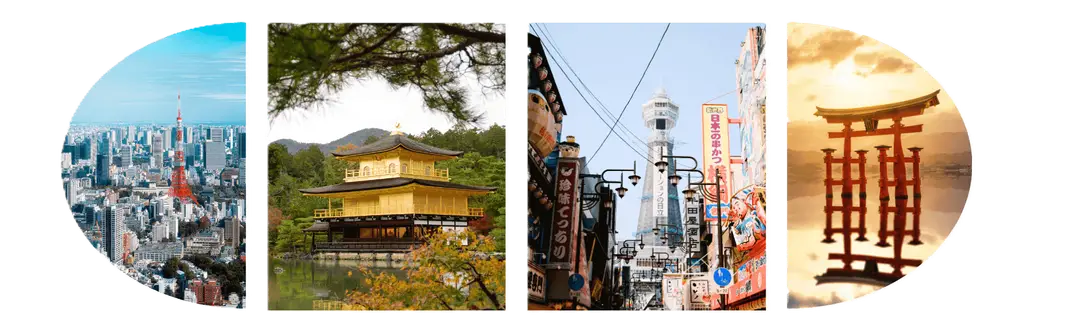
If this is your first trip to Japan, I recommend including the must-see attractions. They remain an excellent introduction to the country and are generally easy to reach, particularly thanks to the tourist infrastructure and the information available in English. That said, there is nothing to stop you from adding one or two excursions or towns off the beaten track.
For more experienced travellers, I recommend focusing on a specific geographical area instead. This allows you to take your time and avoid making numerous long journeys just to reach every place you have spotted on social media.
Why choose Shanti Travel? Planning an itinerary can take a lot of time. By travelling with Shanti Travel, you benefit from our first-hand knowledge of the country, and we put together a tailor-made trip that matches your interests and preferences.
Choosing your accommodation

A ryokan, a guesthouse or even accommodation in a temple can offer a different perspective on the country. The key is to choose somewhere that suits your itinerary, budget and the type of experience you are looking for.
Choosing your activities
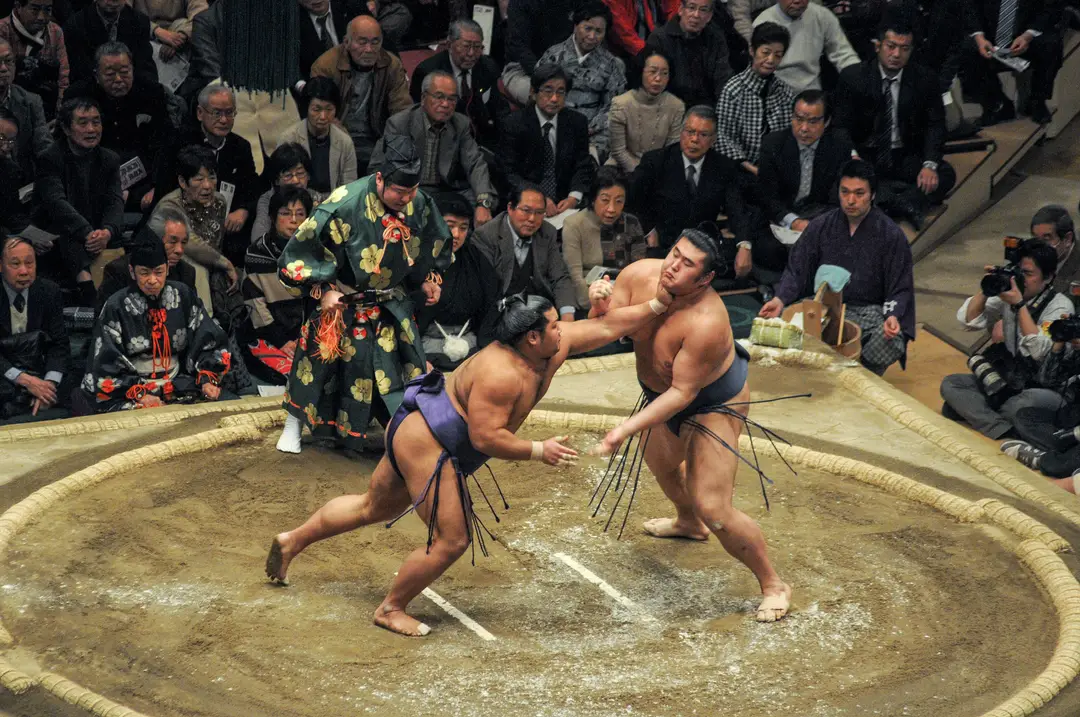
Some experiences need to be booked in advance, particularly during busy periods such as Golden Week or cherry blossom season. For everything else, leave some room in your schedule for unexpected discoveries. These sometimes turn into the best memories of a trip.
My expert tip: Take a look at our guide to activities to try in Japan for ideas you can add to your itinerary.
A few things to check before departure
Beyond your itinerary and bookings, there are a few practical details worth checking before you leave. They are easy to overlook when you have so many sights and activities to plan!
- Check your passport: Make sure it will remain valid throughout your stay and check the entry requirements that apply to your nationality.
- Remember your travel adapter: Japanese sockets are Type A, and the voltage is 100 V. Check that your devices are compatible with this voltage and bring an adapter if necessary.
- Take out travel insurance: This may cover you in the event of a medical issue, cancellation or unexpected incident during your stay. Take the time to check the coverage and exclusions before you leave.
Planning your trip to Japan with Shanti Travel
If you are short on time or feel overwhelmed by all your ideas, you can also turn to our agency. As I live in Japan, I am based here to discover new places, try out experiences and give you the best possible advice when preparing your trip.
Choosing Shanti Travel means benefiting from a fully personalised trip, designed around your interests, needs and pace. From your itinerary and accommodation to transport and activities, we help you organise a trip that reflects who you are, while saving you time during the planning process.
FAQ: How to plan a trip to Japan?
For a first trip to Japan, it is advisable to limit the number of stops so you can enjoy each destination without spending too much time travelling. As a general guide, this article recommends one to two major cities for a 7-day stay, two to three for 10 days, and four to five for 15 days. These guidelines may vary depending on distances, excursions and the time spent at each stop.
Some activities in Japan need to be booked in advance, particularly during busy periods such as Golden Week and cherry blossom season. This is especially important for experiences with limited places. For other visits, leaving some free time in your schedule allows you to enjoy unexpected discoveries during your stay.
In Japan, staying at a ryokan offers an insight into traditional hospitality, while a minshuku generally provides family-run accommodation, often in rural areas. Staying at a temple, known as a shukubo, offers another perspective and may include early morning prayers and Buddhist vegetarian meals. Your choice depends on your budget, itinerary and the type of experience you are looking for.
The best time to visit Japan depends on the regions you choose and the activities you have planned, as weather conditions vary considerably from one region to another. Spring attracts visitors hoping to admire the cherry blossoms, while winter offers snowy landscapes in certain regions. Golden Week, which falls between late April and early May, is a particularly busy period when trains and accommodation can be in high demand.
Our travel ideas for Japan


Our travel guides to Japan
Japan Itinerary: 3 Weeks – My 21-Day Route

Tattoo Friendly Onsen in Japan: What to Know Before You Go

Japan Luggage Forwarding: How Takkyubin Works, Cost and T...
Japanese Temples and Shrines: Our Experts' 5 Best Picks

Japanese Desserts: 10 Sweets to Try on Your Trip to Japan