
Your expert on destination Japan
Discover the richness of Japan's iconic figures through a tailor-made journey , between centuries-old tradition and creative modernity.
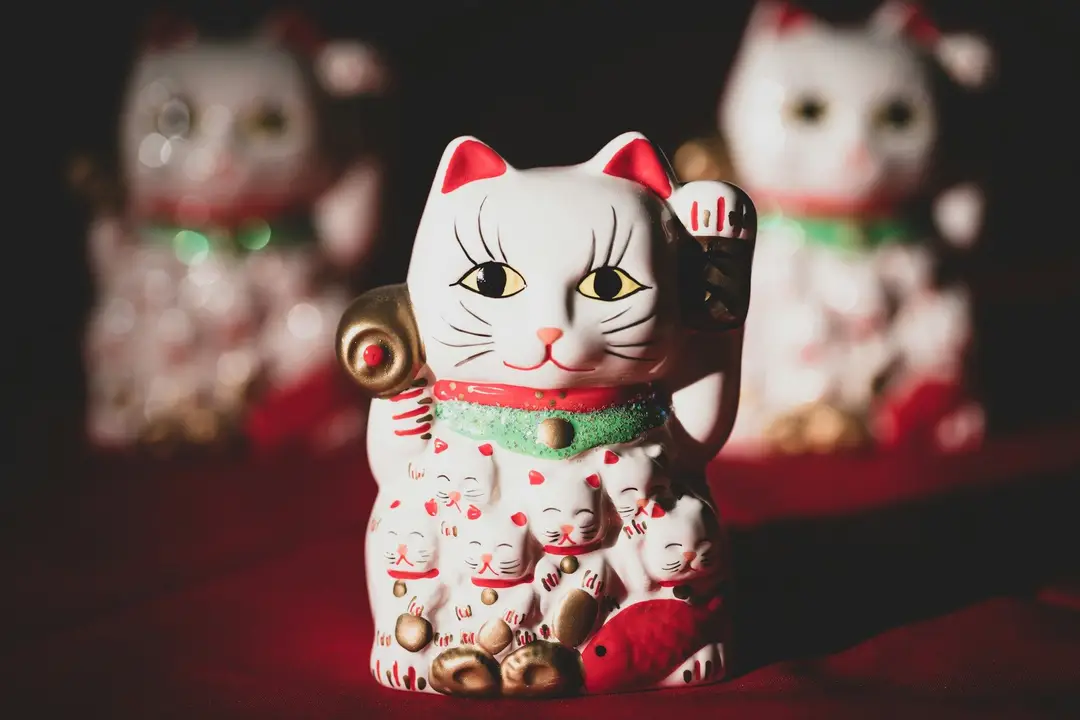
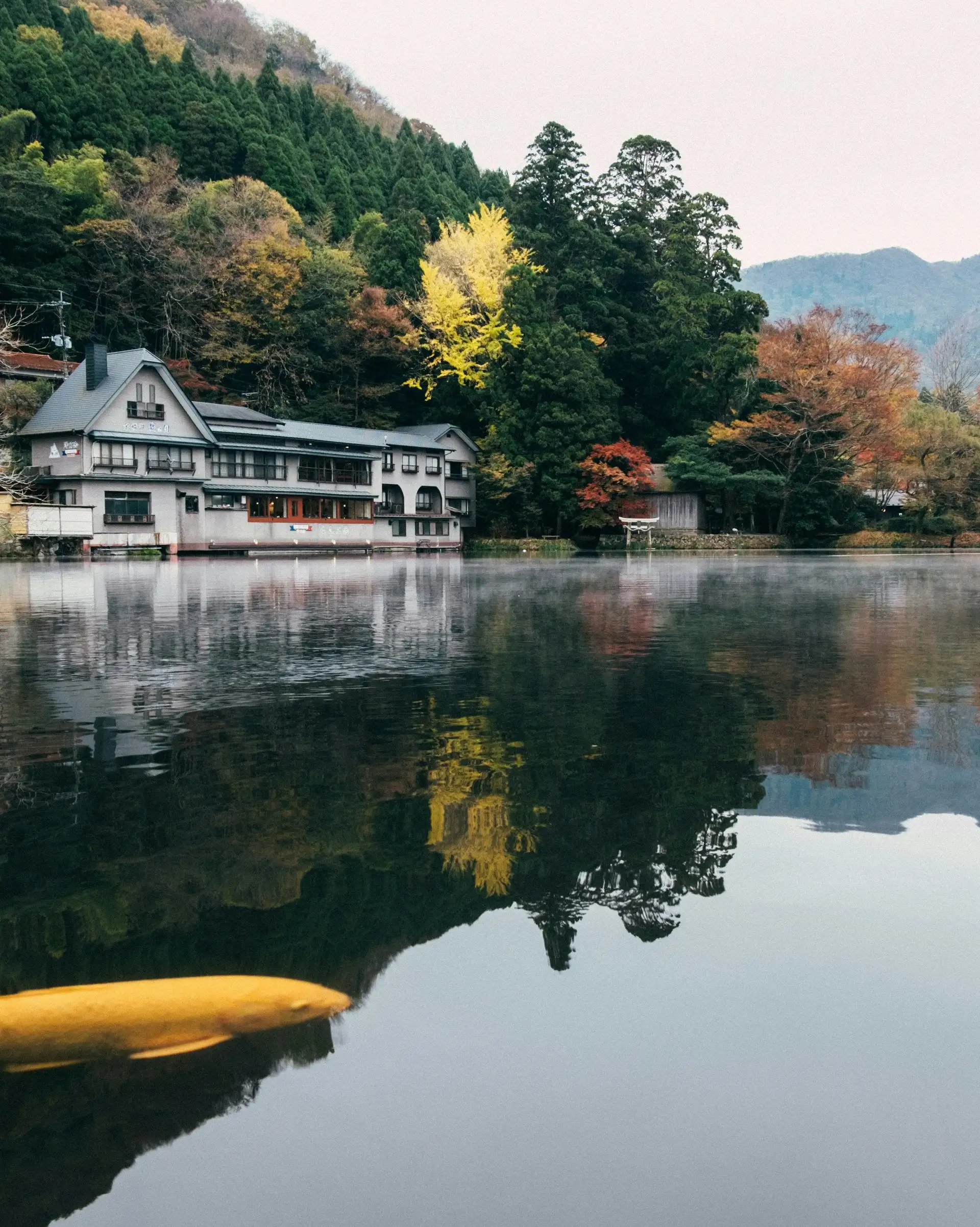
The Maneki-Neko, the little cat with its paw raised, primarily found in the form of a statuette, is certainly one of Japan 's most iconic figures . Its name literally means "beckoning cat." Beyond this popular good luck charm, Japan abounds with animal symbols and sacred objects embodying luck, protection, or prosperity: the koi carp (perseverance and success), the tsuru crane (longevity and peace), the Daruma doll (persistence and accomplishment), and the Omamori (protective amulets).
The Maneki-Neko even has its own day of celebration, September 29th, and a temple dedicated to it in Tokyo, the Gotokuji. The details of the Maneki-Neko are laden with meaning: the gold color attracts wealth, the right paw money, and the left customer customers—each posture chosen to attract a specific form of happiness or fortune. The influence of guardian animals and lucky charms is evident in both commercial life and homes, contributing to the ancient transmission of Japanese values.
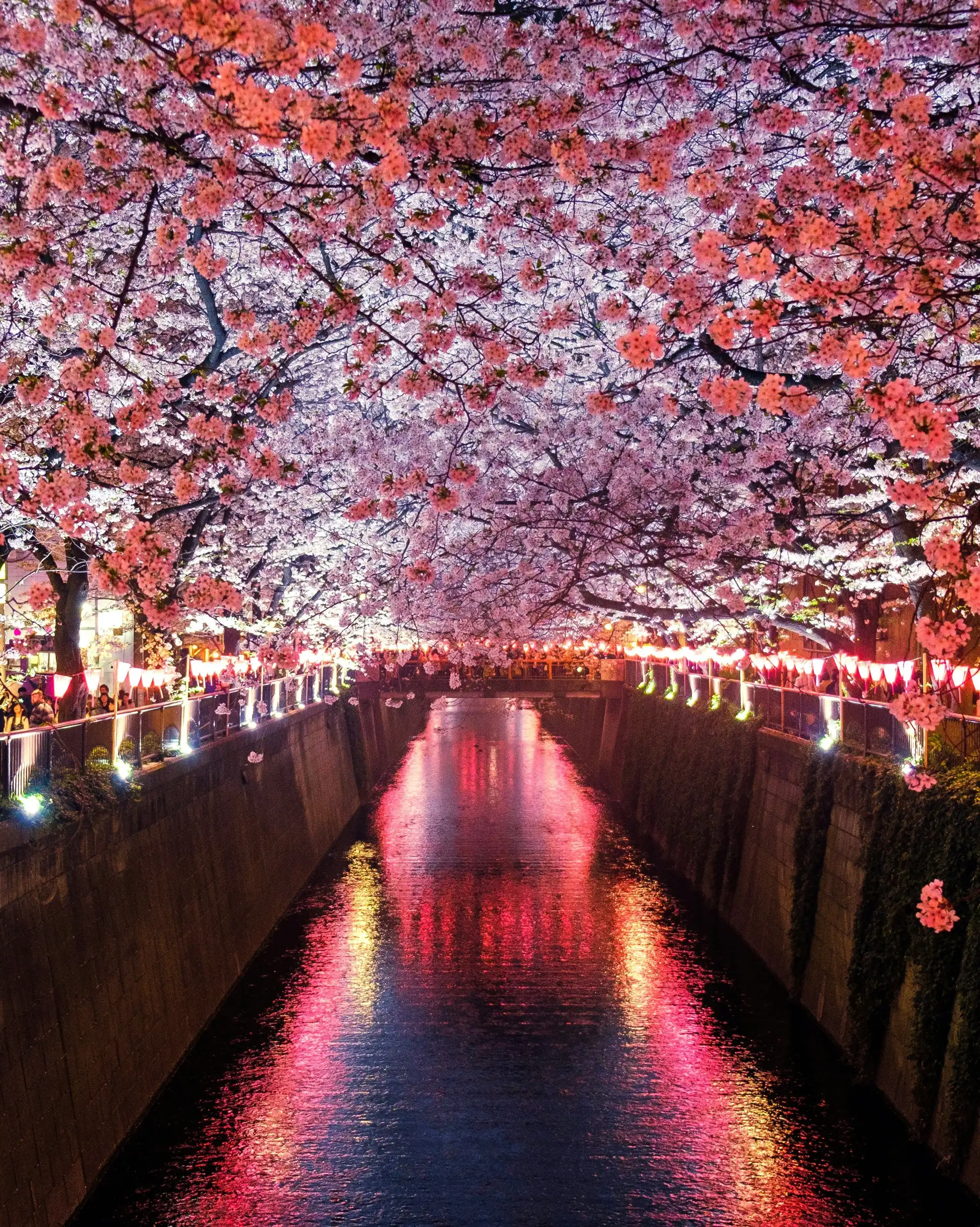
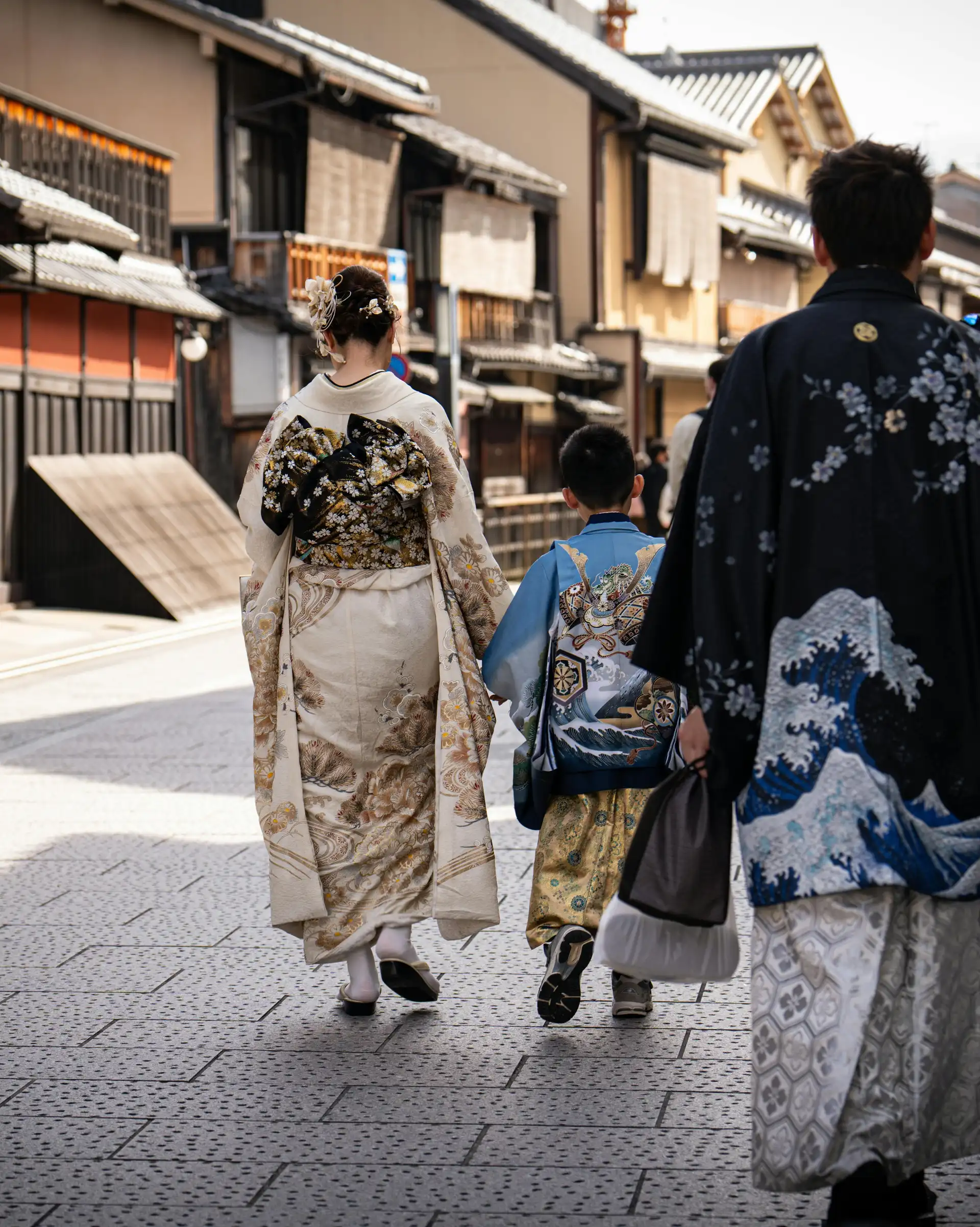
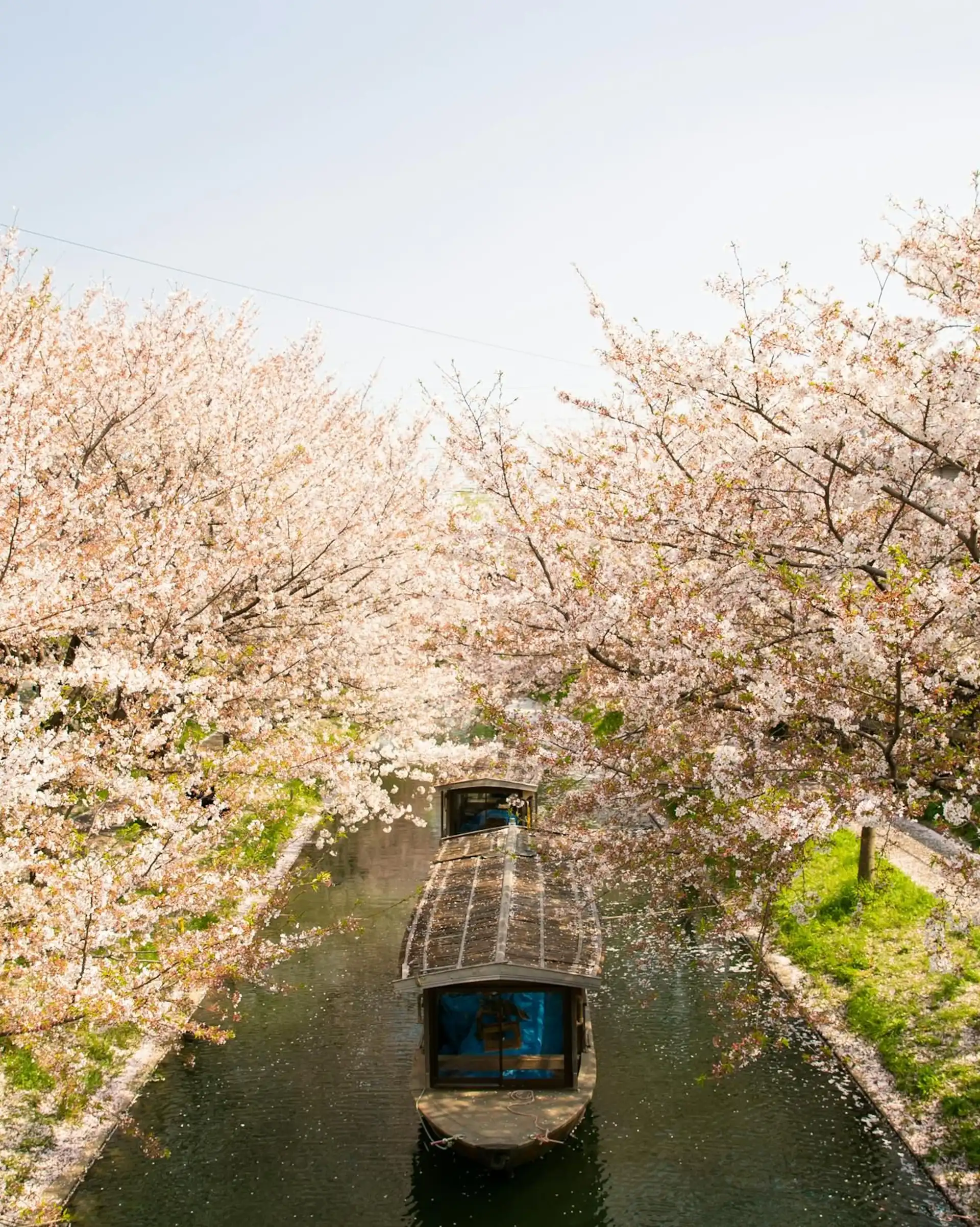
Among naturalist icons, the cherry blossom (Sakura) also occupies a special place: it symbolizes ephemeral beauty, the fragility of existence, and the renewal of spring. Numerous traditional motifs—pine (Matsu), butterfly (Chô), tortoise shell (Kikkô), or plover (Chidori)—appear in textiles, decorative arts, and ceremonies, all carrying positive meanings.
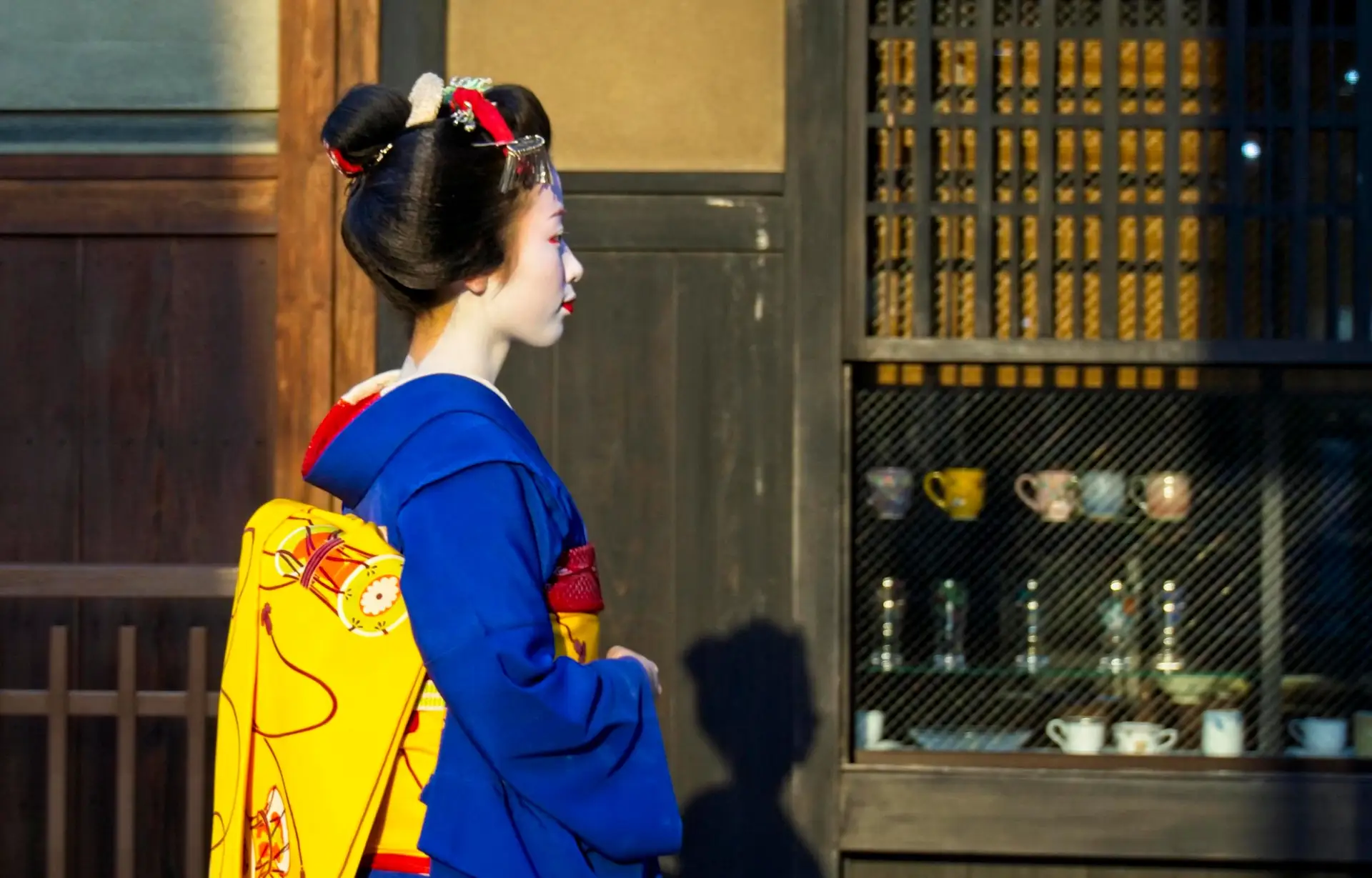
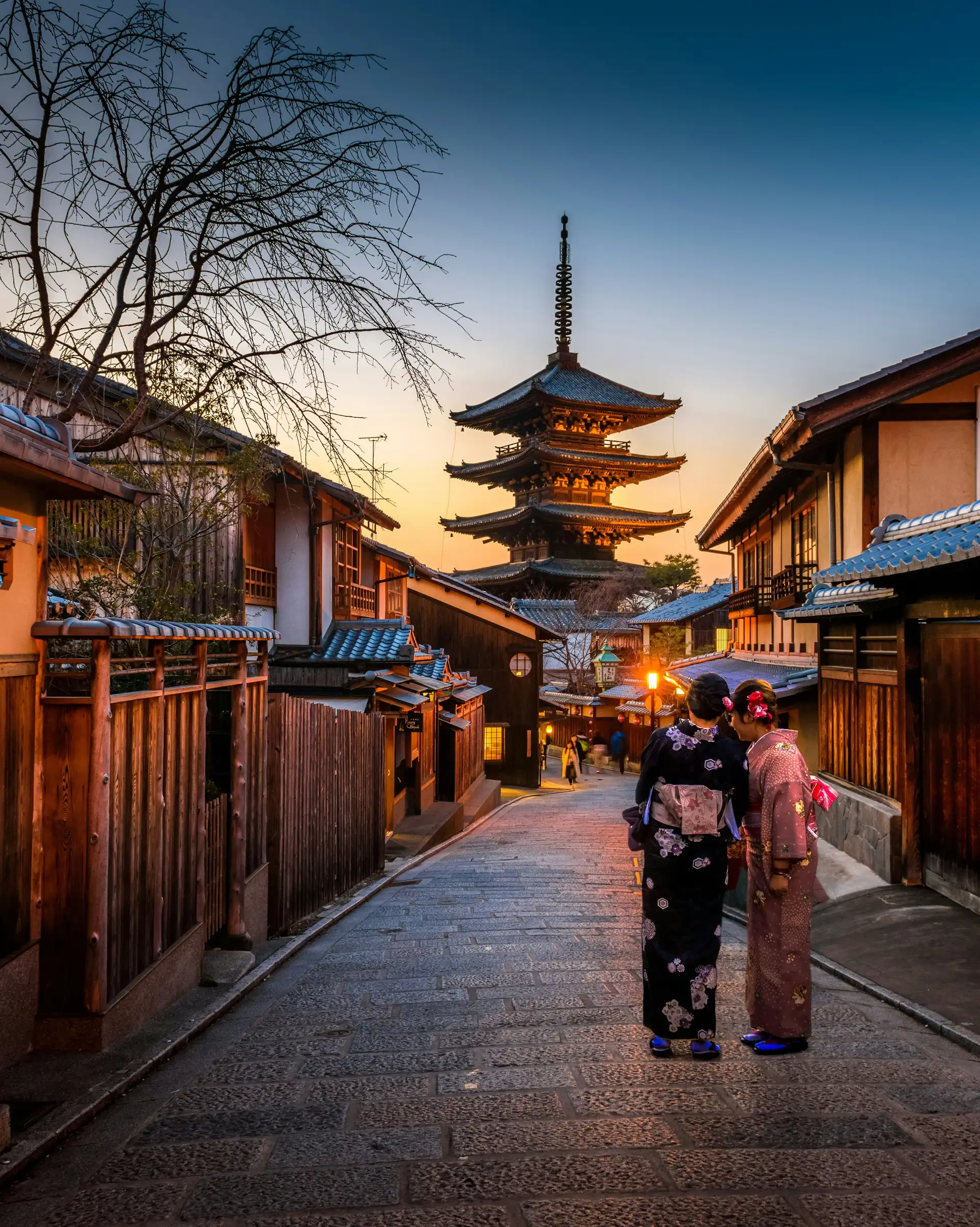
Mineko Iwasaki , born in Kyoto in 1949, embodies the sophistication and refinement of the geisha tradition. Having become an author and businesswoman, she has made a significant contribution to raising awareness of this still-vibrant artistic institution, a blend of mysterious art and assertive modernity.
In 1994, after her testimony for the novel "Memoirs of a Geisha", Mineko Iwasaki published her own autobiography "My Life as a Geisha" (2002), revealing the secrets of a centuries-old tradition.
Murasaki Shikibu (10th-11th century), a scholar at the imperial court, left her mark on Japanese culture with her masterpiece "The Tale of Genji," often considered the world's first psychological novel. Her influence still permeates classical literature, making her a symbol of Japanese female genius, celebrated in Japan through literary exhibitions and commemorative festivals.
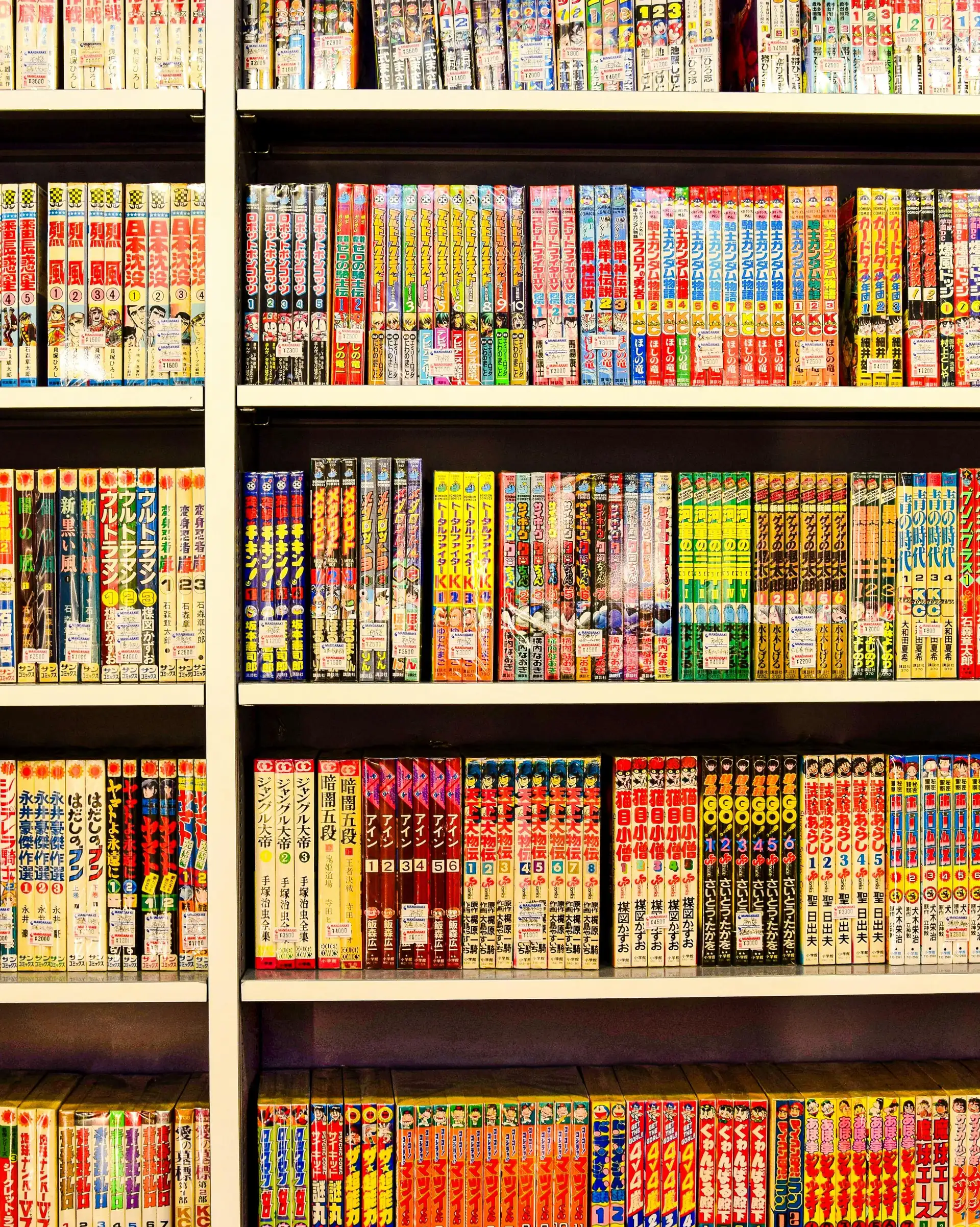
Rumiko Takahashi is a major figure in contemporary manga. With record-breaking global sales and a unique track record (Grand Prix d'Angoulême 2019), she exemplifies the prominent role of female creators in Japanese pop culture. Her worlds, oscillating between humor, adventure, and identity transformation, contribute to the global spread of manga as a popular art form and an expression of Japanese society in flux.
Discover the rich cultural heritage of Japan with our tailor-made trips.
Haruki Murakami, a writer adored worldwide, synthesizes Japanese and Western literary influences. His writing, oscillating between dreamlike realism and contemporary concerns, explores the modern Japanese condition. Many of his characters, often women with singular destinies or mysterious feline figures, reflect Japan's attachment to its symbols of identity.
Alongside these big names, female poetry (Izumi Shikibu, Sei Shonagon) and new generation manga artists continue to expand the collective imagination.
Shōtoku Taishi (574-622): a political and spiritual visionary, he laid the foundations of institutional Buddhism while drawing inspiration from the Chinese model to modernize the administration. The use of symbols and the reverence for the past remain pervasive in Japanese society thanks to his legacy. Ancient temples, such as Shi Tennō-ji in Osaka, perpetuate his memory.
Oda Nobunaga (1534-1582): a bold military leader, he remains a model of radical change and innovation, a key figure in the transformation of the country during the 16th century. Along with his successors (Toyotomi Hideyoshi, Tokugawa Ieyasu), he is celebrated in numerous matsuri (festivals) and at historical sites. The stories of heroism, rise to power, and tragedy surrounding these figures have fueled Japanese drama, from Noh theater to contemporary manga.
Not forgetting the great historical female figures : the onna-bugeisha warriors (Tomoe Gozen, Nakano Takeko), queens or empresses (Empress Jingū), whose impact on military and social history testifies to the sometimes overlooked role of Japanese women in the formation of national identity.
Historical sites linked to these figures, such as the remains of Azuchi Castle built by Oda Nobunaga, are fascinating stops on a trip to Japan between tradition and modernity .
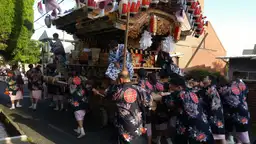
In Japan, numerous popular festivals (matsuri), religious celebrations, and museums pay homage to these iconic figures. The Obon festival honors the spirits of ancestors, creating a living connection with figures from family or national history. The Toka Ebisu festival, dedicated to the deity of prosperity, celebrates lucky charms and extols entrepreneurial success. Museums—from the Tokyo National Museum to the Ghibli Museum—highlight the legacy of major creators, while Shinto and Buddhist ceremonies always incorporate respect for ancestors and heroes of the past.
Hayao Miyazaki , co-founder of Studio Ghibli, elevates Japanese animation to a unique artistic and moral level. His films, heirs to classic themes (nature, spirituality, strong femininity, harmony), are celebrated worldwide and offer a privileged entry point into contemporary Japanese culture. The Ghibli Museum in Tokyo, a must-see for animation and storytelling enthusiasts, pays homage to this universe where every creature, animal, or object holds symbolic value.
The great masters of cinema such as Akira Kurosawa or Yasujiro Ozu complete this pantheon, illustrating Japan's ability to question tradition by reinventing it for each generation.
Japanese creative genius also shines through in fashion, design, and music, fields where the blend of visual traditions, patterns, vibrant colors, innovative silhouettes, and modern experimentation forges a unique identity. Besides Kenzo Takada, Rei Kawakubo (Comme des Garçons) and Issey Miyake are among those who export the Japanese spirit to major international fashion houses.
Contemporary pop culture (manga, anime, J-Pop, cosplay) exerts a growing influence: in France and the United States, otaku culture is becoming a social phenomenon, fueled by the vibrancy of festivals, the creativity of social media, and the spread of Japanese visual codes in fashion and design. Characters like Hello Kitty , Astro Boy , and the heroines of Sailor Moon have become global symbols of "kawaii aesthetics," an expression of the cult of cuteness, inventiveness, and a certain universal gentleness.
Young people in Japan and around the world draw on this wealth of icons to shape their own identities, sometimes straying from conformity to explore alternative, playful, or reflective worlds. This creative vitality asserts itself as a genuine soft power in the service of intercultural dialogue.
The history and culture of Japan would be incomplete without the contribution of remarkable women, from antiquity to modernity. Alongside medieval and scholarly figures, artists like Yayoi Kusama (renowned for her hallucinatory polka-dot installations) and Katsushika Ōi (daughter of Hokusai, master ukiyo-e artist) bear witness to female creativity and its influence on the world stage.
In contemporary society, novelists such as Sawako Ariyoshi or avant-garde creators, committed intellectuals or feminist activists, continue to break down barriers and embody Japan's ability to value innovation, resilience and harmony, central values of the Japanese model.
Takashi Murakami , heir to Andy Warhol and master of Japanese pop art, blends traditional heritage and manga aesthetics in his vibrant works, combining popular culture, commerce, and scholarly references. His collaborations with Louis Vuitton and Kanye West illustrate this modern transversality of Japanese artistic genius. Major biennials, contemporary art museums, and galleries in Tokyo now celebrate this constantly evolving vitality. Explore modern Japan and its many artistic facets aboard the trains. At Shanti Travel, we observe that this multitude of figures and symbols—whether traditional or modern, masculine or feminine, popular or scholarly—gives Japan its unique identity and radiance. Encountering these faces and symbols during a tailor-made trip to Japan offers an immersive experience, a blend of heritage and avant-garde, that goes far beyond clichés to capture the soul of an archipelago in perpetual metamorphosis.
Subscribe and receive our travel inspirations and practical advice twice a month.
Wanting to share your trip with a group?











![Alignement de maisons de pêcheurs traditionnelles funaya au bord de l'eau dans le village de pêcheurs d'Ine au Japon[cite: 10].](https://dozjp40rj04ea.cloudfront.net/eyJidWNrZXQiOiJzaGFudGktc3RyYXBpLXVwbG9hZHMiLCJrZXkiOiJKYXBvbl9JbmVfVmlsbGFnZV8wMDk0MjE5MTYwLmpwZyIsImVkaXRzIjp7InJlc2l6ZSI6eyJmaXQiOiJjb3ZlciIsIndpZHRoIjoyNTZ9LCJ0b0Zvcm1hdCI6IndlYnAiLCJ3ZWJwIjp7InF1YWxpdHkiOjU1fX19)