Your expert on destination Japan
To understand well-being in Japan , one must grasp how deeply this quest for harmony between body and mind permeates daily life in the archipelago. Experiencing well-being in Japan means immersing oneself in a world where every gesture, every ritual, conveys a profound awareness of oneself, of others, and of the surrounding nature. In fact, the word "zen" comes from Japanese: more than just "serenity," it evokes a whole art of living based on mindfulness. Japanese culture is permeated by Shinto and Buddhist precepts that value rest, contemplation, and transcending material desires. Here are different ways to relax in Japan and immerse yourself in these traditions, while understanding the subtleties to respect as a traveler.
The benefits of meditation are well established. In Japan, zazen meditation, originating from Zen Buddhism, is practiced sitting in a highly codified posture, with attention focused on breathing and maintaining a straight back. The goal is to calm the mind, seek mental clarity, and achieve complete letting go.
In Zen temples where zazen is practiced, welcoming foreigners is increasingly common: it is possible to participate in group meditations, sometimes during retreats. The experience is very structured: absolute silence is required, movements are measured, and it is important to follow the instructions of the priest or monk precisely. It is customary to wear simple, loose-fitting clothing, to respect the schedule, and to remain discreet. Humility and respectful curiosity are essential for absorbing the atmosphere.
The Japanese bathing ritual, whether in a public bathhouse (sento) or a natural hot spring (onsen), is a cornerstone of wellness culture. Mineral-rich waters are renowned for their therapeutic properties: pain relief and purification of body and mind.
Rules to follow in sento and onsen:
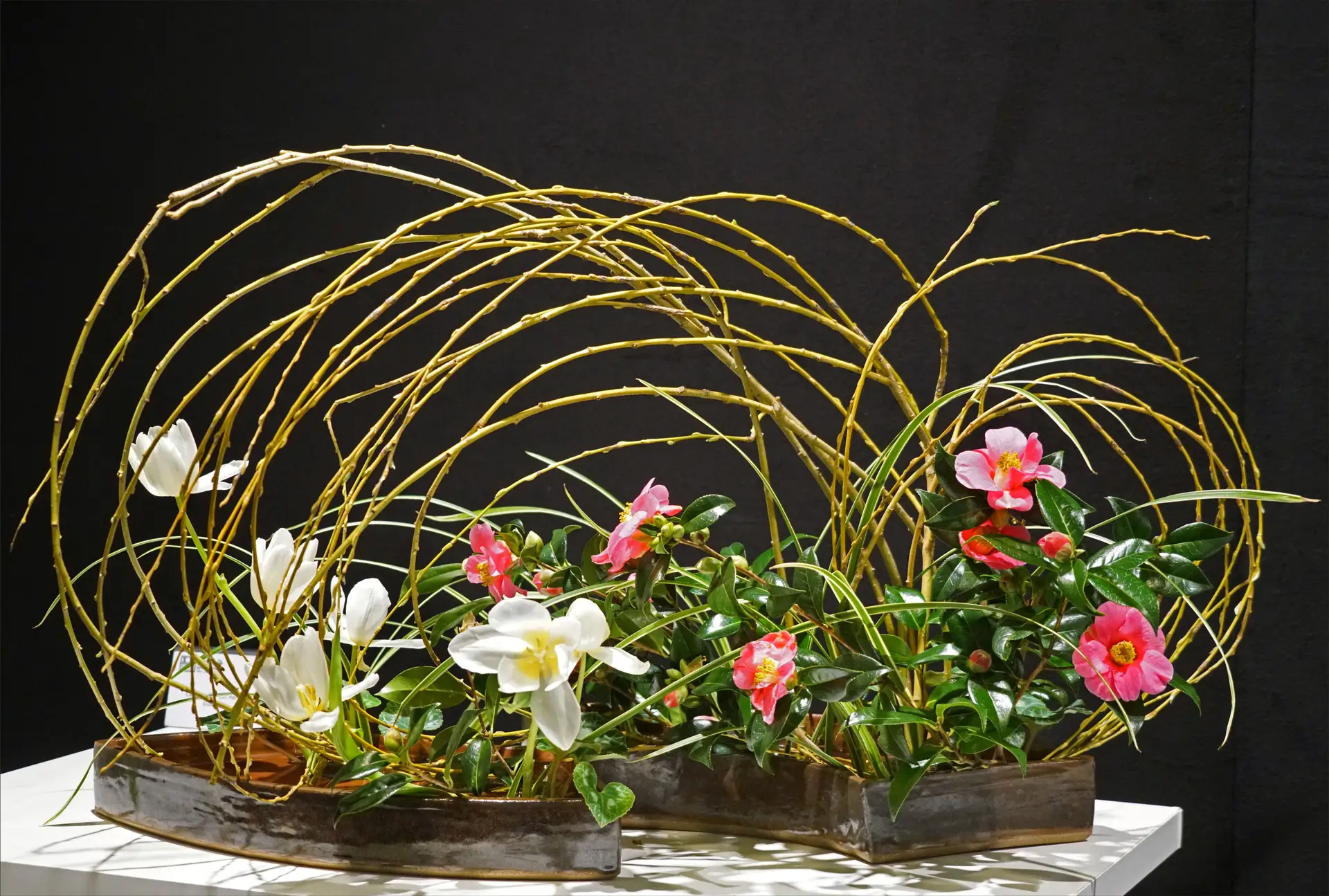
Ikebana, one of the three great traditional Japanese arts, is inspired by the profound connection between man and nature. Far from simply arranging bouquets, ikebana invites meditation: every gesture in the arrangement of stems, leaves, and buds has meaning, each element symbolizing the harmony between heaven, earth, and humanity.
In an ikebana workshop or school, it is customary to behave with calm, attentiveness, and humility: silence and listening to the master are essential, one follows the codified techniques, and never touches the works of others without permission. There are more than 3,000 ikebana schools in Japan, all advocating respect for tradition and creative innovation.
Blending art, religious ritual, and philosophy of life, the tea ceremony ( chanoyu ) elevates the pursuit of harmony to its highest level. Matcha tea is prepared according to a precise choreography in a beautifully minimalist setting. The ceremony unfolds in several phases: purification, meticulous preparation, silent tasting, and expressions of gratitude.
The ceremony highlights four principles:
Sometimes called Zen gardens, these landscaped spaces are designed like miniature paintings evoking mountains, rivers, or forests. They invite silent contemplation: visitors are encouraged to experience serenity, the balance of forms, and simplicity. Natural elements (rocks, gravel, moss) are carefully chosen to symbolize the permanence and beauty of nature. Many gardens are found in temples but also in residential areas; they offer a haven of peace that is particularly appreciated in the hustle and bustle of urban life.
Shiatsu is a deep tissue massage using finger pressure, designed to restore the body's balance and the flow of vital energy. This practice, inspired by traditional Chinese medicine, aims to relax muscles, stimulate energy points, and calm the mind. Specialized salons can be found throughout Japan, and it is common for Japanese people to visit them regularly to maintain their physical and emotional well-being.
Nowadays, well-being in Japan is taking new paths:
Practical tips for travellers
At Shanti Travel, our intimate knowledge of Japanese rituals and codes allows us to organize authentic wellness experiences: private workshops, retreats in Zen monasteries, stays in ryokan with onsen or discovery of a secret garden, everything is designed for an immersion in the essence of Japanese wellness.
Subscribe and receive our travel inspirations and practical advice twice a month.

Wanting to share your trip with a group?









![Alignement de maisons de pêcheurs traditionnelles funaya au bord de l'eau dans le village de pêcheurs d'Ine au Japon[cite: 10].](https://dozjp40rj04ea.cloudfront.net/eyJidWNrZXQiOiJzaGFudGktc3RyYXBpLXVwbG9hZHMiLCJrZXkiOiJKYXBvbl9JbmVfVmlsbGFnZV8wMDk0MjE5MTYwLmpwZyIsImVkaXRzIjp7InJlc2l6ZSI6eyJmaXQiOiJjb3ZlciIsIndpZHRoIjoyNTZ9LCJ0b0Zvcm1hdCI6IndlYnAiLCJ3ZWJwIjp7InF1YWxpdHkiOjU1fX19)