Your expert on destination Japan
Discover the true must-sees of a trip to Japan, selected by our experts at Shanti Travel to experience the best of the Land of the Rising Sun, from age-old traditions and breathtaking landscapes to unique experiences. Here are our in-depth tips for immersing yourself in the richness and diversity of each of the 13 unmissable stops on your journey.
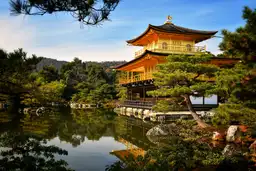
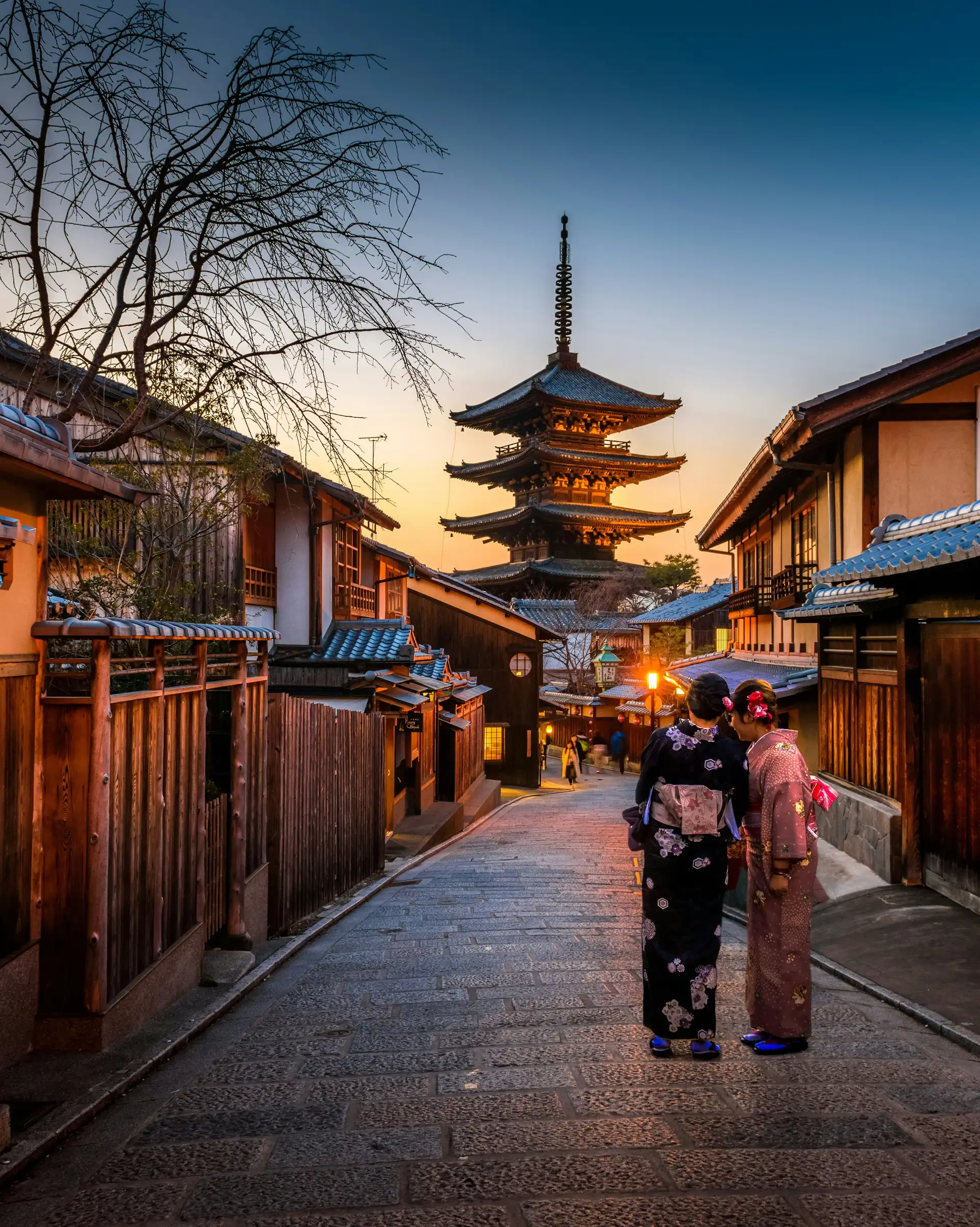
The city of Kyoto is undoubtedly one of the most charming in the country and one of the cultural capitals of traditional Japan. Its exceptional heritage is revealed through more than 1,600 temples and shrines, several of which are UNESCO World Heritage sites: the Kinkaku-ji Golden Pavilion , the Fushimi Inari Taisha Shrine with its thousands of vermilion torii gates, and the historic Gion district .
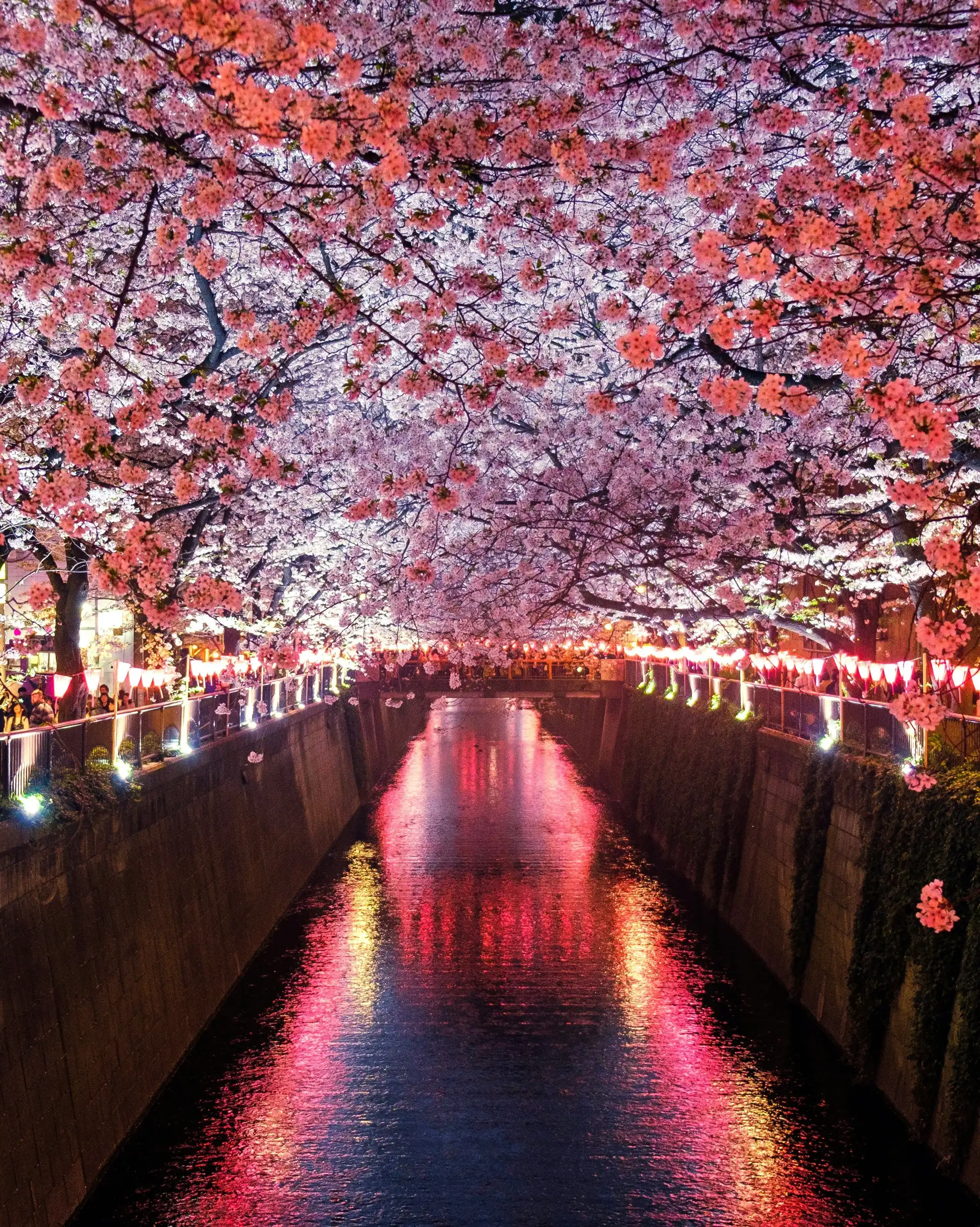
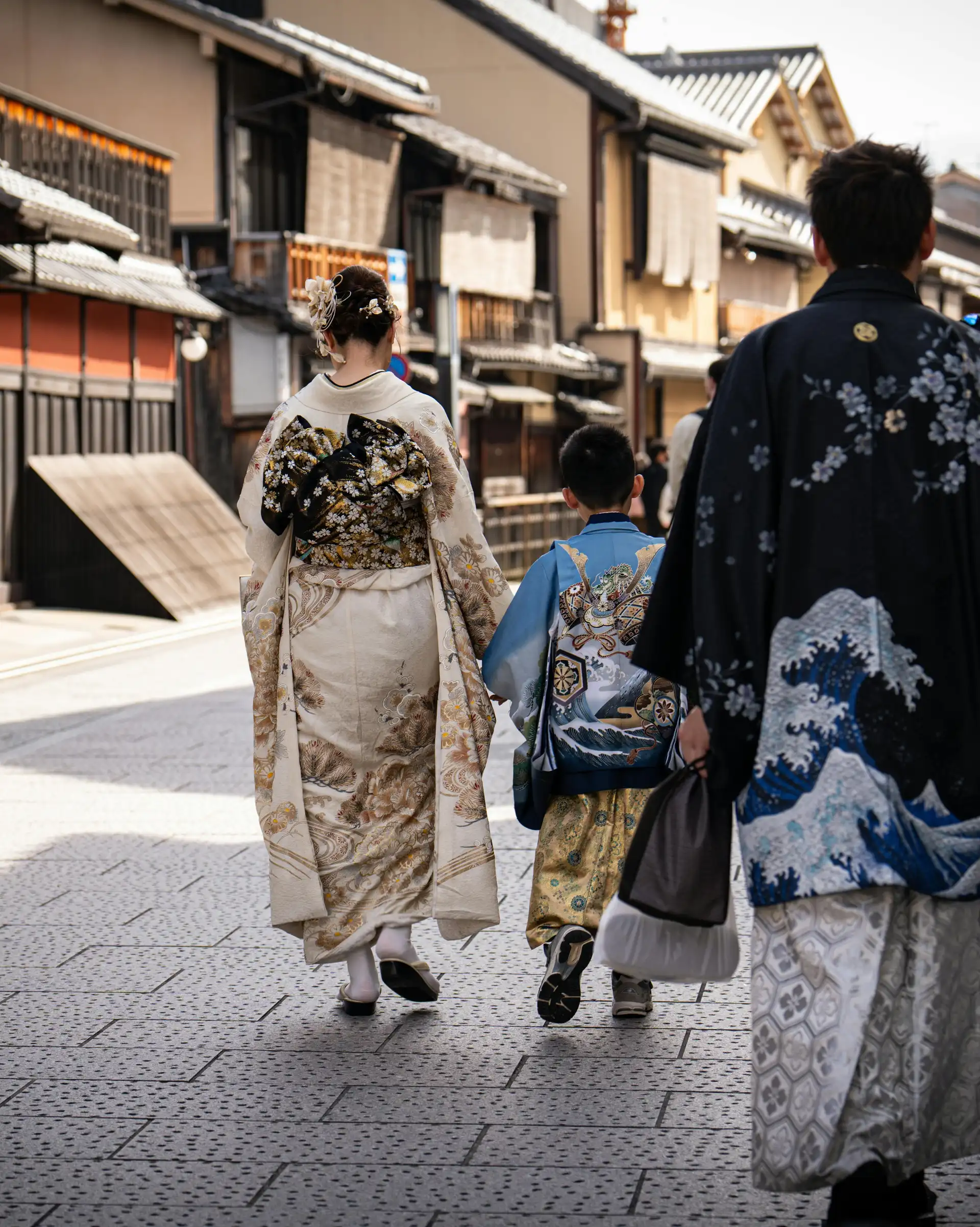
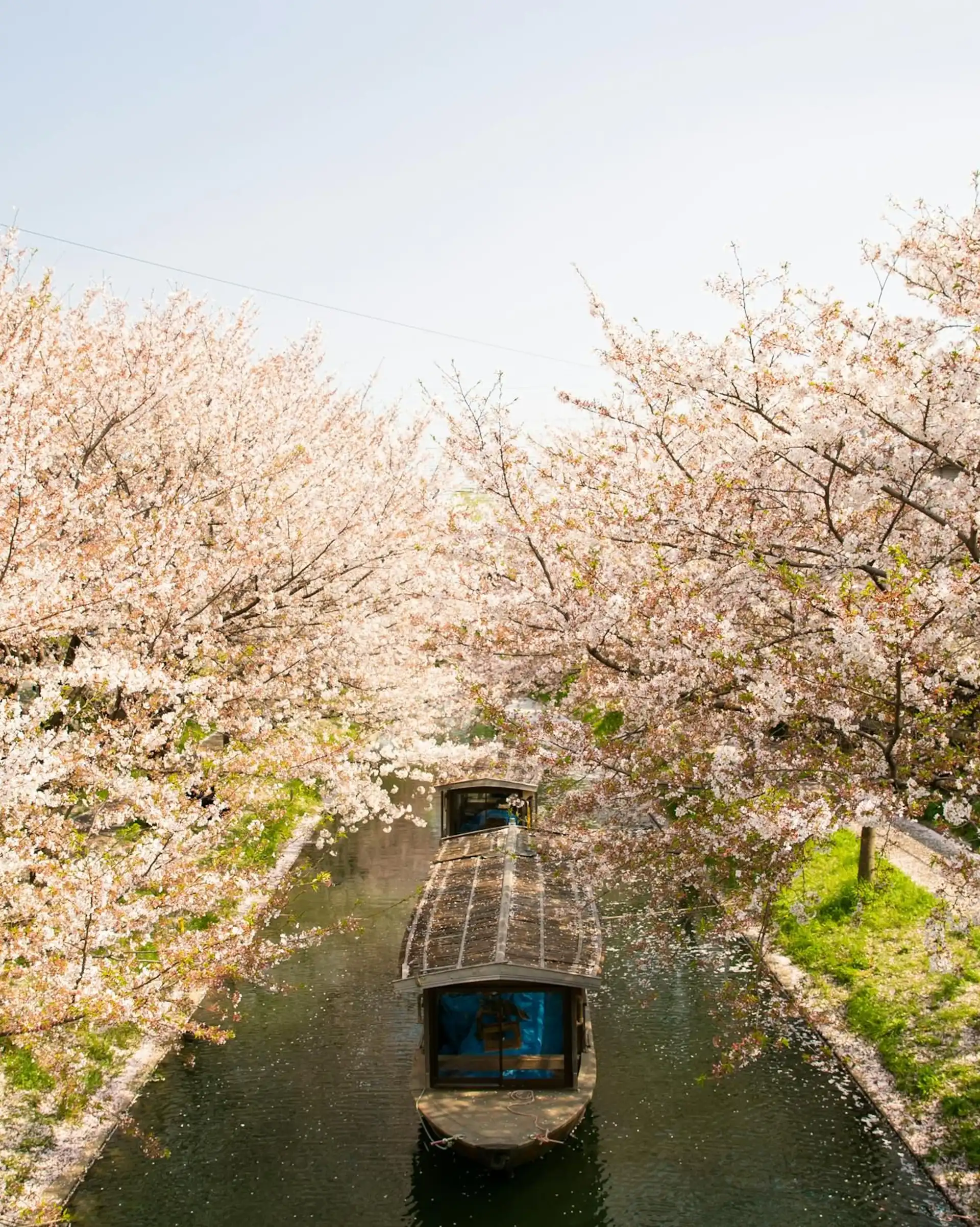
While strolling through the cobblestone streets of Gion, try to catch a glimpse of a geiko or a maiko apprentice, embodiments of ancestral refinement. In spring, walk along the famous Philosopher's Path lined with cherry blossoms or immerse yourself in the heart of the Arashiyama bamboo forest for a peaceful escape. Treat yourself to an authentic tea ceremony, a truly emblematic art of living, and let yourself be seduced by the culinary tradition of kaiseki or the delicate aroma of matcha tea. Local crafts (textiles, ceramics, fans) will remind you of the refined taste that characterizes this former imperial capital.
Tokyo masterfully blends ultramodernity with age-old traditions. Explore its contrasting neighborhoods: Shibuya with its iconic intersection, Akihabara with its otaku culture, Asakusa for the authenticity of Senso-ji Temple, or Yanaka, a small enclave of old Tokyo untouched by modernization. The Japanese spirit is expressed in small, everyday gestures: respect the tranquility of temples, wait patiently in line, and try an izakaya or a ramen shop tucked away in a quiet alley.
Take a moment to relax in the Imperial Gardens or discover a themed café. If you're starting your trip in Tokyo, set aside a day to acclimatize to the city's vibrant energy. Museums, from the most traditional to the most innovative, offer a fascinating glimpse into Japanese creativity. Consider extending your visit to the Odaiba Bay area or exploring folk art in the backstreets of Shimokitazawa.
Destroyed during World War II, Hiroshima has risen from the ashes and today embodies peace and remembrance. A visit to the Peace Memorial and its museum is a moving and inspiring experience, offering a powerful and essential moment for anyone seeking to understand the country's modern history. The Genbaku Dome stands as a testament to the city's resilience. Enhance your experience with a stroll through the landscaped Shukkeien Garden or a taste of okonomiyaki, a local specialty.
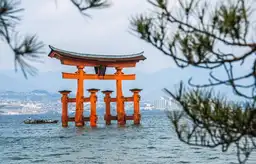
Don't miss the excursion to Miyajima , accessible by ferry, where the famous floating torii gate of the Itsukushima shrine welcomes you in a sacred atmosphere, particularly at the end of the day when the light bathes the landscape in golden reflections.
A true natural gem, the sacred island of Miyajima boasts the most beautiful torii gate in Japan, sublime at high tide when it appears to rest upon the waves. Mount Misen, accessible on foot or by cable car, rewards the effort with spectacular panoramas and a mystical atmosphere. Discover the Senjokaku Pagoda, the Daisho-in Temple, and Momijidani Park , renowned for its vibrant maple trees in autumn. Deer, messengers of the gods in Shinto tradition, add a touch of magic to your walks.
Nara , the first imperial capital, shines with its architectural treasures, including Todai-ji Temple, home to the world's largest bronze Buddha, and Kasuga Taisha Shrine with its thousands of lanterns. Famous for its free-roaming deer—symbols of divine benevolence—Nara invites visitors to experience a blend of history, spirituality, and nature. The deer, accustomed to greeting humans with a bow, embody the respect and friendliness of Japanese culture, captivating visitors of all ages. Stroll through the parks, savor freshly made mochi, and discover a more authentic Japan, far from the urban bustle.
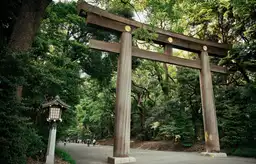
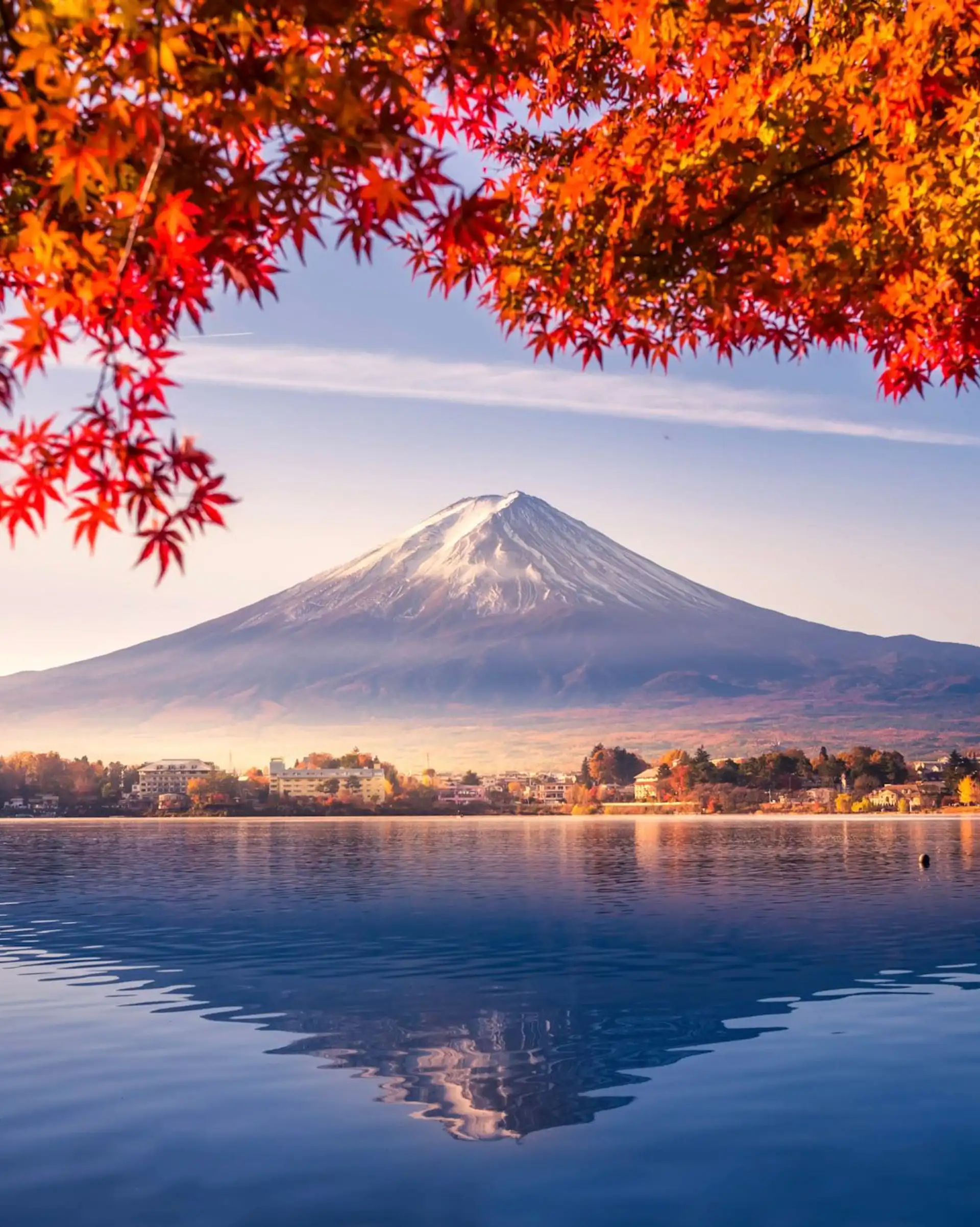
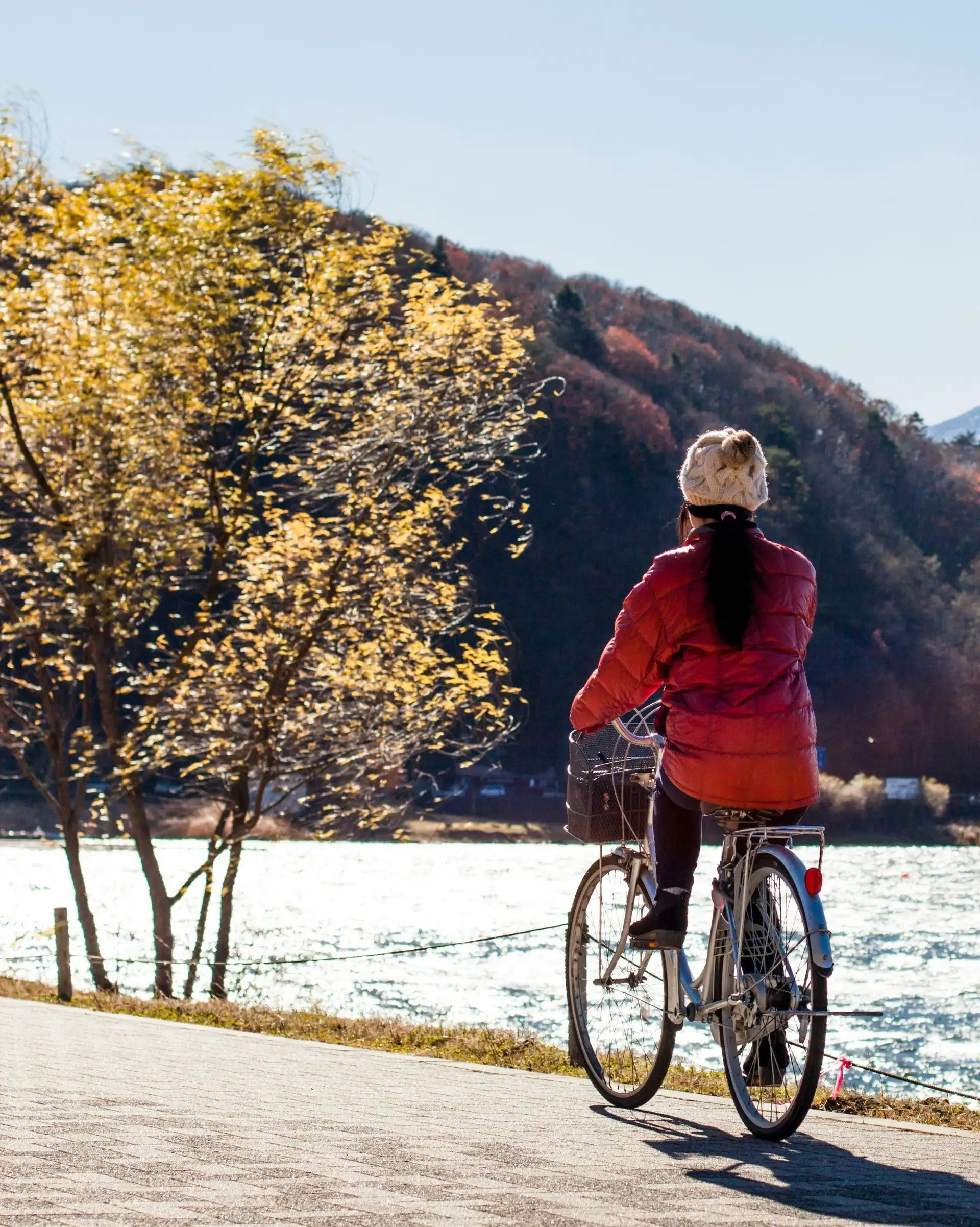
Whether you climb or simply contemplate, Mount Fuji – known as Fujisan – remains an unforgettable experience. A sacred peak and the highest mountain in Japan at 3,776 meters, it has inspired countless artists and pilgrims. Hiking on its slopes reveals numerous shrines and torii gates, and the sunrise view ("Goraiko") remains one of the most cherished memories. To appreciate the volcano in all its facets, take the time to explore the historic villages surrounding the five Fuji lakes, or admire it against the backdrop of the region's hot springs ( onsen ). For a truly unique adventure, climbing it is ideal during the summer months and offers an unforgettable experience .
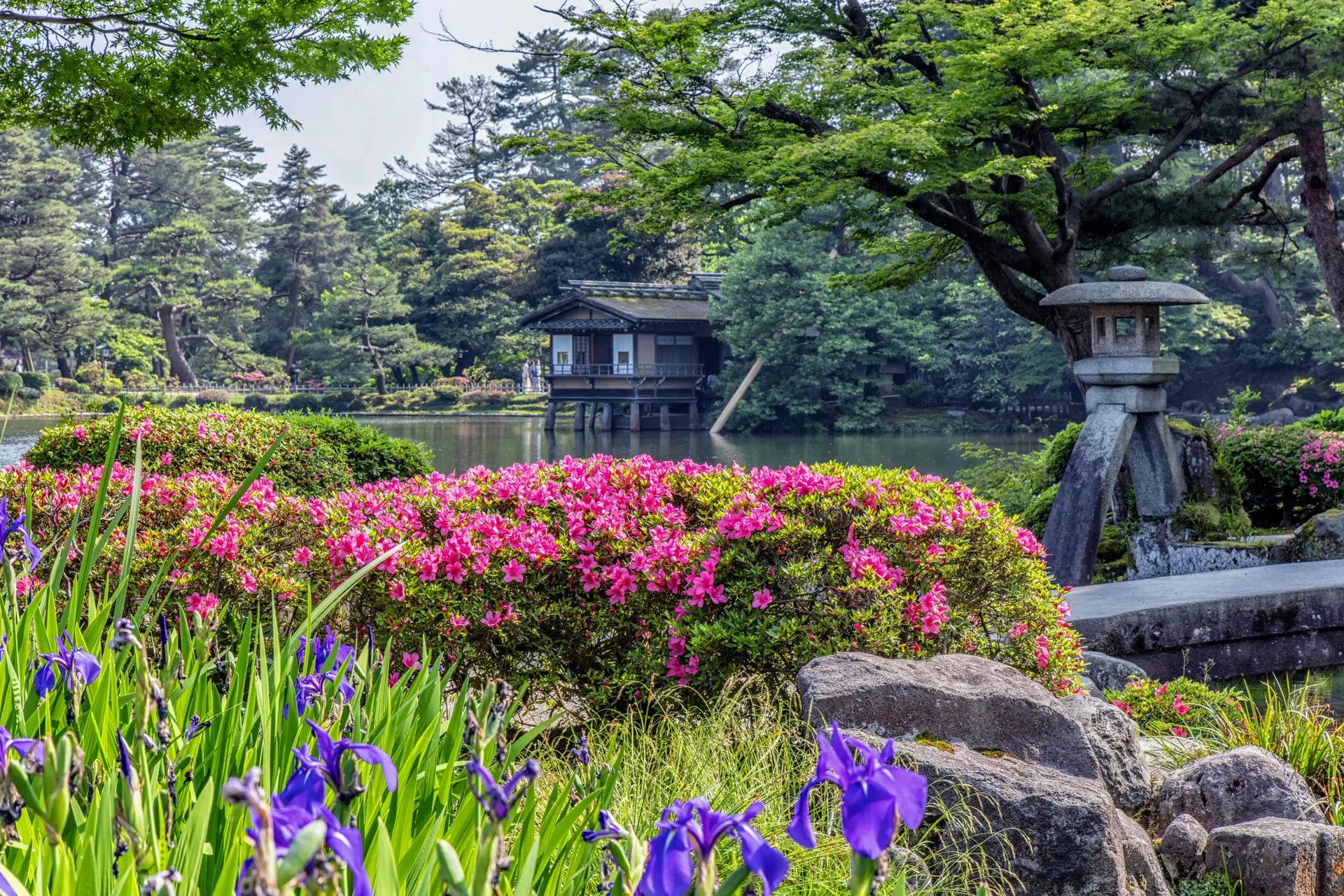
Kanazawa captivates with its tranquil atmosphere, nestled between the sea and the Japanese Alps. Kenroku-en Garden , one of Japan's three most beautiful gardens, is a masterpiece of landscape and harmony to be discovered throughout the seasons. The Higashi Chaya district is adorned with traditional teahouses, while the local crafts (lacquerware, textiles) bear witness to a still-vibrant tradition. Don't miss the seafood at Omicho Market, a vibrant daily hub of local commerce and Japanese hospitality. The Museum of Contemporary Art and the castle complete this refined stop. For a gourmet overview of local specialties, refer to our guide to food in Japan.
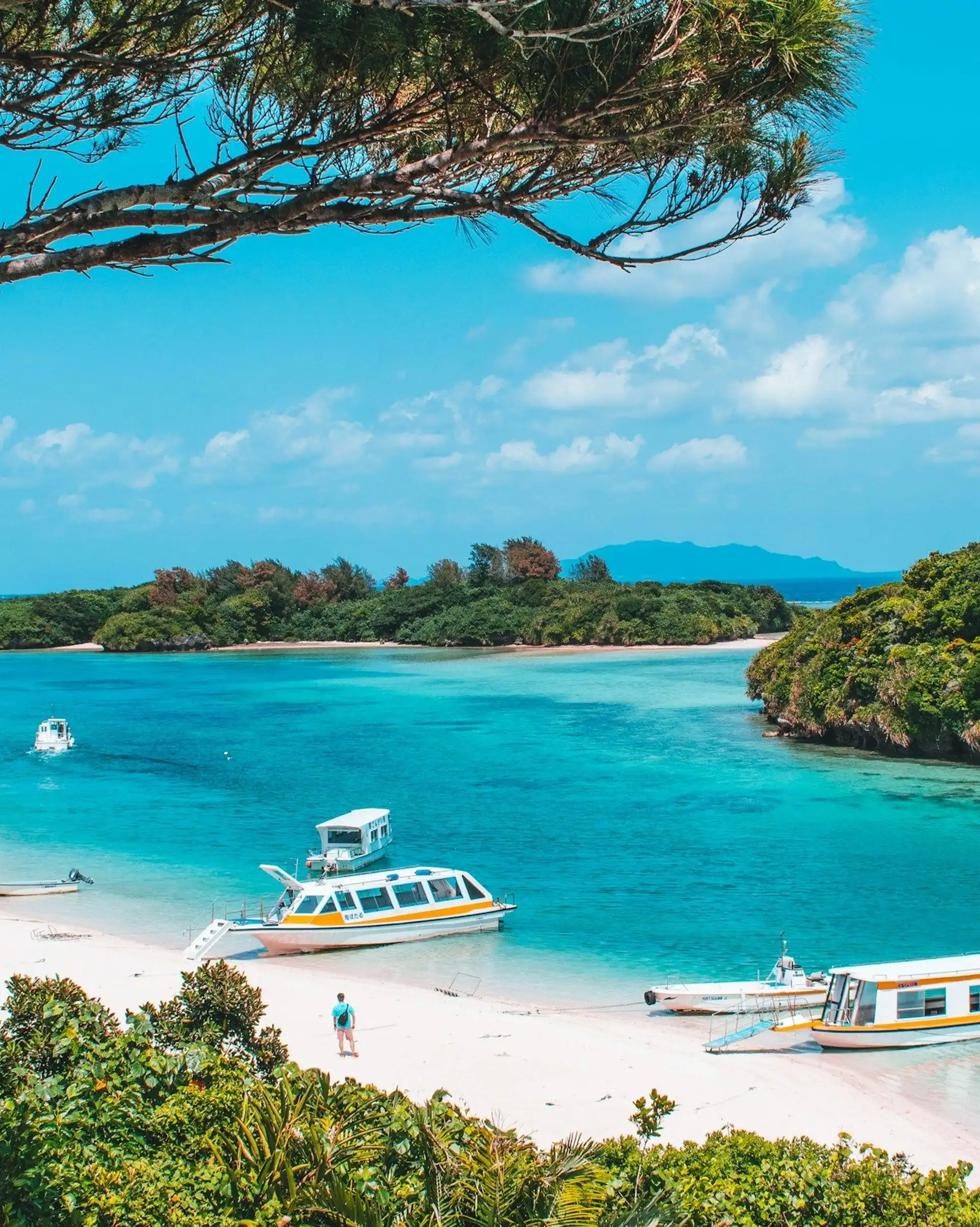
Okinawa stands out as Japan's quintessential beach getaway, boasting white sand beaches, crystal-clear waters, and a mild climate year-round. But the archipelago also shines with its unique culture inherited from the Ryukyu Kingdom: handicrafts, traditional music, cuisine with diverse influences (try Goya Champuru or rafute pork), and a colorful history. The Churaumi Aquarium and Shuri Castle illustrate two complementary facets—natural beauty and architectural heritage—of an island where the art of living is a true journey. To grasp the unique philosophy of its inhabitants, draw inspiration from the concept of "ikigai," the art of local happiness.
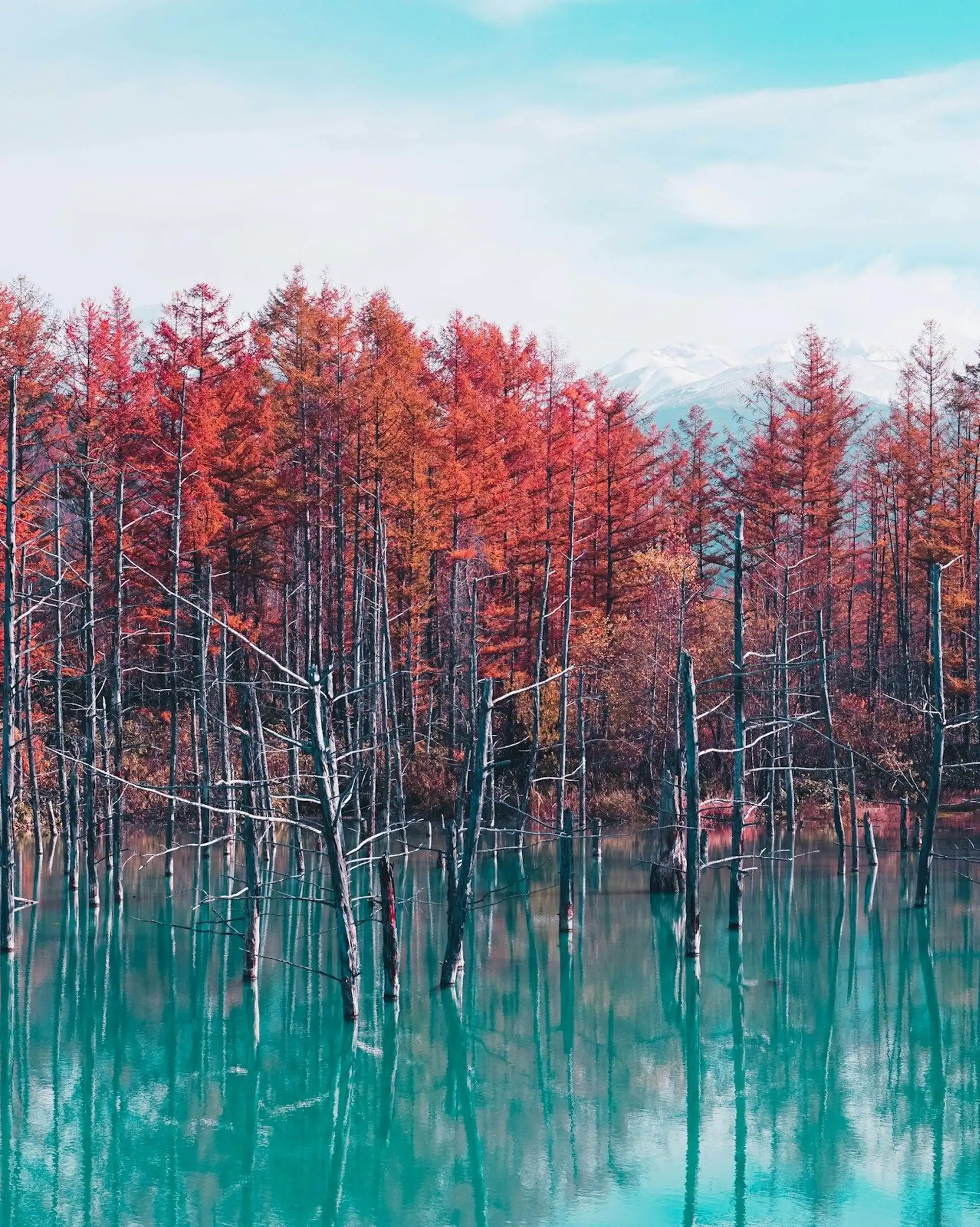
In the north, Hokkaido is a haven for lovers of unspoiled nature. With its vast national parks, natural hot springs ( onsen ), snow festivals, and snow-capped peaks, it promises a complete change of scenery and plenty of adventure. Shikotsu-Toya National Park boasts exceptionally pure volcanic lakes to explore in every season. In winter, observe the famous macaques basking in the onsen or enjoy world-renowned ski resorts like Rusutsu . In summer, wander through the flower-filled fields of Biei and Furano, or discover the culture of the Ainu, Japan's little-known indigenous people.
Thanks to Shanti Travel's expertise, experience the must-see sights of Japan not as a simple tour, but as a unique immersion into the soul and subtleties of this fascinating country.
Tokyo, Kyoto, Nara and Osaka are the most recommended destinations for a first trip to Japan. Depending on the length of your stay, you can also add Mount Fuji, Hiroshima and Miyajima. These destinations offer a chance to discover different sides of the country, from major cities and historic heritage to nature and gastronomy. For a two-week trip, it is better to limit the number of stops to maintain a comfortable pace.
A two-week trip to Japan already allows you to discover several major destinations, including Tokyo, Kyoto, Nara, Hiroshima and Miyajima. Ideally, allow several days in the major cities and at least one full day for excursions. If you have three weeks or more, you can add regions such as Kanazawa, Hokkaido or Okinawa without having to spend too much time travelling.
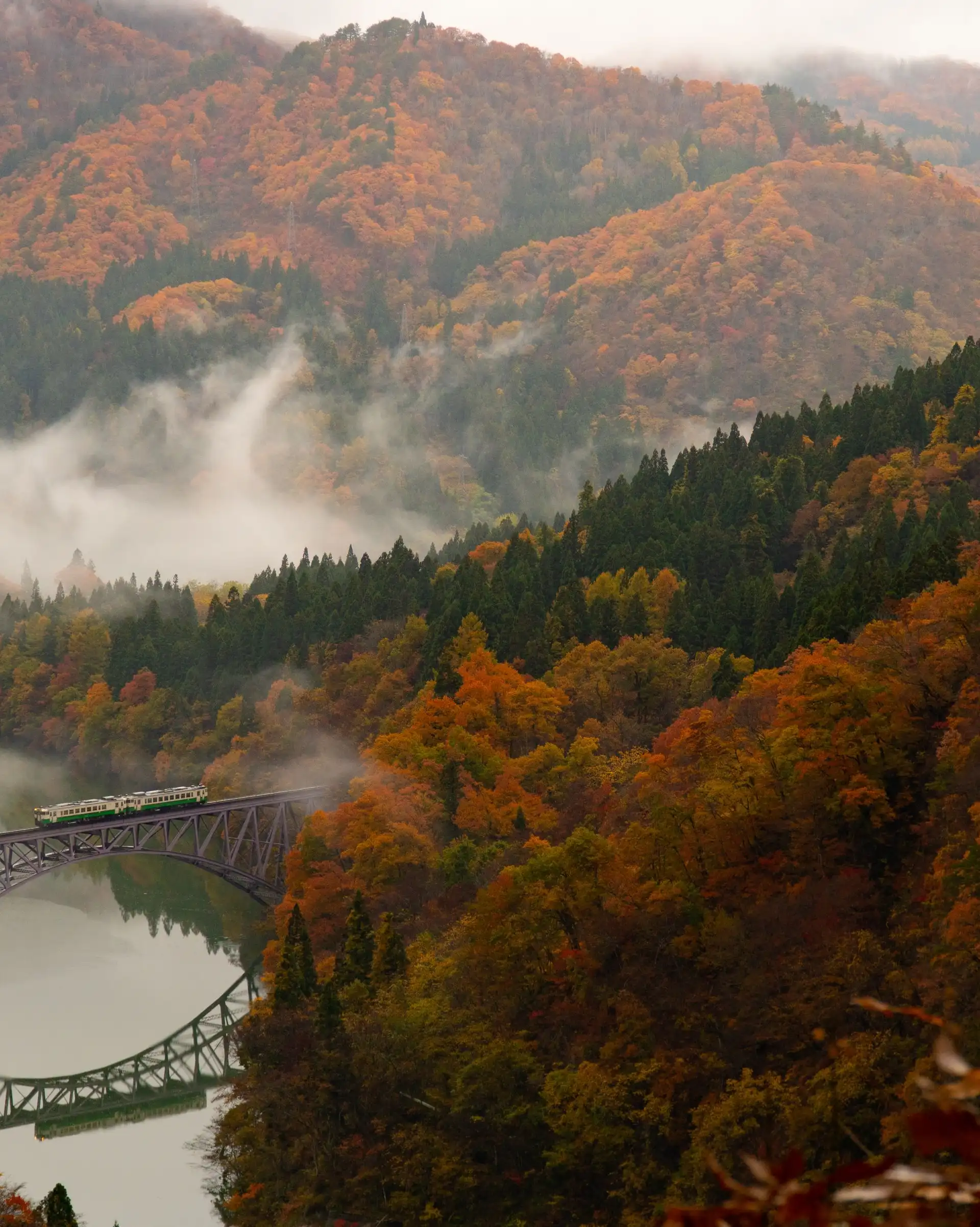
Spring and autumn are particularly popular thanks to their pleasant temperatures and beautiful scenery, especially during the cherry blossom season and autumn foliage season. Summer is better suited to certain activities, such as climbing Mount Fuji or enjoying a beach holiday in Okinawa, although temperatures can be high. In winter, you can enjoy snowy landscapes, Hokkaido’s ski resorts and numerous onsen.
Yes, travelling to Japan with children is entirely possible. Tokyo offers many activities suitable for children, while Nara is a great place to see the famous deer and Miyajima combines nature and cultural heritage. To avoid fatigue, however, it is best to limit hotel changes and plan less busy days between major sightseeing stops.
Subscribe and receive our travel inspirations and practical advice twice a month.

Wanting to share your trip with a group?








![Alignement de maisons de pêcheurs traditionnelles funaya au bord de l'eau dans le village de pêcheurs d'Ine au Japon[cite: 10].](https://dozjp40rj04ea.cloudfront.net/eyJidWNrZXQiOiJzaGFudGktc3RyYXBpLXVwbG9hZHMiLCJrZXkiOiJKYXBvbl9JbmVfVmlsbGFnZV8wMDk0MjE5MTYwLmpwZyIsImVkaXRzIjp7InJlc2l6ZSI6eyJmaXQiOiJjb3ZlciIsIndpZHRoIjoyNTZ9LCJ0b0Zvcm1hdCI6IndlYnAiLCJ3ZWJwIjp7InF1YWxpdHkiOjU1fX19)