Explore Japan's volcanoes
Discover a tour around Japan's volcanoes for a fascinating immersion into one of the archipelago's most iconic geological and cultural phenomena. Traveling to meet Japan's volcanoes means exploring the archipelago's natural wealth, understanding its age-old relationship with these giants, and enjoying unique experiences like relaxing in an onsen near a steaming caldera.
The Shanti Travel team - YJapan's most famous volcanoes
- Mount Fuji – Japan's iconic active volcano
- Mount Aso – one of the world's largest calderas
- Sakurajima – one of Japan's most active volcanoes
- Mount Unzen – volcanic landscapes and hiking
- Hakone – volcanic valleys and hot springsour travel expert
Volcanoes! These geological wonders that both frighten and fascinate!
The Japanese archipelago lies on the Pacific Ring of Fire and rests on four tectonic plates, resulting in intense seismic and volcanic activity. There are 110 active volcanoes in Japan, scattered throughout the archipelago, from Hokkaido to Kyushu. This omnipresent volcanic landscape profoundly shapes the environment: steep mountains, majestic calderas, and soils enriched by ancient lava flows. The Japanese have lived alongside these volcanoes for millennia, integrating their whims and benefits into their daily lives. One of their most cherished legacies is the culture of onsen, natural hot springs fed by volcanic geothermal energy, essential for relaxation and local social life.
Between natural hazards and the art of living
Japan's volcanoes reveal an astonishing diversity of forms and activity. Many of them, such as Sakurajima and Shinmoedake, are highly active and regularly produce explosive or Strombolian eruptions, generating thick columns of ash, spectacular pyroclastic flows (flaming clouds), and gas emissions. These phenomena shape the landscape, enrich the soil, and require constant adaptation from the inhabitants: wearing masks during ashfall, regular maintenance of infrastructure, and specific measures to channel flows or shelter the population.
Volcanoes and Japanese spirituality
Beyond the natural adventure, climbing a volcano in Japan is a true spiritual journey. In Shinto tradition, each volcanic mountain is a kami, a sacred spirit honored with shrines and specific ceremonies. Mount Fuji, a UNESCO World Heritage Site, embodies this unique connection between nature and the divine: a place of pilgrimage and a symbol of purity, it inspires meditation and the quest for self-transcendence. Many volcanoes, such as Mount Nantai, welcome pilgrims and hikers who come to purify themselves and honor the mountain during ritual ascents.
Let's take a quick look at some of the most well-known active volcanoes in Japan!
Hokkaido - Mount Daisetsuzan
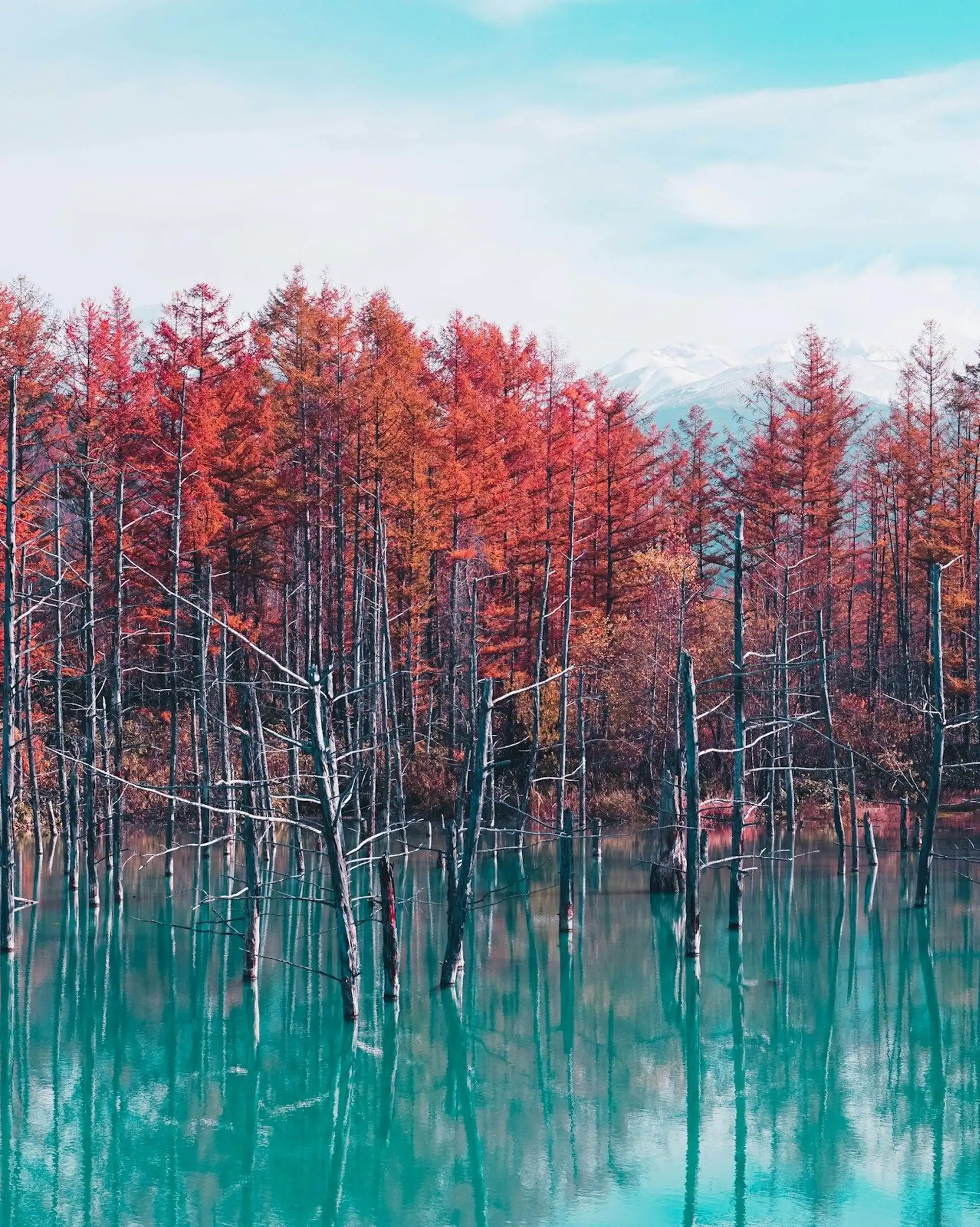
On the island of Hokkaido, Daisetsuzan National Park encompasses several sacred mountains. Mount Daisetsuzan, at 2,290 meters, last erupted in 1739. Other notable mountains include Mount Asahidake and Mount Tokachidake, the latter having experienced recent activity in 2004. These mountains are accessible during the warmer months, from June to September for experienced hikers, and sometimes until December for the more adventurous. The region is renowned for its hiking and trekking trails , offering stunning wilderness landscapes dotted with fumaroles and hot springs.
Shanti Travel Expert Advice :
Always remember to check trail conditions and any access restrictions before setting out. Even when the summits are open, it's recommended to be well-equipped (warm clothing, face mask to protect against ash) and to inform your loved ones of your itinerary.
Mount Fuji – world-famous
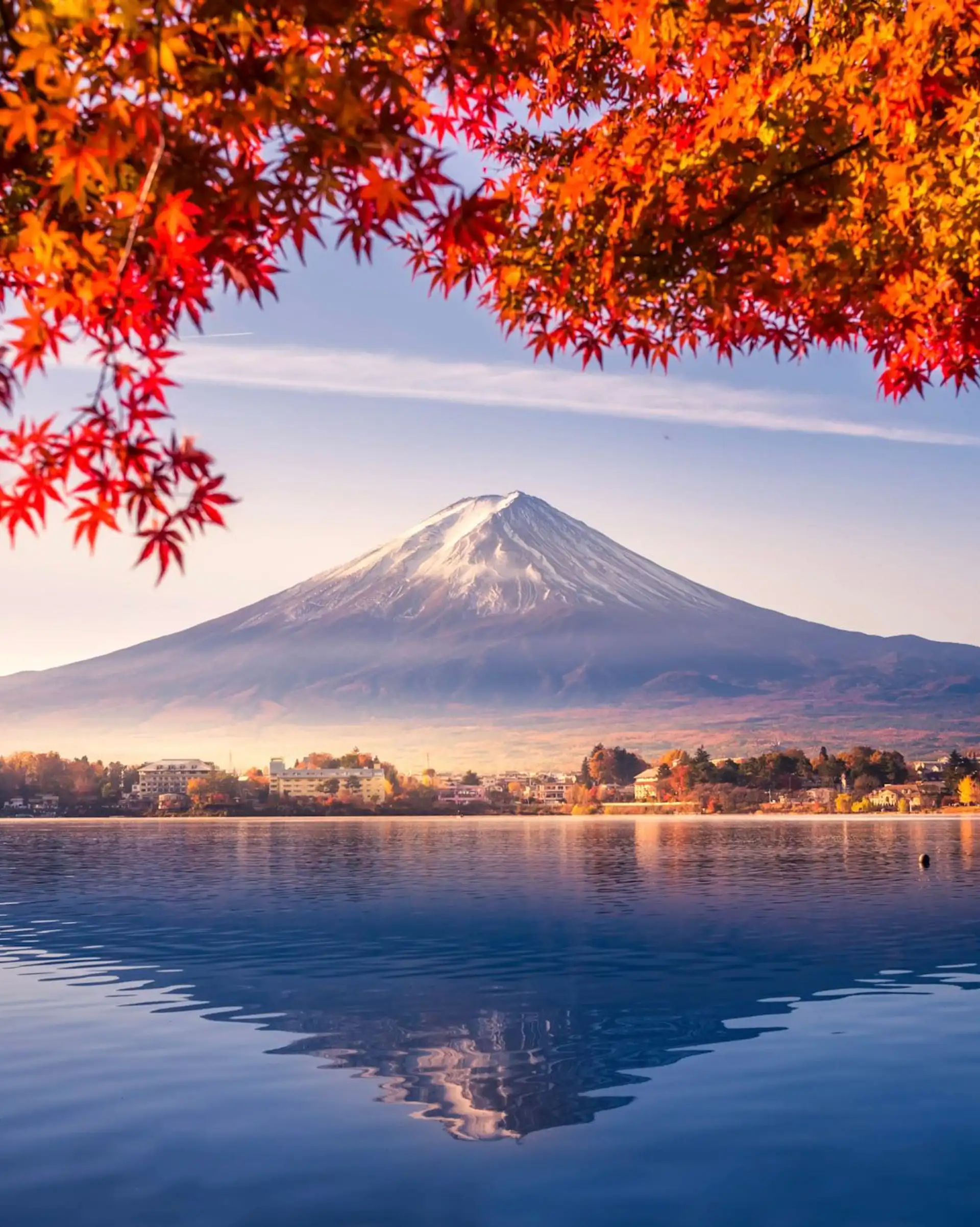
It's difficult to talk about volcanoes without mentioning the world-famous Mount Fuji. This perfectly symmetrical stratovolcano, dormant since 1707, is still considered active and potentially dangerous. A true icon of Japan, Mount Fuji attracts thousands of pilgrims and hiking enthusiasts every summer who come to climb it as a spiritual and physical exercise. It can also be viewed from numerous scenic viewpoints – from the Tokyo Skytree and Mount Takao to the shores of Lakes Fuji and Hakone.
Did you know that?
Climbing Mount Fuji is traditionally seen as a purification of the soul, and the ascent is marked by shrines where hikers pray for the protection of the kami.
Mount Unzen - Nagasaki Prefecture
Mount Unzen, a highly active volcano reaching a height of 1,483 meters, is infamous for its 1991 eruption, which claimed many lives. Its summit, Heisei Shinzan, was formed during this period of recent activity. Safe, marked trails allow visitors to explore the site today, making it an ideal complement to a relaxing soak in Unzen's onsen, which boasts exceptionally rich, mineral-rich waters. Here, volcanic nature is an integral part of the landscape and local culture.
Mount Aso – Kumamoto Prefecture
In the heart of Kyushu rises Mount Aso: one of the world's largest active calderas, surrounded by five distinct peaks (Naka-dake, Taka-dake, Neko-dake, Kijima-dake, and Eboshi-dake). Naka-dake's activity necessitates extreme vigilance: the site is accessible only during periods of heightened alert levels, and it is often advisable to prioritize hiking to the other, more stable peaks to admire the panorama.
Practical advice :
- Check the weather alert bulletins before your visit (Japan Meteorological Agency).
- Wear a mask or scarf to protect yourself from the gas (sulfur).
- Enjoy the park's various onsen for a guaranteed volcanic relaxation experience!
Sakurajima – Kagoshima Prefecture
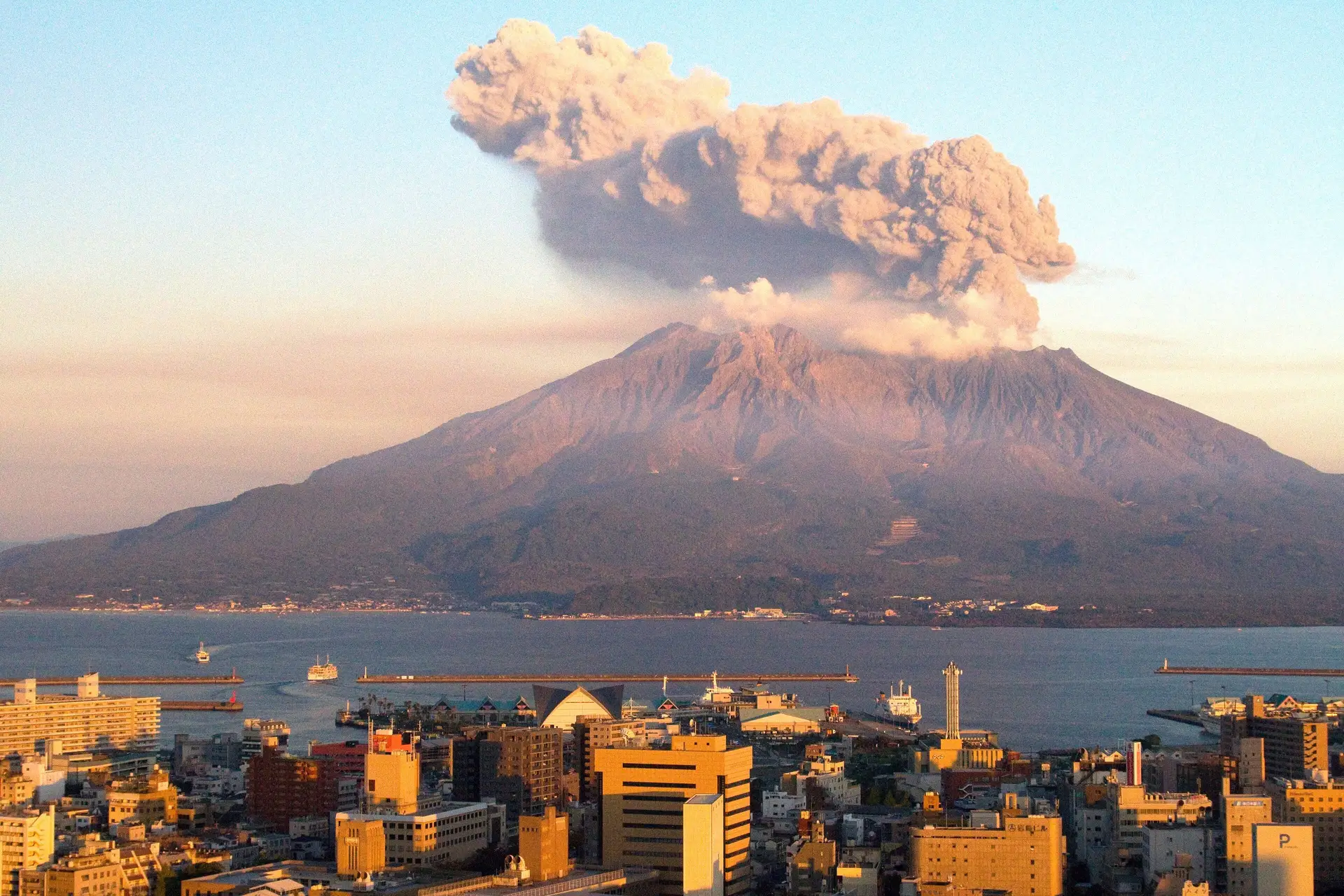
Sakurajima dominates Kagoshima Bay and impresses with its almost daily activity. This young cone (1,117 meters) regularly releases ash, punctuating local life, now organized around managing this phenomenon: fall shelters, automatic alerts, street cleaning… For visitors, admiring the volcano from a safe observation point remains an unforgettable experience. It is essential to consult official information regarding activity before any excursion.
Preparing to visit Japanese volcanoes: our expert recommendations
- Stay informed about alert levels and strictly adhere to restricted access areas. Restrictions may be imposed at any time depending on the activity.
- Equip yourself accordingly : covering clothing, masks for volcanic dust and gas, goggles, sturdy shoes.
- Plan your route : favour official routes, hire a guide if possible, and find out about local evacuation plans.
- Adapt your behavior : avoid lingering if there is ash falling, limit outdoor activities during periods of activity, always listen to the instructions of the authorities.
- Take full advantage of the local onsen for an authentic and safe experience, while immersing yourself in Japanese culture amidst landscapes shaped by fire and time.
Exploring Japan's volcanoes will reveal a powerful and foundational facet of Japanese culture, where adventure, spirituality, and respect for nature intertwine in every climb or onsen bath. At Shanti Travel, with over 20 years of expertise, we guide our travelers through these lands of contrasts, allowing them to experience Japan's volcanic magic safely and with respect for local traditions.
FAQ
- For northern regions like Hokkaido (Daisetsuzan) or the Japanese Alps, the ideal hiking window runs from July to September, when trails are free of snow. In Kyūshū (Mount Aso, Unzen, Sakurajima), the season is longer, but spring (April–May) and autumn (October–November) offer the mildest weather conditions, avoiding the intense summer heat and stifling humidity.
- The Japan Meteorological Agency (JMA) publishes real-time volcanic alert levels (ranked from 1 to 5) on its official bilingual website. Levels 2 and above trigger access bans within a perimeter ranging from 1 to several kilometers around the crater. Planning with a local agency allows you to adjust your hiking itinerary immediately if a volcano like Naka-dake (Aso) suddenly moves to a higher alert level.
- Active volcanic areas, particularly Mount Aso or Sakurajima, continuously release sulfur dioxide (SO2) and toxic gases. Individuals with asthma, bronchial conditions, or heart problems should avoid directly approaching fumarolic craters. For all visitors, wearing a dust mask or a damp scarf is strongly advised during light ash emissions.
- Mount Aso is easily accessible by train to Aso Station from Kumamoto (about a 1-hour and 15-minute ride on a limited express train). From there, local buses run regularly to the Aso-sanjo station. To continue toward other peaks or the more secluded hot springs within the caldera, arranging private transfers or regional passes is ideal so you don't have to rely on limited rural bus schedules.
- Onsen located in the immediate vicinity of an active volcano are directly heated by magma chambers and feature an exceptional mineral concentration (sulfur, iron, sulfate, sulfuric acid). These waters, sometimes colored or milky like those at Unzen Onsen or Noboribetsu, boast recognized therapeutic properties for the skin and joints, offering a much more intense thermal experience than conventional heated baths (sento).
- It is strictly prohibited to collect rocks, minerals, or soil in Japanese national parks (such as Kirishima-Kinkowan National Park) in order to protect the ecosystem. However, the city of Kagoshima offers legal and unique handcrafted souvenirs made from Sakurajima ash (ceramics, cosmetics, or exfoliating powders), allowing you to bring home a piece of this fascinating geology in full compliance with local regulations.