Your expert on destination Japan
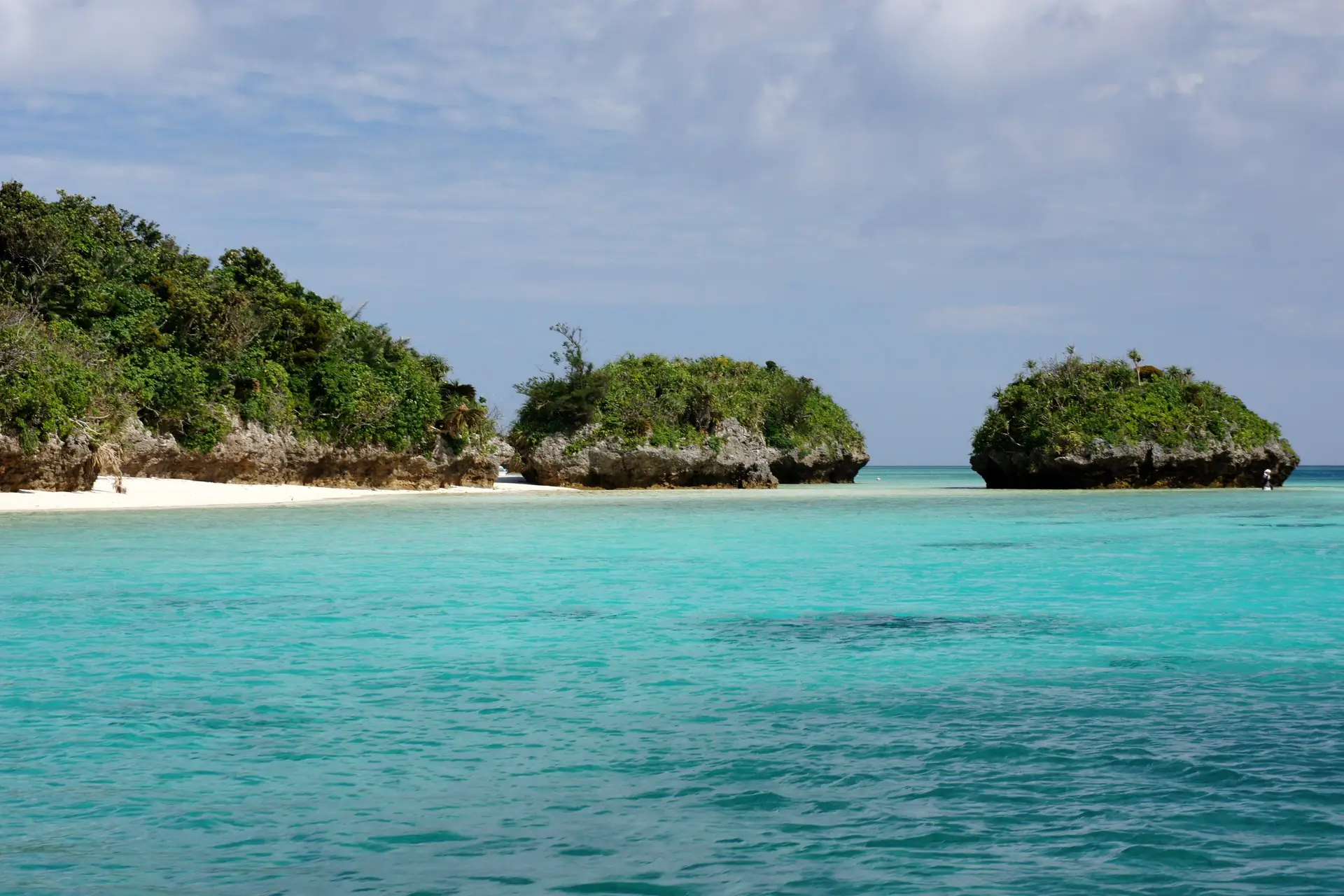
Discovering Japan's beaches means opening yourself up to a lesser-known side of the archipelago, where each coastline possesses its own unique atmosphere, tradition, and beauty. Planning a trip to Japan with a focus on beaches means enjoying stunning stretches of sand, often quite different from those found in Southeast Asia! Here is our expert and carefully curated guide to help you choose and savor the beaches that will make your Japanese holiday unforgettable.
In Japan, the relationship with the sea is governed by specific customs: the bathing season is officially opened by the traditional umi biraki ceremony ("opening of the sea"), marking a deep cultural respect for the ocean and the rhythm of the seasons. Japanese beaches are, for the most part, clean, well-maintained, and equipped with facilities that disappear during the off-season (showers, restrooms, changing cabins, and the famous temporary beach huts, umi no ie ). Discipline, calm, discretion, and respect for nature are the norm. Here, forget noisy parties and loud music: the atmosphere is peaceful, conducive to rest and contemplation, even on popular beaches.
| Appearance | Japanese beaches | Southeast Asian Beaches |
|---|---|---|
| Atmosphere | Calm, respectful | Festive, lively |
| Beach season | Official, short | Longer, more flexible |
| Attendance | Essentially local | Touristy, often dense |
| Infrastructure | Temporary, seasonal | Permanent, varied |
| Cleanliness/rules | Very strict | More flexible depending on the destination |
| Activities | Surfing, snorkeling, relaxation | Water sports, parties, etc. |
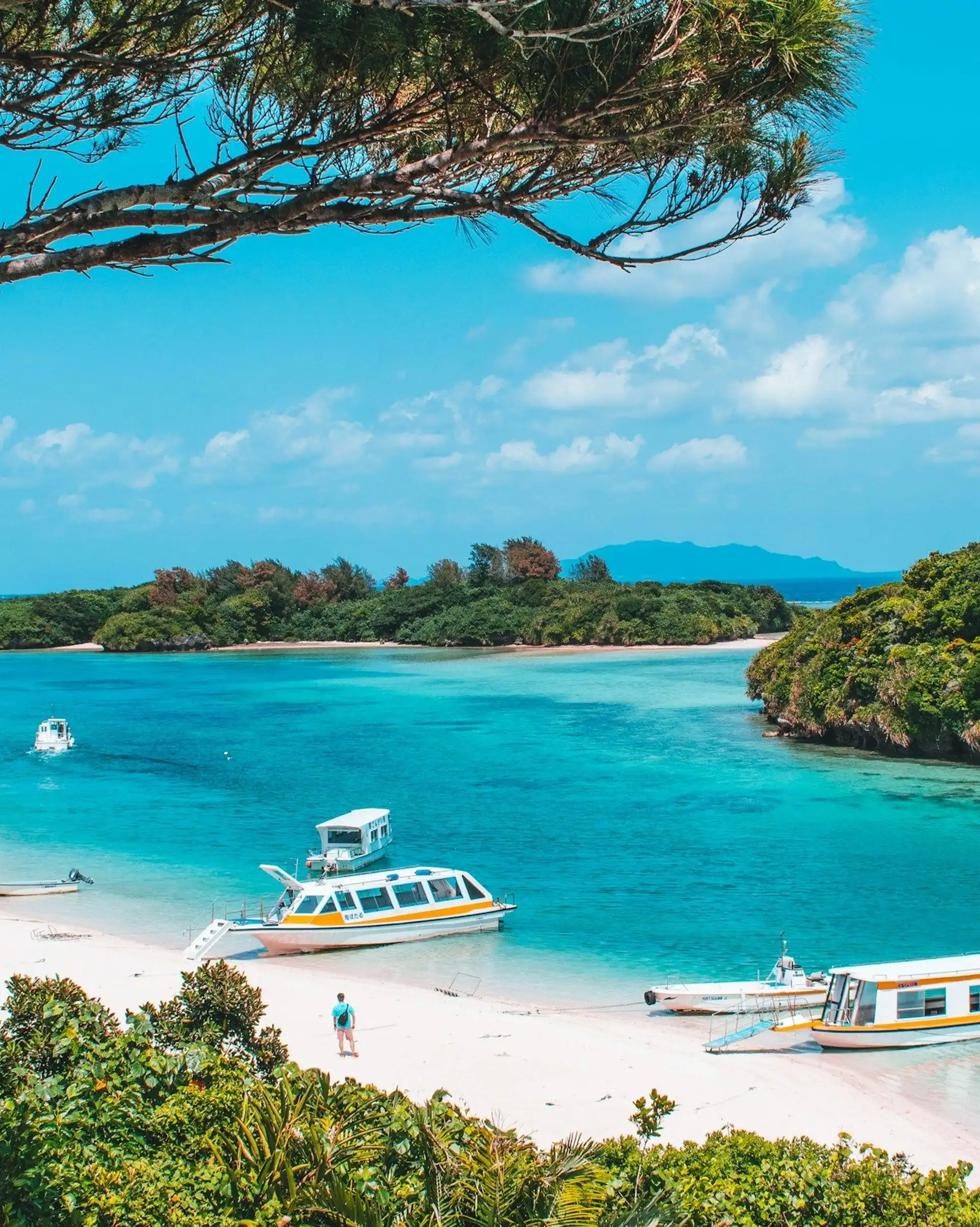
Located in the heart of a subtropical climate, Emerald Beach captivates with its pristine white sand and turquoise waters protected by a coral reef. Swimming is possible from March to October: be aware of jellyfish season (June to early October), when nets are installed to protect the area. Wearing a rashguard and sandals is recommended. Facilities include showers, restrooms, summer cabanas, and close supervision. Perfect for snorkeling, provided you respect the delicate marine life. Tranquility reigns supreme, a welcome contrast to the lively tropical beaches.
A paradise for snorkeling and diving, Miyako-jima invites you to discover hidden beaches, coral-fringed coves, and lagoon-blue waters. It's easily accessible by plane from Okinawa or Tokyo. Take care when swimming, especially outside of peak season or in unsupervised areas. The ideal time to visit is from March to October. Respect for tranquility and nature is paramount: here, visitors come as much to explore as to immerse themselves in the wild and silent beauty.
For a change from the seaside, head to the freshwater beach of Omi Maiko, on the shores of Japan's largest lake. Swimming is permitted in the summer when lifeguards are on duty (July and August). While facilities are limited, the environment is pristine and the waters are cool, making it perfect for hot weather. It gets very busy on weekends, so choose your time wisely (mornings, outside of school holidays) for a more peaceful experience. An ideal addition to any trip to Kyoto or Osaka.
Renowned for its 7km stretch of white sand, Yonaha Maehama is a must-see. Supervised swimming is available depending on the season (March to October), and there are numerous summer facilities. The water is warm and calm, providing ideal conditions for relaxation or activities such as beach volleyball or walking along the beach… while avoiding the peak August crowds. Lifeguards and jellyfish nets are in place.
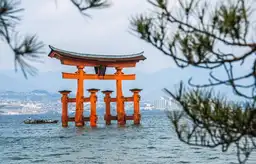
The most popular beach near Tokyo, stretching for about 800 meters, draws crowds as soon as the weather warms up. The swimming season is very short (July to August), with facilities and lifeguards on duty. Outside of these months, the beach is much quieter and swimming is unsupervised. A true gem: the torii gate perched on its rock, creating a unique setting. Perfect for a breath of fresh air, a spring or autumn swim away from the crowds.
More secluded, Naoshima Beach combines summer swimming, contemporary art, and nature walks. Facilities are only available during the high season, with lifeguards on duty from July to August: ideal for families, those seeking tranquility, and those interested in cultural experiences.
By trusting Shanti Travel, you will benefit from personalized support to discover Japanese beaches while respecting their traditions, at a pace that suits you.
Unlike enclosed spaces such as onsen or private pools, most public beaches allow tattoos to be displayed. However, at popular family seaside resorts like Shirahama (Izu) or Zushi (Kanagawa), local municipal ordinances request that visitors cover visible tattoos with a t-shirt, a rashguard, or a towel to respect family sensibilities and preserve the peaceful atmosphere of the area.
To explore secondary islands such as Ishigaki, Miyako-jima, or Iriomote, flying remains the fastest option thanks to frequent domestic flights operated by Japan Airlines (via its subsidiary JTA) out of Naha Airport. Once you arrive in the Yaeyama or Miyako archipelagos, regular ferries connect the smaller islands. It is strongly recommended to book these ferry and flight connections well in advance when planning your custom itinerary during the summer period.
To add a coastal touch to a classic itinerary without taking major detours, the city of Atami and the Kamakura/Enoshima coast are ideal. Atami, directly accessible by Shinkansen from Tokyo in under 45 minutes, combines a large swimming beach, summer fireworks, and hot springs with ocean views. It is the perfect stopover for a seaside break without disrupting the pace of your trip.
Subscribe and receive our travel inspirations and practical advice twice a month.

Wanting to share your trip with a group?