Your expert on destination Japan
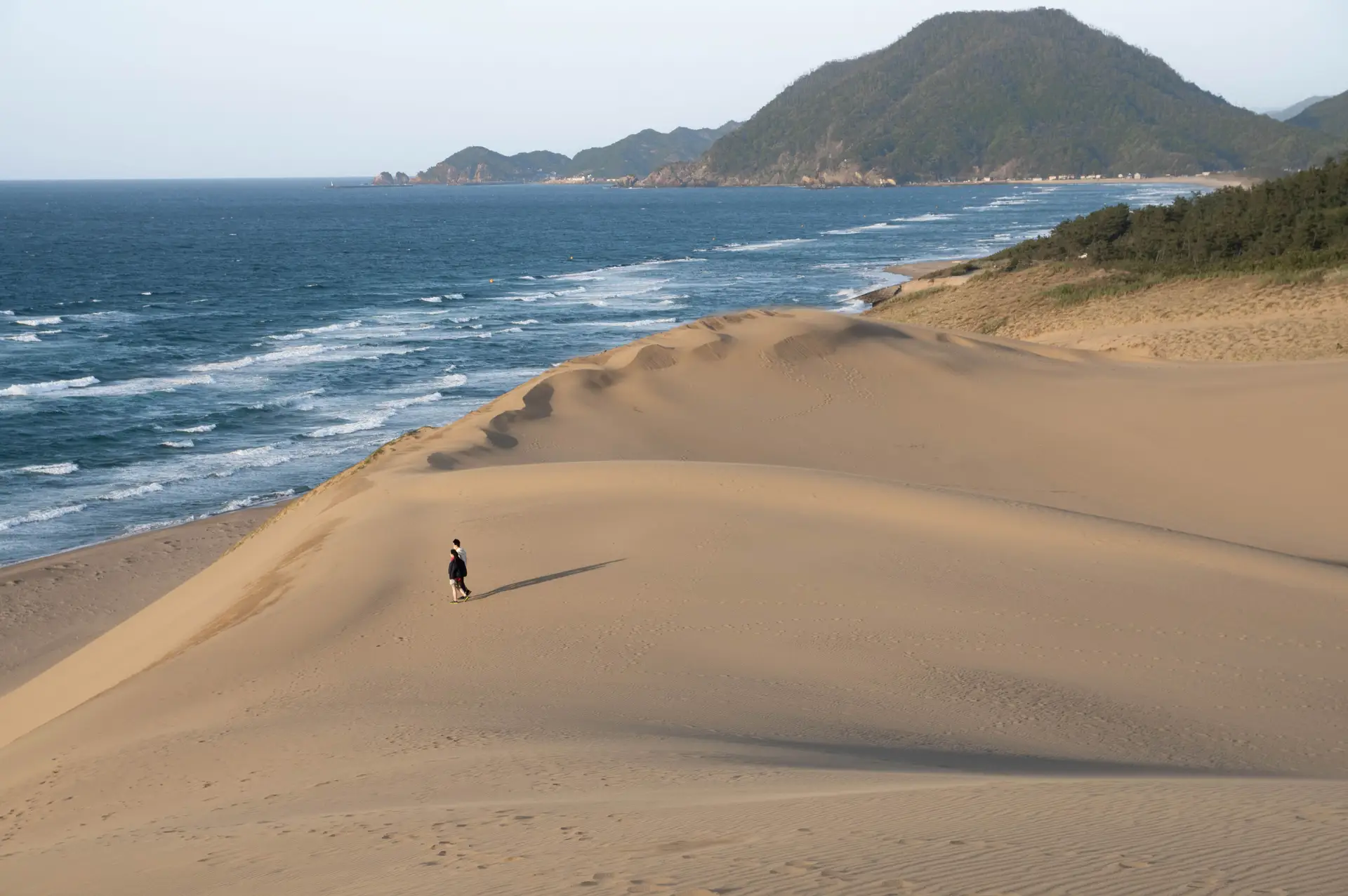
Exploring Japan's geography means discovering an archipelago where mountains, coastlines, islands and remarkable natural environments have shaped both the country's biodiversity and the daily lives of its people. From the snow-covered peaks of the north to the subtropical beaches of the south, every region offers a different landscape and climate, making every trip to Japan unique.
Known as the Land of the Rising Sun, Japan is an archipelago made up of 6,852 islands scattered across the Pacific Ocean. Only around 430 islands are inhabited, with most of the population living on the country's four main islands: Hokkaido, Honshu, Shikoku and Kyushu. Together they form nine geographical regions, alongside Okinawa, whose unique history and subtropical climate set it apart. Stretching over 3,300 km (2,050 miles) from north to south, Japan offers exceptional geographical and climatic diversity, from the Russian Far East to northern Taiwan.
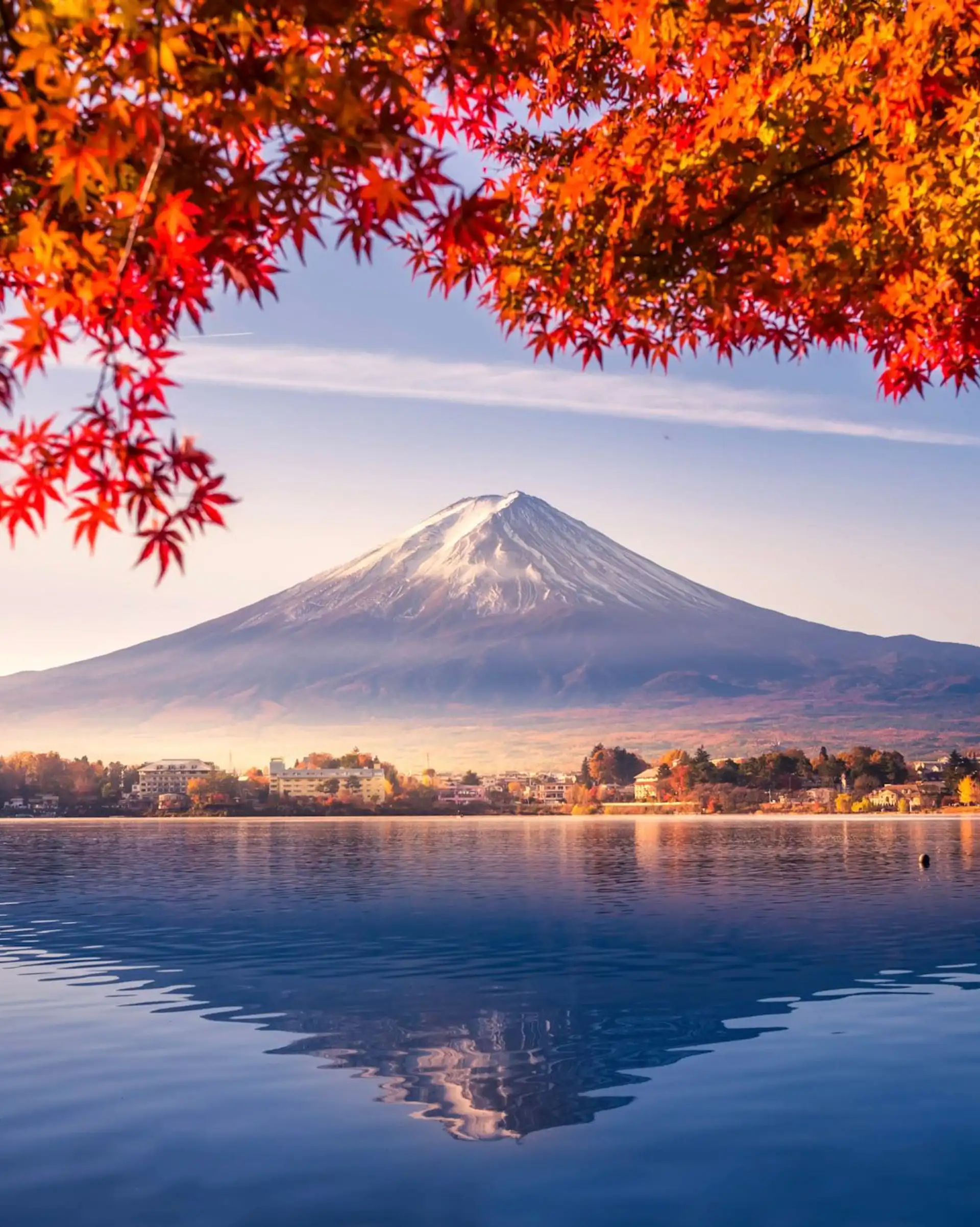
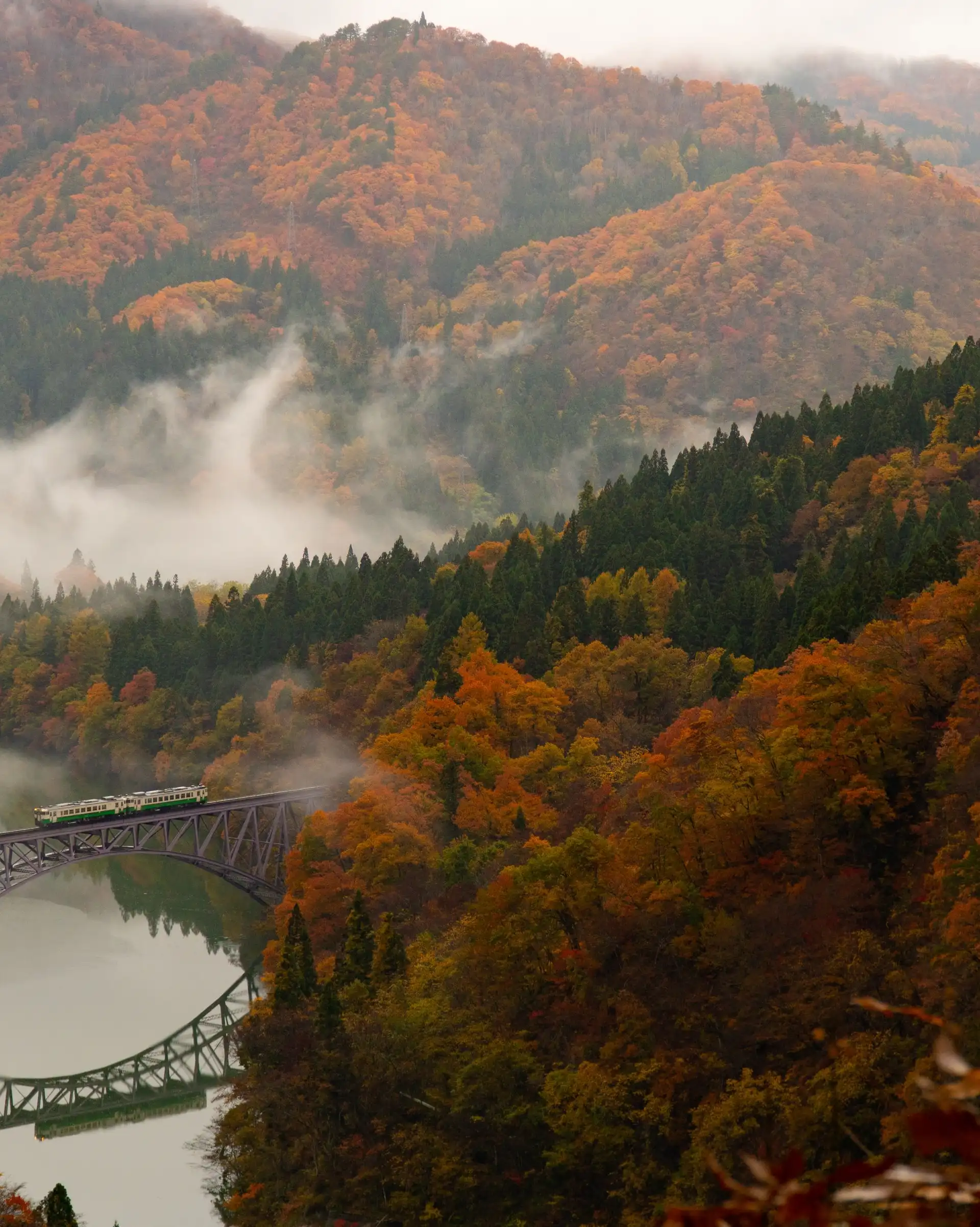
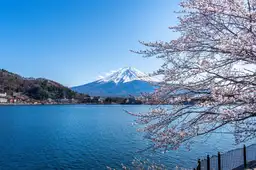
Around 71% of Japan's landmass is covered by mountains. These spectacular landscapes are home to vast forests and an exceptionally rich biodiversity. Mount Fuji (3,776 m / 12,388 ft), Japan's highest peak and national symbol, dominates the Chubu region. The Japanese Alps, located in central Honshu, extend for more than 1,800 km, receiving up to six metres of snow each winter. This heavy snowfall feeds powerful rivers, impressive waterfalls and a remarkable variety of microclimates.
Japan is also one of the world's most active volcanic regions, with more than 110 active volcanoes spread throughout the archipelago. Among the best known are:
Many of Japan's mountains and volcanoes can be explored via well-maintained hiking trails, offering unforgettable experiences for travellers interested in nature and outdoor adventure, as highlighted in our guide to trekking in Japan.
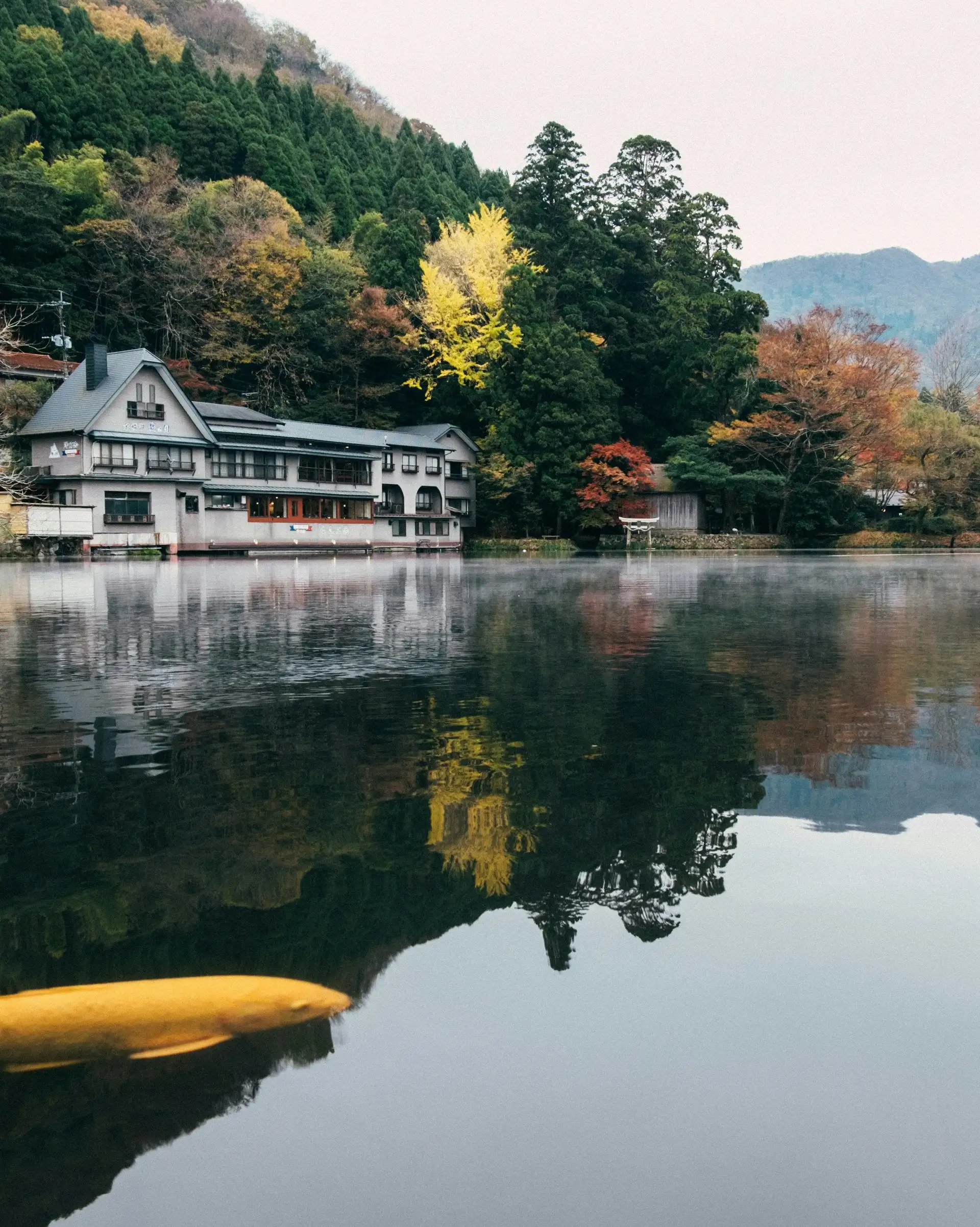
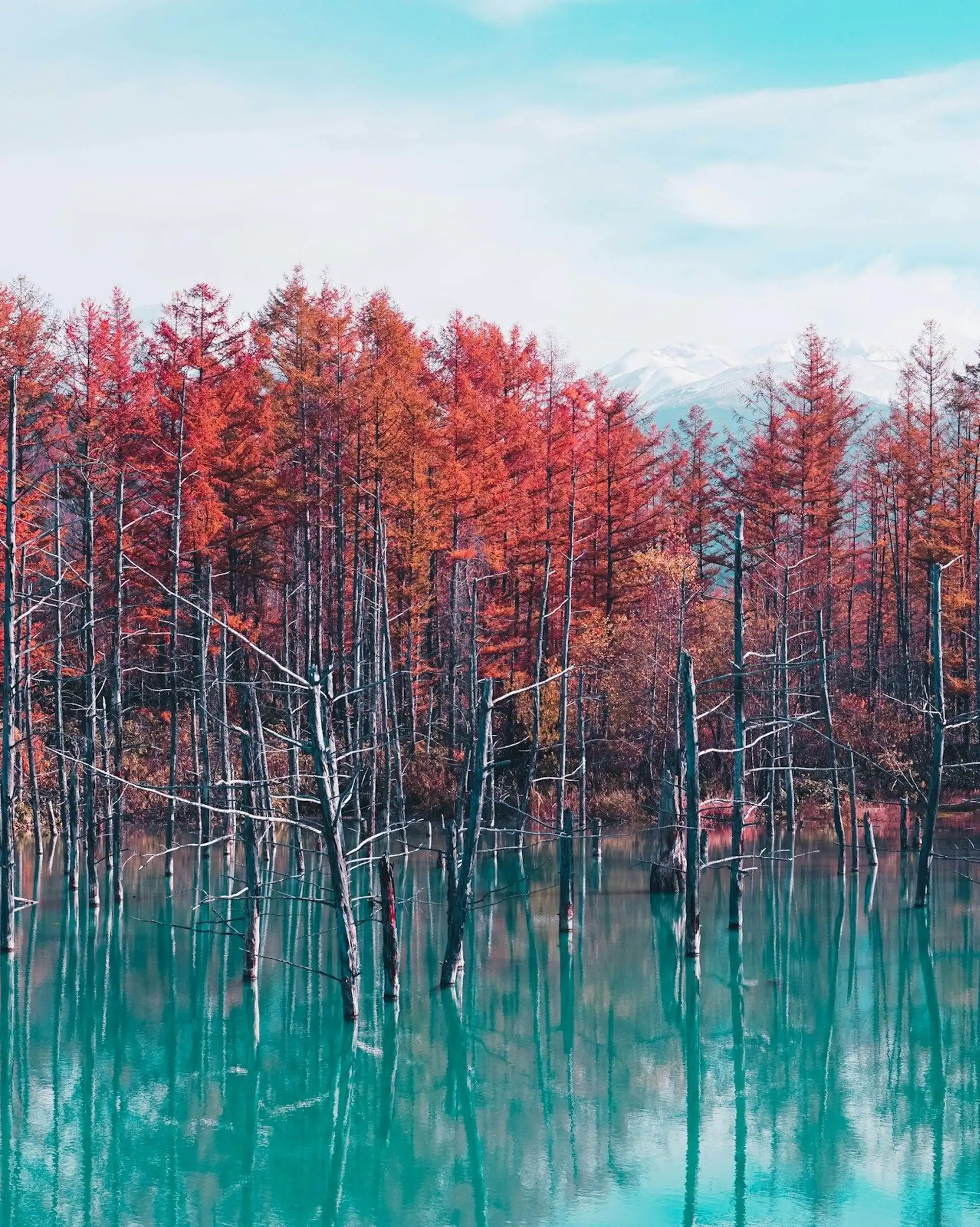
Japan's varied geography has created countless lakes and wetlands, which play a vital role in preserving the country's biodiversity. Lake Biwa, Japan's largest freshwater lake near Kyoto, and Lake Tazawa, famous for its crystal-clear waters, are surrounded by forests and mountain ranges, offering spectacular scenery throughout the year. Further north, the Kushiro Wetlands in Hokkaido provide a protected habitat for numerous wildlife species, including the iconic Japanese red-crowned crane.
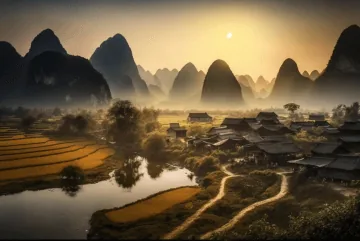
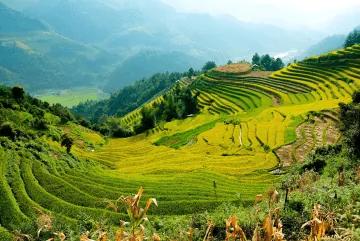
The combination of abundant freshwater resources and rugged terrain has also shaped traditional farming practices. Since flat land is scarce, many rural communities developed terraced rice fields, adapting agriculture to the mountainsides. These landscapes remain among Japan's most beautiful cultural and natural treasures.
Although Japan's climate is generally classified as temperate, the country's north-to-south extension and mountainous terrain create an impressive variety of microclimates. Each region has its own weather patterns, landscapes and seasonal experiences.
These climatic differences have shaped daily life throughout Japan. Local architecture, seasonal clothing, agricultural traditions, regional cuisine and even festivals are closely linked to the surrounding environment. In late spring, rice paddies fill the plains, while winter transforms the Japanese Alps into a paradise of snow festivals, skiing and relaxing onsen.
Surrounded by the Sea of Japan and the Pacific Ocean, Japan's maritime territory is made up of thousands of islands, bays and coral reefs. Two major ocean currents shape the country's marine ecosystems.
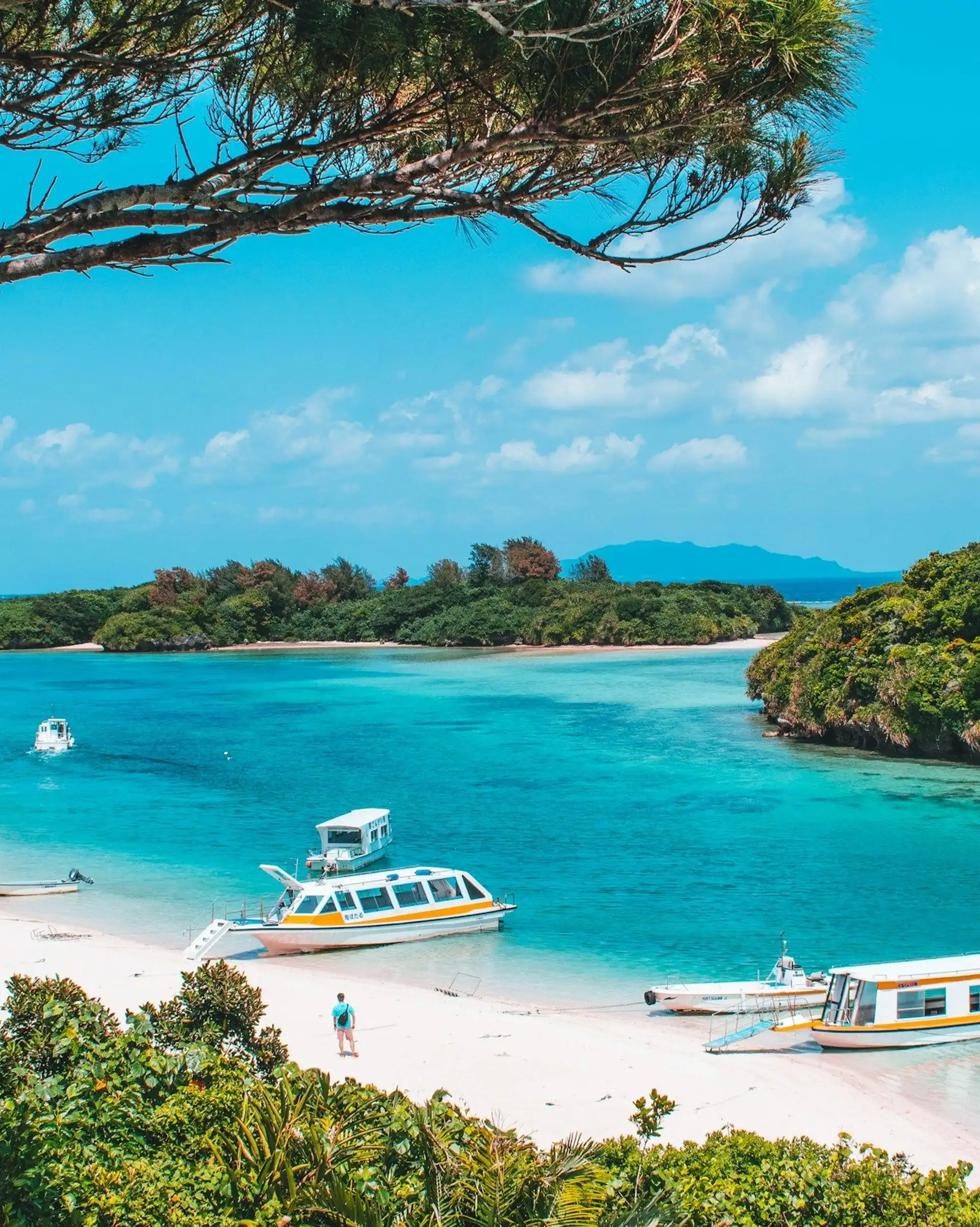
The Kuroshio Current, a warm current flowing north from the tropics, encourages the growth of coral reefs and supports the rich marine life found in southern Japan, particularly around Okinawa.
The Oyashio Current, which flows south from the Arctic, brings cold, nutrient-rich waters that sustain one of the world's richest fishing grounds. Where these two currents meet, an exceptional marine biodiversity flourishes, providing Japan with an extraordinary variety of seafood that has become a cornerstone of its culinary culture.
Japan lies at the junction of four tectonic plates, placing it within the Pacific Ring of Fire, one of the world's most active seismic and volcanic zones. Every year, around 1,200 significant earthquakes are recorded across the country.
Rather than fighting against nature, Japan has learned to live with it. Strict building regulations, earthquake-resistant architecture, sophisticated early warning systems and resilient infrastructure have become part of everyday life. This constant interaction with natural hazards has shaped both Japanese engineering and a culture built on preparedness, resilience and respect for nature.
Exploring Japan's geography means discovering far more than mountains, islands and coastlines. It is an opportunity to understand how nature has shaped Japanese society, culture and traditions for centuries. Each region offers its own landscapes, climate and way of life, making every journey through Japan completely different.
Thanks to its local expertise and in-depth knowledge of the country, Shanti Travel creates tailor-made itineraries that showcase Japan's incredible geographical diversity, from the active volcanoes of Hokkaido to the terraced rice fields of Shikoku and the coral islands of Okinawa.
Subscribe and receive our travel inspirations and practical advice twice a month.

Wanting to share your trip with a group?