Your expert on destination Japan
For anyone looking for a memorable adventure in the Land of the Rising Sun, here are ten quintessentially Japanese reasons why this destination is truly unique and captivating. Discover a trip to Japan with Shanti Travel, designed to immerse you in the very essence of this culture while benefiting from our local expertise.
No matter which foreign country you visit, there will always be differences compared to France! But let's just say that when you go to Japan, the level of culture shock is at its maximum; some even speak of it as a culture shock! Indeed, everything is different: social norms, fashion, food, landscapes, culture, architecture. Japan, despite its Chinese and Korean influences, remained isolated for a long time. Over the centuries, it has thus developed some truly remarkable characteristics: ritualized politeness, a strong sense of community, and a keen respect for cleanliness and punctuality.
Beyond the constant contrast between tradition and modernity—where one can go from a Shinto shrine to an ultramodern skyscraper in minutes—it is the attention paid to the beauty of every daily gesture that strikes the traveler. Savor the peaceful atmosphere of the shrines, lose yourself in Tokyo's electrifying arcades, discover the refinement of the service, and allow yourself to be carried away by a society with subtle codes. For travelers, every interaction becomes a source of wonder and an invitation to reflect on their own habits.
Japan is an excellent destination!
Still relatively unknown to the French, Japanese cuisine reveals exquisitely refined flavors and an inventiveness that shines through in every region. Beyond the famous raw fish and rice, Japan offers the richness of kaiseki menus in ryokan (traditional Japanese inns), vegetarian Buddhist cuisine ( shojin ryori ) in temples, and street food specialties like yakitori, takoyaki, and locally raised Wagyu beef. Those with a sweet tooth will appreciate the subtle sweets made with red bean paste or green tea.
Don't hesitate to sample artisanal sakes, exceptional teas, or learn about sake tasting in a traditional brewery. Moreover, attending a tea ceremony is an experience that is as much about food as it is about spirituality, as the ritual, the beauty of the gestures, and the tranquility of the moment are truly unique in the world.
The art of dining follows certain codes: meticulous presentation, delicate use of chopsticks, and respect for silence during meals are all aspects that reflect Japanese refinement. By staying in a ryokan, you will discover all the specificities of a typical Japanese meal!
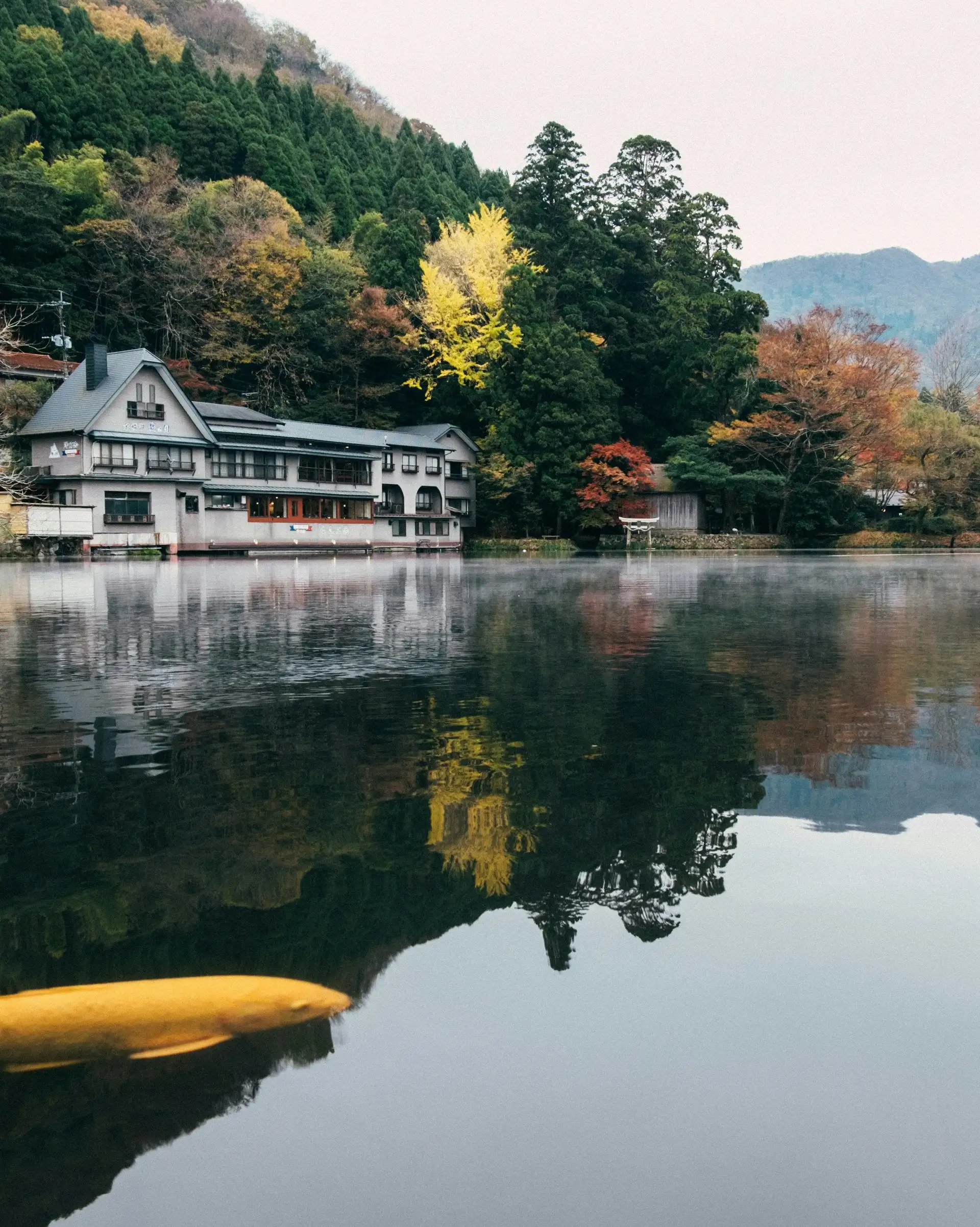
Ryokan are traditional and typical inns , often family-run, perpetuating the tradition of Japanese hospitality ( omotenashi ) for generations. From the moment you arrive, a whole way of life unfolds before you: you take off your shoes, put on a yukata (light kimono), then relax in an onsen bath ( natural hot spring) before enjoying a kaiseki dinner, a true culinary masterpiece.
Staying in a ryokan means immersing yourself in the tranquility of a natural setting, falling asleep on a futon in a tatami room, enjoying Zen gardens, and exploring architecture that respects the harmony between humankind and nature. A precious moment for all travelers seeking authenticity and timeless experiences.
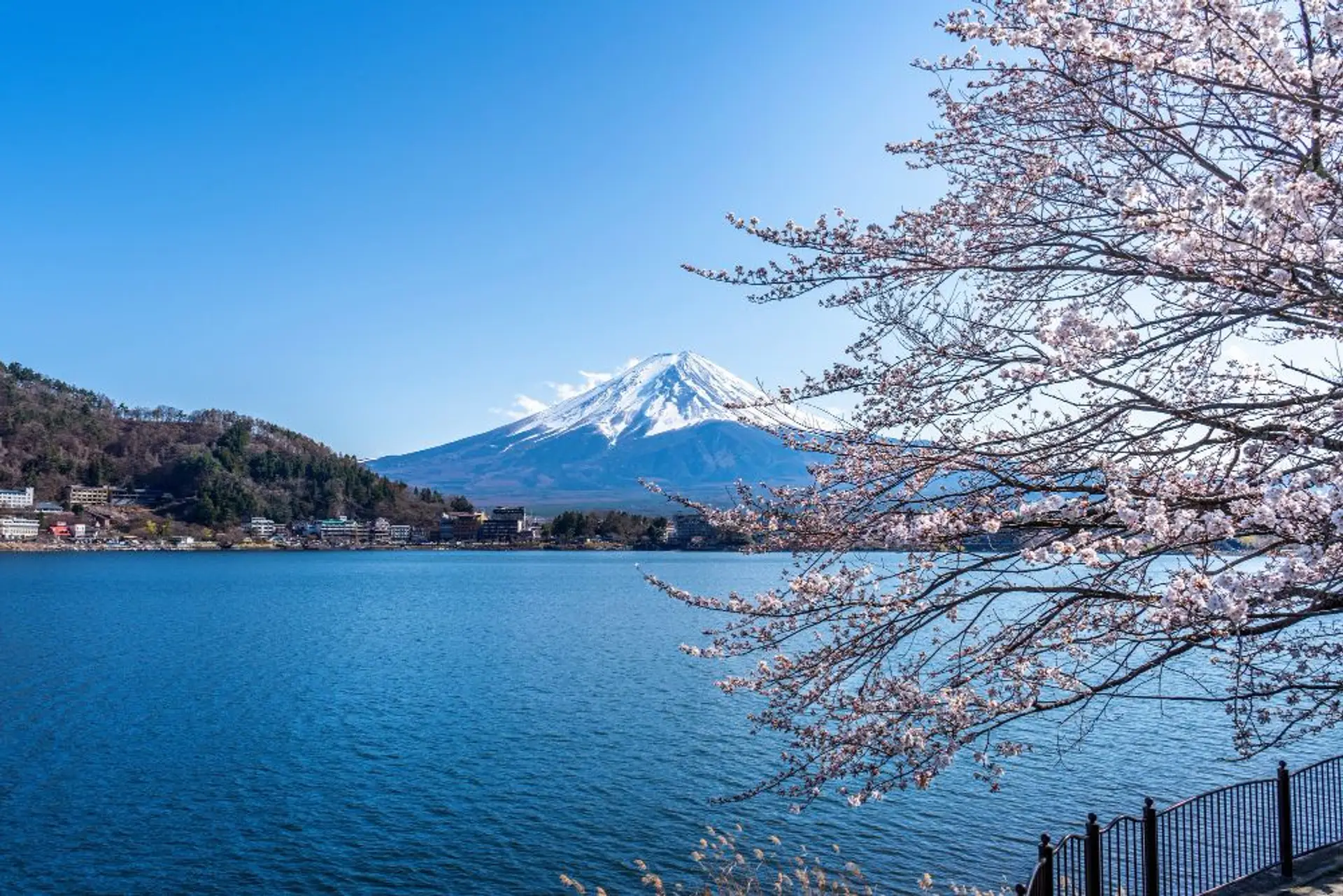
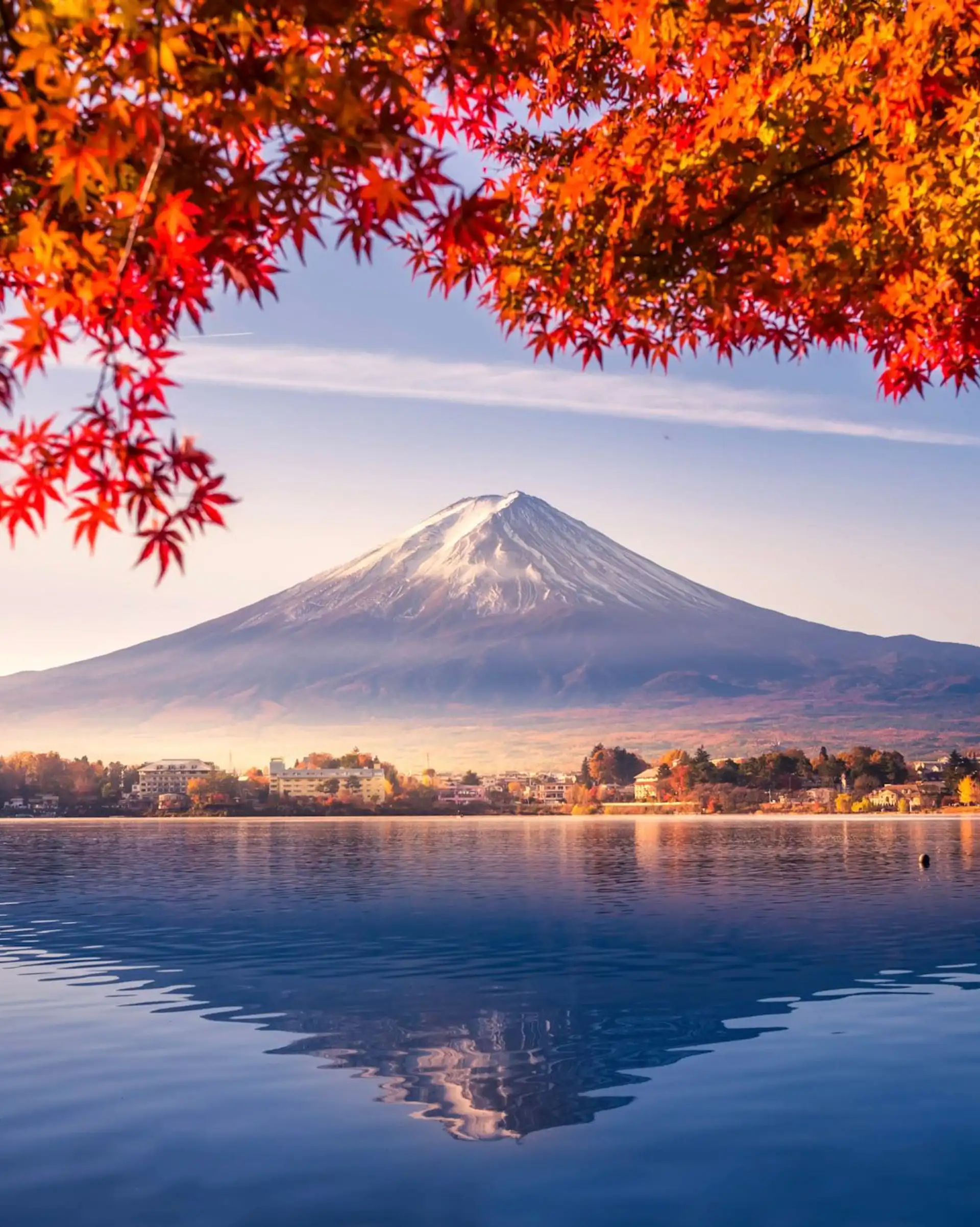
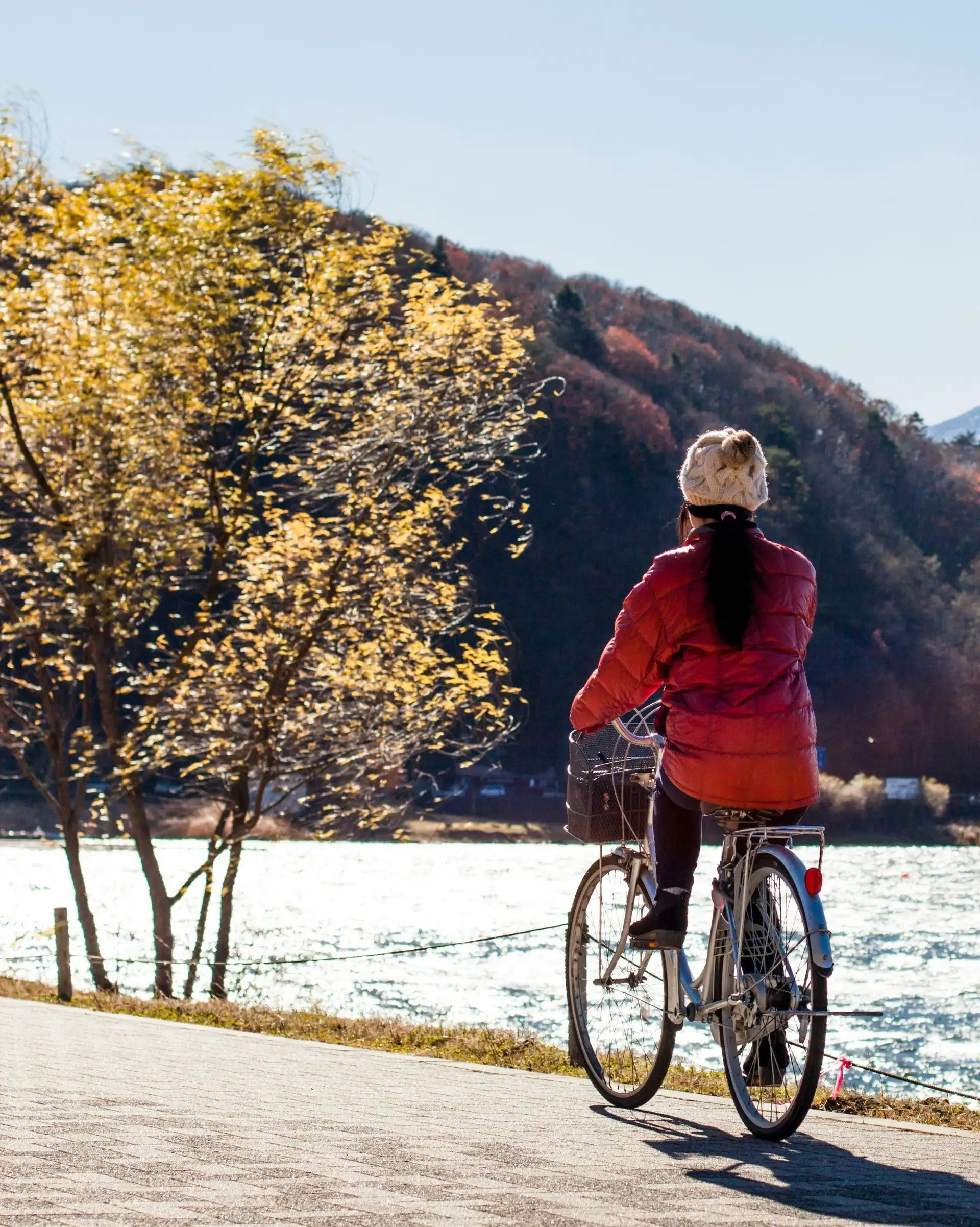
Mount Fuji, or Fujisan , dominates the Japanese collective imagination and stands as the most famous volcano in the world . A true icon, it is omnipresent in everything from ancient prints to contemporary pop culture. Its sacred summit attracts pilgrims, artists, and athletes: climbing Mount Fuji in peak season, accompanied by Japanese people of all ages, is a rite of passage as well as a formidable physical challenge.
Even without climbing it, simply gazing at it from the surrounding lakes or villages, at sunrise or under a blanket of snow, is an unforgettable experience. It's the perfect opportunity to connect with the respect for nature, a value deeply rooted in Japanese culture.
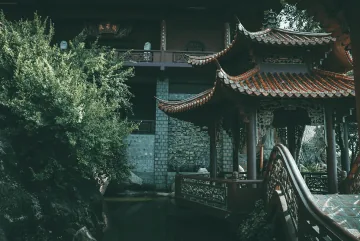
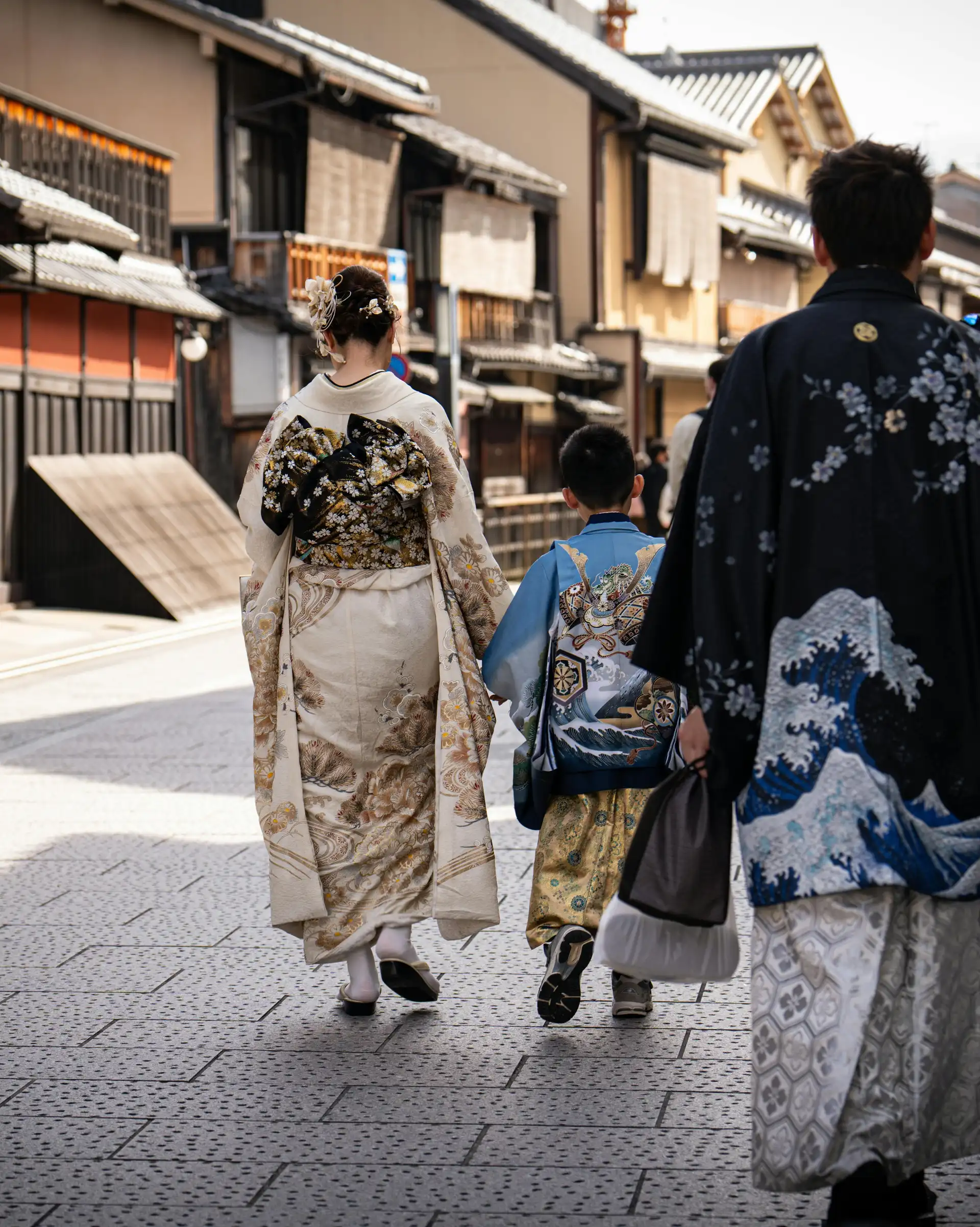
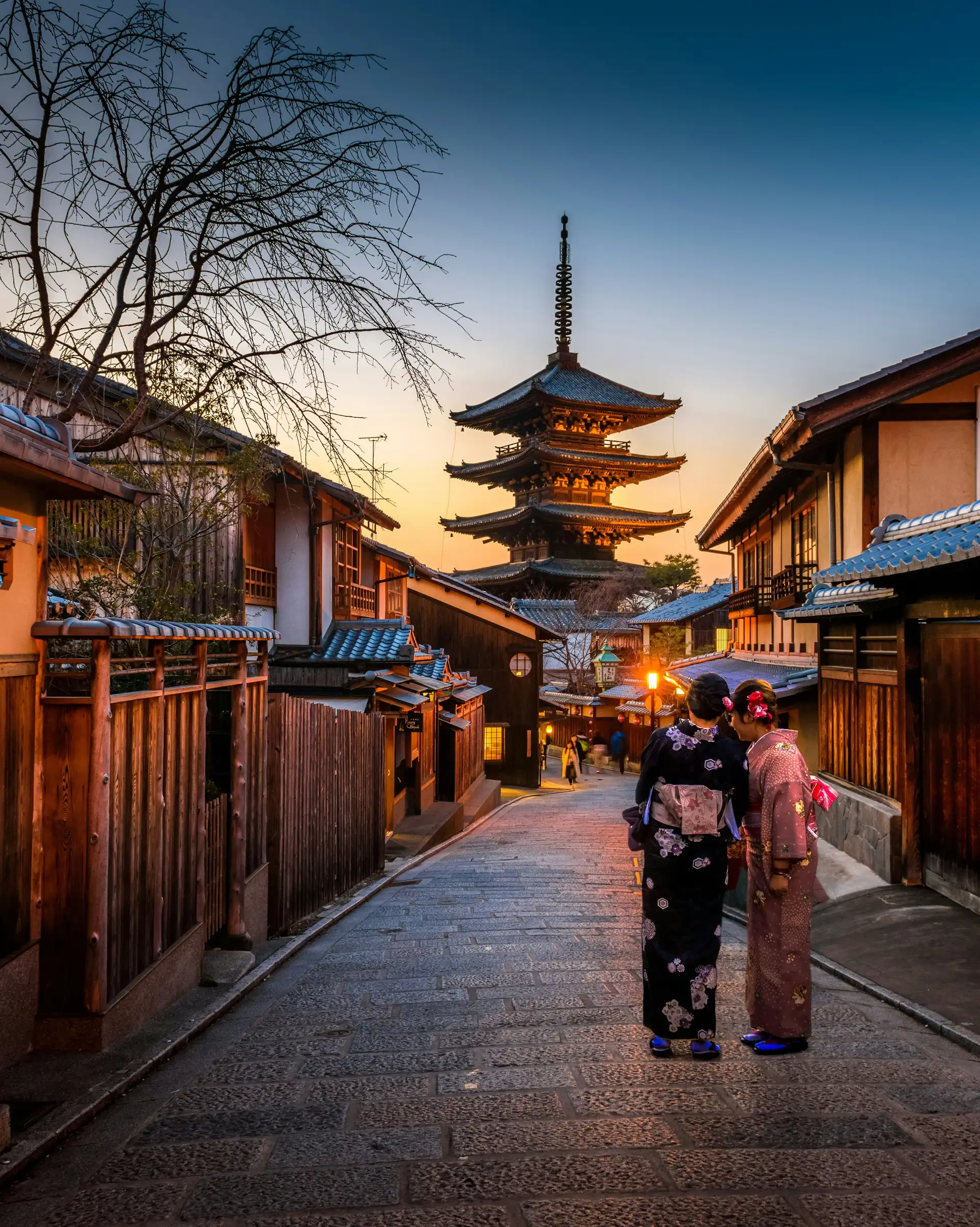
Kyoto embodies the quintessence of Japanese refinement. In addition to its many UNESCO World Heritage sites, its old quarters immerse the visitor in centuries of living traditions: tea ceremonies, Maiko dances , meditation in superb dry gardens.
Wander through the narrow streets of Gion, pass through the red gates of Fushimi Inari, or meditate before the Golden Pavilion… For the more curious, some artisans are happy to reveal the ancient art of lacquerware or Nishijin weaving. It's also not uncommon to witness a vibrant local festival; a rare immersion, far from the crowds.
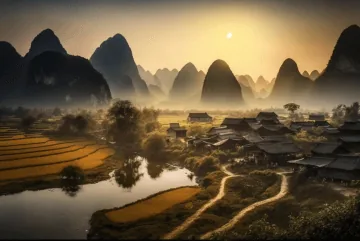
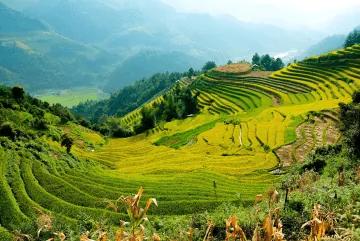
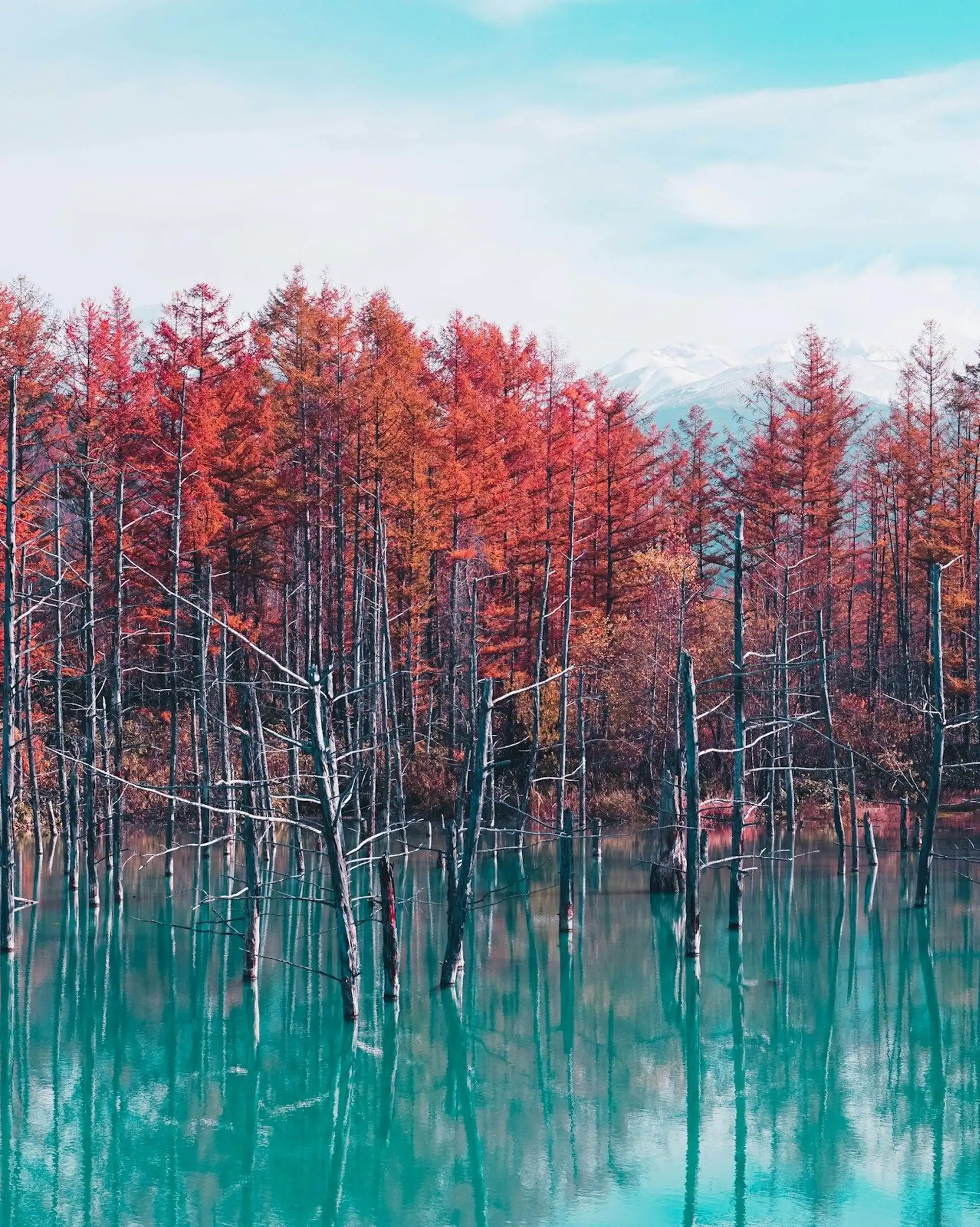
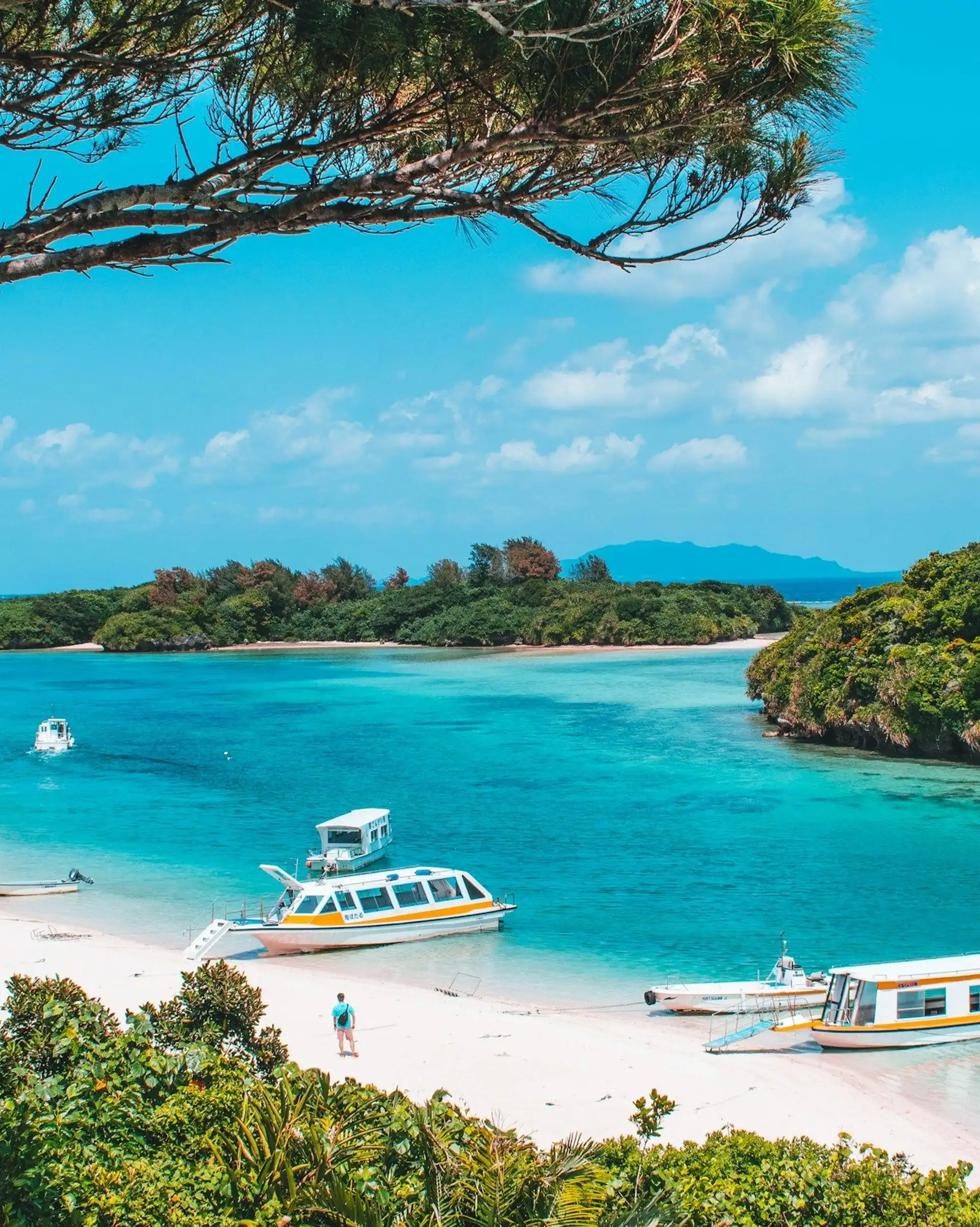
Thanks to its climate stretching from north to south, Japan offers an incredible variety of landscapes and natural phenomena: bamboo forests, mountain hot springs, terraced rice paddies, and tropical beaches. You can enjoy exceptional natural beauty , and each season presents a new vista.
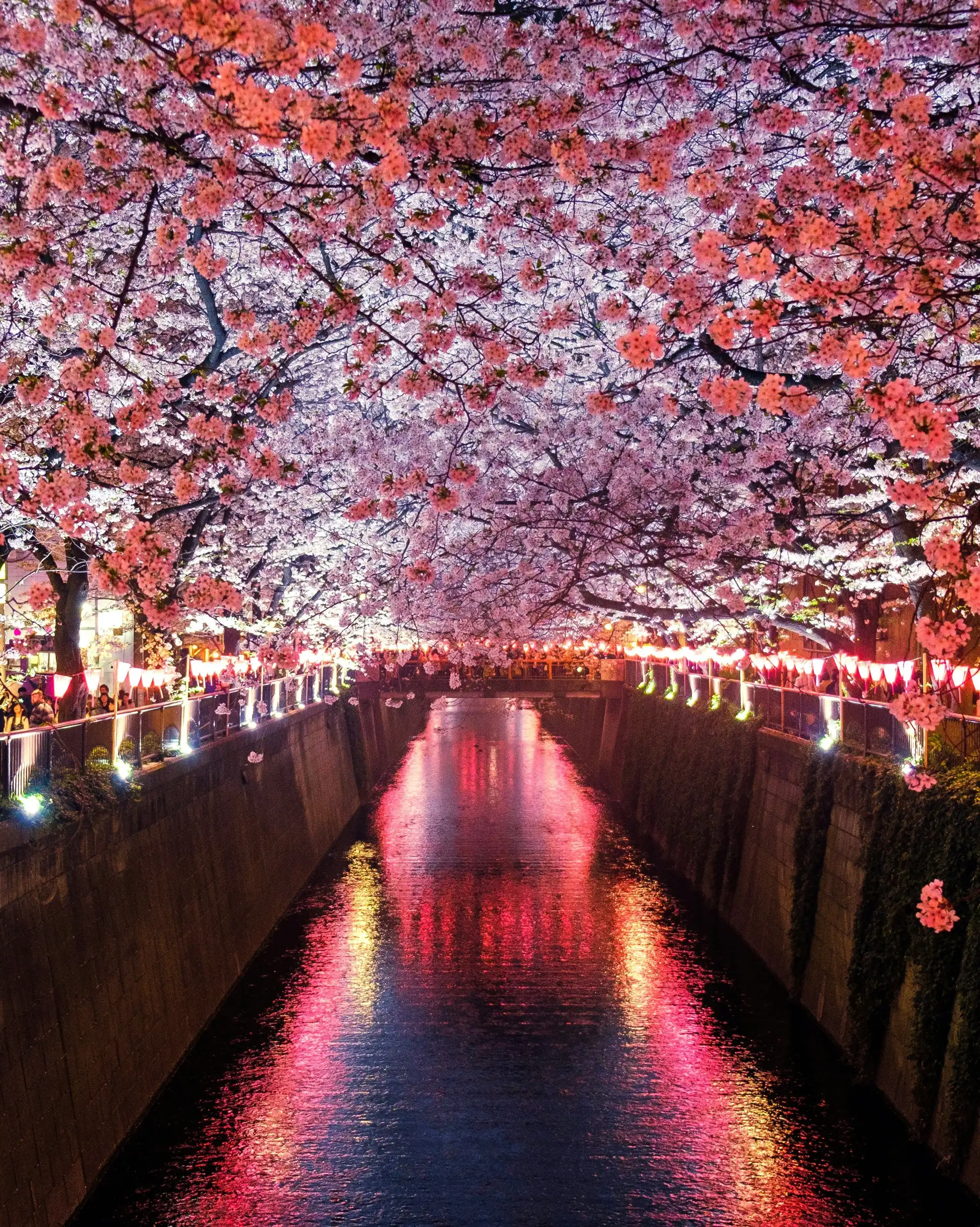
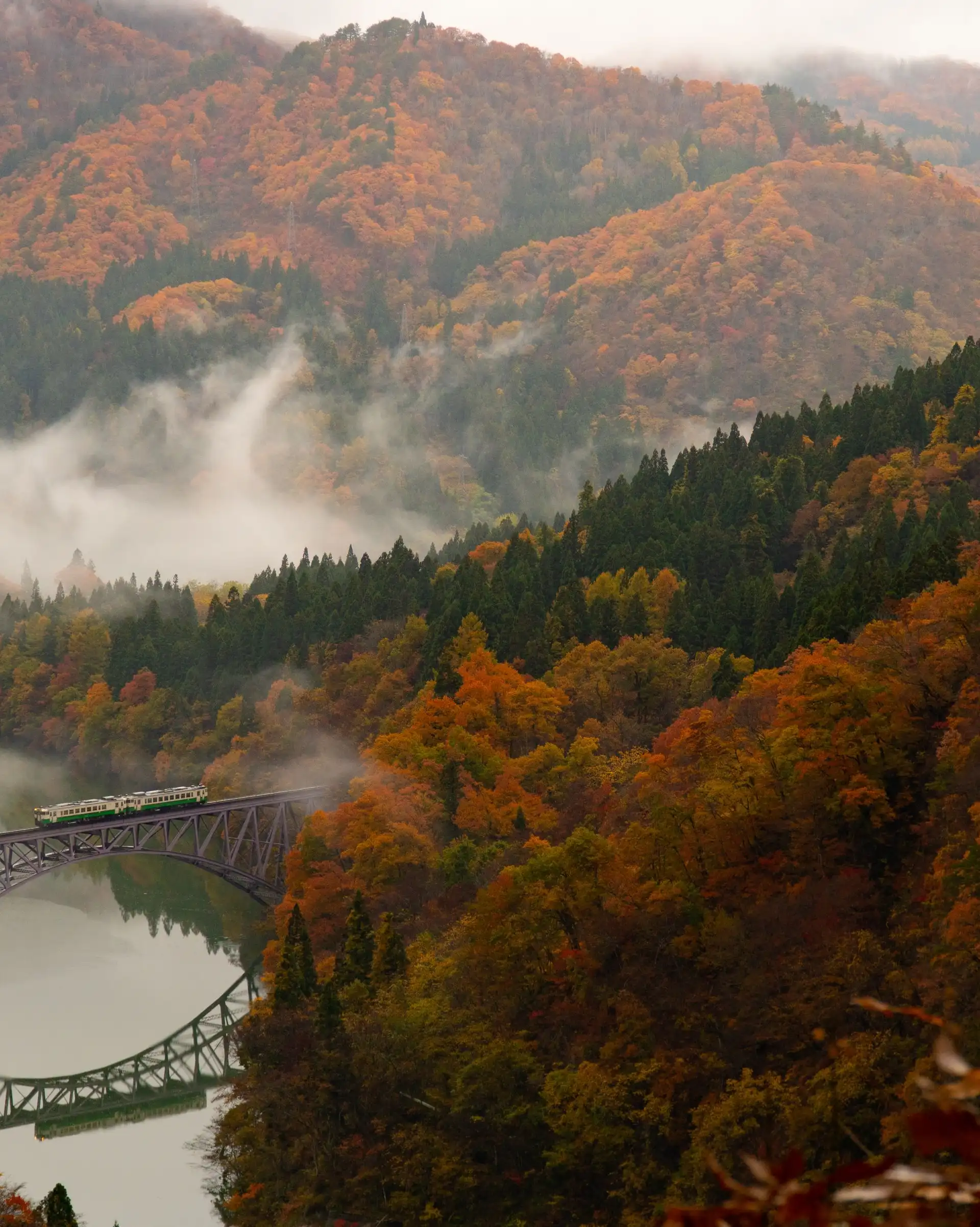
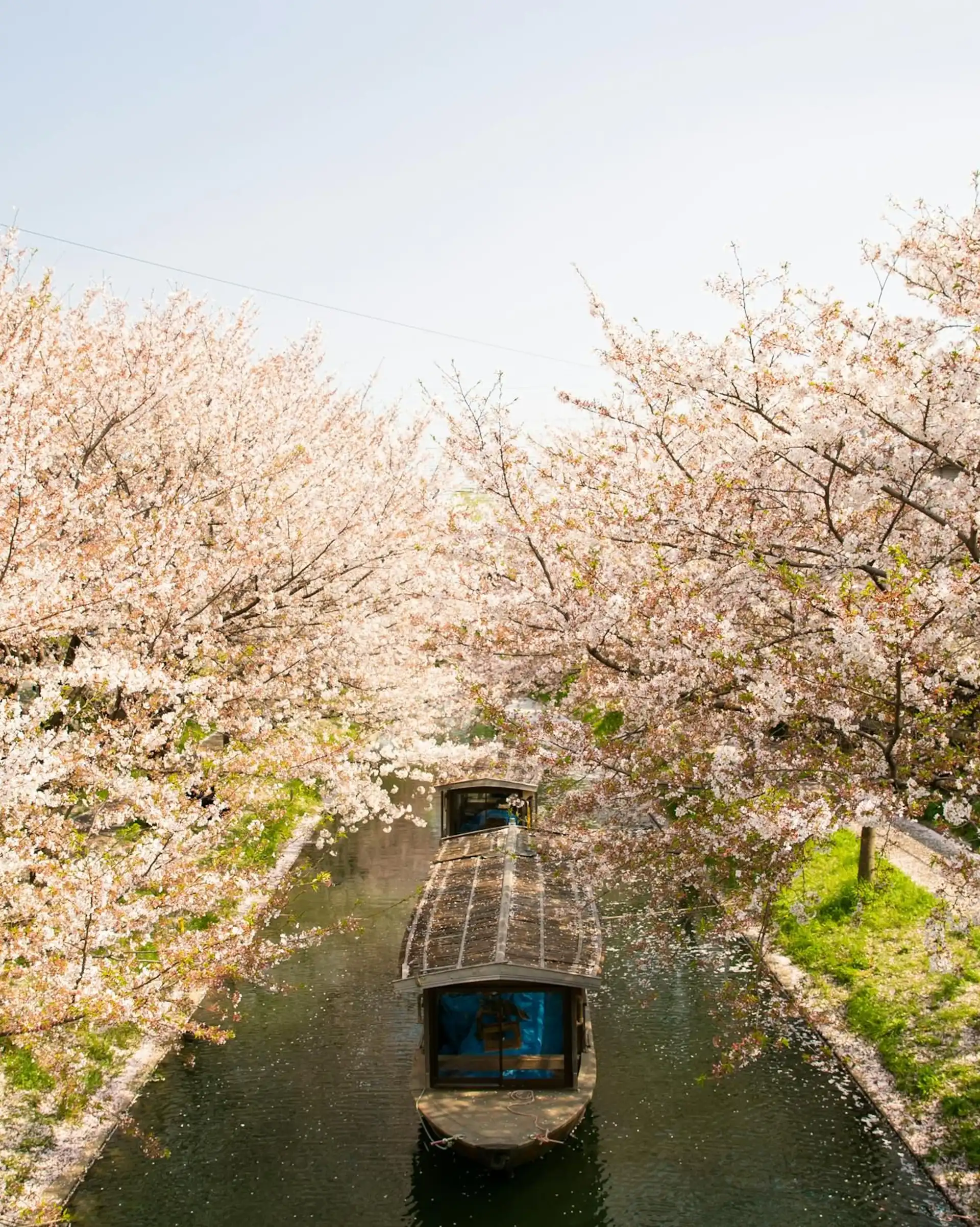
Spring promises the famous Hanami under the cherry blossoms, celebrated by the entire population, while in autumn, maple forests set temples and gardens ablaze with a spectacular red. Summer and winter reveal other charms: giant fireworks displays, open-air festivals, snow-capped mountains, and steaming outdoor baths. Don't hesitate to explore lesser-known natural sites, such as the Dorokyo Gorge, hiking in the Japanese Alps, or diving in the islands of Okinawa.
Tokyo, ultra-modern and resolutely unclassifiable, constantly oscillates between tradition and eccentricity: peaceful shrines are hidden just steps from skyscrapers or alleyways covered in neon signs. The Tokyo experience is about daring to push open the door of a sentō (public bath), trying out a lively karaoke session, savoring a dish in a ramen shop open all night, or trying your luck at an electric pachinko parlor.
Each of its districts transports the traveler to a unique world: Akihabara with its themed cafes, Asakusa with its temples, or Shibuya, a trendy urban paradise. Purikura (whimsical photo booths) and gachapon (surprise capsule) shops will delight visitors of all ages. This clash of cultures is the very essence of Tokyo: it's meant to be experienced and explored to the fullest!
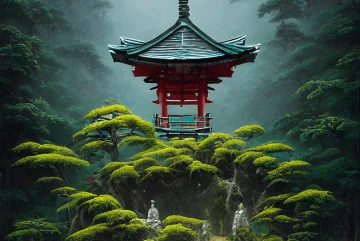
Japanese imagination abounds with mythical creatures, ancient tales, and rites passed down from generation to generation. Encounter protective spirits in Shinto shrines, uncover the secrets of temples housing millennia-old statues, or fall under the spell of museums dedicated to folklore – such as the Studio Ghibli Museum, which brings yokai (monsters) to life.
To delve deeper, attend a kabuki performance, a traditional Japanese theater, or experience dinner with a Maiko to discover the art of Japanese entertainment. These unique encounters enrich every stay with a delightfully mysterious touch.
The search for serenity, calm, and harmony permeates Japanese society. Moments of silence in gardens, the practice of meditation, or the contemplation of a rock garden offer a rare respite for Westerners. Through its Buddhist traditions, Japan has preserved a tranquility that allows nature to express its most beautiful sounds.
Spiritual retreats at Shinto shrines, meditation in temples ( shukubo ), or a stay in a hot spring village offer the perfect opportunity to experience this famous "Zen spirit." The Japanese place great importance on mutual respect and discretion, which is evident in public places, public transportation, and restaurants—a true luxury for those seeking to recharge.
Finally, we mustn't forget the performance of the Japanese rail network: impeccable cleanliness, punctuality down to the second, and discreet comfort. Traveling by train or subway in Japan allows you to combine business with pleasure, while admiring the diverse landscapes, without the stress of large Western metropolises.
Although 80% of the population lives on 6% of the land, it is in the Japanese countryside that one truly grasps the soul of the country. Nothing replaces discovering centuries-old wooden houses, villages listed as historical sites like Shirakawa-go or Tsumago, or the warm welcome of small family-run inns.
Ancient traditions, local crafts, and village festivals offer a genuine and rare glimpse into daily life off the beaten path. Some villages even offer the chance to participate in rice harvests or seasonal ceremonies, perfect for forging an authentic connection with the locals. For our travelers, this is very often one of the highlights of a trip to Japan.
At Shanti Travel, we help you create a tailor-made itinerary, rich in authentic and unusual Japanese experiences, to experience the best that Japan has to offer… far beyond what the classic guidebooks tell you!
Japan offers a complete change of scenery while remaining relatively easy to travel around thanks to its efficient transport network. A first trip to Japan allows you to combine major cities, temples, gastronomy, nature and traditional villages during the same stay. The contrast between Japanese traditions and modernity is also one of the destination’s most distinctive features.
Subscribe and receive our travel inspirations and practical advice twice a month.

Wanting to share your trip with a group?








![Alignement de maisons de pêcheurs traditionnelles funaya au bord de l'eau dans le village de pêcheurs d'Ine au Japon[cite: 10].](https://dozjp40rj04ea.cloudfront.net/eyJidWNrZXQiOiJzaGFudGktc3RyYXBpLXVwbG9hZHMiLCJrZXkiOiJKYXBvbl9JbmVfVmlsbGFnZV8wMDk0MjE5MTYwLmpwZyIsImVkaXRzIjp7InJlc2l6ZSI6eyJmaXQiOiJjb3ZlciIsIndpZHRoIjoyNTZ9LCJ0b0Zvcm1hdCI6IndlYnAiLCJ3ZWJwIjp7InF1YWxpdHkiOjU1fX19)