Your expert on destination Japan
Discovering Japan's most beautiful landscapes means immersing yourself in a world of natural contrasts and places imbued with spirituality. At Shanti Travel, with over 20 years of experience in Asia, we know that every Japanese landscape has its own personality and secrets. A journey to Japan is an adventure where nature and culture intertwine magically. Here is our selection and expert advice for exploring these must-see sites!
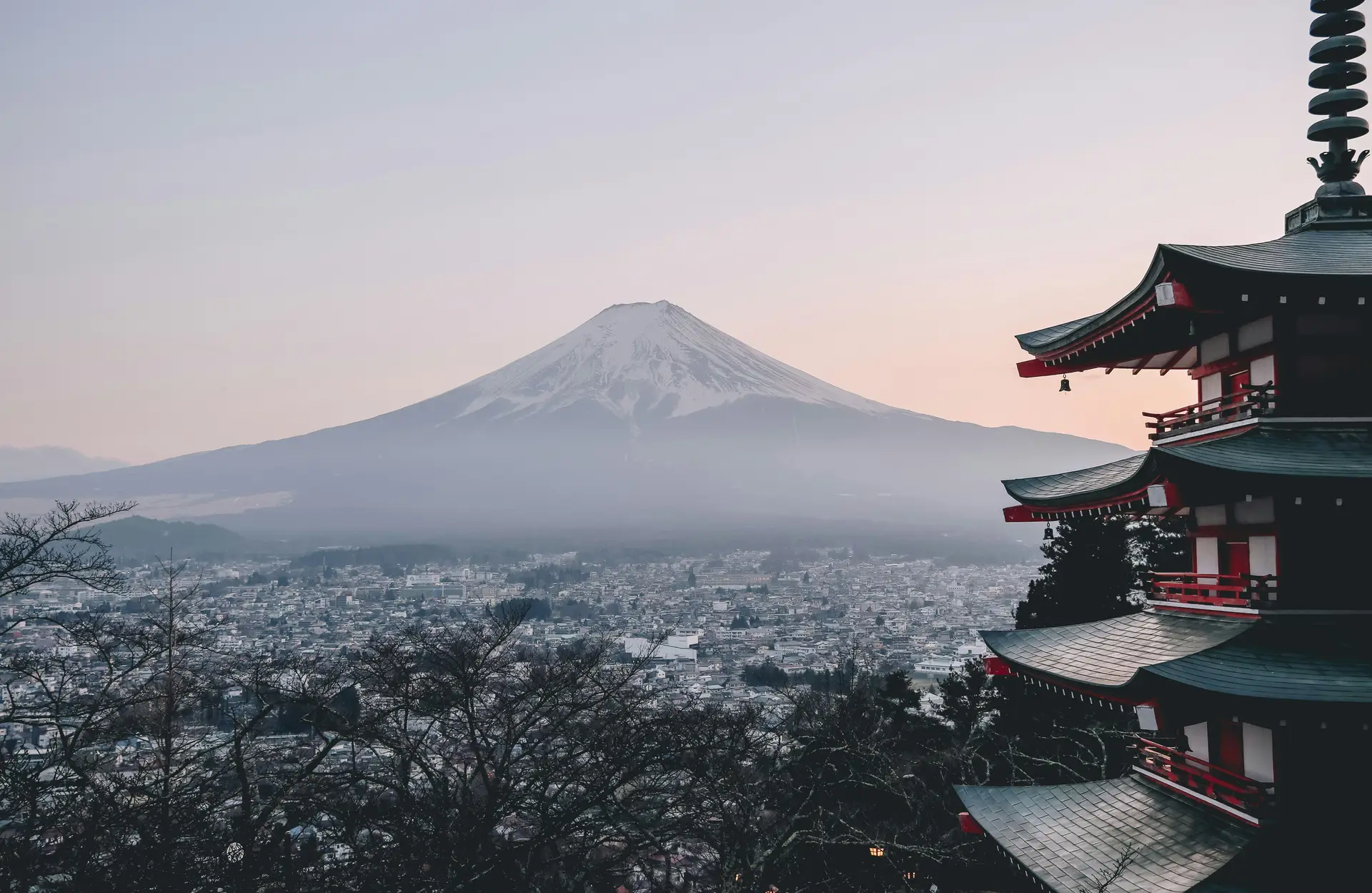
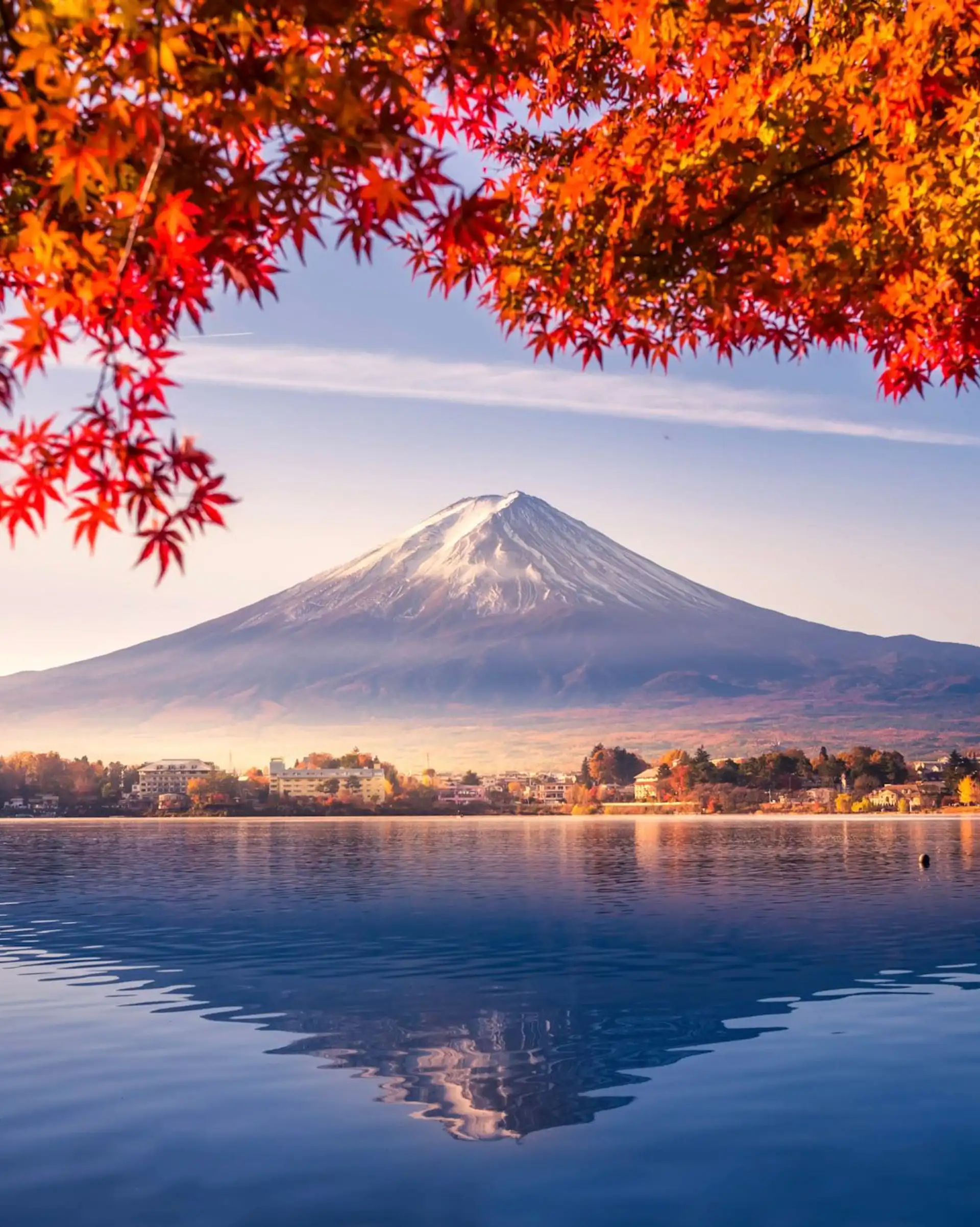
A true icon of Japan, Mount Fuji (3,776 m) is admired for its perfect silhouette and sacred status. If you dream of seeing Mount Fuji covered in snow, the winter months (December-February) are ideal, when the dry air and cold nights offer the most beautiful panoramas. Clear winter mornings are also the best time for spectacular photos. Those lucky enough to witness the "Diamond Fuji" phenomenon, when the sun aligns perfectly with the summit (late January or mid-November), may also be able to see it.
For a change of scenery, explore the Hakone region: the Owakudani Ropeway offers an unforgettable panorama of volcanic fumaroles with Mount Fuji as a backdrop. Lake Ashi, Mount Kintoki, and the Mishima Skywalk observation deck offer equally impressive views. In Tokyo, on a clear day, the observation decks of skyscrapers like the Mori Tower even reveal the imposing silhouette of Mount Fuji in the distance. For hiking enthusiasts, the Mount Fuji ascent (open in summer) remains a memorable experience, combining landscape, spirituality, and personal growth.
Located two hours from Tokyo in Ibaraki Prefecture, this vast flower park is a natural gem where the displays vary with the seasons.
Insider secret: Nemophila Hill is one of the most photogenic spots in Japan, especially under a blue sky with the Pacific Ocean as a backdrop. Extend the experience by taking advantage of the family amusement park too!
The listed village of Shirakawa-go, north of Gifu, is a masterpiece of authenticity and harmony with its mountain environment. In winter, the panorama is magical: the snow-covered gasshō-zukuri houses, designed to withstand the heavy winter snowfall (from late December to early March), create a scene of rare beauty.
For a truly immersive experience, visit during the Winter Light-Up period in January and February. The sparkling snow-covered rooftops create a fairytale atmosphere, but be aware that reservations are required as access is limited to preserve the authenticity. Pack very warm clothing: the hamlet can be buried under up to 2 meters of snow! To enhance your visit, combine a stroll through the narrow streets with discovering local traditions (such as the Harukoma dance) and observing daily life in these ancestral homes. Respect the tranquility of the place and let yourself be swept away by the winter magic of Japan.
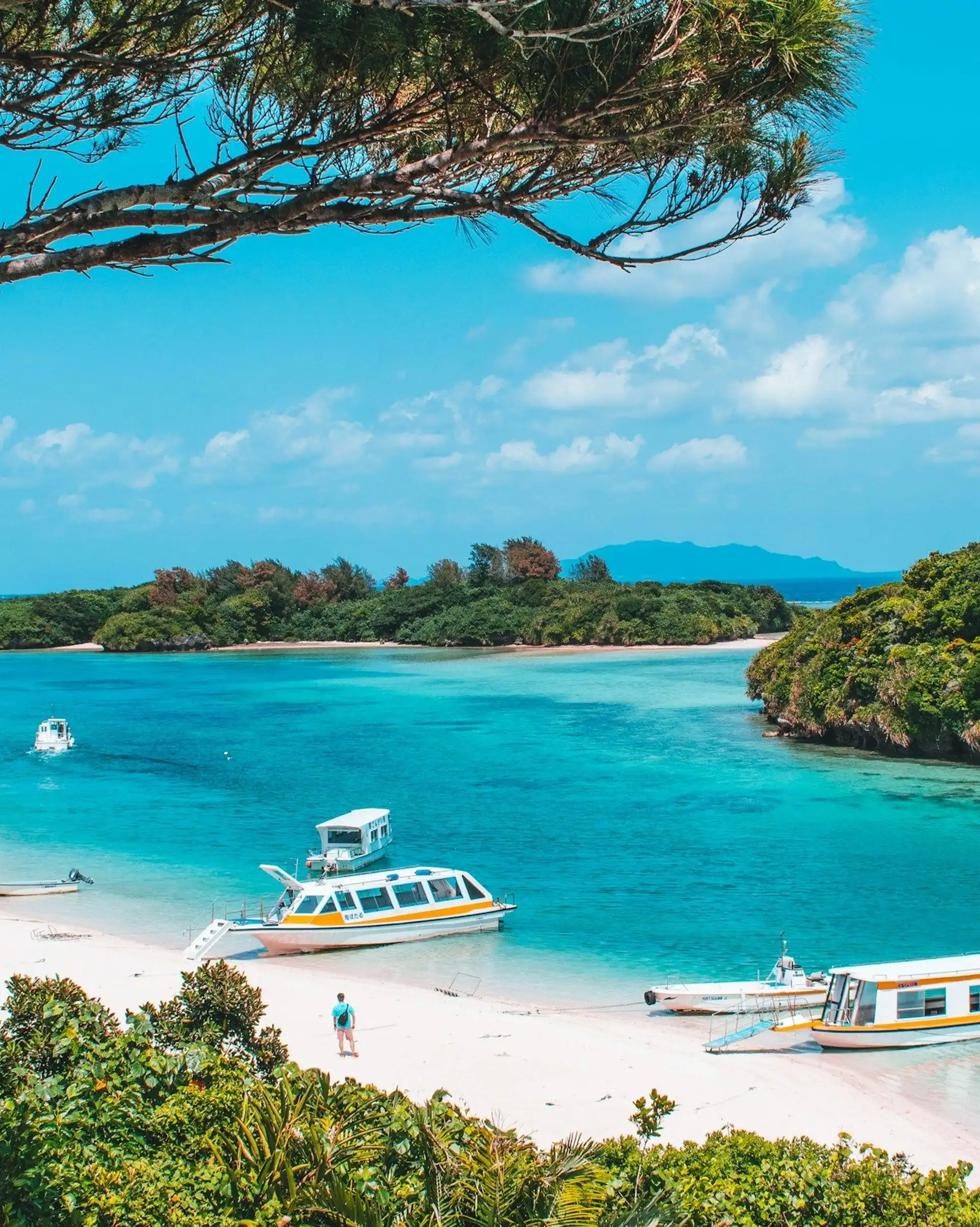
Nicknamed the "Japanese Hawaii," the Okinawa archipelago boasts turquoise beaches, coral reefs, rainforests, and spectacular cliffs. Besides its crystal-clear waters ideal for diving, snorkeling or scuba diving, Okinawa is brimming with treasures for nature lovers:
For expert exploration, plan a trip to a secluded island like Irabujima or hike in Yanbaru. Always remember to respect the fragile ecosystem when diving, as the marine biodiversity of Okinawa is exceptional.
Miyajima (Itsukushima), bathed by the Seto Inland Sea, is synonymous with the perfect balance between culture and nature: its famous floating torii gate, a symbol of Japan, changes its appearance with the tide, offering a unique spectacle with each visit. Classified as one of the Nihon Sankei, the three most beautiful scenic spots in Japan, the island is a haven of spirituality.
Beyond Itsukushima Shrine, stroll through the ancient forest inhabited by free-roaming deer and take the Momijidani Trail to the summit of Mount Misen: the 360° view of the bay, the islands, and Hiroshima in the distance rewards every effort (also accessible by cable car). To truly experience the magic of the place, arrive early or stay in a ryokan to enjoy the peaceful atmosphere at dawn or dusk. Don't miss the sunset over the torii gate, a moment of intense beauty and serenity to be experienced at least once in a lifetime.
Subscribe and receive our travel inspirations and practical advice twice a month.

Wanting to share your trip with a group?










![Alignement de maisons de pêcheurs traditionnelles funaya au bord de l'eau dans le village de pêcheurs d'Ine au Japon[cite: 10].](https://dozjp40rj04ea.cloudfront.net/eyJidWNrZXQiOiJzaGFudGktc3RyYXBpLXVwbG9hZHMiLCJrZXkiOiJKYXBvbl9JbmVfVmlsbGFnZV8wMDk0MjE5MTYwLmpwZyIsImVkaXRzIjp7InJlc2l6ZSI6eyJmaXQiOiJjb3ZlciIsIndpZHRoIjoyNTZ9LCJ0b0Zvcm1hdCI6IndlYnAiLCJ3ZWJwIjp7InF1YWxpdHkiOjU1fX19)