Your expert on destination Japan
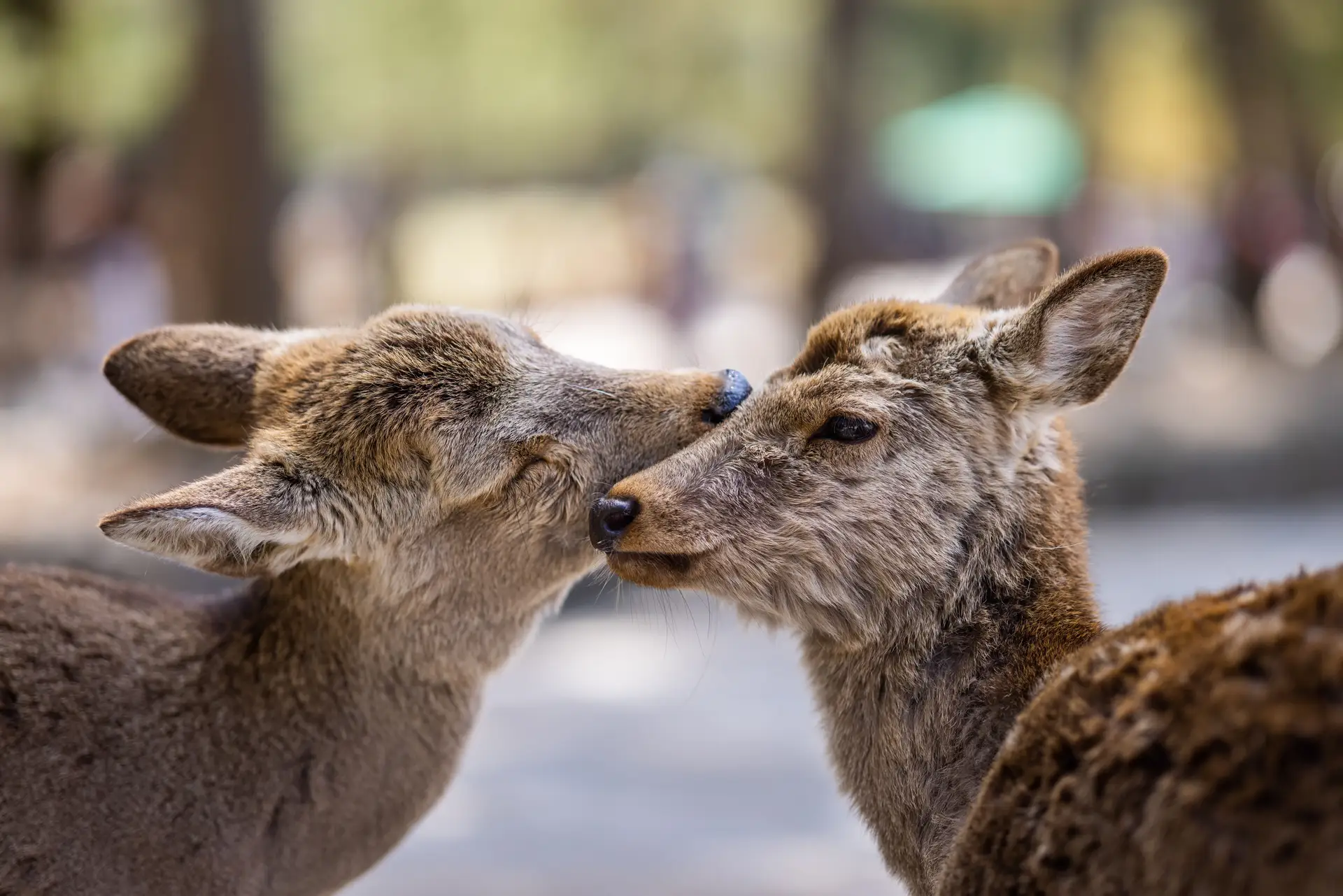
Nara, the former capital of Japan in the 8th century, before Kyoto, is world-famous for its deer that roam freely throughout the city. Yet it is also a prime destination for discovering Japanese cultural heritage during your trip to Japan. Nara is home to numerous temples and gardens that are well worth a visit, between encounters with the deer. I therefore suggest the itinerary I recommend for discovering Nara in one day.
Key facts
Morning: visit Todai-ji and its Great Buddha.
Midday: stroll through Isuien Garden.
Afternoon: discover Nara Park and meet the deer.
End of the day: walk to Kasuga Taisha Shrine.
From Kyoto or Osaka: Nara is easily accessible by train, with direct journeys taking around 35 to 50 minutes depending on the departure station and the train you choose.
One of Nara’s advantages is its proximity to Kyoto and Osaka. From both cities, several trains allow you to reach Nara in less than an hour on the main direct routes, depending on the departure station and the train you choose. It is therefore perfectly possible to visit Nara as a day trip without changing accommodation.
I recommend starting your day at Todai-ji, before the main groups of visitors arrive. You can then continue exploring Nara Park and its many sights at a leisurely pace.
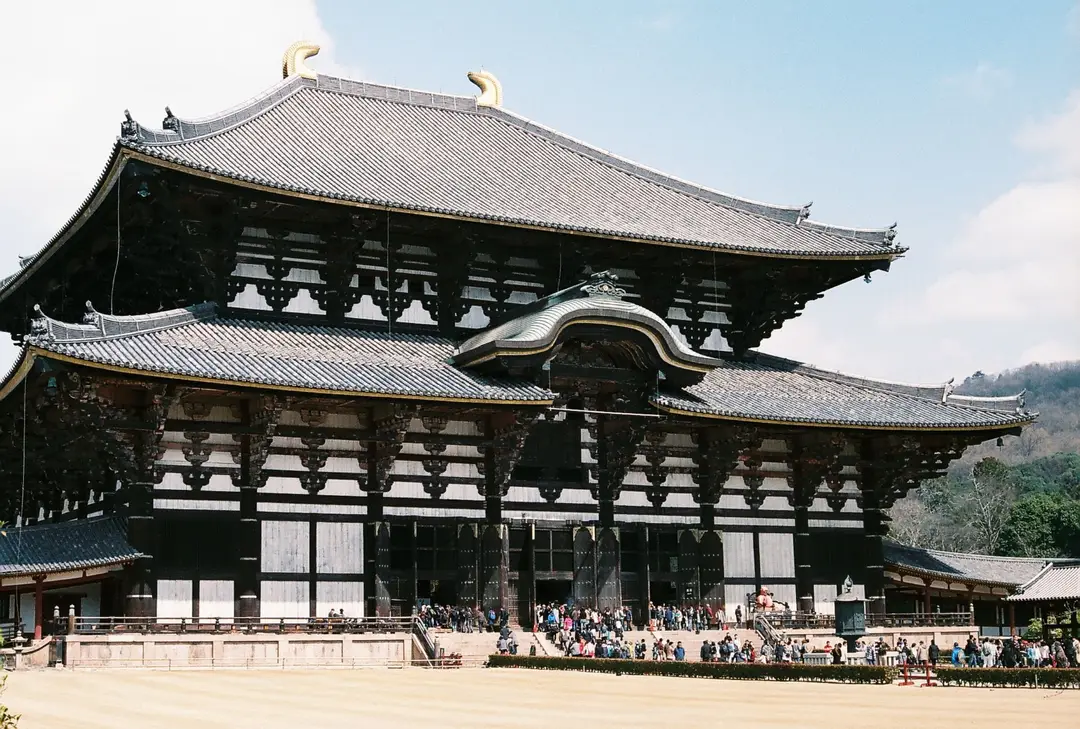
My expert advice: Todai-ji is particularly pleasant in the morning, when the paths are still relatively quiet. Arriving early will also allow you to avoid some of the groups and tourist buses that arrive later in the morning.
Continue your walk towards Isuien Garden, just a few minutes on foot from Todai-ji. This Japanese garden is an ideal place to take a break in the middle of the day and discover another side of Nara’s heritage.
Take your time walking around the pond and enjoying the different viewpoints throughout the garden. The visit is fairly short and fits easily into a day in Nara, particularly between Todai-ji and the city’s other sites.
Good to know: Isuien Garden is closed on Tuesdays, except when Tuesday is a public holiday, in which case it is closed on Wednesday.
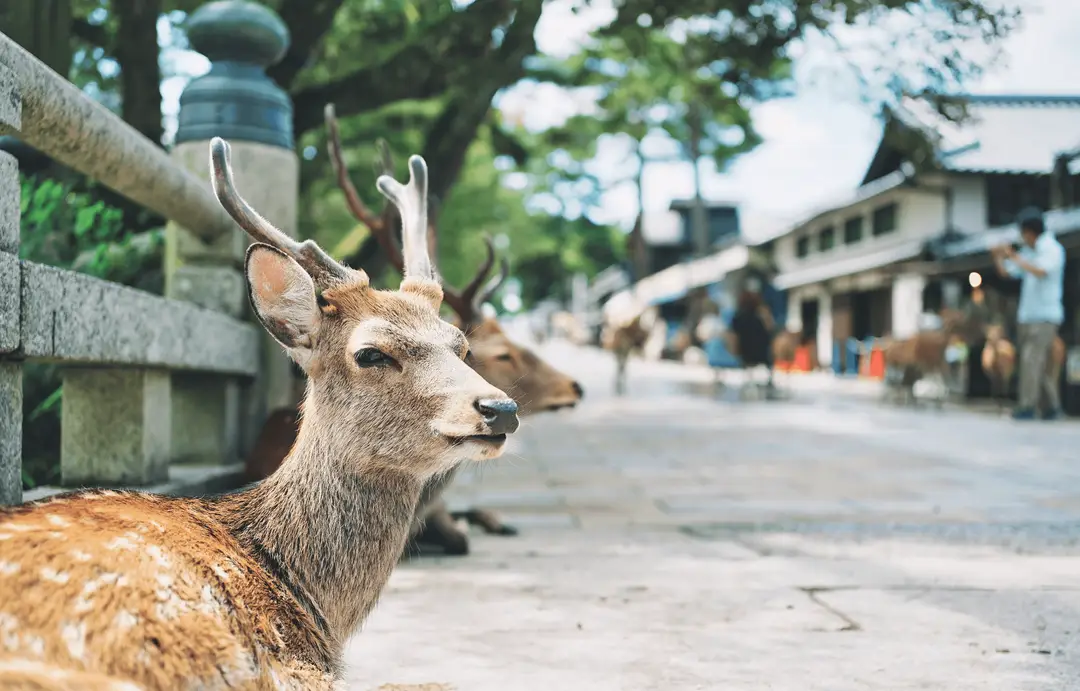
However, keep in mind that these are wild animals, even though they are accustomed to human presence. Do not chase them, touch them or provoke them, particularly just to get a photo. When you feed them, show them your empty hands once you have finished the crackers so that they understand there is no more food.
My expert advice: The deer can sometimes be quite persistent when they see the crackers. If you have run out of food, do not try to push them away suddenly. Simply move away and give them some space.
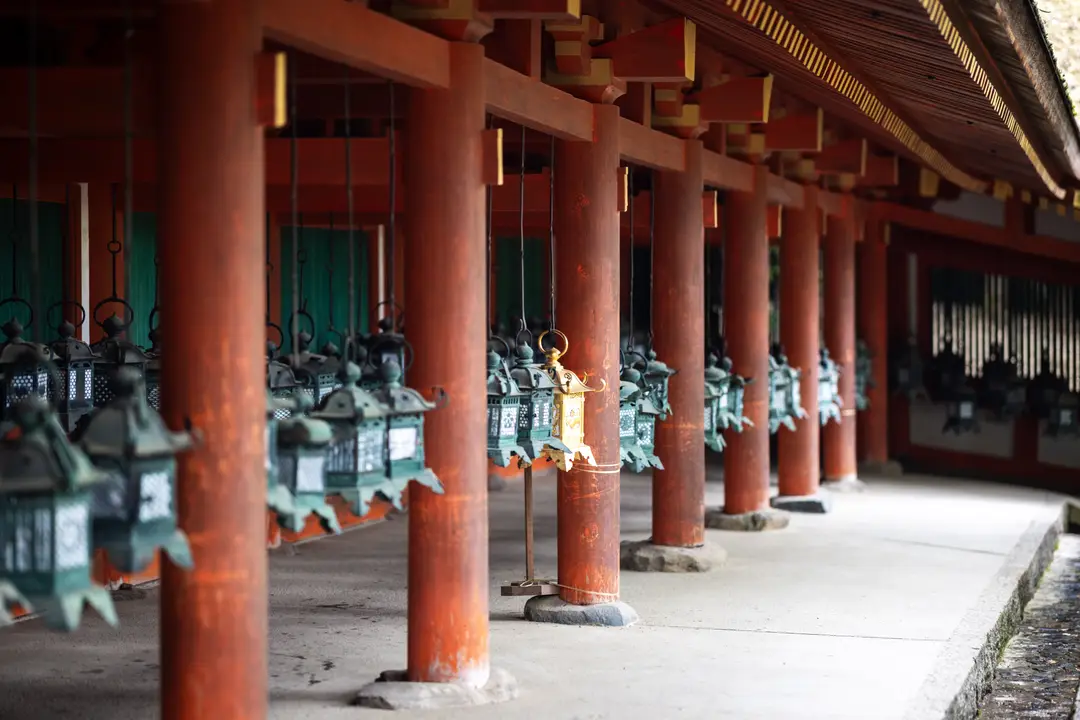
Founded in the 8th century, Kasuga Taisha is one of Nara’s most important Shinto shrines and remains closely connected to the history of the Fujiwara family. The deer are also present here, as they are considered messengers of the shrine’s deities. It is a beautiful way to end the day before slowly making your way back down towards Nara Station.
Although Nara is easily accessible from Kyoto or Osaka, spending a night there can be a good option if you want to take your time. The city becomes quieter at the end of the day, once the visitors have left, allowing you to discover the temples and surrounding streets at a different pace.
To extend the experience, you can choose a ryokan in Nara. It is an opportunity to experience traditional Japanese accommodation and enjoy a more peaceful atmosphere after a day exploring the city.
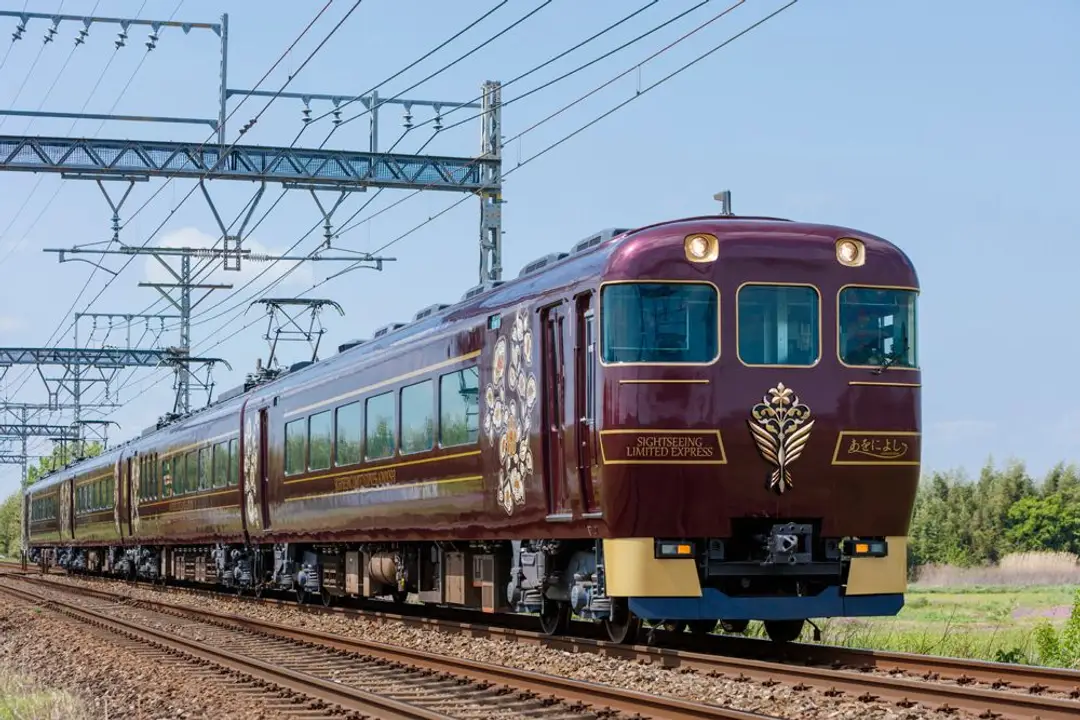
My expert advice: AONIYOSHI tickets can be booked from one month before the travel date. Booking with Shanti Travel also means leaving us to organise the logistics of your trip and your reservations, so you can simply enjoy your stay.
Nara is easy to visit as a day trip from Kyoto or Osaka, but taking the time to organise your itinerary properly allows you to make the most of its temples, gardens and deer. As a Shanti Travel expert, I can organise your train schedules and reservations so that you can make the most of every stage of your journey. Another advantage of Shanti Travel is having a team that knows the country and can advise you before and during your stay, so you can travel with greater peace of mind and make the most of your discovery of Japan.
Yes, Nara is easy to visit as a day trip from Kyoto or Osaka. The main direct train journeys take around 35 to 50 minutes depending on the departure station and the train you choose, allowing you to reach Nara in the morning and return at the end of the day.
Yes, but only with shika senbei, the crackers specially sold for the deer. The deer in Nara Park are wild animals: it is recommended not to provoke them, not to give them any other food and to show your empty hands once you have finished the crackers.
No, Isuien Garden is generally closed on Tuesdays, except when Tuesday is a public holiday. In that case, the closure is moved to the following day. The garden may also have temporary closures for maintenance, so it is best to check the information before your visit.
Yes, the AONIYOSHI sightseeing train connects Kyoto, Kintetsu-Nara and Osaka-Namba. Reservations open one month before the travel date. If you want to take the train at a specific time, it is therefore best to book in advance.
Subscribe and receive our travel inspirations and practical advice twice a month.

Wanting to share your trip with a group?











![Alignement de maisons de pêcheurs traditionnelles funaya au bord de l'eau dans le village de pêcheurs d'Ine au Japon[cite: 10].](https://dozjp40rj04ea.cloudfront.net/eyJidWNrZXQiOiJzaGFudGktc3RyYXBpLXVwbG9hZHMiLCJrZXkiOiJKYXBvbl9JbmVfVmlsbGFnZV8wMDk0MjE5MTYwLmpwZyIsImVkaXRzIjp7InJlc2l6ZSI6eyJmaXQiOiJjb3ZlciIsIndpZHRoIjoyNTZ9LCJ0b0Zvcm1hdCI6IndlYnAiLCJ3ZWJwIjp7InF1YWxpdHkiOjU1fX19)