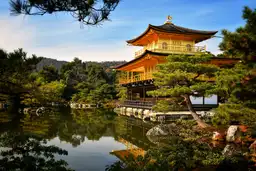
Discovering Japan's best treks is much more than a sporting adventure: it's about immersing yourself in spectacular nature, imbued with spirituality and ancestral traditions. As experts in active travel in the archipelago, we share here the hiking routes that have most impressed us, practical tips specific to Japan, and the unique atmosphere of these legendary trails.
Starting with the Kantō region and Mount Fuji
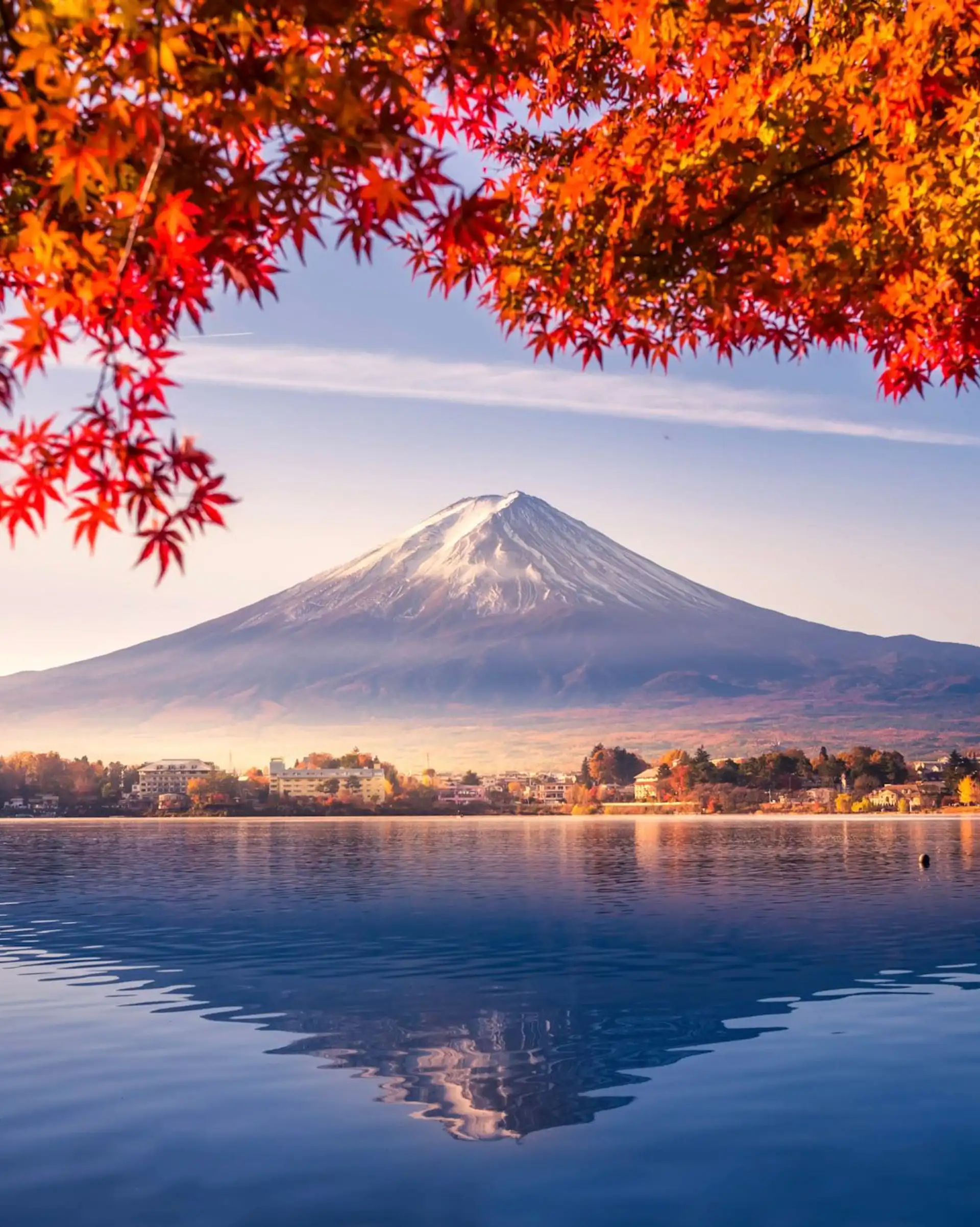
Mount Fuji, known as Fuji-san, is the highest mountain in Japan, reaching a summit of 3,776 meters. A sacred symbol of the country, it attracts some 300,000 hikers each summer during the official climbing season, from July 1st to August 27th. Caution: outside of peak season, snow and strong winds make the climb dangerous, even for experienced hikers. Ten stations mark the route, with hikers often starting at the fifth.
Our practical advice:
- Difficulty: moderate to strenuous depending on the chosen route (Fujinomiya, shorter, in 5 hours; Gotemba, longer, up to 7 hours)
- Equipment to bring: warm clothing, a raincoat even in summer, a headlamp for the night climb to admire the sunrise, and plenty of water.
- Atmosphere: The ascent of Fuji is a mix of physical challenge and mystical atmosphere, with its red torii gates, rest stations and processions of pilgrims experiencing the journey as a purifying ritual.
Heading north, into the Tôhoku region
In this region of northern Japan, the three sacred mountains of Dewa Sanzan – Haguro, Gassan, and Yudono – offer a unique pilgrimage experience. The trails are distinguished by their spiritual significance and captivating atmosphere, having been used since the 6th century by yamabushi (mountain ascetics). The landscapes alternate between deep forests, rivers, and stone staircases lined with lanterns.
- Seasonality: Gassan and Yudono are accessible from July to mid-October, covered in wildflowers in the summer; Haguro, further down, is accessible all year round.
- Special feature: In August, the Hassaku Matsuri, a local festival, marks the end of the pilgrimage with large ritual fires that illuminate the peaks.
- Expert tip: Accommodation near shrines allows for an early start and immersion in traditions – don't hesitate to stay in a temple (shukubo) to experience a night in the Japanese style.
Further north still, on the island of Hokkaido
The center of the island is home to Japan's largest national park, Daisetsuzan. A true wilderness paradise spanning 230,000 hectares, it captivates visitors with its wildlife (Sika deer, brown bears – caution is essential: carry a bear bell, avoid hiking alone), its alpine flora, and its snow-capped peaks. The trek linking Asahi-dake (the highest, 2,291 m) to Tokachi-dake offers five days of total adventure amidst lava valleys, hot springs, and high-altitude winds. Those in a hurry will find numerous loops of 2 to 8 hours around the main volcanoes.
- Difficulty level: strenuous; trails between 1800 and 2000 meters, changeable weather
- Accommodation: Minshuku-style mountain huts, sometimes very rustic, but perfect for sharing the local life of Japanese hikers.
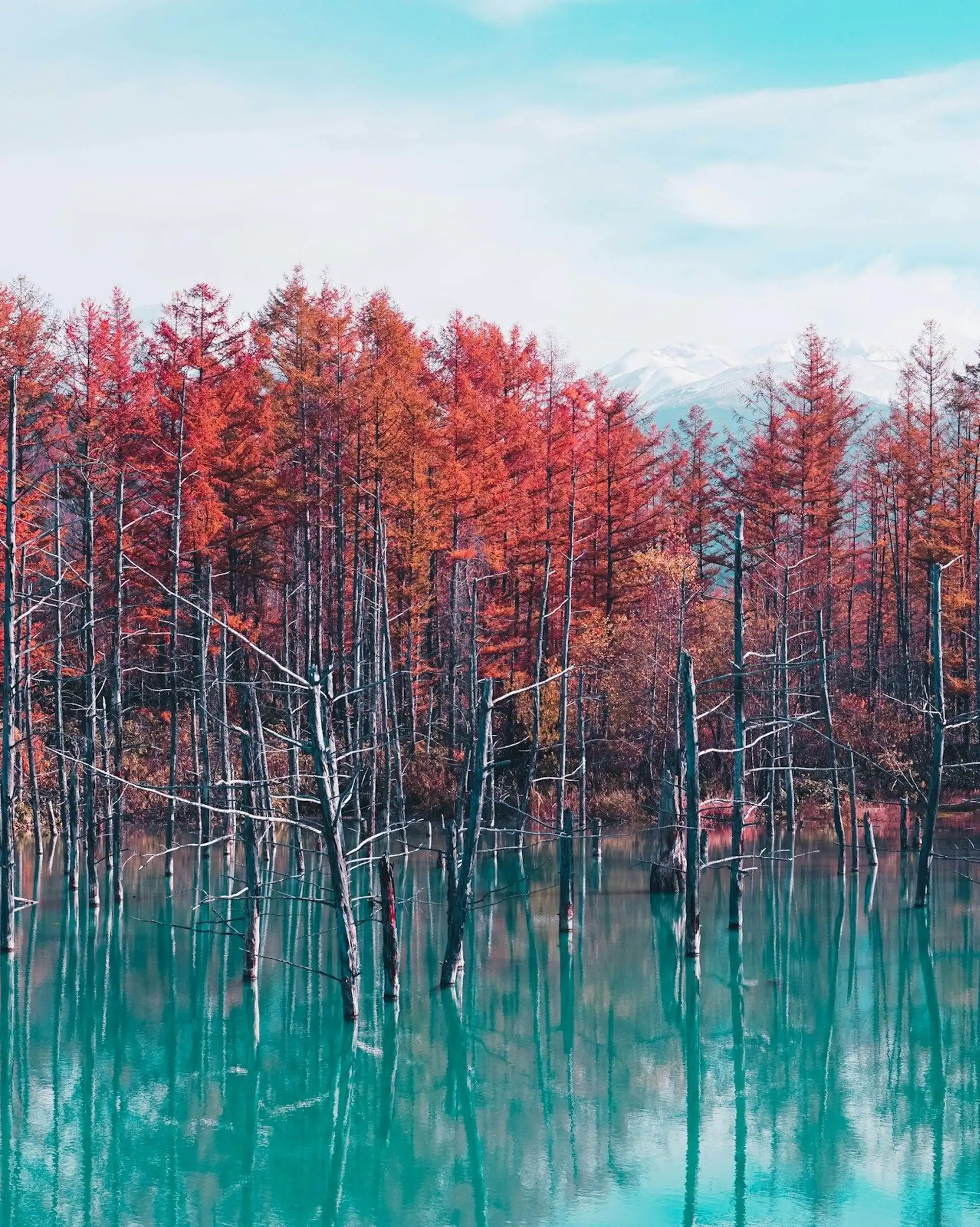
- Shanti Travel Tips: Check trail conditions and weather daily. The experience is magical in the fall, when the vibrant maple and larch trees paint the entire park in color.
Let's head to southern Japan, to the island of Shikoku.
Shikoku Island , a true hidden gem for hiking enthusiasts, captivates visitors with its rugged mountains and deep valleys. The Tsurugi-san Quasi-National Park, established in 1964, boasts stunning alpine flora: kuma-zasa bamboo forests, azalea fields, and spectacular views from Mount Tsurugi (1,955 m), the country's second-highest peak. The Iya Valley completes the picture with its breathtaking gorges, vine suspension bridges, and turquoise waters.
- Trails for everyone: from accessible trails with chairlifts to challenging treks to the summit
- Atmosphere: Pristine mountains, isolated villages preserving rural traditions, ryokan-style hotels welcoming hikers for the night
- Local ritual: Enjoy an onsen bath at the end of the day, a classic Japanese hiking activity to relax tired muscles.
Some must-sees to consider during your treks in Japan
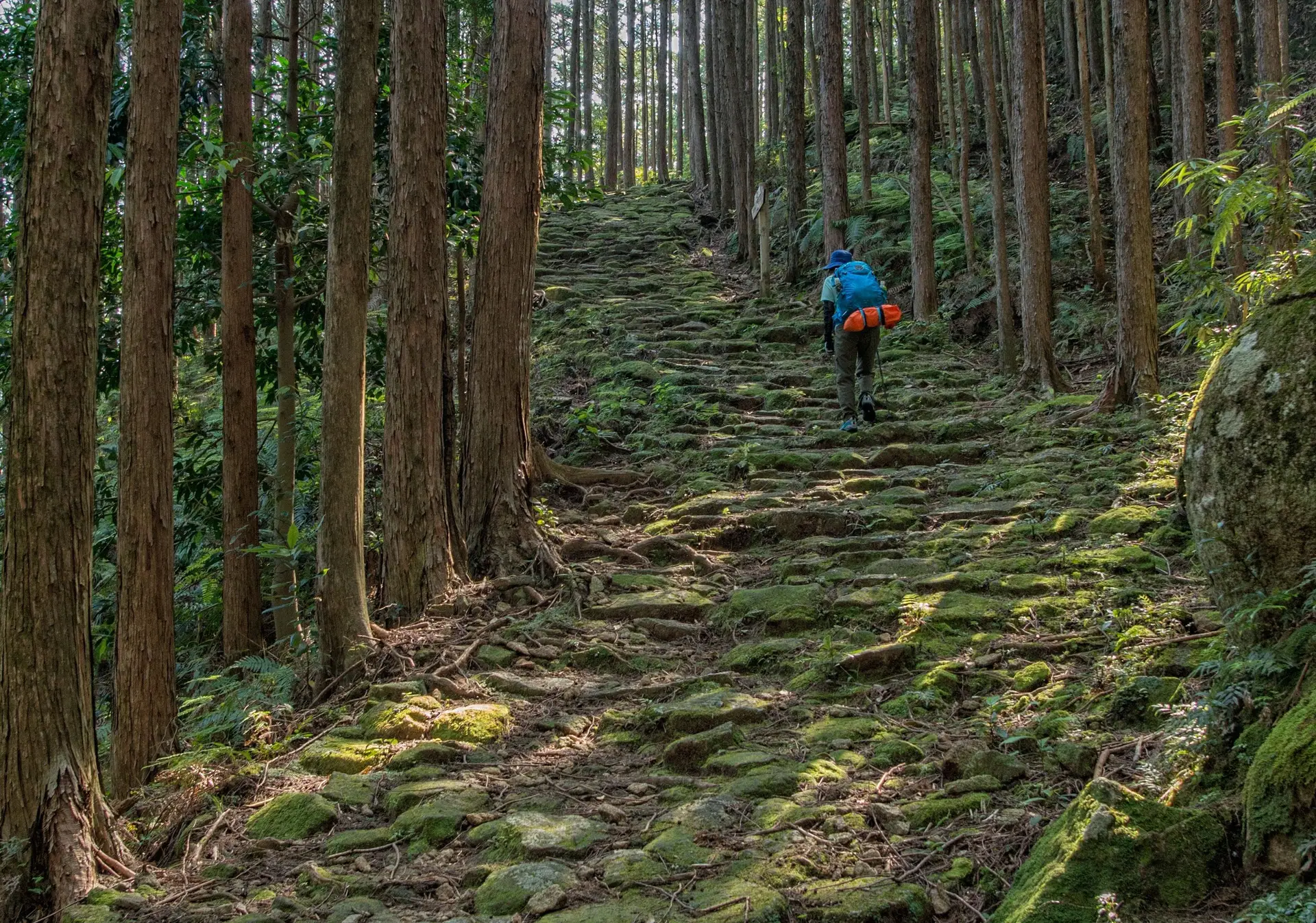
- Kumano Kodo: A UNESCO-listed pilgrimage route, offering a spiritual immersion between shrines and sacred forests (moderate difficulty, traditional accommodations)
- Nakasendo: A historic route connecting Tokyo to Kyoto via old villages and inns, traversed since the time of the samurai (a multi-stage route of easy to intermediate difficulty)
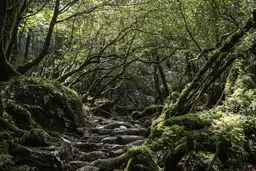
- Yakushima: An island of ancient forests and thousand-year-old cedars, wild, humid, ideal for hikers seeking a complete change of scenery.
- Mount Aso: Easily accessible, experience active volcanism in central Japan
Our recommendations for a successful experience
- When to go? Favor spring (March-May) or autumn (September-November) for ideal temperatures and colourful landscapes.
- Recommended equipment: sturdy shoes, appropriate layering clothing, rain poncho, hat, map or GPS, water supply, small first-aid kit. For Hokkaido and Yakushima, increased safety measures are recommended (bell, bear spray).
- With or without a guide? For cultural treks (Kumano Kodo, Dewa Sanzan), guides greatly enrich the experience with their historical and religious knowledge. For well-marked trails (Fuji, Kamikochi, Nakasendo), more experienced hikers can walk independently.
- Accommodation: Opt for ryokans and minshuku to experience Japanese hospitality and sometimes enjoy a typical dinner or an onsen bath.
At Shanti Travel, specialists in active travel in Asia, we work with you to create the tailor-made trek of your dreams in Japan, from legendary trails to off-the-beaten-path routes. Experience hiking as a true cultural and natural immersion with our expert advice and personalized support.












![Alignement de maisons de pêcheurs traditionnelles funaya au bord de l'eau dans le village de pêcheurs d'Ine au Japon[cite: 10].](https://dozjp40rj04ea.cloudfront.net/eyJidWNrZXQiOiJzaGFudGktc3RyYXBpLXVwbG9hZHMiLCJrZXkiOiJKYXBvbl9JbmVfVmlsbGFnZV8wMDk0MjE5MTYwLmpwZyIsImVkaXRzIjp7InJlc2l6ZSI6eyJmaXQiOiJjb3ZlciIsIndpZHRoIjoyNTZ9LCJ0b0Zvcm1hdCI6IndlYnAiLCJ3ZWJwIjp7InF1YWxpdHkiOjU1fX19)