Your expert on destination Japan
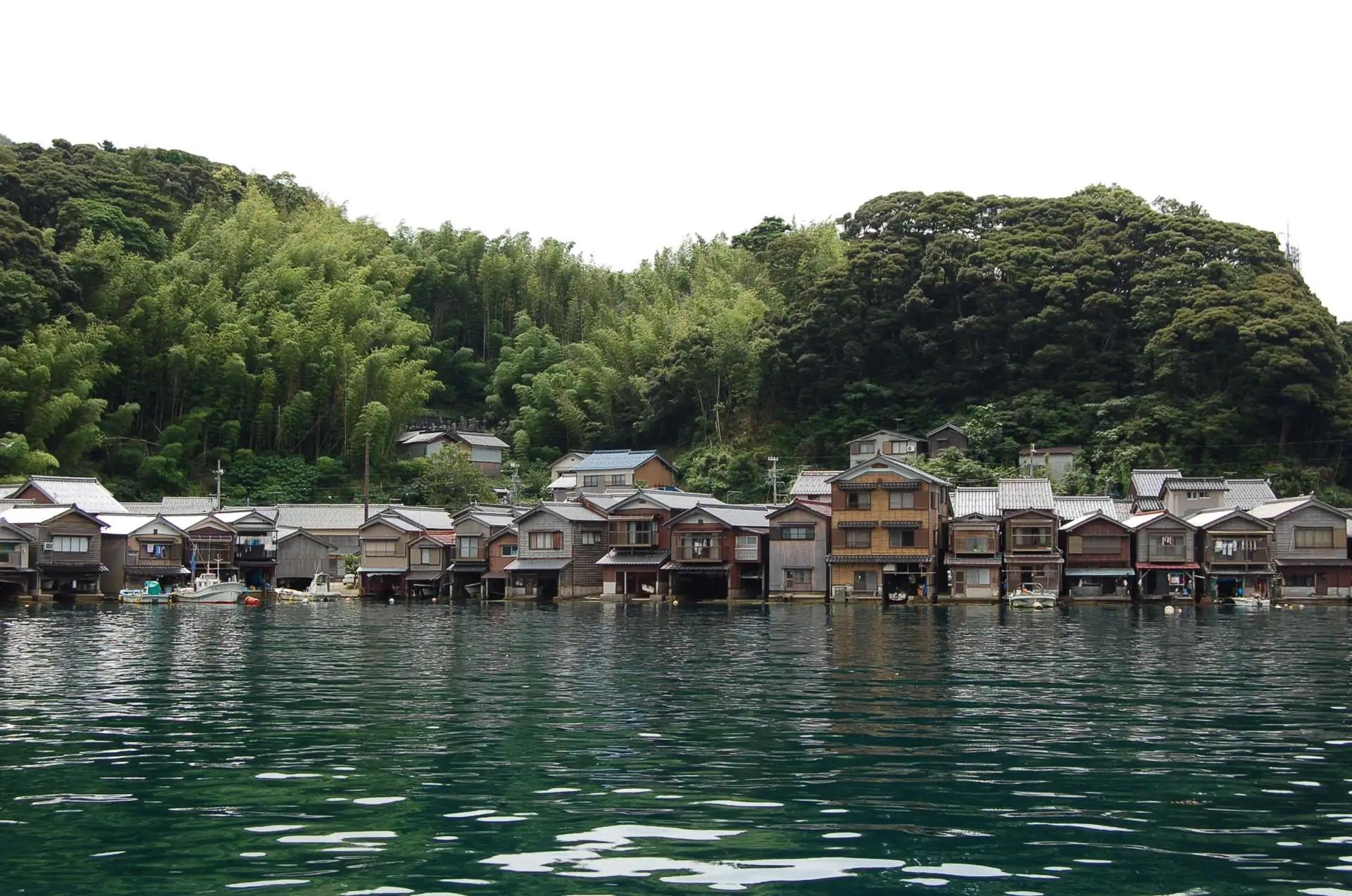
For a trip to Japan off the beaten track, it is about embracing the unexpected and being open to an authentic immersion, away from the crowds and standardized itineraries. To discover Japan off the beaten path, choose smaller towns and rural areas, local transportation, traditional accommodations and cultural experiences outside the main tourist routes. It is also possible to visit Tokyo, Kyoto and other must-see destinations at less busy times.
After more than twenty years of designing tailor-made trips to Japan, we know that the country’s charm often lies in its detours, those that can only be fully experienced with a curious and flexible approach.
Key takeaways
To discover a different side of Japan What to prioritize Avoid the crowds Visit must-see sites early in the morning, in the evening or on weekdays Accommodation Ryokan and shukubo Transportation Regional trains, local buses, bicycles and scenic railway lines Destinations Discover our off-the-beaten-track towns, day trips and regions, from Hokkaido to Okinawa. Local culture Matsuri, traditional crafts, tea ceremonies and encounters with local residents Travel differently Slow down, choose lesser-known destinations and take time to explore the surrounding areas
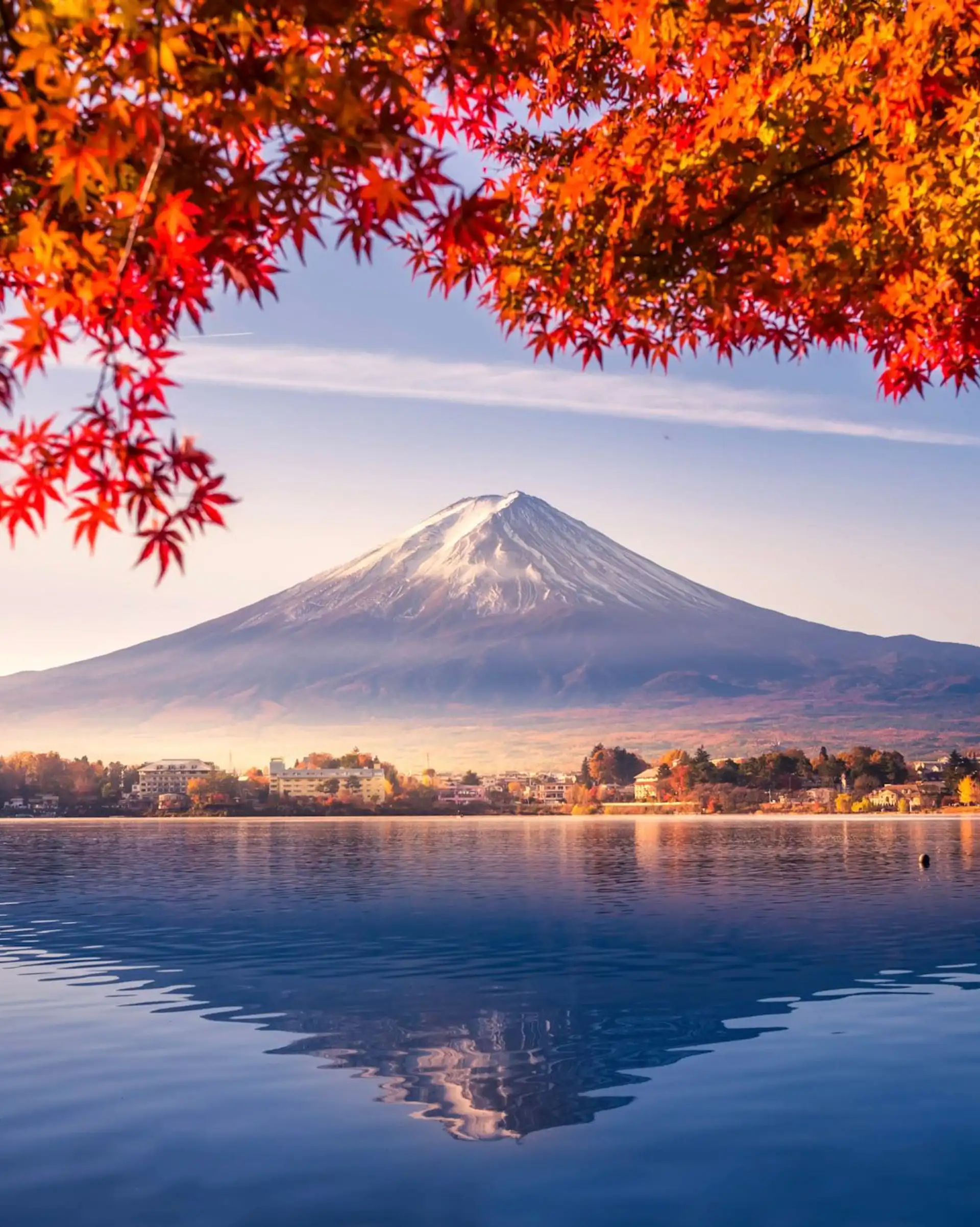
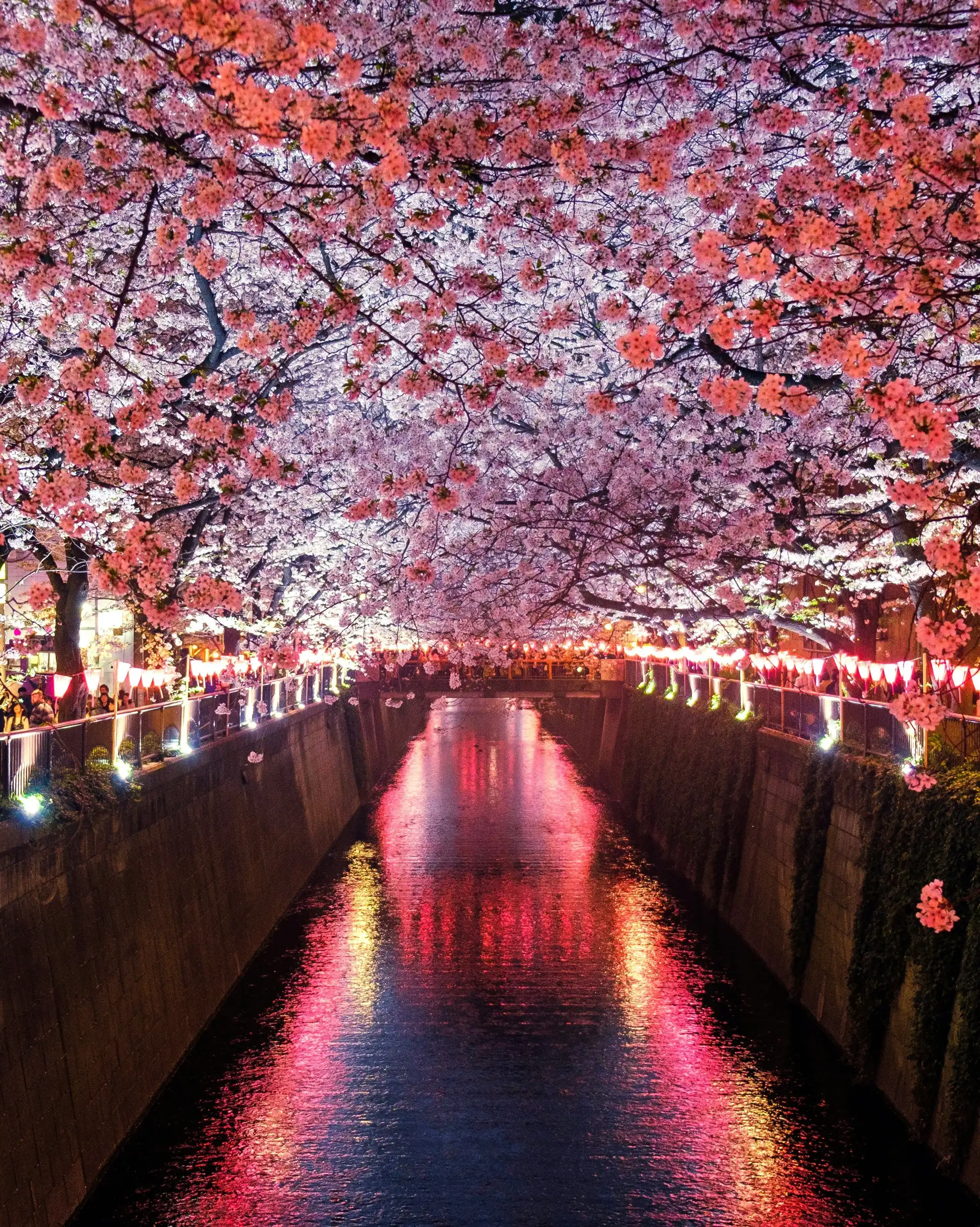
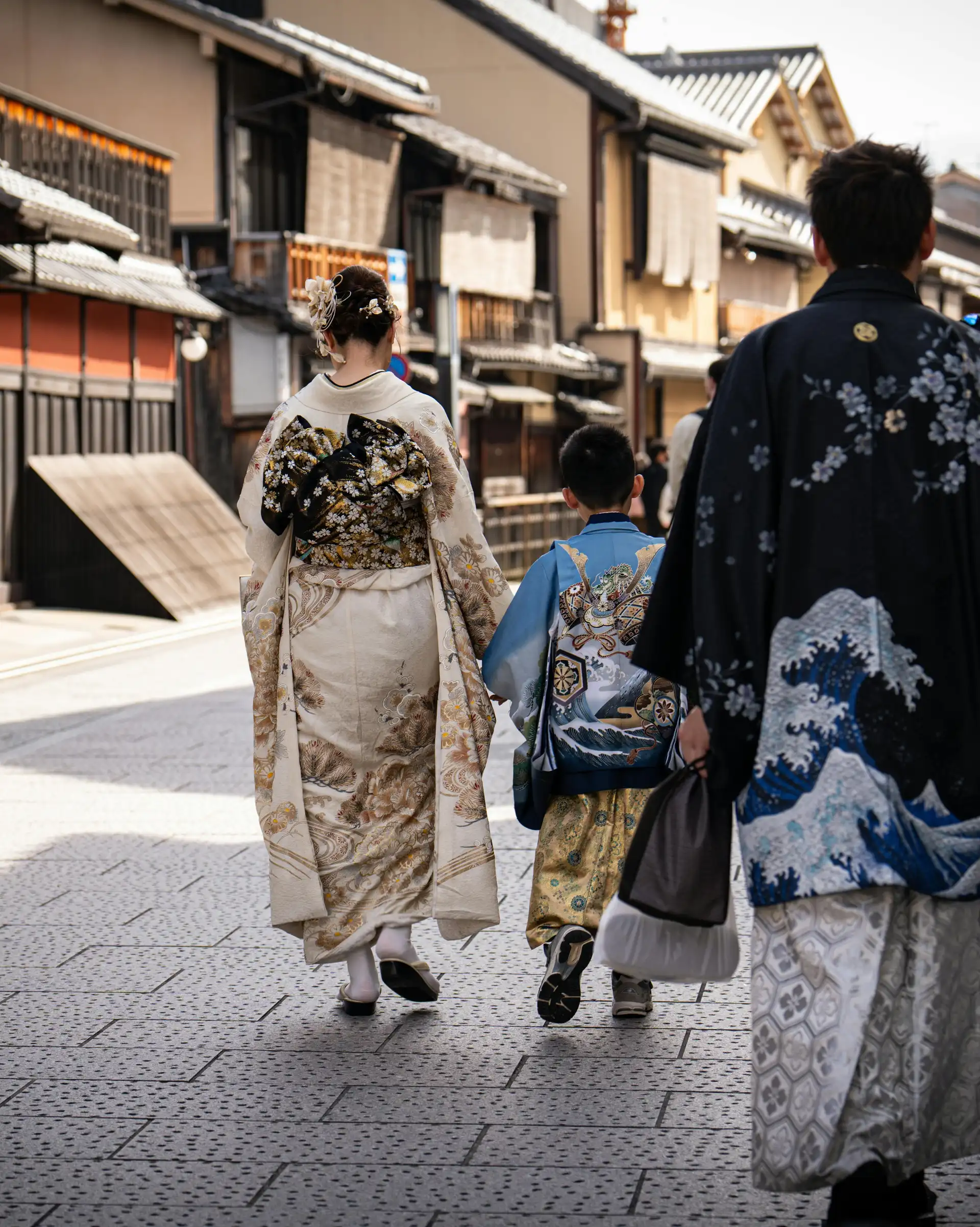
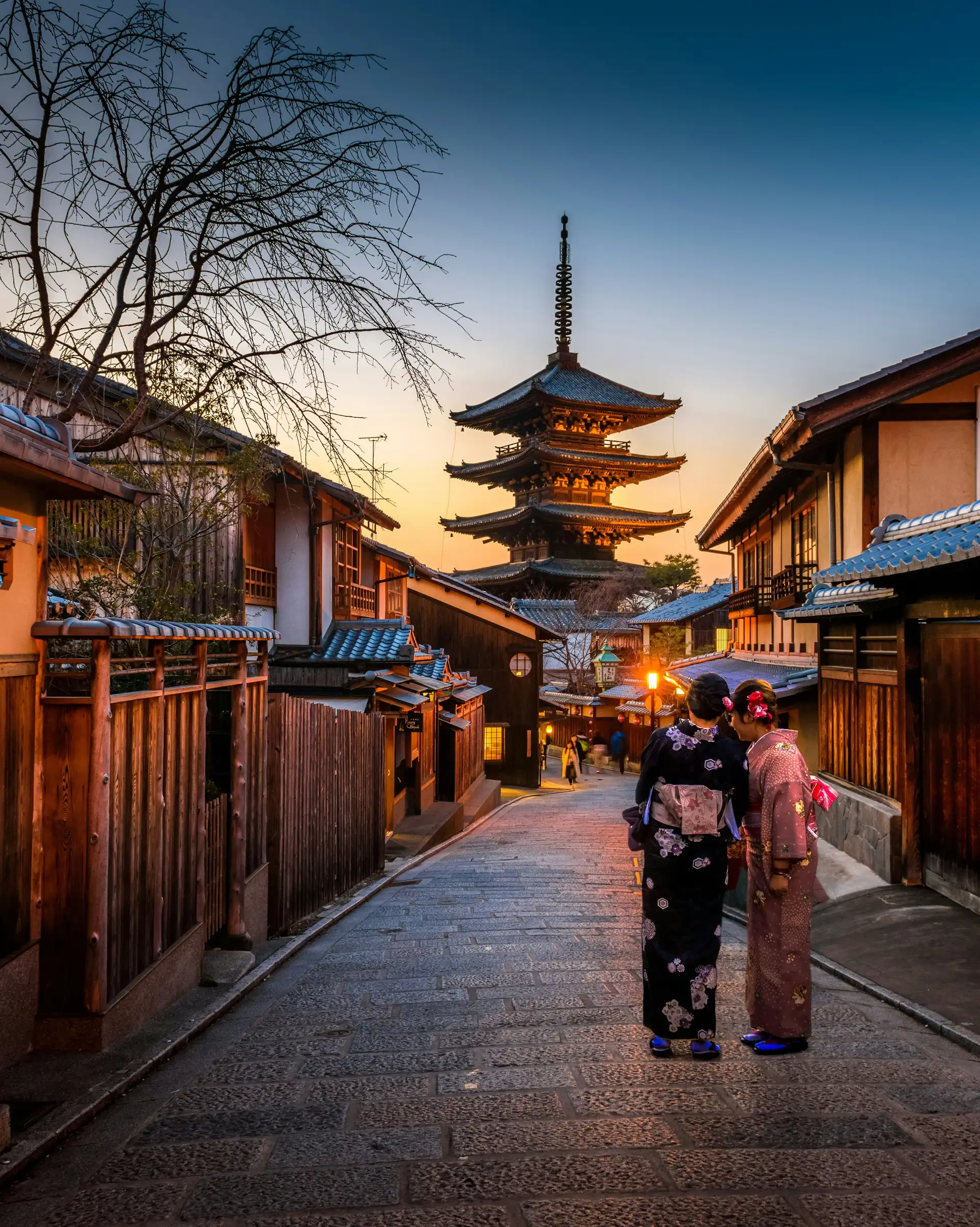
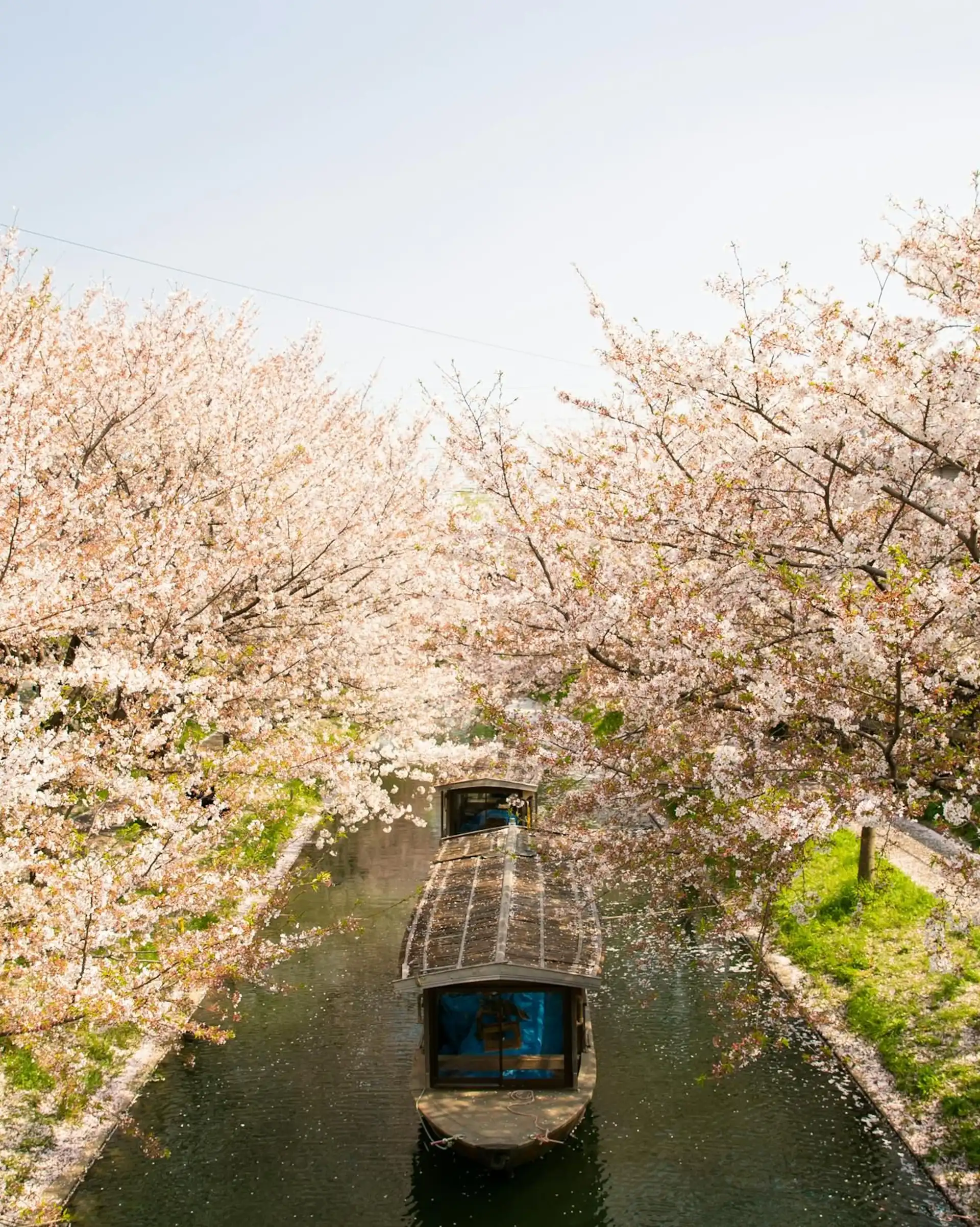
On a first trip to Japan, it is hard to imagine not visiting iconic places such as the historic Gion district in Kyoto or Asakusa in Tokyo. Most trips to Japan also take place during the most popular seasons, such as the cherry blossom season or autumn, when the trees display their most beautiful colors. You will probably find yourself surrounded by other travelers, all looking for the best photo spots.
But visiting the must-see sites does not necessarily mean dealing with crowds. Consider planning your visits for early in the morning, such as Kiyomizu-dera in Kyoto, or later in the evening, such as Senso-ji in Tokyo.
My advice: To enjoy iconic sites while avoiding the crowds, choose weekdays rather than weekends and, whenever possible, travel during the low season, for example between mid-May and the end of June, or in winter for a quieter experience of Japan. This flexibility often creates genuine opportunities for spontaneous moments and interactions with local residents.
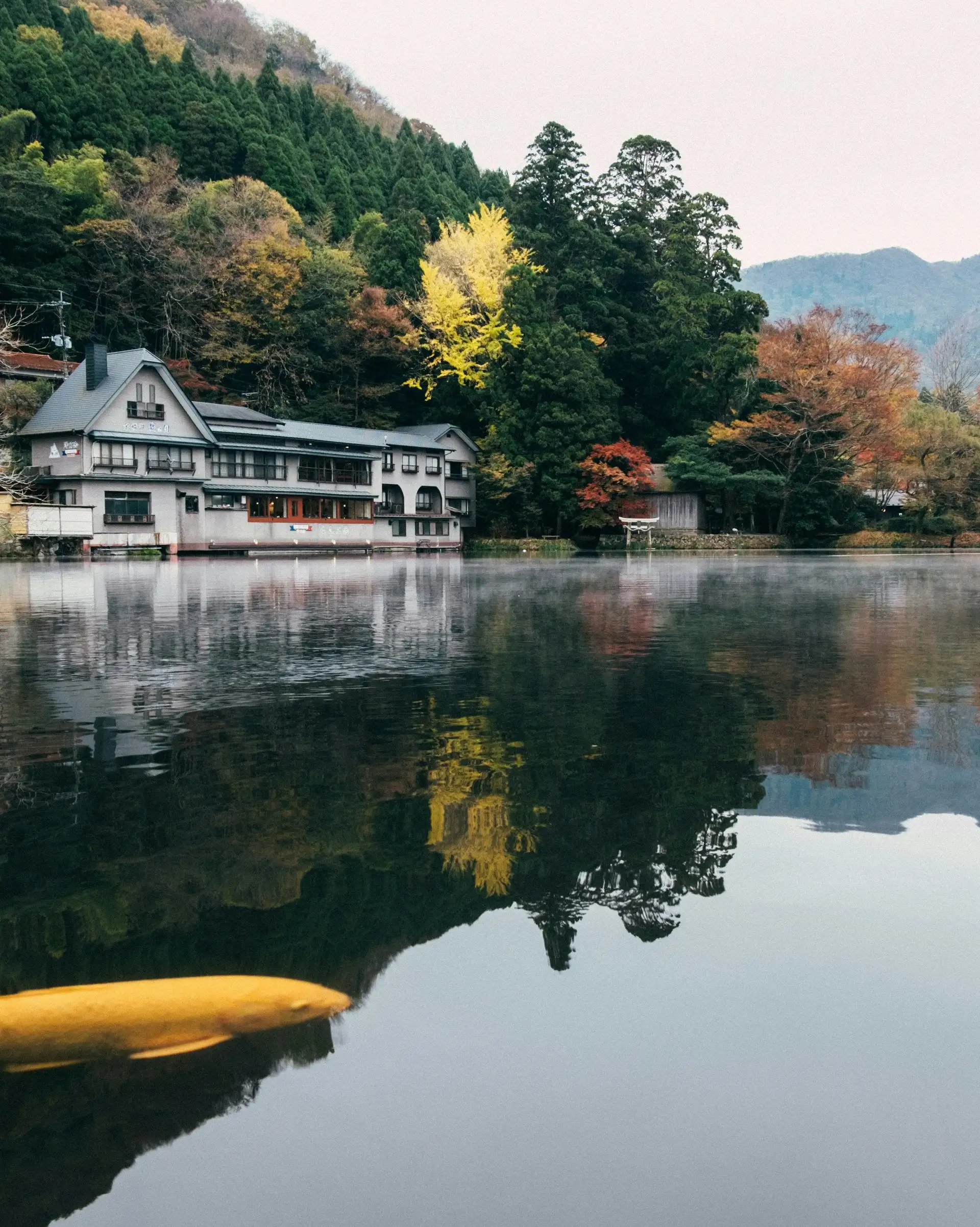
While traditional accommodation can be harder to find in cities, suburban and rural areas offer a wider variety of more traditional establishments. This is an ideal opportunity to try a different type of accommodation and enjoy their onsen. But you should not limit yourself to this category: shukubo, minshuku and guesthouses also offer interesting experiences for more adventurous travelers.
Alternative accommodations not to miss:
Please note: If you prefer more privacy, pay close attention to the accommodation conditions before booking. Some establishments do not offer private bathrooms. In these places, using sento and onsen is also part of the charm and the Japanese experience.
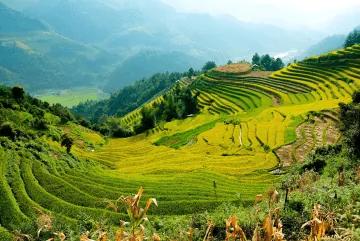
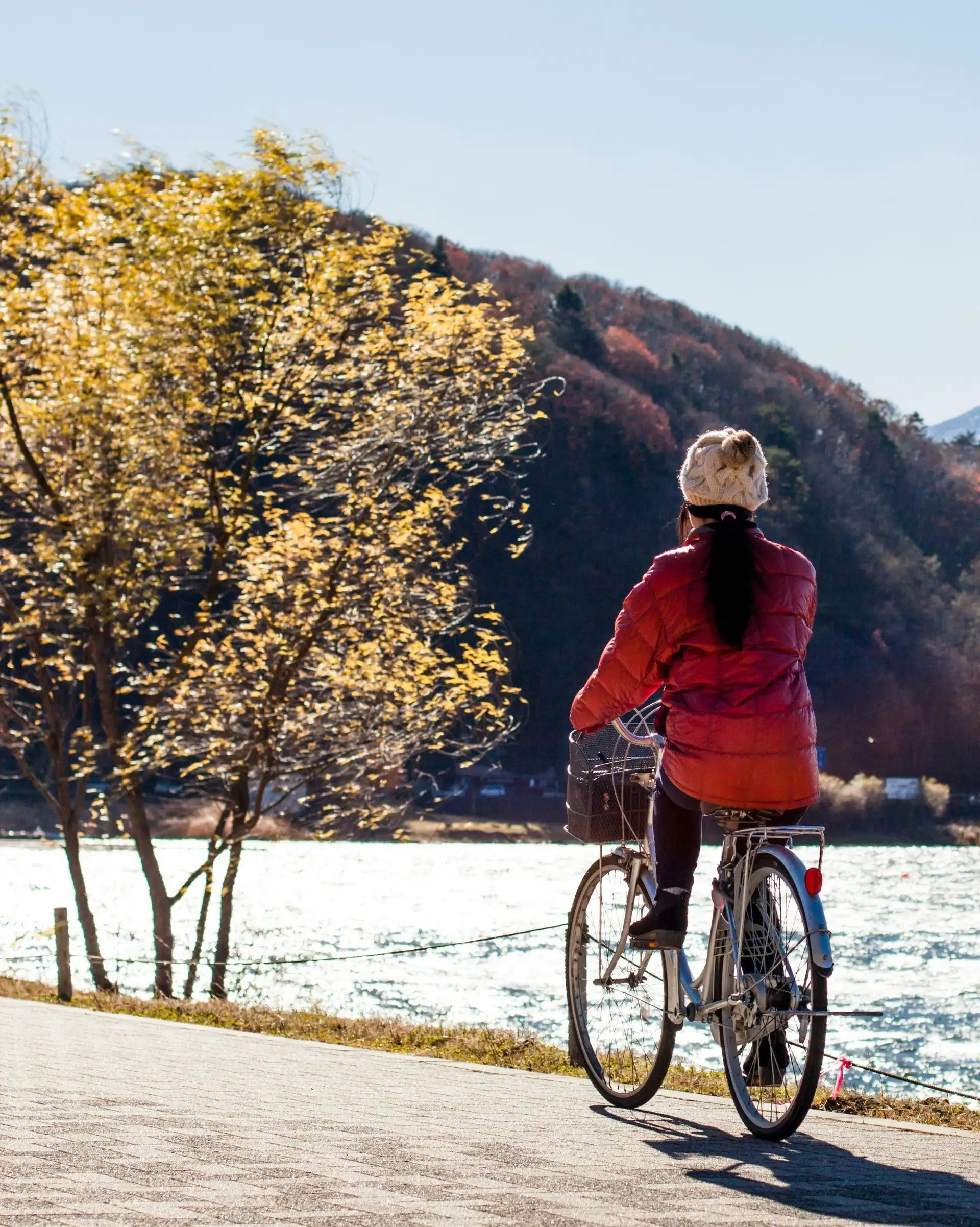
Japan has the advantage of being very well served by public transportation. It is relatively easy to get away from the major cities by taking the Shinkansen, Japan’s high-speed train. What travelers often think less about is taking a local bus for longer distances. The Nohi Bus, for example, connects several destinations in the Japanese Alps while passing through villages, fields and mountains. The advantage is that you can enjoy the scenery even more as you travel through the Japanese countryside.
For example, you can reach several villages in the Japanese Alps, even from Tokyo. Some long-distance bus routes connect Tokyo directly with the Japanese Alps, including the Gifu region. You can travel peacefully through the Japanese countryside and into the mountains before arriving in Takayama. The journey is certainly longer, but much more enjoyable!
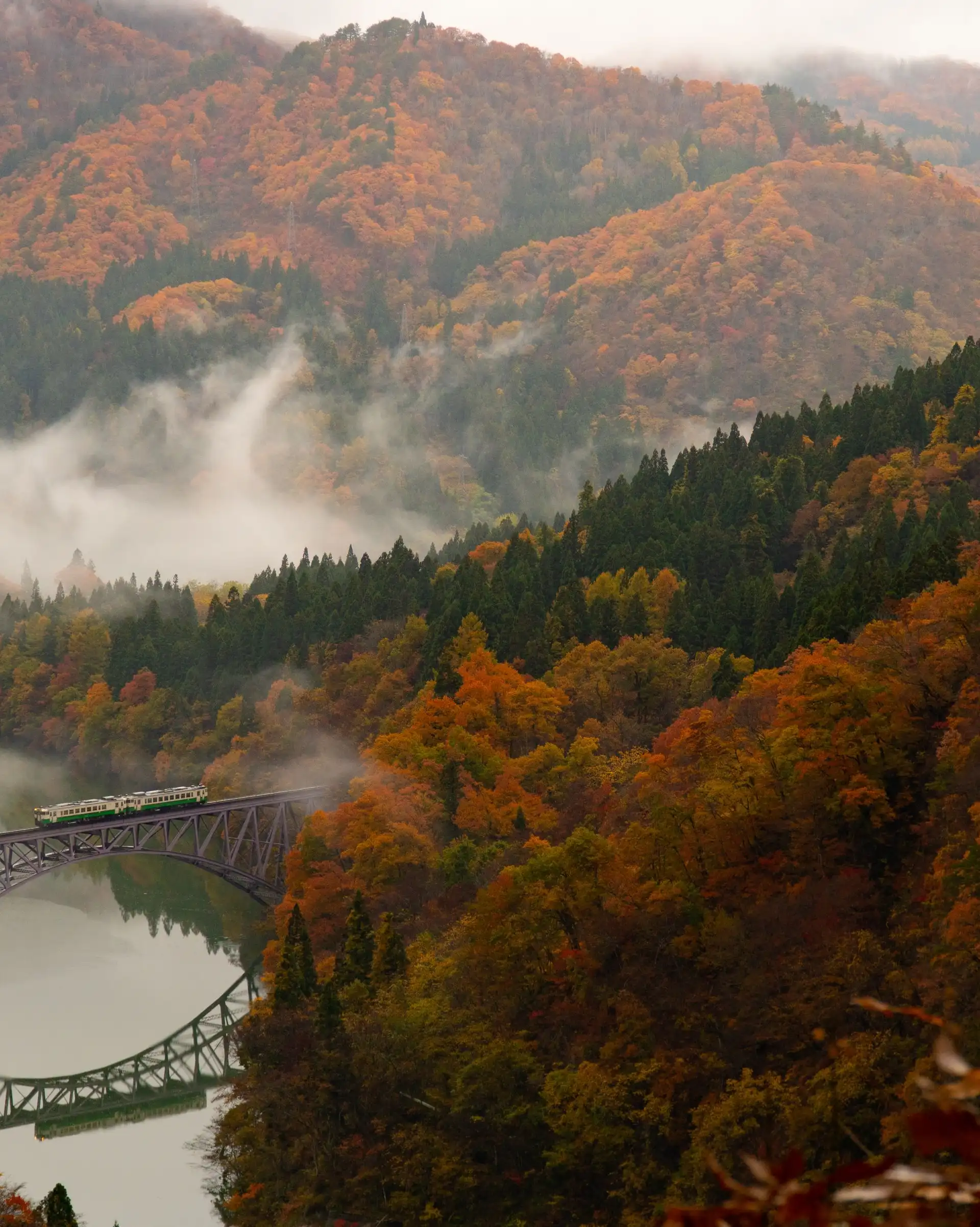
Lesser-known local transportation options to explore:
Japan is full of treasures throughout the country. Do not hesitate to get lost in cities and discover small temples and shrines that have retained their traditional charm. Small cafés and restaurants tucked away in quiet side streets can provide some of your most memorable culinary experiences, along with some great photo opportunities.
Do not be afraid to take local trains and buses and venture into the suburbs. From Tokyo, you can easily reach Yokohama, Kamakura, Mount Takao and the Izu Peninsula.
From Kyoto, you can easily head towards the shores of Lake Biwa, Japan’s largest freshwater lake, while stopping in Uji or Wazuka and its matcha tea fields.
From Kanazawa, you can set off to explore the Noto Peninsula or traditional villages in the heart of the Japanese Alps, such as Shirakawa-go.
Alternative itinerary ideas and immersive experiences:
The art of traveling off the beaten track in Japan is above all about making choices: accepting a slower pace, tasting lesser-known regional specialties, staying in authentic accommodations, or simply enjoying the moment with local residents. At Shanti Travel, drawing on my experience in the field, I offer to create an authentic off-the-beaten-track trip to Japan with and for you.
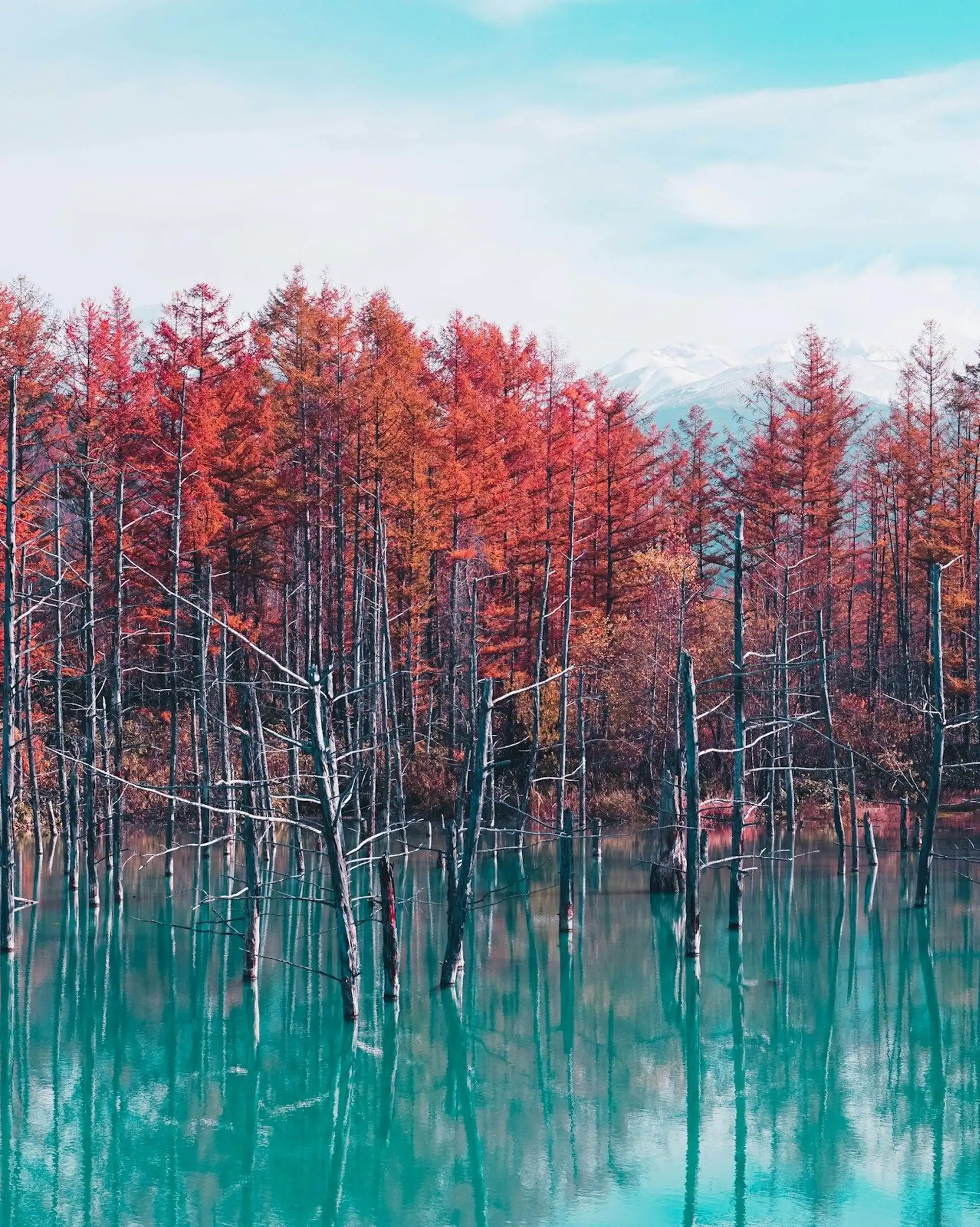
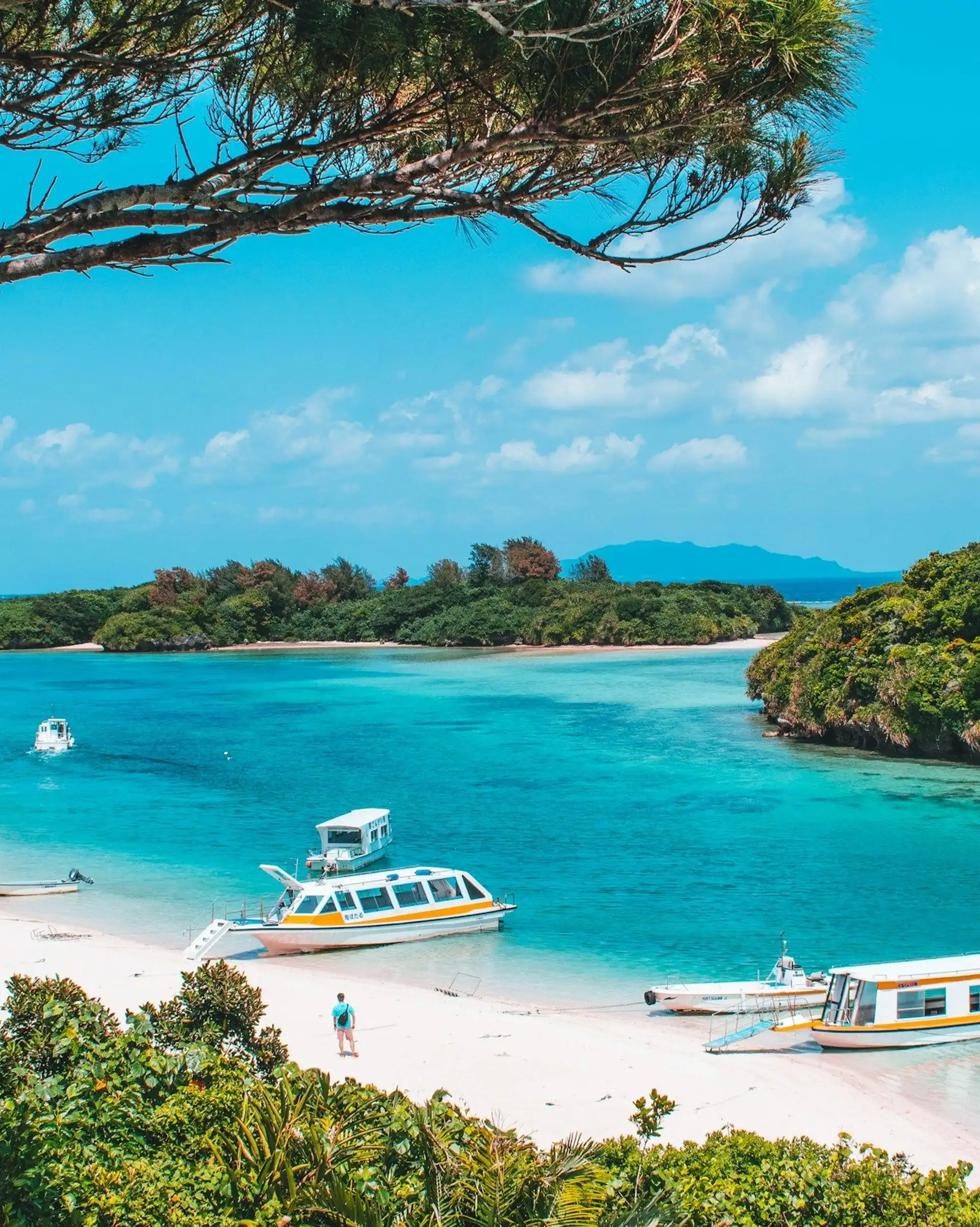
Tohoku, Shikoku, the Noto Peninsula, the Japanese Alps and some of the islands of Okinawa offer the opportunity to discover a less-visited, more rural side of Japan. The best choice depends in particular on the season and the amount of time available.
You can reduce the crowds by visiting must-see sites early in the morning, in the evening or on weekdays. Traveling outside the busiest periods, such as the cherry blossom season and autumn foliage season, can also allow you to experience a quieter side of Japan.
Minshuku, guesthouses and ryokan are smaller types of accommodation and are often closer to local life. Some also offer traditional meals or hot spring baths.
Yes. Regional trains, local buses, scenic railway lines and bicycles make it possible to explore many less-touristy destinations. In some rural or island regions, however, a car can provide greater freedom.
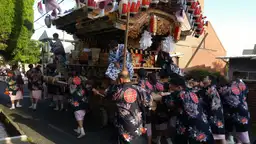
Taking part in a local matsuri, joining a traditional craft workshop, attending a tea ceremony or meeting local residents are all ways to discover Japanese culture outside the classic tourist routes.
Subscribe and receive our travel inspirations and practical advice twice a month.
Wanting to share your trip with a group?