Your expert on destination Laos
Mount Phousi is the 100-metre sacred hill at the centre of Luang Prabang. 328 steps lead to the golden That Chom Si stupa and a 360-degree view over the Mekong and the Namkhan. Entry is 60,000 kip for foreigners as of November 2026, and the sunset is lovely but crowded.
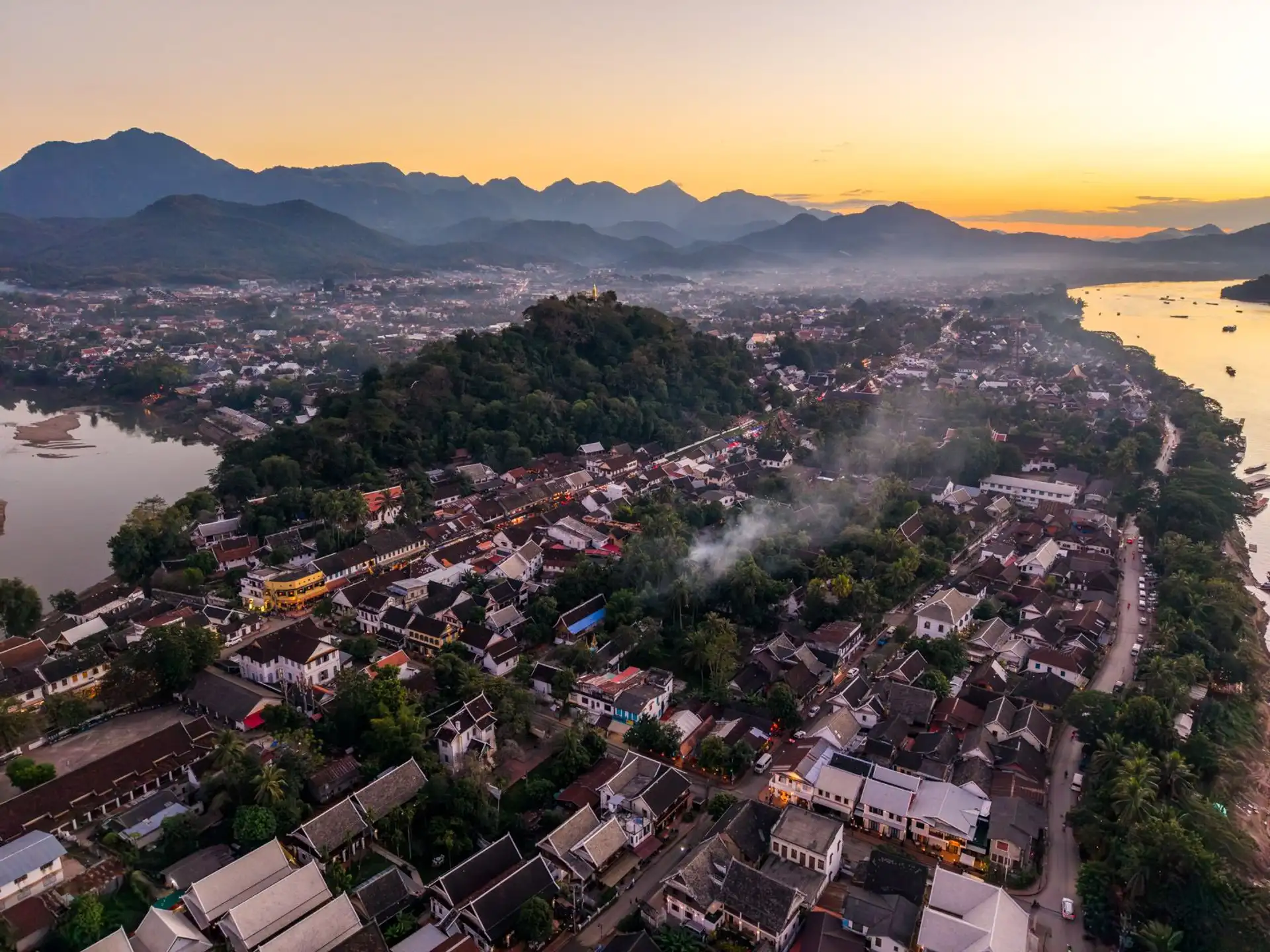
Mount Phousi (also called Phousi Hill) rises 100 metres between the Mekong and the Namkhan River, in the middle of Luang Prabang's historic peninsula. The main route is 328 steps behind the Royal Palace, ending at the 20-metre gilded stupa That Chom Si.
| Height | 100 m |
| Steps (main staircase) | 328 |
| Hours | 06:00 to 18:00, depending on the season |
| Entrance fee for foreigners | 60,000 kip as of November 2026 (30,000 kip before 15 November) |
| Summit | That Chom Si, 20 m |
Two staircases climb the hill, with small temples and shrines along the way, so it works as a short walk rather than a hike. To fit it into a day in town, see our plan for 24 hours in Luang Prabang.
In Lao, Phousi means "sacred mountain" or "sacred hill", and the name fits. The hill stands in the very middle of the peninsula, so it is the geographical centre of Luang Prabang as well as a spiritual one.
Local tradition adds a guardian. According to Buddhist and Hindu beliefs, a powerful Naga, a half-human, half-serpent deity, once lived on the mountain and protected the place and its people. The story is still part of how Lao people see the hill, and it gives every step of the climb a touch of the mythical.
The main staircase starts behind the Royal Palace and has 328 steps. It holds most of the hill's important sites, and the climb feels like a Buddhist trail: small shrines, golden statues and sanctuaries appear one after another.
Along the way you'll pass Buddhas in several mudras, the hand positions that carry a meaning:
The second staircase rises from Thanon Phousi (Phousi street). It has fewer sites but several panoramic viewpoints. Go up one staircase and down the other, and you see the whole hill without retracing your steps.
About halfway up, Wat Tham Phousi is a small cave temple and one of the quietest stops of the visit. A natural cave has become a sanctuary, with several Buddha statues, some gilded and others plain.
Monks and local pilgrims come here to meditate, and that shapes the atmosphere. The cave is nearly dark, incense lingers in the air and visitors tend to lower their voices without being asked. It is a reminder that Mount Phousi is a working place of worship, not only a viewpoint.
After the 328 steps you reach That Chom Si (Wat Chomsi), the 20-metre gilded stupa that crowns the hill. It was built in 1804 by King Anourat. The structure is slender and stands on a white rectangular base, topped with a seven-tiered parasol that stands for the stages of enlightenment. According to Luang Prabang's official tourism site, the stupa was first restored in 1914 under Chao Kom Khun Duangchanh, and the site has a 360-degree virtual tour if you want a preview.
The gilding comes from centuries of offerings by worshippers, each adding to the monument.
The summit is a narrow platform with a view in every direction. On one side the Mekong winds past the town. On the other, the Namkhan glitters between green hills. In clear weather you can see the wooded mountains to the east. The view explains the layout of Luang Prabang better than any map: a town held between two rivers and dotted with temple roofs.
Mount Phousi sunset is spectacular, but the That Chom Si platform is narrow and fills from about 4 pm. In high season it holds several hundred visitors. If you want calm, go in the morning or during the day. If you want the sunset anyway, arrive early and claim a spot at the railing before the light starts to change.
The reward is real. The low sun turns the rooftops, the river and the stupa gold, and the whole town glows. But expect elbows, raised phones and a slow, crowded descent afterwards. Visitors who care more about the temples than the photograph usually enjoy the hill more in daylight, when the cave temple and the shrines can be seen at your own pace.
If you choose the evening, plan the rest of your day around it: 24 hours in Luang Prabang shows how to fit the climb in. For the wider picture of the country, our Laos travel guide covers regions, seasons and routes.
Entry is 60,000 kip for foreigners as of November 2026, up from 30,000 kip, and the hill is open 06:00 to 18:00, depending on the season. The new rate applies from 15 November 2026. The official tourism site publishes the fees and hours, and it is worth a look before you go, as seasonal hours can shift.
Mount Phousi is a religious site, so modest dress is expected, as in all temples in Laos:
A hat and water are sensible, and shoes you can slip off easily make the temple stops simpler.
Mount Phousi fits well into a longer stay in Luang Prabang, alongside the temples, the Royal Palace and the river. Our local experts in Laos can build the town into a tailor-made trip, with the climb timed to the light and the crowds. Browse trips to Laos for ideas, or talk to a local expert in Laos and start shaping your route.
No. According to the official tourism site, as of November 2026, children under 7 enter free. Lao citizens pay 10,000 kip, rising to 15,000 kip from 15 November 2026. Rates can change and are collected at the gate, so ask there if you are travelling with children or a Lao companion.
Legend says a deep pit on the hill once led to the centre of the earth. A monk and villagers went down and found a treasure, but the villagers betrayed him and sealed the pit. He escaped by defeating its seven guardians. The king sentenced the villagers to beat drums, gongs and cymbals every three hours, a ritual still heard near Wat Thum Thao.
The small statues are the Buddhas of each day of the week, in saffron robes that are freshly changed, with daily offerings from local worshippers. The many-headed serpents are Mucalinda, the Buddha's protector, guarding key stages of the staircase. Look for a Buddha footprint carved in the rock, where locals leave flowers or incense.
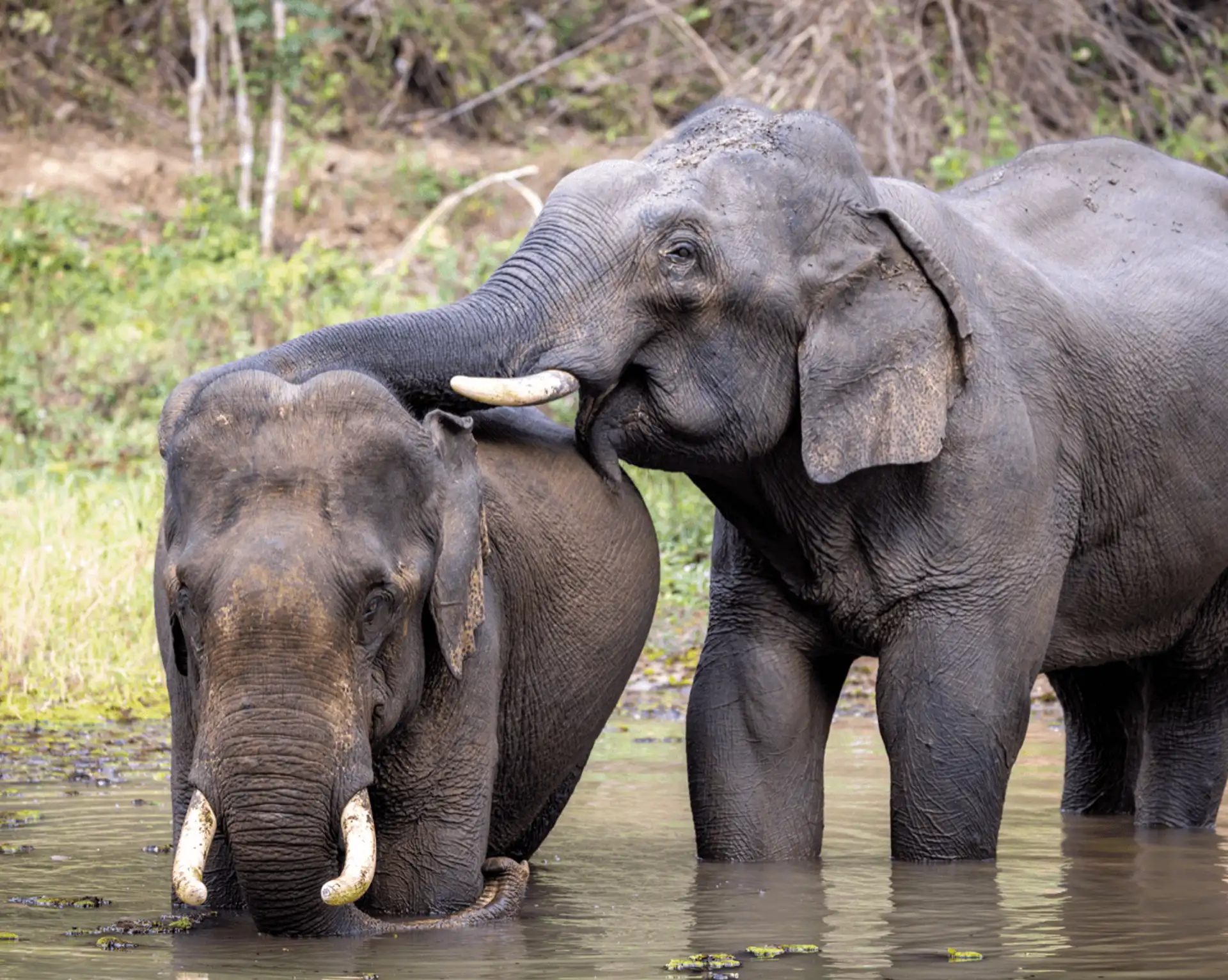
Discover the Elephant Conservation Center (ECC) in Laos, an ethical sanctuary accessible from Luang Prabang. Conservation, reintroduction and immersive experiences are on the programme.
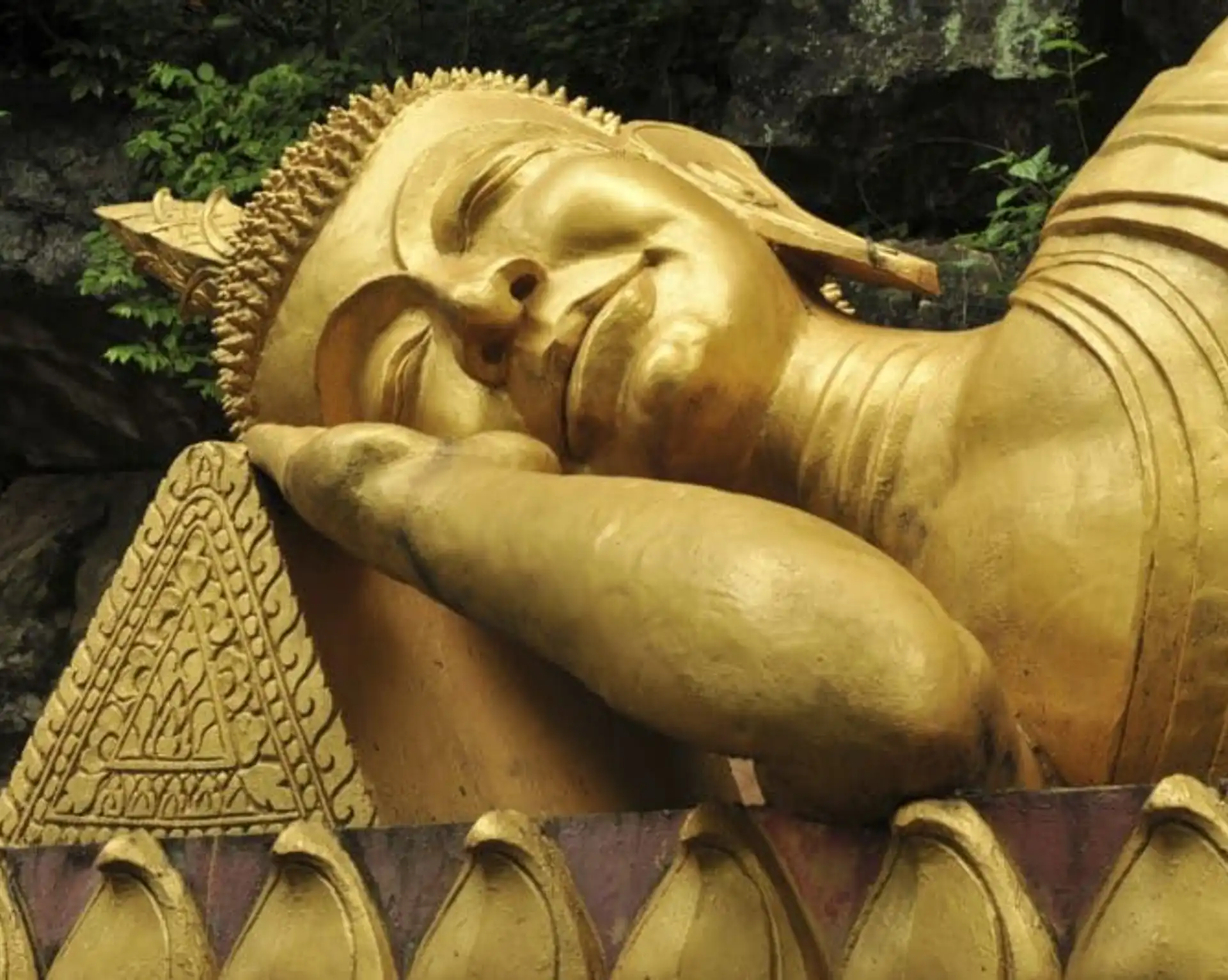
Discover the timeless magic of Luang Prabang, a Lao gem where tradition and modernity blend harmoniously. With its temples, natural landscapes, and local flavours, this UNESCO-listed city awakens the senses at every moment. Get ready for an authentic escape in the heart of Laos, perfect for discovering the city's charm in just 24 hours.
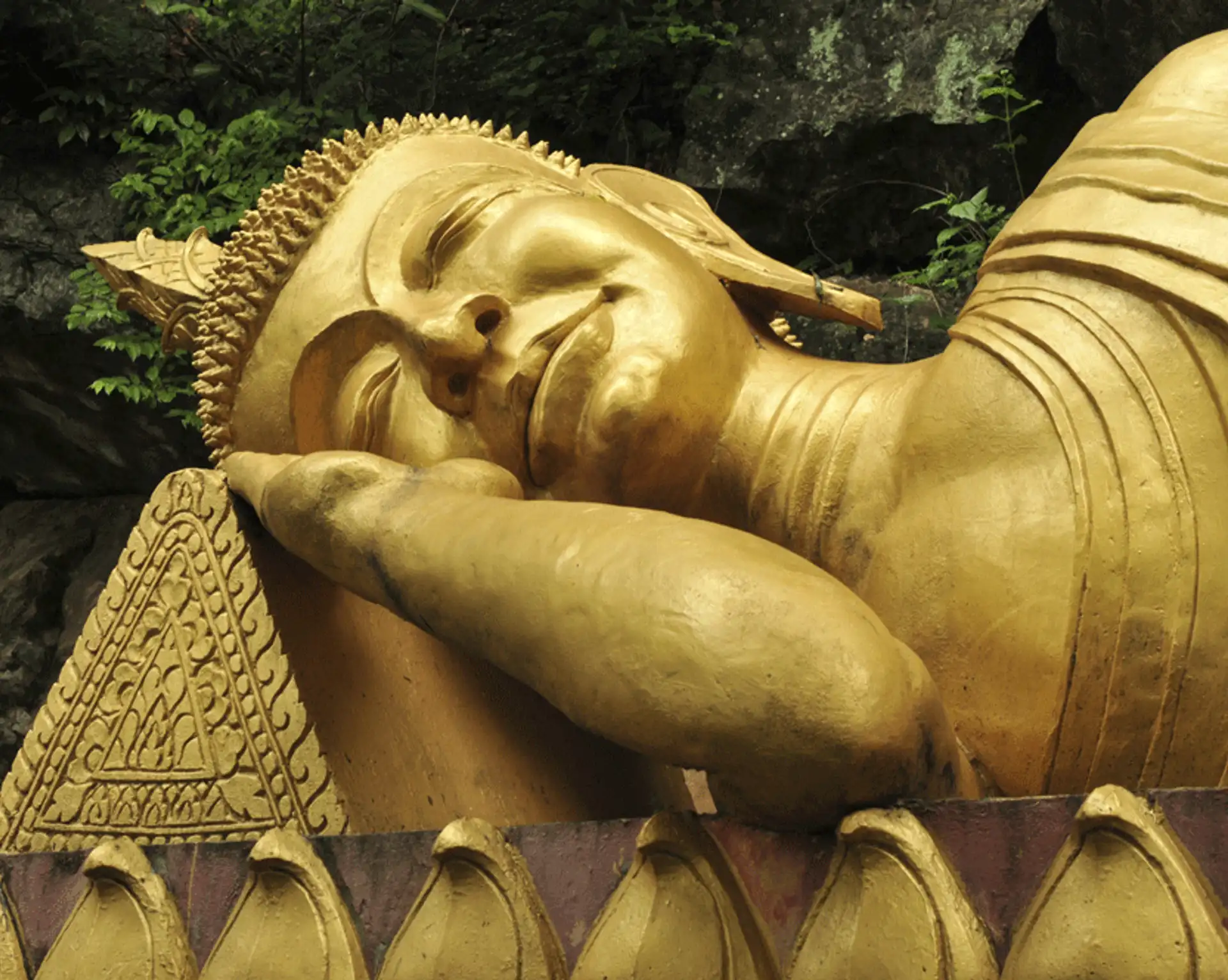
Discover a different side of Laos, where majestic landscapes meet centuries-old traditions and villages rich in authenticity. Let these five iconic destinations reveal the timeless charm of one of Southeast Asia’s most unspoiled countries.
Subscribe and receive our travel inspirations and practical advice twice a month.
Wanting to share your trip with a group?