Australia Packing List: What to Pack for Every Season
Your Australia packing list comes down to light layers, sun protection, sturdy broken-in shoes, a power adapter and a first-aid kit. The country runs from tropical heat to cold desert nights, and its seasons are the reverse of the northern hemisphere's. Read the full Australia travel guide for planning beyond the suitcase.
What to pack for Australia: the checklist
For Australia, pack light breathable layers, a thin fleece and a windproof waterproof jacket, broken-in walking shoes, a wide-brimmed hat, sunglasses and coral-friendly sunscreen, a universal power adapter and a basic first-aid kit with insect repellent.
Versatility is the goal. A trip often takes you from the beach to the bush within a few days, so every item should earn its place in more than one setting.
| Category | Pack | Why |
|---|---|---|
| Clothing | Breathable t-shirts, a thin fleece, a windproof waterproof jacket, convertible trousers that zip into shorts | Cool mornings and evenings, easy layering, one pair of trousers for hot days and cold ones |
| Footwear | Broken-in hiking shoes, walking socks without seams | Red sand, rocky paths and long walks; socks without seams prevent blisters |
| Sun | Wide-brimmed hat, category 3 or 4 sunglasses, coral-friendly sunscreen | Australia's UV index is among the highest in the world |
| Water | Swimsuit, rashguard, small waterproof bag | Sun cover in the water, and protection for your belongings from sand and salt water |
| Health | Basic first-aid kit (disinfectant, plasters, painkillers), fly and mosquito repellent | Pharmacies are rare outside the cities |
| Tech | Universal adapter, high-capacity power bank | Long drives, GPS and photos drain a phone fast |
| Documents | Passport, driving licence, printed copies of bookings, your entry authorisation | Needed for check-in, car rental and border control |
Pack in layers: temperatures swing within one day
Think thermoregulation. Australia can swing from warm to cold within a single day, so the best approach is to build layers you can take off and put back on without thinking about it.
The base is a breathable t-shirt. Over it goes a thin fleece, which earns its place on cool mornings and evenings. On top, a windproof, waterproof jacket closes the system. That three-layer setup works across every climate zone a tour of Australia can cross.
The zones behave differently. In the tropical north the air is humid and hot. In the desert it is scorching by day and drops sharply at night. In the south, a cool wind can make a sunny day feel colder than it looks.
Not sure which regions to pack for? Our local experts can match the kit to your route: talk to a local expert.
Australian seasons are the reverse of the northern hemisphere
Australia's seasons are the reverse of the northern hemisphere's: summer runs December to February and winter June to August, according to Tourism Australia.
| Season | Months |
|---|---|
| Summer | December to February |
| Autumn | March to May |
| Winter | June to August |
| Spring | September to November |
If you travel in summer, pack light layers and full sun protection. In winter, bring the fleece and the shell for the south and for desert nights. The same rule holds all year: what to wear in Australia depends more on where you are than on the date, which is why the layering system matters more than any single warm or cool piece.
Outback and hiking gear
The desert is scorching by day, then temperatures drop drastically at night. Pack a light pair of convertible walking trousers that turn into shorts, so one item covers both.
Your shoes matter more than anything else here. Choose hiking shoes you have already broken in, because the red sand of Uluru and the rocky paths of the Blue Mountains are hard on new soles and fresh heels. Walking socks without seams complete the set and cut the risk of blisters on long Outback days.
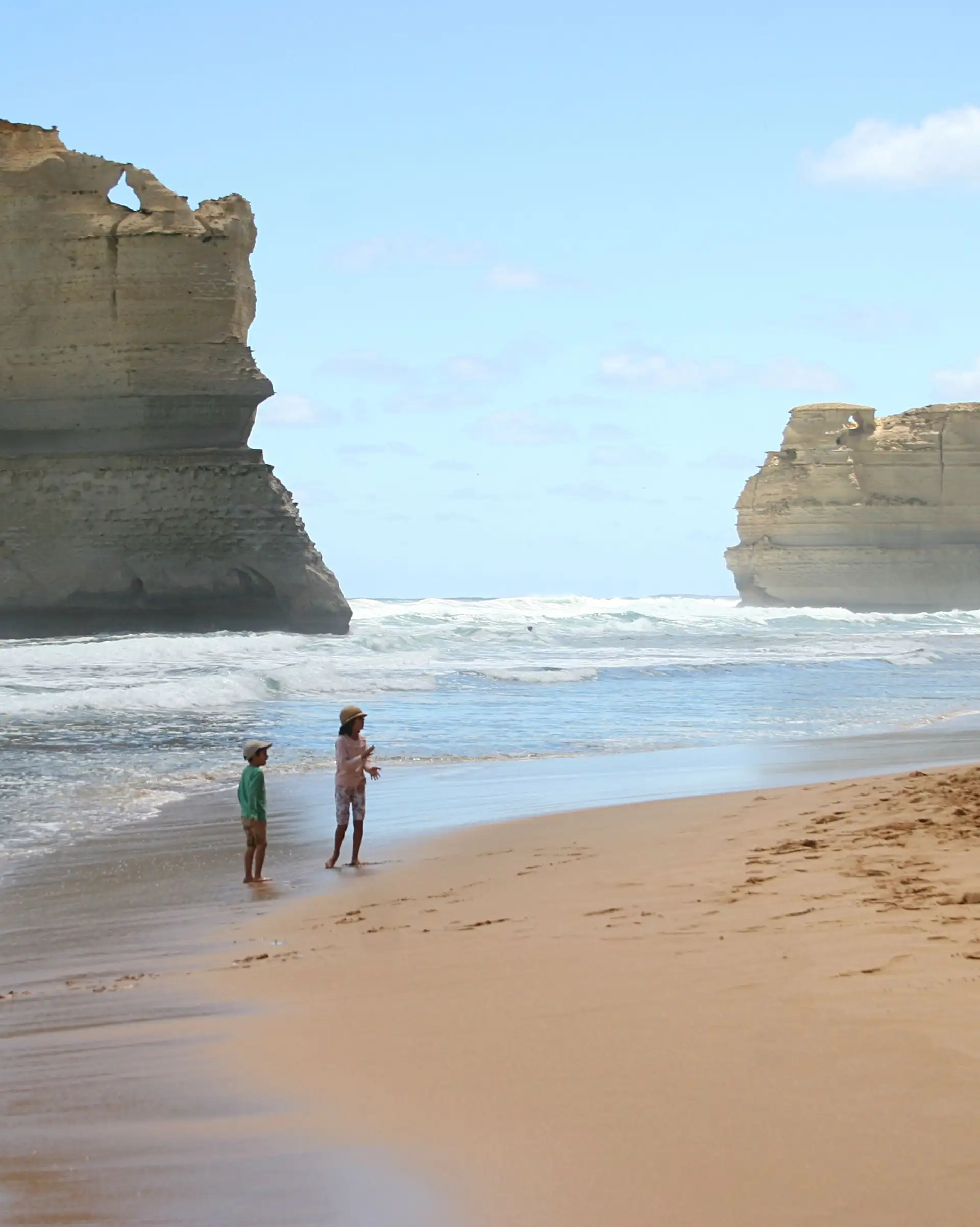
Kings Canyon is another place where good footwear pays off, with steep orange rock formations that glow in the late light. Wear the shoes on the plane if you want to be sure they arrive.
Beach, snorkelling and coast
You will spend time near the ocean, so besides the swimsuit, bring a rashguard (an anti-UV t-shirt). A rashguard is recommended for sun protection while snorkelling, and in tropical waters during stinger season. It also prevents irritation from a surfboard.
Add a small waterproof bag to your case. It keeps your phone, wallet and papers safe from fine sand and salt water, especially on boat excursions.
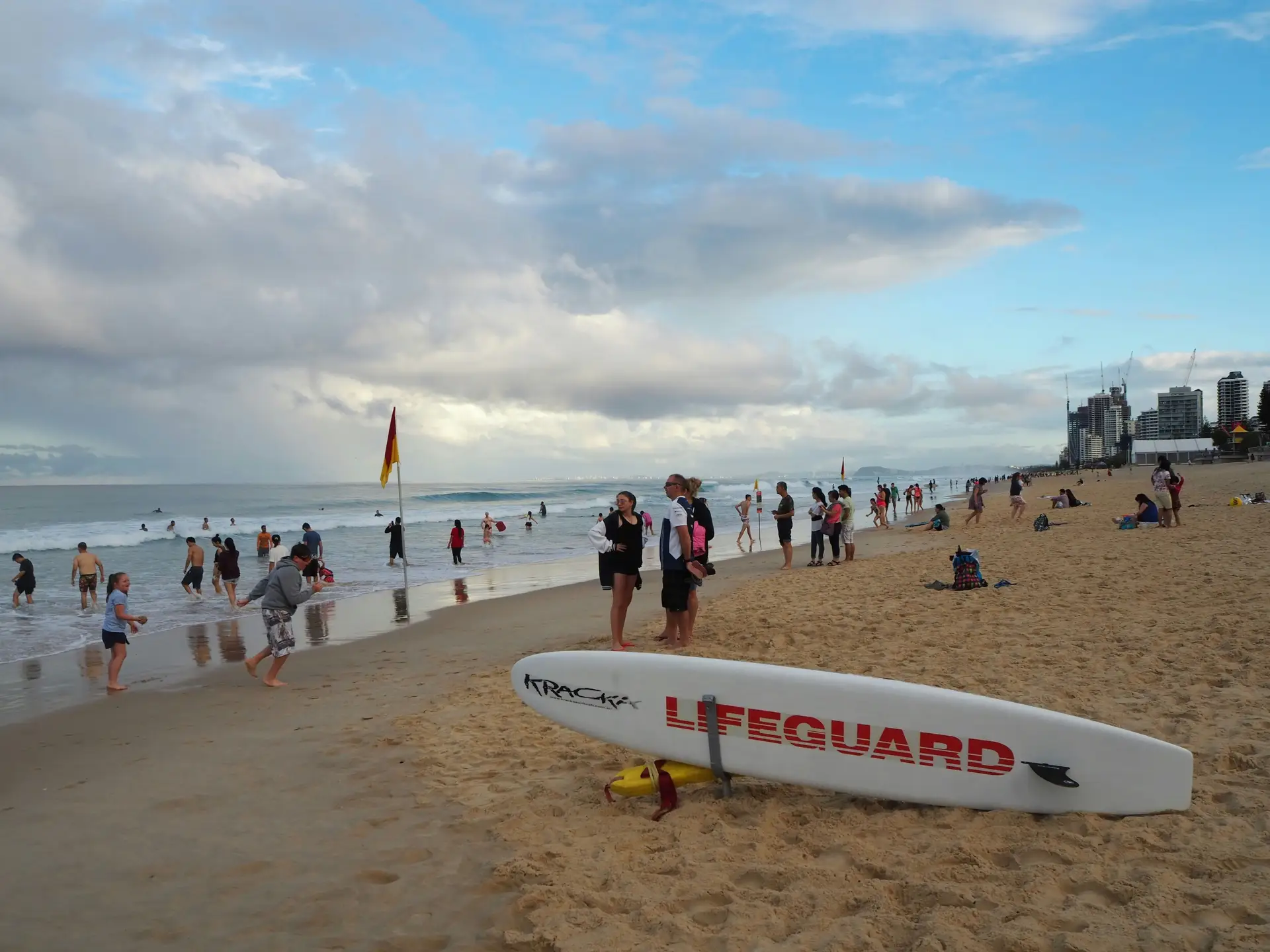
Coastal stops such as the Gold Coast or Stradbroke Island reward a light packing approach: a swimsuit, a rashguard, a hat and little else. If you plan to drive the coast, our east coast road trip route shows how many beach stops fit into a single trip.
Sun protection
Australia's UV index is among the highest in the world, so sun protection is not optional. Treat it as the first thing you pack, not the last.
- Hat: wide-brimmed, not just a cap, so your neck and ears are covered.
- Sunglasses: category 3 or 4.
- Sunscreen: coral-friendly, especially if you will swim or snorkel near reefs.
- Clothing: many technical fabrics are treated against UV, which protects arms and shoulders better than a regular cotton t-shirt.
Electronics, documents and what not to bring
Bring a universal adapter, since Australia has its own plug type; see power and plug details before you buy. Add a high-capacity power bank. Drives are long, and GPS and photos use a lot of battery.
Biosecurity matters on arrival: declare food, animal products and plant material. Our travel tips page covers what not to bring into Australia.
For documents, carry your passport and your driving licence. If your rental company asks for an international driving permit, you will need it at the desk, so check when you book. For your entry authorisation, the same travel tips page explains what applies to your passport.
First-aid kit for the bush
Outside the cities, pharmacies are rare. A good case for Australia holds a basic first-aid kit with disinfectant, plasters and painkillers.
Bring a strong fly and mosquito repellent, or buy one from day one. In the bush or near water at dusk, it makes the difference between an evening you enjoy and one you spend swatting.
Packing light and room for souvenirs
Closing the case is usually the last step before departure. Favour practicality over extras: technical, comfortable clothing, serious protection against sun and insects, and a little space for souvenirs on the way back.
Is your suitcase ready? Time to plot your route. Explore our tailor-made trip ideas for Australia, or tell us about your trip and a local expert will design it with you.
Australia packing FAQ
Each container must hold 100 ml or 100 g or less, according to the Australian Border Force (page dated 25 March 2025). Qantas and Virgin Australia apply the same limit. If you know the US wording of 3.4 oz, it is the same rule. Check the Border Force page before you fly.
Tourism Australia gives November to April as the wet season, which applies to the far north, where the climate is monsoonal. Keep the waterproof jacket and the small waterproof bag within reach rather than at the bottom of your case. Check Bureau of Meteorology forecasts for your route before you leave.