Dressing right for your trip to China
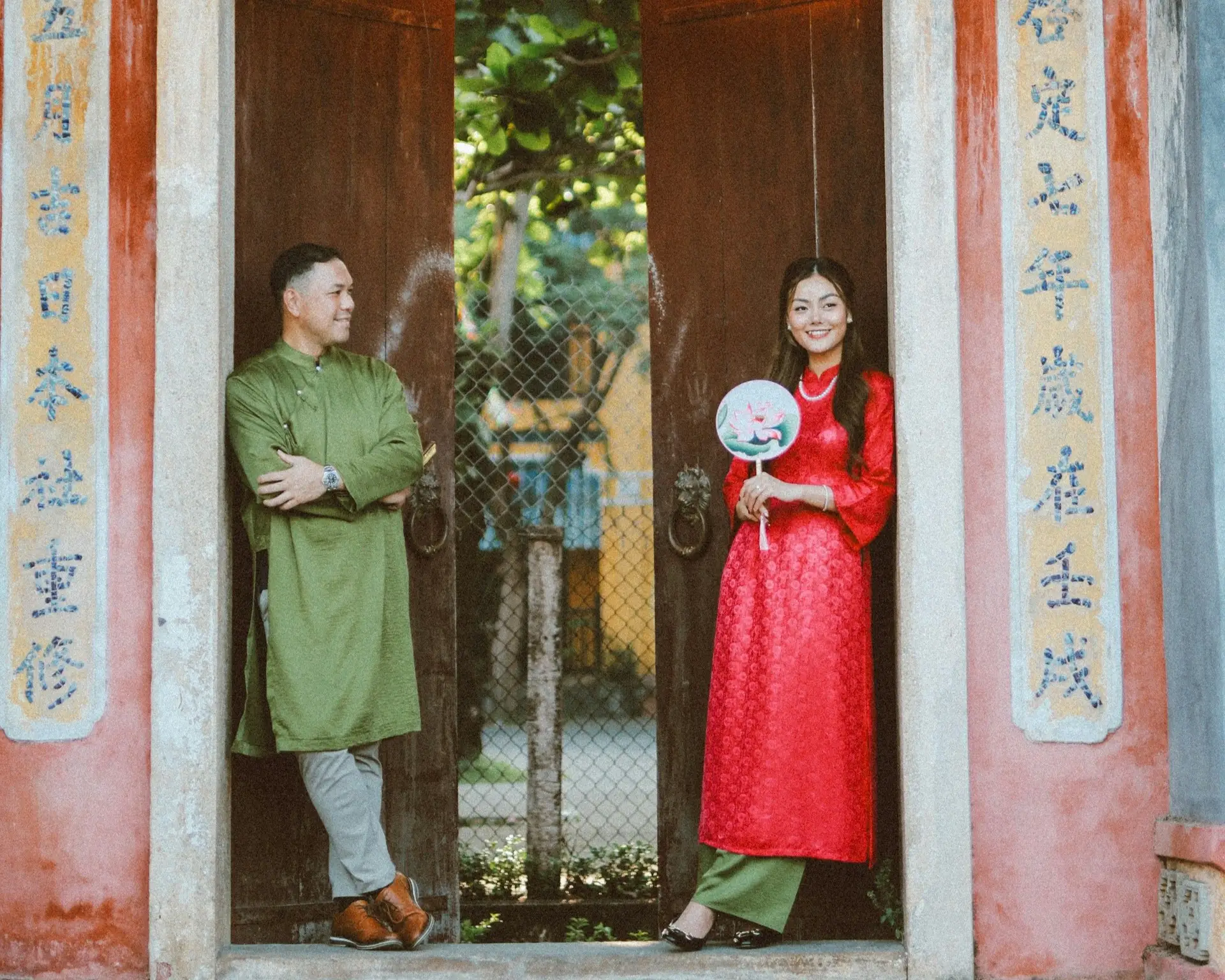
China is a destination of striking contrasts. You move seamlessly from the buzz of globalised megacities to the calm of traditional countryside. This geographic and cultural diversity means giving some real thought to what goes in your suitcase.
Choosing the right clothes for a trip to China isn't about restriction — it's an opportunity to travel light while respecting local customs. The golden rule is versatility. Whether you plan to climb the Great Wall, meet local craftspeople, or dine at a trendy restaurant in Beijing, your outfit needs to adapt quickly.
Our local agency in China helps you with this logistical preparation. With expert advice from your local specialist, you'll have a better understanding of local customs, regional climates and practical considerations . You can set off with peace of mind, ready to enjoy every stage of your tailor-made trip in the best possible conditions.
1. Everyday life: between urban modernity and rural tradition
Appearance in the big megacities
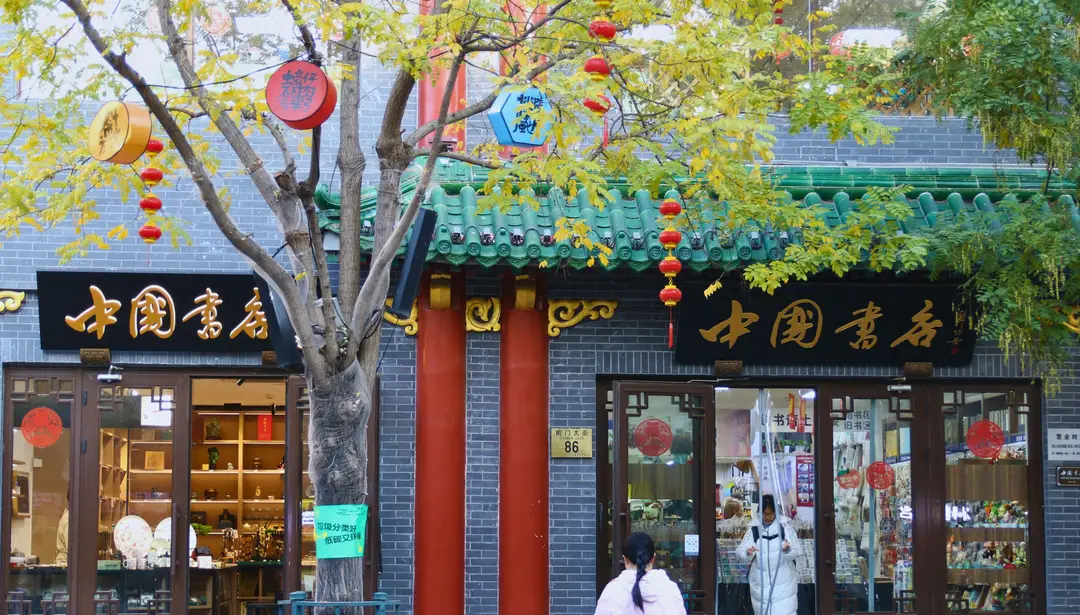
China's major cities, such as Shanghai, Shenzhen and Beijing, are at the cutting edge of fashion. Style there is thoroughly modern, polished and sometimes very sharp. In these urban settings, locals value a clean, neat appearance. For a Western traveller, casual outfits (shorts, t-shirts, summer dresses) are perfectly acceptable in tourist and shopping districts. That said, overly short, very tight-fitting or scruffy clothing will inevitably draw attention. During your stay in China, keep things simple: comfortable, understated, well-fitted clothing is always the best choice for blending into city life.
Modesty in more traditional regions
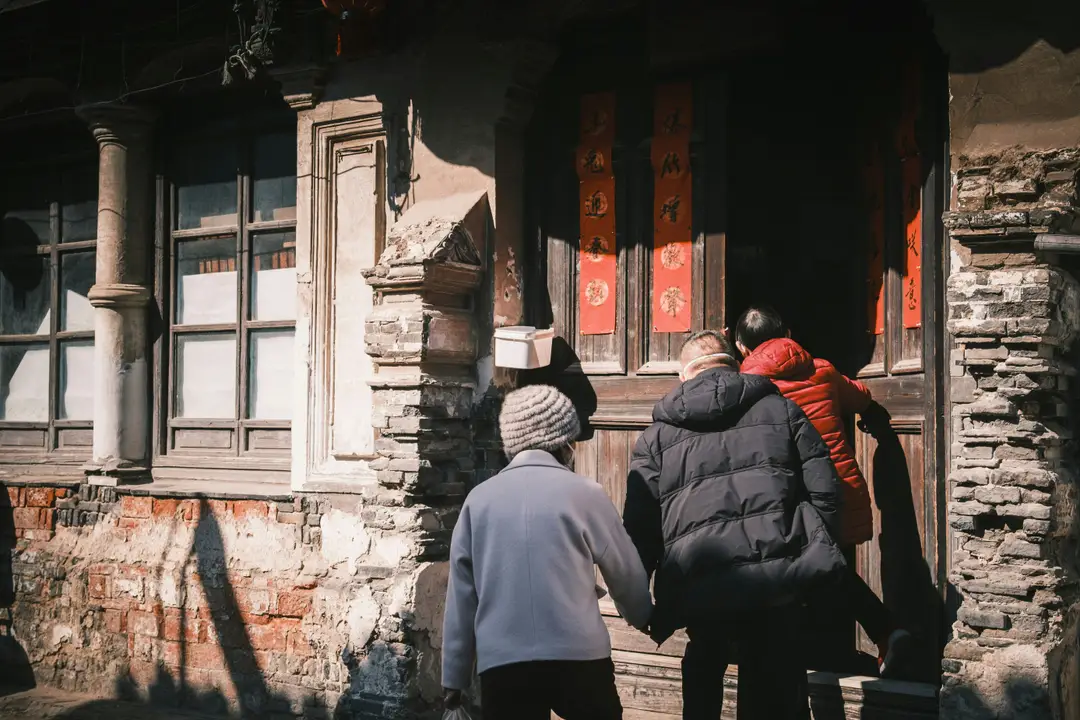
As soon as you leave the main thoroughfares for more remote provinces, the norms shift. In villages or areas less exposed to international tourism, modesty remains a deeply held value. Very low-cut vests, crop tops or bare shoulders can be seen as inappropriate. Adjusting your dress code in these regions is a mark of real respect for the communities welcoming you. Choose lightweight but covering clothing, which will also protect you very effectively from the sun during your excursions.

2. Visiting historical and religious sites: the golden rules
Buddhist and Taoist temples
Exploring sacred sites is a highlight of any trip to China.** When visiting Buddhist or Taoist temples, dressing respectfully is an important part of local etiquette. Shoulders and legs should be covered, with clothing reaching at least to the knees.** If you’re planning to visit a temple and explore the town on a hot day, simply pack a pair of lightweight trousers or a sarong in your backpack. You can then cover up when entering the temple while staying comfortable for the rest of your day.
Mosques and official sites
China's cultural diversity includes stunning mosques, especially if your tailor-made itinerary passes through Xinjiang province. In these places of worship, modest, loose-fitting,and fully covering clothing is expected. Similarly, highly symbolic and official sites (such as the Mausoleum of Mao Zedong on Tiananmen Square)also call for modest dress. Beachwear, flip-flops or clothing bearing provocative slogans may result in denied entry.
3. Comfort first: footwear and indoors
The vital importance of walking shoes
This is the key part of your logistics: distances covered on foot in China are considerable. Whether wandering the vast Forbidden City, walking through huge train stations or exploring national parks, your feet will be put to the test. Recent travel guides are unanimous: extremely comfortable walking shoes, already broken in, are essential. Never sacrifice comfort for style when it comes to your footwear for your trip to China.
Etiquette when staying with locals
If you have the privilege of being invited into someone's home or staying in a traditional guesthouse, removing your shoes is a strict social requirement. You never enter a home wearing outdoor shoes. Your hosts will always provide slippers at the entrance. For your own comfort and to respect the local customs of hospitality, make sure to wear clean socks on these visits.
4. Colours and accessories: cultural faux pas to avoid
The green hat trap
Certain accessories carry a strong, unexpected symbolism. The most famous example is the green hat for men. In Chinese popular culture, wearing a green hat implies that you have been cheated on by your partner. It's a classic traveller's mistake that usually causes amusement or confusion among locals. While green clothing isn't a problem, leave any green headwear out of your suitcase.
All-white or all-black outfits
Solid white and solid black are traditionally associated with mourning and funeral ceremonies in local culture. While younger, urban generations are adopting these colours in contemporary fashion, it's best to avoid an all-white or all-black monochrome look for ordinary social occasions or if you're a guest somewhere. Breaking up these colours with accessories or other coloured items is a simple, stylish way to adapt your dress code in China.
5. Preparing for the air-conditioning temperature shock
The essential layering technique
Travellers very often underestimate the temperature contrast. In summer, the outdoors can be overwhelmingly hot and humid, while indoor spaces (shopping centres, restaurants, hotels) and transport (high-speed trains, subways) are extremely air-conditioned. To cope with this temperature shock without overpacking, adopt the layering technique.
Strategic packing
Always carry an extra layer with you during your stay in China. A light gilet, a thin jacket or a large, compact scarf tucked into your day bag is plenty. This small addition to your kit ensures your comfort on the long train journeys that punctuate your tailor-made trip.
Preparing your suitcase with China's dress code in mind is the first step towards a successful immersion. By choosing understated, practical clothing that respects the places you visit, you free yourself from material worries once you're there. Relying on a local agency in China guarantees the quality of your preparation. Focus on what matters: human encounters and beautiful landscapes. You are now perfectly equipped to set off on this great journey through China in total comfort.
FAQ
No, there's no need for a suit or very smart attire. Clean, neat, well-fitted clothing (trousers, shirt or simple top) is more than enough for restaurants, cafés or modern shopping centres.
Yes, in big cities and tourist areas, shorts are widely accepted, especially in hot weather. It's best to avoid very short or very tight styles, particularly when visiting temples or official sites.
In major cities, tattoos are increasingly common and generally accepted. In rural areas or religious settings, it may be best to partially cover them out of respect, especially if the designs are very visible.
No, there's no particular dress code, but the trains are heavily air-conditioned and journeys can be long. Comfortable clothing and an extra layer (gilet or scarf) are recommended to avoid getting cold.
In informal settings, yes, they're common in summer. However, for smarter restaurants, bars or certain hotels, closed shoes or dressier sandals give a more appropriate impression.
Simple but neat clothing is the ideal choice: trousers or a midi skirt, a top without a deep neckline, shoulders covered if possible. The idea is to show respect without overdoing it.
Yes, especially according to climate and local conservatism. In big coastal cities, style is more modern; in some western or rural regions, more covering, understated clothing is better accepted and more comfortable.