What to Pack for Kyrgyzstan: Packing List by Season
What to pack for Kyrgyzstan comes down to layers. Summer days run about 28-36°C (82-97°F) in Bishkek and Osh and 15-22°C (59-72°F) in the mountains (as of November 2026), and nights at altitude drop to 5-10°C (41-50°F). Bring a fleece, a windproof or waterproof shell, broken-in boots, a head torch, a power bank and a passport valid 6 months after you arrive.
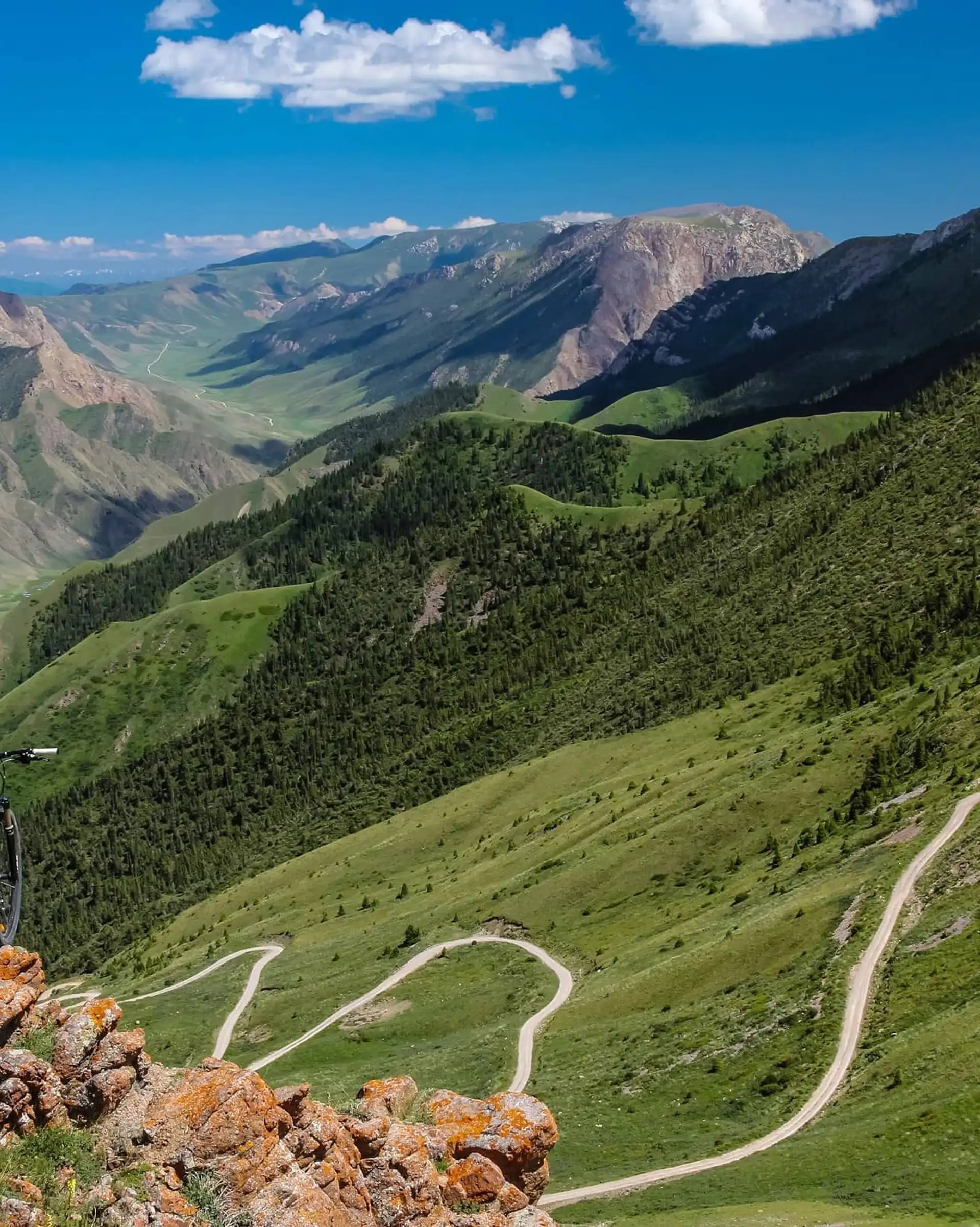
Kyrgyzstan is mountainous, so you get warm days and cool evenings even in summer. For route detail and gear on the trail, see our trekking gear in Kyrgyzstan guide.
What to wear in Kyrgyzstan by season
Temperature swings are large, and altitude matters more than the calendar. A valley town and a yurt camp a few hours away can feel like different seasons.
| Season | Months | What you'll meet | What to wear |
|---|---|---|---|
| Summer | June to September | Hot lowlands (28-36°C / 82-97°F in July), mild mountains (15-22°C / 59-72°F), cold nights at altitude (5-10°C / 41-50°F at Song-Kul) | Light layers by day, fleece and windbreaker for evenings |
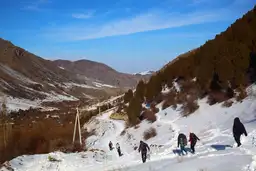
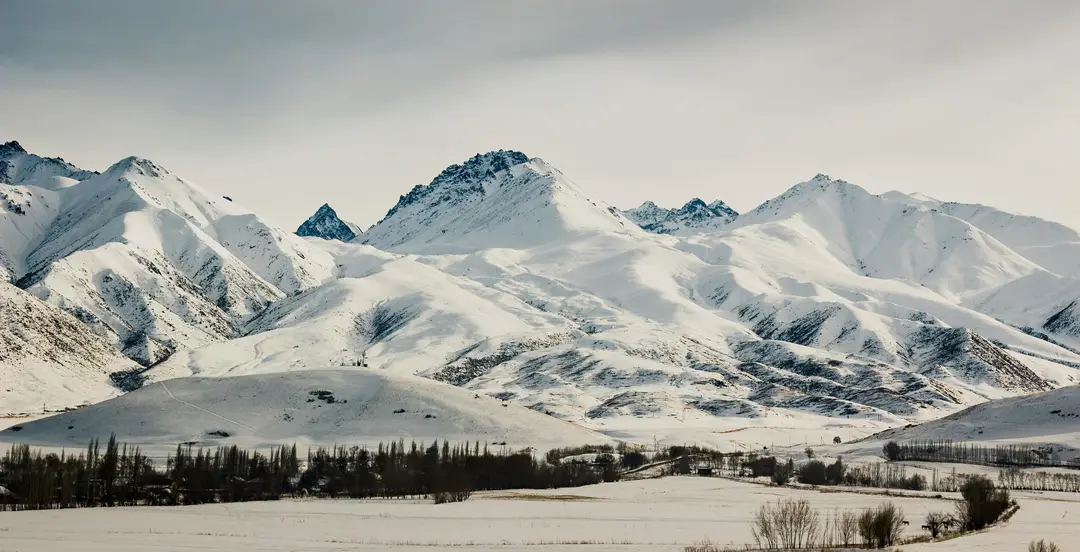
| Winter | November to March | Cold, snow in the mountains | Thermal layers, down jacket, insulated footwear |
| In-between | April-May and October | Changeable weather; October is short and crisp | Three layers you can add or remove |
Cold snaps below 0°C (32°F) can happen at Song-Kul even in August, so keep a warm layer within reach.
Summer (June to September)
- Hiking t-shirts
- Light fleece and windbreaker
- Convertible trousers
- Hat or cap, plus UV400 sunglasses
- Sandals or light trainers
September sits at the end of this range. For what to wear in Kyrgyzstan in September, pack the summer list plus a warm layer for the evenings.
Winter (November to March)
- Thermal base layers (top and bottom)
- Warm trousers and a waterproof jacket
- Hat, gloves, scarf, thick socks
- Warm down jacket for evenings
- Insulated footwear suited to snow
In-between seasons (April-May and October)
- Three-layer system: hiking t-shirt, fleece, waterproof jacket
- Neck warmer
- Softshell jacket or light windbreaker
- Adjustable layers depending on the weather
Trekking and camping gear
If you're heading out to trek in Kyrgyzstan, the right gear matters. Song Kul, Ala-Kul, Jyrgalan and Tash Rabat all offer wild, remote landscapes where being self-sufficient counts. Full route detail is in our Kyrgyzstan trekking guide.
Trekking essentials
- Broken-in hiking boots with ankle support
- Telescopic trekking poles
- 40-60L backpack with rain cover
- Water bottle or hydration bladder (1.5L minimum)
- Light spare clothing
- Microfibre towel
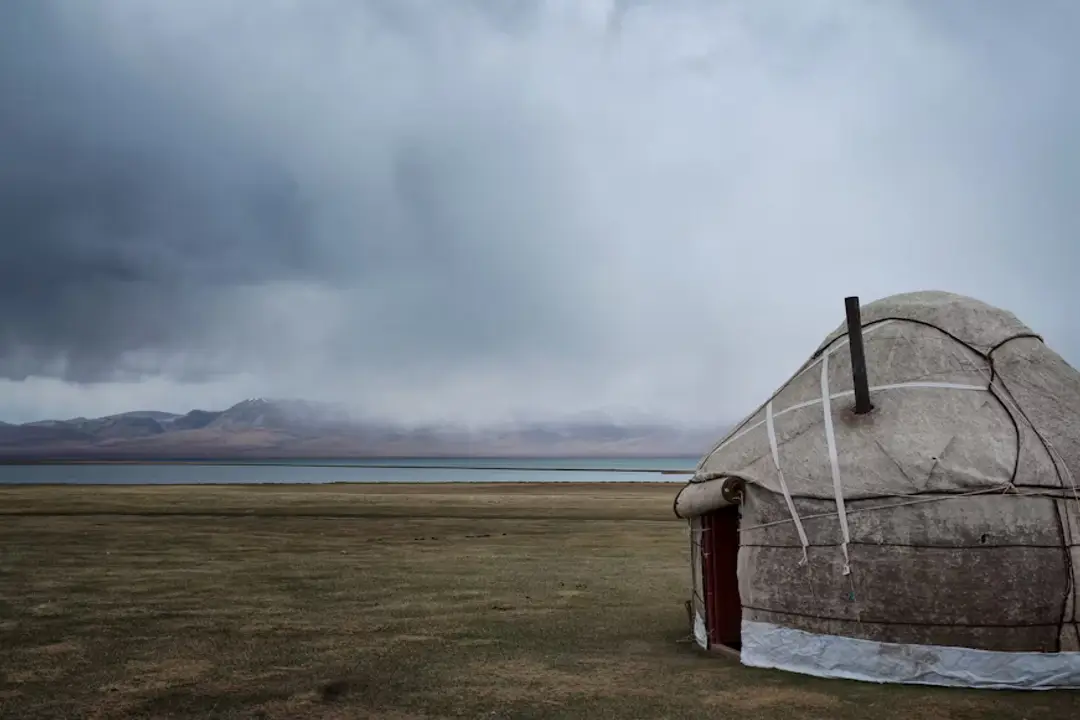
For camping or nights in a yurt
- Sleeping bag (comfort rating -5°C to +5°C, or 23-41°F, depending on season)
- Silk or fleece sleeping bag liner
- Head torch with spare batteries
- Multi-tool knife (packed in your hold luggage!)
- Minimal toiletries and biodegradable soap ;-)
Useful extras
Certain items make a real difference on a high-altitude or multi-day trek.
Essential extras
- Head torch (for evenings in a yurt or night hikes)
- Solar charger or power bank (electricity is scarce at altitude)
- Type C/F plug adapter (round-pin European plugs; mains is 220 V, 50 Hz)
- Earplugs (for wind, animals or noisy neighbours)
- Notebook and pen for jotting down encounters or milestones along the way
Small first-aid kit
- Plasters, antiseptic, aspirin, antihistamines
- Personal medication
- SPF 50 sunscreen and lip balm
- Hand sanitiser and wipes
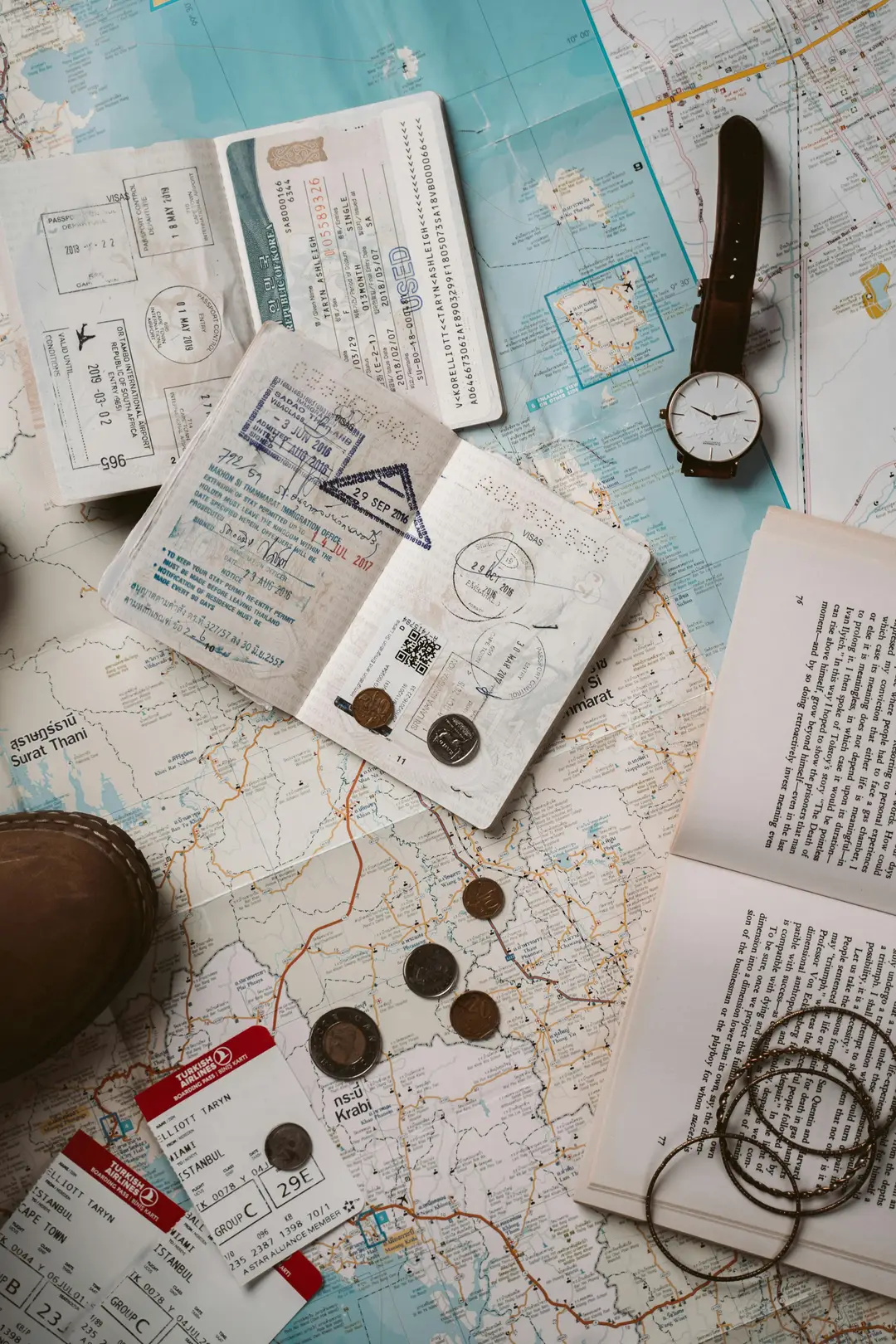
Passport, documents and money
Your passport must be valid for 6 months after the day you arrive in Kyrgyzstan, according to the UK government's entry requirements. Some remote villages have no cash machines, and internet access remains limited.
Must-haves
- Passport valid for 6 months after your arrival date
- Paper and digital copies
- Visa (if required, depending on your nationality); check the rule for your nationality on your government's travel advice before booking
- Flight tickets
- Accommodation confirmation
- Travel insurance with medical cover and repatriation
- Cash
- International bank card
- A discreet wallet
If you'd rather have the packing, routes and yurt stays planned for you, tell us about your trip and a local expert will build it with you.
Tips for travelling light
It's not about bringing everything, it's about having the right gear at the right time.
- Choose versatile, packable clothing
- Skip the "just in case" items
- Split the weight between your main bag and a small day pack
- Pack your things in waterproof or ziplock bags (for rain and dust)
- Keep documents, money and valuables on you during transit
And leave some room in your bag! Between craft items, scarves and souvenirs from the bazaars, you'll likely want to bring a little piece of Kyrgyzstan home with you. If you're still deciding where to go, have a look at our Kyrgyzstan trips.
Kyrgyzstan packing FAQ
Cash is in som (KGS). Cards work in cities and at larger hotels, shops and restaurants, and are less common in rural areas. One operator guide (July 2026) notes that some tour operators add a 5% card fee, so ask before you pay. Carry enough cash for villages and yurt stays.
It depends on your nationality, and the rules are changing: a draft reported in November 2026 would extend visa-free stays for several nationalities. Check your own government's travel advice before booking. UK travellers can use the gov.uk entry requirements page for Kyrgyzstan.
Late June to early September is the best window for the highlands (kyrgyz.tours, August 2026), so a light summer bag suits most trips. If you travel outside those weeks, plan on a heavier bag and check the forecast for your route a few days before you fly.