Best time to visit Saudi Arabia: season, heat and events
The best time to visit Saudi Arabia is October to April, when days are mild and the desert, AlUla and Riyadh are at their best. Summers pass 45°C (113°F) inland. Here is what each season and region feels like, so you can plan your trip to Saudi Arabia around the right weeks. For the wider picture, see our Saudi Arabia travel guide.
Best time to visit Saudi Arabia at a glance
When is the best time to visit Saudi Arabia? From October to April. December to February is the coolest stretch, with daytime highs of 14-25°C (57-77°F) in Riyadh and the west. March to May and September to November are shoulder seasons, and June to September brings extreme heat. Evenings turn cool, especially in the north and the centre, so pack a jacket for nights under the stars.
Which month is the hottest in Saudi Arabia?
July is the hottest month. In Riyadh the average daily high is about 43°C (109°F), and the record stands at 55°C (131°F). Central and southern regions often pass 45°C (113°F) between June and September. Jeddah reached 52°C (126°F) in June 2010.
The coast adds humidity to the heat: the west runs 38-44°C (100-111°F) in summer and the east climbs to 45°C (113°F) with very humid air. As a rule, the hot season runs from mid-May to late September, with highs above 39°C (102°F).
Saudi Arabia weather by region and season
Saudi Arabia has a desert climate, but each region behaves differently through the year. The table gives the typical picture; the Visit Saudi climate guide is the tourism board's own page on the subject.
| Region | Summer (June-August) | Autumn (Sept.-Nov.) | Winter (Dec.-Feb.) | Spring (March-May) |
|---|---|---|---|---|
| West (Mecca, Jeddah, Medina) | 38-44°C (100-111°F), hot, humid on the coast | Temperatures drop; light rain, with occasional rain in the north-west | 14-25°C (57-77°F), mild | Moderate; rain possible in the north |
| East (Dammam, Al Khobar) | Up to 45°C (113°F), very humid | Heat eases gradually; mild from November | Mild, good for strolling | 25-40°C (77-104°F), dry and sunny |
| Centre (Riyadh) | 45°C+ (113°F+), dry, very hot nights | Cooler days around November and December; cold nights | 14-25°C (57-77°F) by day, cool nights | 21-32°C (70-90°F), cool nights |
| South (Asir) | More temperate, mountain climate | Moderate rainy season, with more rain in the highlands | Mild winters, cool nights | Moderate rain possible |
Two habits help in any season:
- Plan for cool evenings in the north and centre. A sweater earns its place in the bag.
- In summer, do outdoor things early in the morning or after sunset, and drink water regularly.
Winter (December to February): the best season
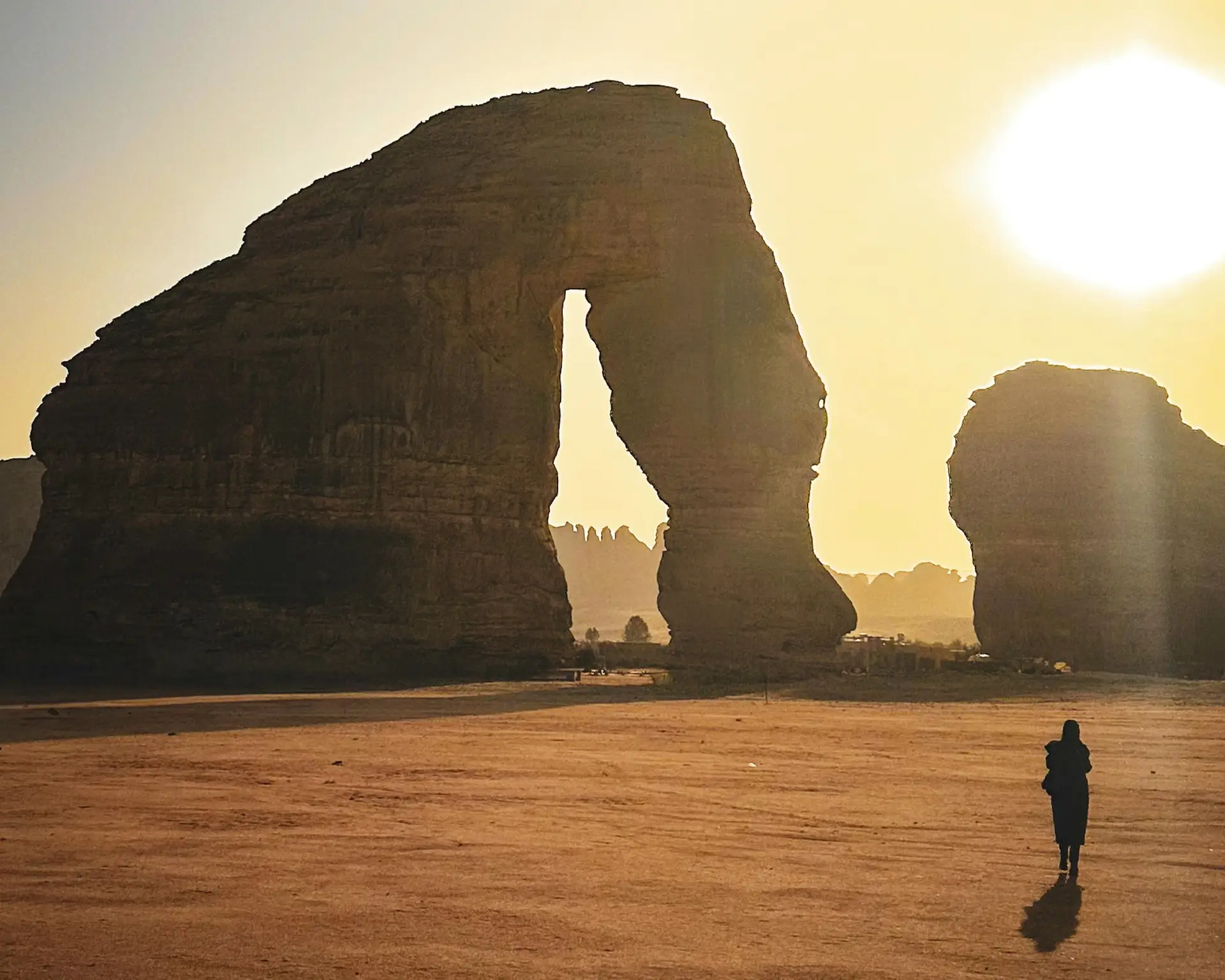
Winter is when Saudi Arabia works best. The air is dry and the light is low and golden, which suits the desert and the stone of Hegra (Madain Saleh), a listed site near AlUla. Riyadh and Diriyah are comfortable for a full day of walking, the oases are at their best, and the beaches of Jeddah are warm enough to enjoy without suffering for it.
This is also the busiest time, since the events calendar peaks now (see below). Book flights, hotels and any desert camp early for December and January. If you are wondering about the best time to visit AlUla specifically, this is it: winter light brings out the best in Hegra and the desert landscapes around it.
Spring and autumn: March to May, September to November
The shoulder months give moderate temperatures. The edges matter, though: October-November and March-April sit inside the October-April window, while May and September already lean towards summer heat.
Spring suits the Asir mountains, where rain is possible but the climate stays temperate, and the archaeological sites around AlUla. Autumn brings the first light rain to parts of the west and a milder Red Sea. For the best time to visit Riyadh, aim for the cooler months from November to March, when days stay in the mild range and nights are cool enough that you will want a layer.
Summer (June to September): what still works
You can travel in summer if you accept the limits. Avoid the middle of the day completely. Go to the Red Sea beaches, or head south to the cooler mountains, which are good for hiking. In cities, air-conditioned museums and shopping centres make an easy afternoon.
Diving is a real option: around the Farasan Islands the water sits at about 30°C (86°F). Keep sightseeing for early mornings and evenings, and treat inland desert trips as a winter plan.
Events and festivals through the year
The calendar fills up between October and March.
- Riyadh Season 2026: launched on 21 October 2026 and runs for about ten weeks (as of October 2026), with concerts, art fairs, exhibitions and international shows across the capital.
- Winter at Tantora (AlUla): 17 December 2026 to 9 January 2027 (as of September 2026).
- AlUla Arts Festival: runs to 6 February 2027.
- Azimuth Festival (AlUla): end of September, with music and art in the desert.
- Saudi National Day: 23 September.
- Janadriyah National Festival: Saudi heritage, folklore and food. Check the organisers for this year's dates.
- Soundstorm (Riyadh): an electronic music festival with international DJs. Dates are announced by the organisers.
Eid al-Fitr, which ends Ramadan, and Eid al-Adha, the pilgrimage holiday, shape the mood of the whole country. Their dates move each year with the lunar calendar, so check them before you book.
Ramadan: what changes for visitors
Ramadan 2027 is expected to start around 7-8 February and end about 8 March 2027, depending on moon sighting (as of November 2026). It falls in the cooler months, so the weather is fine; the rhythm of the day is what changes.
- Restaurants and shops close during the day, then come alive at iftar, the meal that breaks the fast, in a very sociable atmosphere.
- Don't eat, drink or smoke in public by day, and dress modestly.
- Opening hours shift and some activities run quieter. Plan your travel around local hours.
Many travellers find the evenings the most rewarding part of the stay. If you want a full programme of sights, though, a non-Ramadan week in winter is easier.
What to do in each season
- Culture (best October to April): the old town of Jeddah (Al-Balad), Diriyah near Riyadh, the ruins of Hegra, night markets in the big cities.
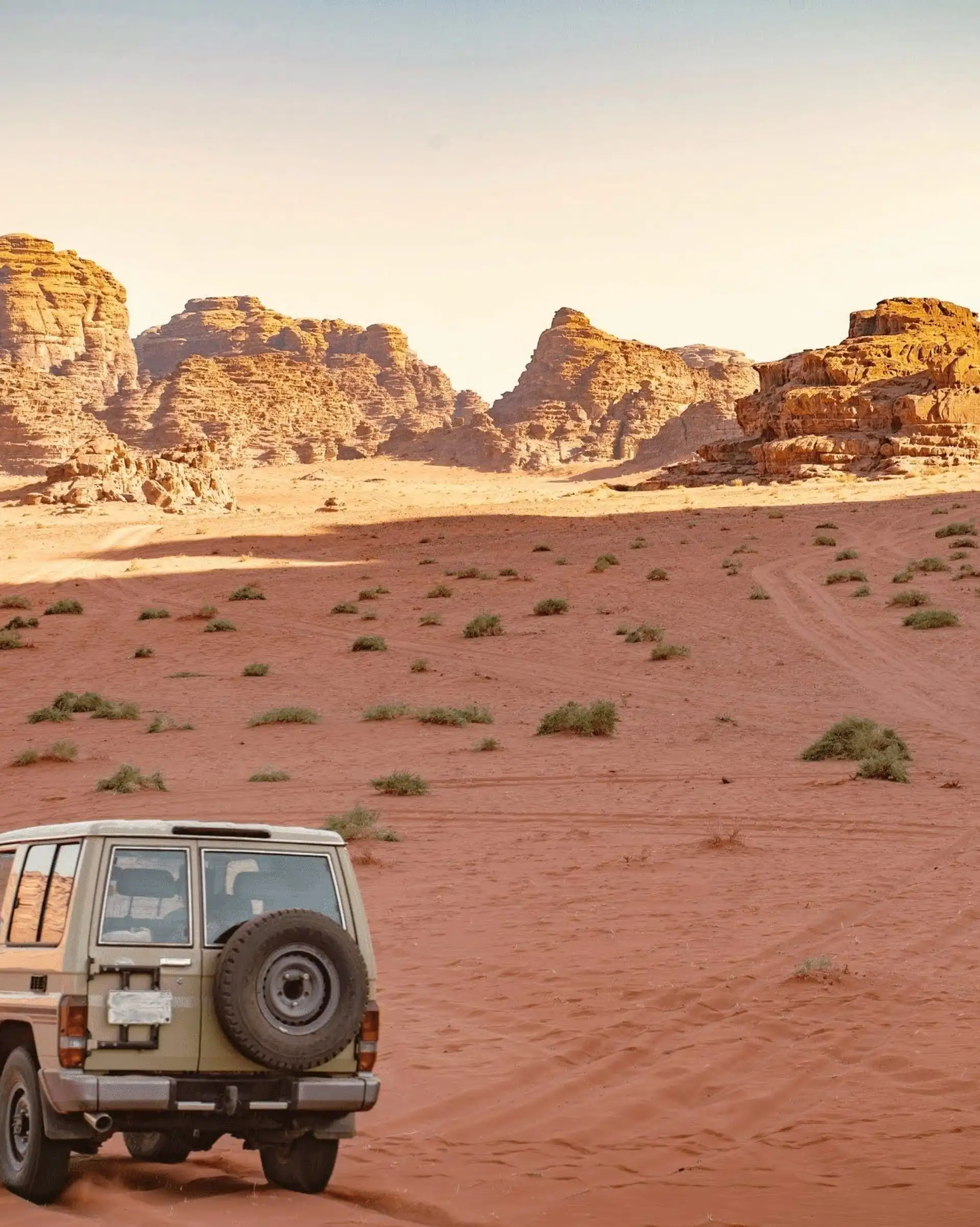
- Nature and adventure (winter and spring): hiking in the Asir massifs, desert exploration by camel, 4x4 safaris in the dunes, night walks under the stars at the "Edge of the World" near Riyadh.
- Beaches (all year, early or late in summer): Red Sea snorkelling, scuba diving, paddleboarding and jet skis, private beaches, the Bay La Sun marina and the Farasan Islands.
- Local flavours: Saudi coffee year-round, and in the warm months jallab and tamarind juice. Seasonal food festivals are worth asking about.
Many of these fit together in one route. Our local experts can match the season to your route, and our Saudi Arabia road trip shows how the pieces connect.
Packing and planning tips
- Bring clothes for the season: light outfits for the day, plus a blanket or jacket for cool winter nights and for altitude.
- Pack sunscreen, a hat and sunglasses in every season.
- Take out travel insurance and carry a valid accommodation confirmation.
- Check the events calendar before you fix dates, since big festivals affect prices and availability.
- In summer, favour water activities and visits very early or in the evening.
More preparation advice sits in our Saudi Arabia guide.
Plan your Saudi Arabia trip with a local expert
Tell us when you can travel and what you want to see, and a local expert will design the route around the right season. Send your trip request and we will take it from there.
Saudi Arabia travel FAQ
Yes. Women can now travel more freely: they must be over 18 and no longer need a male guardian. This is based on a page dated April 2026, and rules can change, so check your own government's travel advice before you go.
No. Access to Mecca and Medina is reserved for Muslims. Travellers of other faiths can still see Jeddah, Riyadh, AlUla and the rest of the country, so plan a route that leaves the two holy cities out.
The tourist eVisa costs about SAR 535 (around US$140) as of September 2026, according to a visa-service site, so confirm the fee on the official portal when you apply. Your passport should be valid for at least six months.