Best Time to Visit Nepal: Month-by-Month Guide

The best time to visit Nepal is October-November and March-May, when skies are clear and trails are dry. December-February is cold but quiet and bright, and June-September is monsoon. Here is what each season and region looks like, month by month.
When Is the Best Time to Visit Nepal?
The best time to visit Nepal is October-November (autumn) and March-May (spring), when the air is clear, the trails are dry and the Himalayan peaks stand out. December-February is cold but bright and quiet. June-September is monsoon, with one exception: Mustang and Dolpo, which get much less rain.
Two things decide the right month: what you want to do and how much cold or rain you'll accept. Autumn is the classic choice, because the monsoon has just washed the dust out of the air and the mountains are sharp against a deep blue sky. Spring is a close second, with warmer days, flowering hillsides and a long run of good weather before the rains return.
Winter is the season most guides rush past. Kathmandu and Pokhara are cold at night but dry, and the sky is often perfectly clear. Fewer visitors means easier access to the main sites. Monsoon is the hardest sell for walkers, yet it suits some travellers well, as you'll see below.
| You want | Best season | Why |
|---|---|---|
| High-altitude trekking (Everest, Annapurna) | October-November, March-May | Clear views, dry trails, the passes at their most reliable |
| Culture and cities | October-April | Dry, pleasant weather in Kathmandu, Pokhara and the valleys |
| A family trip | October-April | Mild temperatures and gentle weather |
| Quiet and few crowds | December-February, or the monsoon | Fewer travellers, more time with local people |
| Festivals | Varies, see the festival table | Dashain and Tihar in autumn, Holi in March |
Not sure which month suits your plans? Our local experts in Nepal can suggest the right season, and you can browse trekking in Nepal to see how routes change through the year.
Nepal Weather by Month
Nepal's climate depends on altitude as much as on the calendar. The table below gives the temperature for Kathmandu and Pokhara, the two places most visitors base themselves, then describes conditions in the Annapurna region and in Mustang and Dolpo. Temperatures in the first column do not apply to the mountains, where it is far colder.
| Month | Kathmandu / Pokhara | Annapurnas | Mustang / Dolpo |
|---|---|---|---|
| January | Cool, dry (2-15°C / 36-59°F) | Very cold, snow at altitude | Cold, snow |
| February | Dry (5-18°C / 41-64°F) | Cold, trails sometimes icy | Cold |
| March | Mild (10-22°C / 50-72°F), flowers | Flowering begins, snow melting | Start of the trekking season |
| April | Pleasant (15-25°C / 59-77°F) | Perfect for treks, flowering | Favourable |
| May | Hot (20-28°C / 68-82°F) | Last window before the monsoon | Trekking possible |
| June-August | Monsoon, rain (25-28°C / 77-82°F) | Very wet, muddy trails | Much less rain than the rest of the country |
| September | Late monsoon, clearing | Dry weather resumes | Dry weather, trekking possible |
| October | Ideal (15-25°C / 59-77°F) | Perfect for trekking, clear sky | Perfect season |
| November | Cool, dry | Optimal conditions | Perfect for trekking |
| December | Cold, dry | Very cold at altitude | Marked cold |
Autumn (October-November). The monsoon ends and the haze clears. Days are cool and dry, nights get colder as November goes on, and the snow-capped ranges are visible for days at a stretch. This is the busiest season, and it feels it.
Winter (December-February). Cold, dry and quiet. Mornings in the valleys can be sharp, but the sky stays clear, and a day in Kathmandu Valley or Pokhara is pleasant once the sun is up. At altitude, snow and ice take over.
Spring (March-May). Temperatures climb steadily, with an average around 20°C in the valleys. Rhododendrons come into bloom along the trails, and the snow melts off the lower slopes. By May it is hot in the cities.
Monsoon (June-September). Rain, green hillsides and waterfalls. Mountain views come and go behind cloud, and the trails are wet. The details are in the monsoon section further down. For official forecasts, the Department of Hydrology and Meteorology publishes Nepal's weather information.
Best Time to Trek in Nepal
The best time to trek in Nepal is October-November and March-May, outside the monsoon. In autumn the peaks stand snow-capped against a blue sky after the rains, and in spring the trails run through blooming rhododendrons. The Annapurna and Everest regions are at their best in both windows.
Autumn and Spring on the Big Treks
The classic routes are timed around these two windows. Everest Base Camp sits at 5,364 m, where weather matters a great deal: clear mornings in autumn and spring give you the views you walked for, while the monsoon hides them. The Annapurna Circuit crosses a high pass, and it makes sense to cross it in prime season, when snow and wind are least likely to close it.
Autumn is the more predictable of the two, with stable skies and a lot of other walkers on the trail. Spring is warmer and greener at lower altitude. If crowds bother you, March and early May are calmer than October. For routes, lengths and difficulty, see our guide to trekking in Nepal.
Trekking in Winter
Winter trekking is possible, with limits. Below about 2,500 m, with a good jacket for cold nights, it is comfortable, and the empty trails are a real reward. Higher up, it is very cold, and trails can be icy or snowed in, so the big passes are best left for another season.
A multi-region Himalayan trip such as Kingdoms of the Himalayas shows how a route can mix lower, gentler sections with higher ones, which is how many winter itineraries are built.
Mustang and Dolpo: The Rain-Shadow Exception
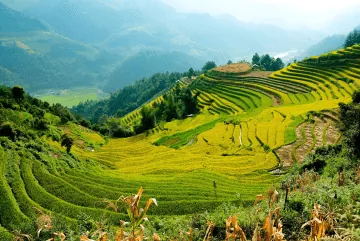
Mustang and Dolpo lie in the rain shadow of the Himalayas, sheltered from the heaviest monsoon rain. From June to September they receive much less rain than the rest of Nepal, which makes them the usual choice for trekkers who can only travel in summer.
These high valleys are far from the crowds of the main trails. "Much less rain" is not the same as dry: expect some showers, and keep your plans flexible. The Upper Mustang trek is the route most travellers have in mind. In winter, both regions are cold and carry snow, so the monsoon months and spring are the better fit.
Nepal Monsoon Season: What to Expect
The Nepal monsoon season runs from June to September. Expect 1 to 2 hours of heavy rain a day, intensely green landscapes, gushing waterfalls and far fewer visitors. The Annapurna and Everest treks are not recommended at this time.
Monsoon changes Nepal's mood rather than closing it. The hills turn a deep green, waterfalls run full and the dust of the dry season is gone. September is the tail end: the rain eases, the air clears and dry weather resumes toward the end of the month.
The trade-offs are real. Trails are muddy, mountain views are patchy, and some roads or trails may be affected by rain, so itineraries need slack.
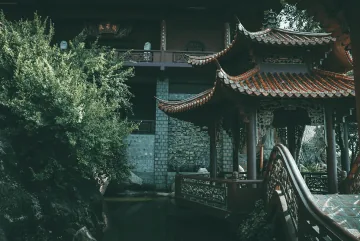
Who does it suit? Travellers focused on culture rather than views. The major sites are quieter, which leaves more space for conversation with local people and a slower look at temples, courtyards and markets. A Kathmandu Valley trip works well in these months, as do the sheltered valleys of Mustang and Dolpo for those who want to walk.
Festivals and the Best Time to Go
Nepal's festivals follow the lunar calendar, so dates shift from year to year. The table gives the season for each, with 2027 windows where they are available, as of November 2026.
| Festival | Season | Note |
|---|---|---|
| Dashain | September-October | Main celebrations around 30 September to 15 October 2027; Vijaya Dashami around 10 October 2027 |
| Tihar | October-November | Festival of lights, around 27 to 31 October 2027 |
| Holi | March | Festival of colour, with pigments thrown in the streets |
| Buddha Jayanti | April/May | The Buddha's birthday, with processions and prayers across the country |
| Teej | August-September | Women's festival, with dances and prayers in traditional red clothing |
Dashain is the biggest Hindu festival of the year. It lasts up to 15 days, and each day has its own meaning, with rituals, family reunions and a national mood of celebration. Tihar follows within weeks: houses sparkle with lights, and ceremonies honour animals. Both land in the best weather of the year, which is why autumn is so busy.
Teej is different. It falls in the monsoon, so a visit means rain with your dances. That is not a reason to skip it, but it is a reason to plan around the weather.
Attending a festival means being in the middle of Nepalese tradition rather than watching from the side. Since festival dates move, confirm them with the Nepal Tourism Board before you go.
Travelling Off-Season: Winter and Monsoon
Winter (December-February) is a good time for a quieter Nepal: fewer travellers, clear skies and more access to the major sites, with prices that are gentler than in the high season. Cold nights at altitude are the main limit.
Staying outside the high season is a privileged way to see Nepal. In winter, the major sites are less crowded and the mood is calm. In the monsoon, the country is green, and the quiet gives you more contact with local people. Both seasons reward flexibility, so allow slack in your itinerary. Check the local forecast during your stay on the Department of Hydrology and Meteorology site.
Travelling in winter or the monsoon takes adjusted routes. Tell us when you can go and a local expert will build around it, steering you to the sheltered regions in the rain and the lower, sunnier trails in the cold.
How to Choose Your Month
Think about your first priority and let the calendar follow.
- Views and trekking: October-November or March-May. Autumn is the safer bet; spring is warmer and greener.
- Festivals: late September to October for Dashain and Tihar, March for Holi, April or May for Buddha Jayanti.
- Quiet: December-February, or the monsoon with Mustang and Dolpo as your destination.
Ready to pick your month? Create your tailor-made trip to Nepal with a local expert.
Best time to visit Nepal FAQ
For a full first trip, 10 to 14 days works well. That gives you time for Kathmandu Valley and either Pokhara or a short trek, without rushing between places. Shorter stays can still be rewarding if you keep to one region, but a longer trek needs extra days on top.
The drier months are the best time for Chitwan and the Terai plain, when jeep drives, canoe rides and forest walks are most pleasant. In the monsoon the Terai gets heavy rain, so wildlife viewing is harder and the ground stays wet.
Yes. During major festivals, some infrastructure and transport are in higher demand, so book flights and any trek logistics early. If your dates are fixed around a celebration, secure the transport first and build the rest of the itinerary around it.
In winter, bring warm clothing and suitable equipment for cold nights at altitude. In the monsoon, bring waterproofs and light layers that dry fast. Keep a spare set of clothes in a waterproof bag, as conditions can change quickly between the valleys and the hills.