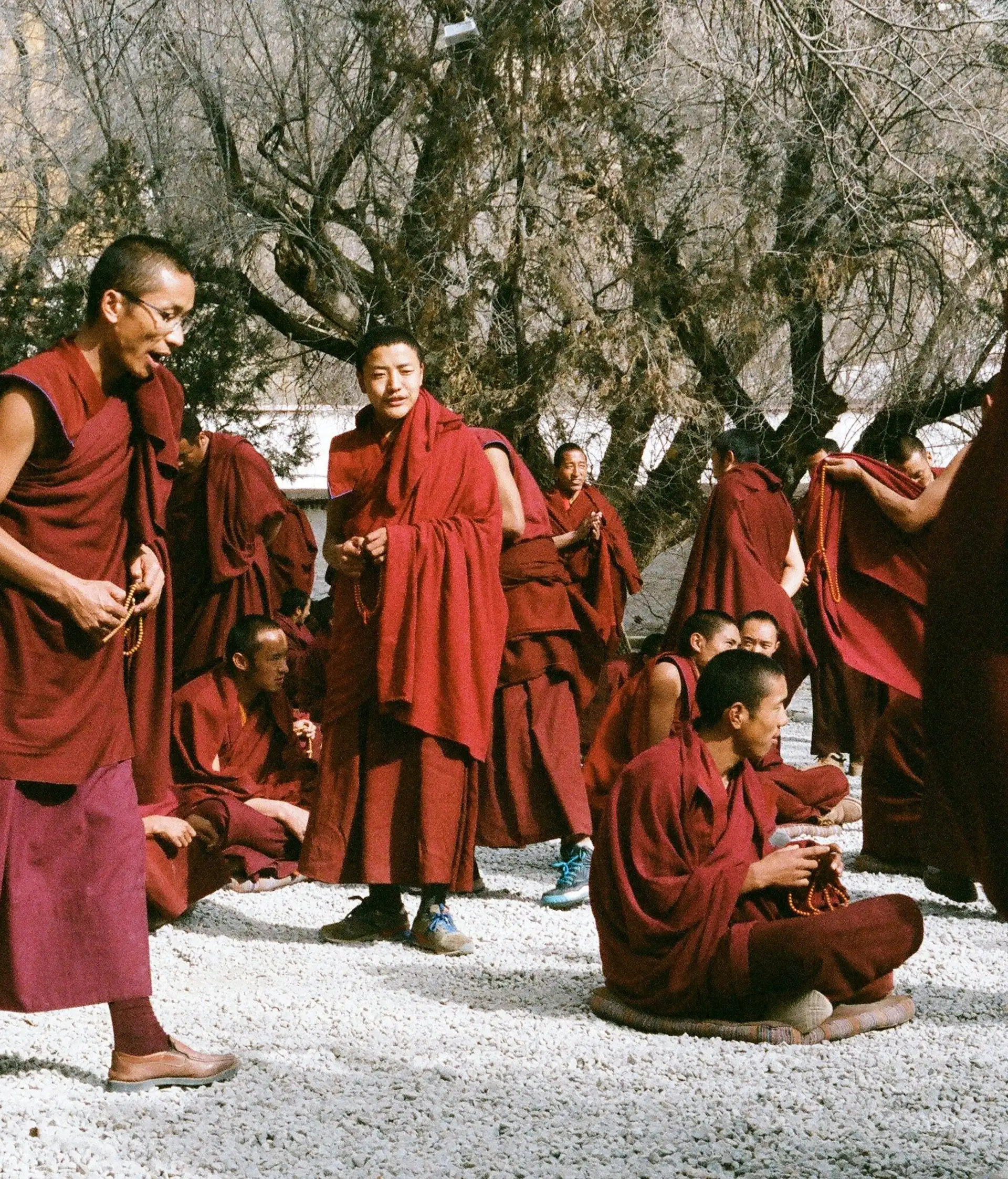
Your expert on destination Tibet
The best time to visit Tibet is April to May and September to October, when skies are clear, days in Lhasa run around 15-20 °C (59-68 °F) and the mountain passes are open. July and August bring summer rain, mainly in the south and east. Winter is cold and asks more of you.
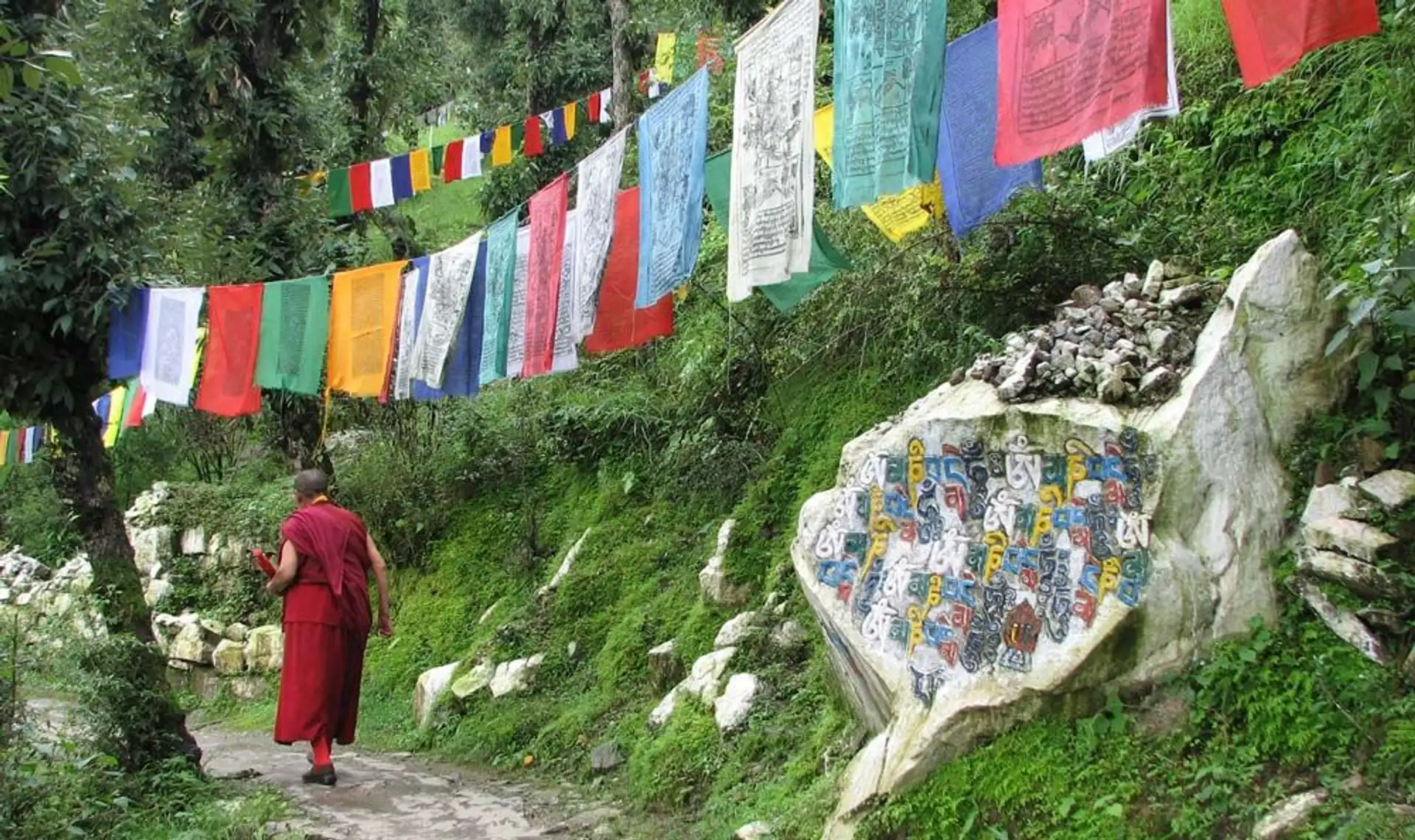
The best months to visit Tibet are April, May, September and October. May, September and October strike the best balance between mild weather and moderate crowds. Spring and autumn each have their own character, and either one works well for a first trip.
In both windows the passes are open, the peaks are clearly visible and visitor numbers stay reasonable. That last point matters more than it sounds: with fewer groups around, you have more room for real conversations with the people you meet along the way.
Not sure which window fits your dates? Tell our local Tibet expert which month suits you and ask what the route looks like in that season.
Tibet weather swings widely between day and night, and between regions. The table below uses Lhasa-area temperatures as of 2026, with rainy days where a source gives them. If you are working out the best time to visit Lhasa itself, read the Notes column along with the numbers.
| Month | Temperature range | Notes |
|---|---|---|
| January | average about -1 °C (30 °F) | Coldest month of the year |
| February | -4 to 11 °C (25-52 °F) | Entry for foreign visitors has been closed in some past years (see below) |
| March | -1 to 13 °C (30-55 °F) | Same closure note; reopening in early April has been reported |
| April | 3 to 17 °C (37-63 °F) | Spring window begins, nights still cold |
| May | 7 to 21 °C (45-70 °F) | About 13 rainy days; one of the best months |
| June | 12 to 25 °C (54-77 °F) | Hottest month, average about 64 °F; about 17 rainy days |
| July | 12 to 24 °C (54-75 °F) | Summer rain, busy season |
| August | 12 to 23 °C (54-73 °F) | Summer rain, busy season |
| September | 10 to 22 °C (50-72 °F) | Autumn window begins |
| October | 7 to 20 °C (45-68 °F) | Autumn window |
| November-December | -5 to 11 °C (23-52 °F) | Winter range runs from November to March |
Even in the best months, nights are cold. The gap between a sunny afternoon and a pre-dawn start can be large, so pack layers you can add and remove easily: a warm jacket, a light fleece and a hat. Dress for the morning and you will be comfortable by midday.
Summer is a workable but wet time to visit Tibet. July and August fall in the monsoon-influenced season, which affects mainly the south and east of the plateau. Temperatures are warm at 12-24 °C (54-75 °F), and it is peak season for visitors.
Summer makes sense in a few cases. Lhasa is a good base then, and the Shoton festival falls in late summer (details further down). Where it works less well is views: in the wet south and east, cloud can hide the peaks that spring and autumn show off so clearly.
If summer is the only time you can travel, look to the north-west. It is drier, and the arid landscape there is unlike anything else in Asia.
So when people say Tibet is good from April to October, take that as the open season, not as eight equally good months. The two shoulder windows are where the weather is most reliable.
Winter in Tibet runs from November to March, with temperatures from -5 to 11 °C (23-52 °F) and a higher risk of altitude sickness. The clear, cold days suit travellers who prefer a quiet trip and are ready to dress for it. For many people it is a second visit rather than a first one. A few practical points sit alongside the weather.
One matter needs care. In some past years, foreign visitors have been unable to enter Tibet in roughly late February and March. No official source gives fixed dates for this, and published sources disagree on what applies in 2026 and 2027. Reopening in early April has been reported in past years, but it is never guaranteed.
What does this mean for you? If you plan to travel in February or March, confirm availability with the travel agency arranging your trip and with the body that issues the Tibet travel permit before you book anything non-refundable. The same advice applies to the permit itself in any month. Rules around the Tibet travel permit can change, and the agency organising your journey handles the paperwork for you.
Tibetan festivals follow the lunar calendar, so dates shift from year to year. Check them again before you book. These are the 2027 dates:
| Festival | 2027 date | What it is |
|---|---|---|
| Losar | 7 February | Tibetan New Year, lasts 15 days; the first three are the most important |
| Saga Dawa | 18 June | Marks the birth, enlightenment and death of the Buddha |
| Shoton | Starts 31 August | Yogurt festival in Lhasa; opens with a 500 m² giant thangka unfurled at Drepung Monastery |
Saga Dawa falls on 18 June in 2027. It is the best-known reason to plan a trip around the Tibetan calendar. Pilgrims walk the kora around Mount Kailash, and the circuit is especially impressive at this time. If that appeals, the Mount Kailash and Lake Manasarovar trip is the natural starting point.
Losar brings processions and religious rituals to Lhasa. It falls within the February-March window described above, so check entry conditions before you build a trip around it.
Shoton marks late summer in Lhasa. Residents and pilgrims gather, and the unfurling of the thangka at Drepung is the moment to see. It also gives July and August a clear reason to be on your list.
For more on Buddhist traditions in the wider Himalaya, see our article on Tibetan Buddhism in Ladakh.
Choose the season first, then the route. A few things shape every Tibet itinerary:
Our local experts usually suggest working backwards from the season: which festival or landscape matters most, and which window serves it best. They then shape the route around that. You can see what a finished itinerary looks like in our trips to Tibet, and our short Tibet travel guide covers culture and the seasons in brief.
Tell us when you want to travel and get a route built around the season.
The best time to visit Tibet comes down to what you want from it. Spring and autumn give the most reliable weather, summer suits Lhasa and the Shoton festival, and winter is for a quieter, colder trip. Whichever month you choose, your trip works best when someone who knows the plateau plans it around the season.
Create your tailor-made trip to Tibet with our local experts, and we will suggest the right months, the right route and the right pace.
Entry rules and conditions can change, so check your own government's travel advice before you book, such as the UK Foreign Office advice for China, which covers Tibet. Then confirm the current situation with the agency arranging your trip. Do this again shortly before departure.
Views are clearest from April to early June and again in September and October. Sources report access to the north base camp differently: some say you can visit without trekking, others that it is closed for environmental reasons, with Rongbuk Monastery as the farthest point. Ask your agency what applies to your dates.
Nights in Lhasa drop to about -10 °C (14 °F) in January and February, so warm layers and good bedding matter more than daytime temperatures. There are fewer tourists, and a guide's trip report describes the season as cheaper than the peak months.
Subscribe and receive our travel inspirations and practical advice twice a month.

Wanting to share your trip with a group?