Is Georgia Safe to Visit? A Traveller's Guide (November 2026)
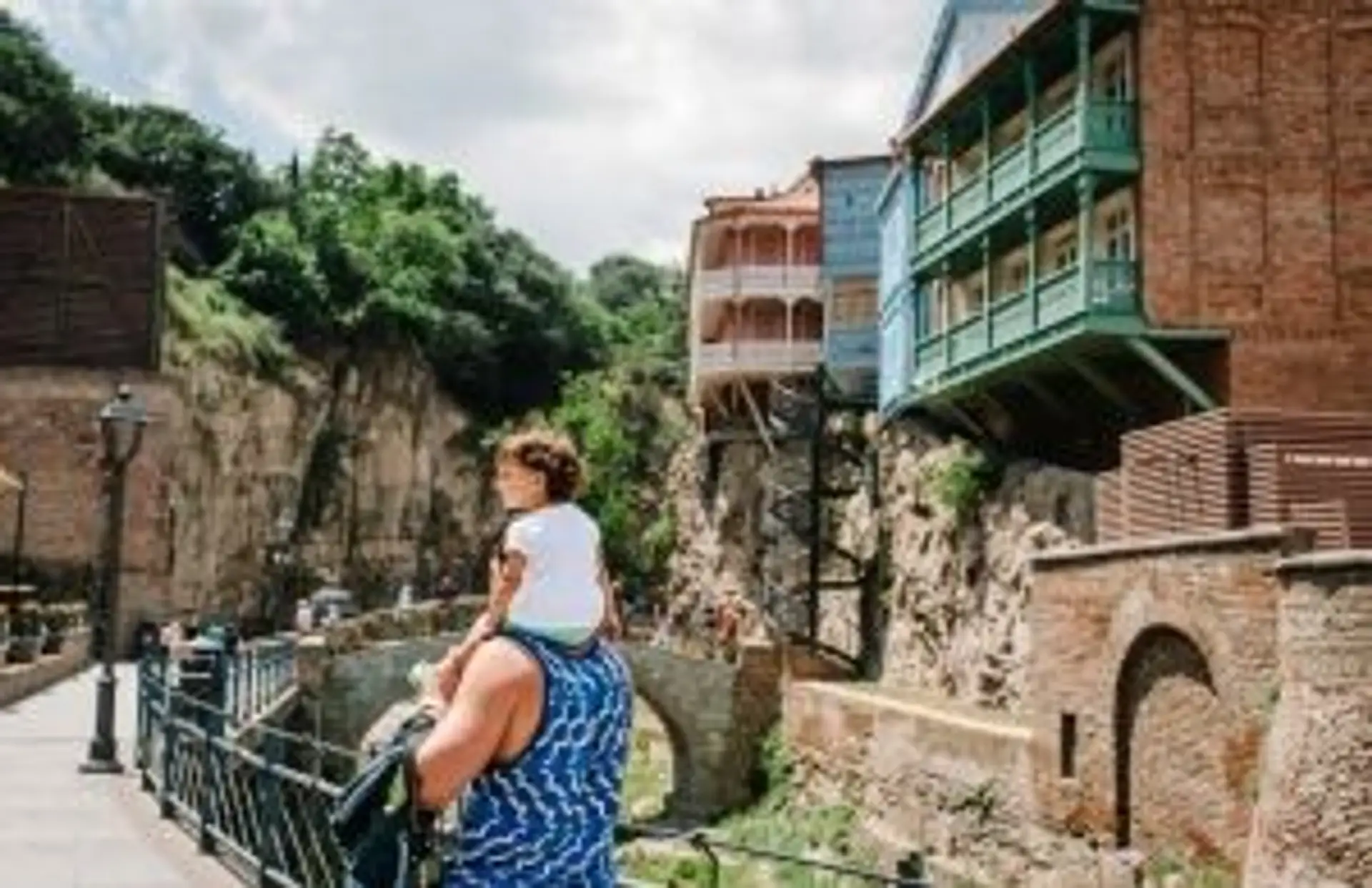
Is Georgia safe to visit? Yes. The country in the Caucasus (not the US state) is generally safe for tourists: violent crime is rare and Tbilisi is easy to walk. Avoid Abkhazia and South Ossetia, watch for demonstrations in central Tbilisi, and take care on the roads. This travel guide to Georgia sets out what to know, with each official statement dated.
Is Georgia safe for tourists right now?
Georgia, the country in the Caucasus, is generally safe for tourists as of November 2026. Violent crime is rare; the main risks are pickpocketing in cities, uneven driving standards and demonstrations in central Tbilisi. The UK FCDO (updated 15 September 2026) advises against all travel to Abkhazia and South Ossetia.
This guide covers the country, not the US state of the same name. The advice comes from the governments that publish it, plus the experience of Quentin, Shanti's local expert for Georgia.
| Area | Risk | What to do |
|---|---|---|
| Most of the country | Low | Normal city and countryside precautions |
| Tbilisi centre | Pickpocketing, demonstrations | Watch your belongings, keep away from protest areas |
| Abkhazia and South Ossetia | Do not go | Advised against by the UK and Canada |
| Border with Russia | Avoid | Stay off it |
| Pankisi Valley | Avoid | Skip it on your route |
| Roads | Highest everyday risk | Avoid night driving, slow down in rural areas |
| Mountains | Weather, landslides, rockfalls | Go with a local guide |
A word on stability. Georgia has been an easy country for visitors for years, and for ordinary tourism that still holds: you can wander most towns and villages at any hour. But "safe" does not mean nothing ever happens. The US Embassy in Tbilisi issued a demonstration alert on 23 October 2026 and told people to avoid the areas where protests take place. So the picture is calm in most places, with one live issue concentrated in a single part of the capital. For a visitor, that usually means a detour of a few streets rather than a changed trip, provided you check the news on the day.
The rest of this guide goes through the risks in order of how likely you are to meet them: advisories and no-go areas first, then Tbilisi, then the roads, which cause far more trouble than crime does.
What do the official travel advisories say?
Three governments give the clearest recent guidance, and they agree on the essentials: stay out of the occupied regions and take care around protests. Dates matter here, because advisories change.
- UK: the UK FCDO advice for Georgia, last updated 15 September 2026, advises against all travel to Abkhazia and South Ossetia, and against all but essential travel to areas next to their boundary lines.
- Canada: Canada's travel advice, updated 27 August 2026, says to avoid all travel to Abkhazia, South Ossetia and the surrounding areas.
- United States: the US Embassy demonstration alert of 23 October 2026 tells people to avoid the areas of the demonstrations, to use caution near large gatherings or protests, and to follow local media. The US State Department advisory on travel.state.gov also warns about the occupied regions, where Russian troops hold South Ossetia and Abkhazia. Read its current page before you book rather than relying on a level number quoted elsewhere.
Advisories can change within weeks. Check each of them again the week you leave.
Where should you not go in Georgia?
Georgia's no-go areas are Abkhazia and South Ossetia, occupied by Russia since 2008, plus the border with Russia and the Pankisi Valley, per UK FCDO (15 September 2026) and Shanti's local expert.
- Abkhazia and South Ossetia. Both lie outside Georgian control and are formally advised against by the UK and Canada.
- The land border with Russia. Avoid it. It is not a tourist crossing, so plan your route elsewhere.
- Pankisi Valley. Our local expert advises against it because of a particular climate of insecurity. This is Shanti's own guidance rather than an official advisory.
- Boundary-line areas. The FCDO's "all but essential travel" wording applies to the zones next to the lines around Abkhazia and South Ossetia.
None of these sits on a normal tourist route, and no tour or hotel booking you make for the main sights will take you there. If you follow the usual circuit of Tbilisi, the wine country and the mountains, you won't pass through them by accident.
Is Tbilisi safe? Crime, scams and demonstrations
Violent crime is rare; the main risk is pickpocketing in Tbilisi and on crowded public transport. Tourist areas draw the same opportunists as any European capital, and the fix is the same: keep your phone and wallet out of easy reach.
A few habits cover most of the risk:
- Keep jewellery, phones and other valuables out of sight.
- Withdraw cash from ATMs inside banks, not on the street.
- Carry a copy of your ID and leave the originals in your accommodation's safe.
- Take official taxis or a reputable ride app rather than hailing whatever stops.
- Download offline maps (Maps.me works well) and buy a local SIM card, so you're never lost and searching for a signal on a dark street.
Demonstrations are the other thing to know about. Rustaveli Avenue, the capital's main boulevard, is where political tension tends to show up, and crowds there can move unpredictably. The 23 October 2026 US Embassy alert makes the same point. If you're staying nearby, ask your hotel what is happening that day, check local media, and walk away from any gathering that grows or turns tense. You don't need to skip Tbilisi; you need to keep your distance on the days it matters.
With the police, stay courteous and avoid sudden gestures or anything that reads as aggressive. Respect goes a long way, and most encounters are routine.
Is Georgia safe for solo travellers and women?
Georgia is considered safe for women, including night-time walks in the capital. The society is still fairly patriarchal, so it isn't unusual to attract curiosity, and sometimes a remark or an attempt to start a conversation. If that happens, stay polite but firm; it rarely goes further.
Our local experts describe walking around at any hour as realistic in most regions, which is true of city centres and towns. It doesn't extend to remote roads after dark, where the problem is the road itself, not other people. Solo travellers do well by choosing central accommodation and keeping the last stretch of a journey on a main street. Women travelling alone in the countryside face the same road conditions as everyone else, so the road advice below applies to you too.
Knowing a little about local customs also smooths things. Our pages on Georgian culture and etiquette and religion in Georgia explain the traditions behind the social norms you'll notice.
How safe are the roads and mountains?
Roads are the part of Georgia where visitors are most exposed. Georgian drivers are known for reckless driving and a loose regard for the highway code, and road surfaces stay very uneven, even close to the big cities. Avoid driving at night.
Livestock adds a surprise. Farming is largely unfenced, so you'll meet calves, cows and pigs on the road, sometimes just past a bend. That is a test for your reflexes, and a reason to keep your speed down.
If you rent a car, check its condition before you leave the lot. Take extra care in rural and mountain areas, and again in rain or darkness. Slow, daytime driving solves most of the problem.
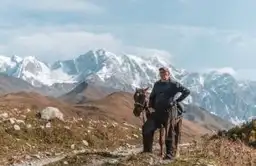
In the mountains, watch for landslides, avalanches and rockfalls, especially on treks and long road journeys. Weather can turn suddenly. Always consult a local guide before an excursion and prepare accordingly.
Georgia also sits in a seismic zone, although major earthquakes are rare. If a tremor happens, stay calm and follow the authorities' instructions closely.
Not keen on driving the mountain roads yourself? Our local experts in Georgia plan routes and drivers around the conditions.
How to plan a safe trip to Georgia
Preparation is short, and most of it takes an evening. Check your own government's advice the week you leave, since the alerts above are dated and can shift. Download offline maps, get a local SIM card and keep copies of your documents separate from the originals.
A local expert helps where a map doesn't. They know which routes stay clear of the boundary areas, how long a mountain road really takes in a given season, and when an alert in the capital should change your plans. Shanti's experts organise trips around that knowledge. They can't guarantee that nothing will go wrong, and no one honestly can.
Tell us what you'd like to see and a local expert will shape a route that avoids the areas above: start your Georgia trip request.
Georgia safety FAQ
Yes. Valid health and accident insurance has been required for tourists since 1 January 2026, according to the US State Department. Choose a policy that covers medical care on the spot, and check that it also covers trekking or other mountain activities if you plan them. Read the policy wording for exclusions before you buy.
Drink bottled water and be careful with food hygiene to avoid digestive upsets. Before you leave, check that your vaccinations are up to date, including DTPolio and hepatitis A and B, and pack a good first-aid kit. Ask your doctor or a travel clinic what else suits your itinerary.
Contact your own country's embassy or consulate. Save its details before you leave. The UK FCDO notes that UK staff cannot give face-to-face help in Abkhazia or South Ossetia, which is another reason to stay out of both. Registering with your country's consular service before departure, where one exists, makes it easier for them to reach you. Ready to see Georgia with confidence? Create your tailor-made Georgia trip with a Shanti local expert.