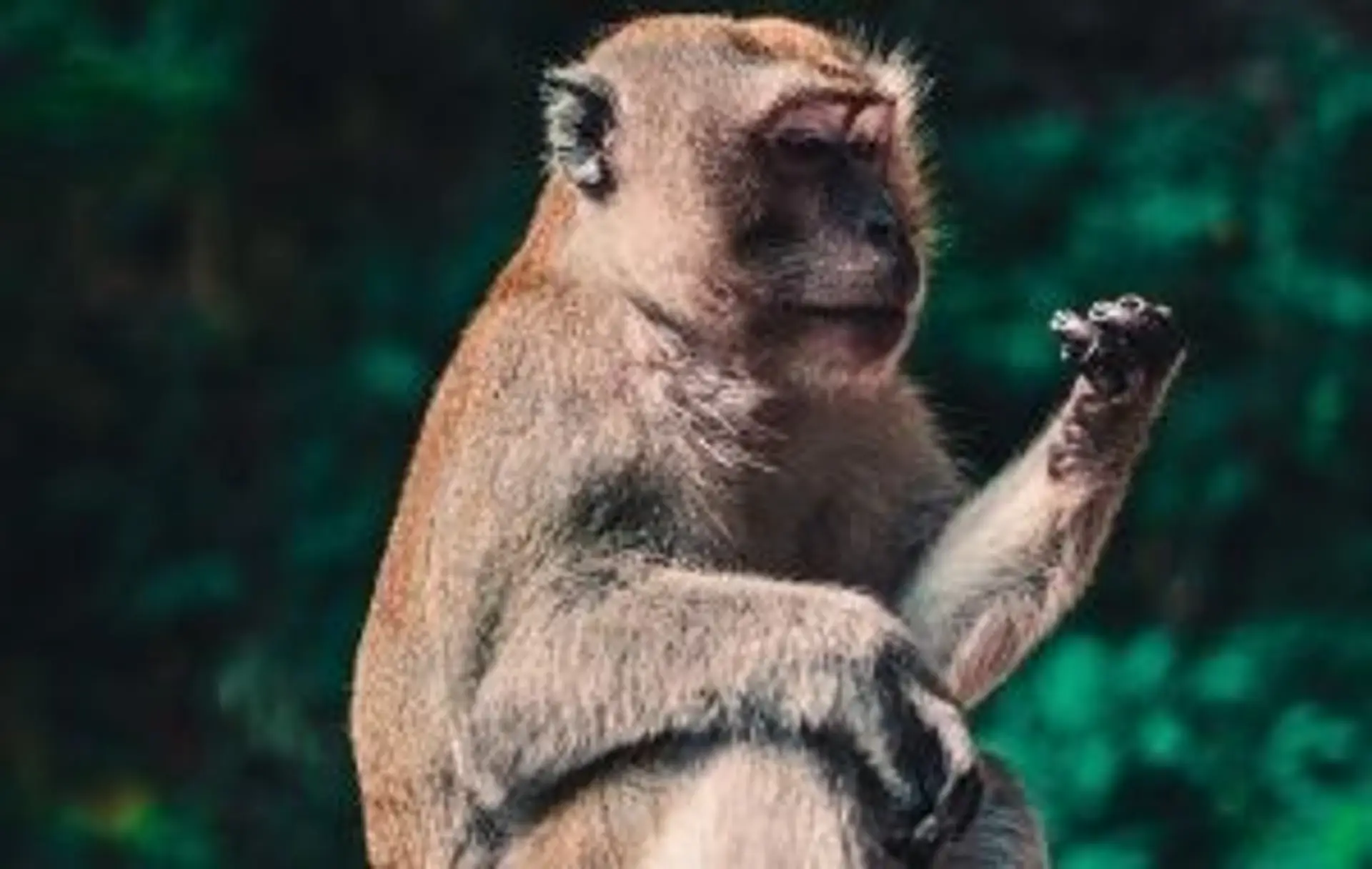
For a trip to Malaysia focused on wildlife, get ready to explore one of the richest and most fascinating biodiversities in Southeast Asia. Malaysia's wildlife, closely tied to its tropical forests and waterways, holds real treasures for nature and animal lovers.
The richness of Malaysian wildlife
Malaysia is home to some of the world's greatest biodiversity hotspots, combining dense forests, mangroves, plains, mountains, rivers and marine areas. Close to 3% of the world's animal biodiversity is concentrated here, and each habitat is home to iconic, often endemic species that play irreplaceable roles in the local ecological balance.
Iconic and endemic animals
Orangutan:
- Considered the king of the forest, it is endemic to Borneo, where it still survives in a few natural sanctuaries such as the Kinabatangan River, Sepilok and Semenggoh. Watching them living semi-wild is an unforgettable experience for many travellers.
Proboscis monkey:
- With its prominent nose and golden coat, this monkey, endemic to Borneo, lives in riverside forests, particularly in Bako National Park and along the Kinabatangan River.
Malayan tiger:
- The endangered national animal, found mainly on the Malay Peninsula. Sadly, fewer than 150 individuals are estimated to survive in the wild.
Asian elephant (Borneo pygmy elephant):
- This smaller subspecies remains one of Borneo's curiosities, mainly seen in Sabah.
Rhinoceros hornbill:
- The national bird, famous for its imposing 'casque', a true emblem of the tropical forests.
Bornean peacock-pheasant:
- This rare pheasant is a testament to the extraordinary richness of local birdlife.
Bay cat:
- One of the most elusive and rarest cats on the planet, recently rediscovered in Sarawak.
Malayan tapir:
- This unusual, critically endangered mammal plays an important ecological role as a seed disperser.
Ecological roles and features of the wildlife
Malaysia's animals play an active part in keeping local ecosystems healthy:
- Large herbivores (elephants, tapirs) disperse seeds, supporting forest regeneration.
- Predators (such as the tiger) naturally regulate populations, maintaining the trophic balance.
- Primates (orangutans, gibbons) shape forest diversity through their varied diets.
These interactions ensure the survival of tropical forests, which in turn support human communities through ecosystem services (water, air, resources).
Endangered or rare species
Many Malaysian animals are now endangered, victims of deforestation, poaching and habitat fragmentation:
A few species in need of protection:
- Malayan tiger: a symbol on the brink, with fewer than 150 individuals left.
- Sun bear: the world's smallest bear species – but also the most threatened, by both hunting and habitat loss.
- Siamese crocodile: a freshwater crocodile species now almost extinct in Malaysia.
- Bay cat: an almost mythical feline, first spotted again after decades in 2003.
- Malayan tapir: particularly vulnerable to forest fragmentation.
Aquatic habitats, another side of Malaysian wildlife
The richness of the rivers (notably the Kinabatangan) and Malaysia's coastline allows for sightings of species such as:
- The Malaysian giant river turtle (an endemic Southeast Asian freshwater turtle),
- Spotted eagle rays and other rare fish,
- Sea turtles (notably around the Turtle Islands), and occasionally even blue whales offshore.
Where and how to observe wildlife in Malaysia
Nature reserves and parks worth visiting
- Orangutan Island (Bukit Merah): an educational sanctuary for responsible observation of these primates.
- Sepilok Rehabilitation Centre (Sabah, Borneo): a pioneer in orangutan conservation and reintroduction.
- Kinabatangan Wildlife Sanctuary: river safaris to spot pygmy elephants, orangutans, hornbills and rare primates in a preserved habitat.
- Labuk Bay: a favoured refuge for the proboscis monkey in Borneo.
- Turtle Islands National Park: a hotspot for sea turtle nesting.
- Belum Forest Reserve (Perak): a sanctuary for elephants, rhinos and tigers.
- Taman Negara National Park: a vast primary forest, ideal for wildlife watching (though larger mammals tend to be elusive).
- Penang National Park: abundant birds, monkeys and reptiles – between land and sea.
Tips for responsible wildlife watching
- Choose passionate local guides and naturalists to access the best viewing spots without disturbing nature.
- Keep your distance from animals, never feed them, and follow park guidelines (no flash photography, keep noise to a minimum).
- Favour ethical visits and organisations committed to conservation over profit-driven attractions with little concern for animal welfare.
- Try river safaris or guided treks for genuine encounters in the wild.
Conservation, a national and global concern
Protecting Malaysia's wildlife is now everyone's responsibility. Numerous NGOs, such as the Wildlife Conservation Society and WWF Malaysia, work alongside local authorities and indigenous peoples (Orang Asli, Bateq) to:
- fight poaching and deforestation,
- secure ecological corridors for migratory species,
- raise awareness among visitors and communities about the richness of their natural heritage,
- restore primary forests and support resilience in the face of climate change.
Travelling with Shanti Travel also means supporting these efforts through sustainable tourism and experiences that put wildlife protection at the heart of the encounter. Exploring Malaysia to discover its animals means helping to protect a living heritage of immense value – and experiencing rare moments in harmony with tropical nature.