
Your expert on destination Malaysia
There are more things to do in Malaysia than one trip can hold, and the country is split in two: Peninsular Malaysia, with its cities, highlands and east-coast islands, and the Borneo side, with its rainforest and mountain. The best things to do are the Hindu shrine at Batu Caves, the heritage cities of Malacca and George Town, Kuala Lumpur, the rainforests of Bako and Taman Negara, the islands of Perhentian, Redang, Tioman, Langkawi and Pangkor Laut, the tea country of the Cameron Highlands, the orangutans of Semenggoh and the climb up Mount Kinabalu. Below, each place comes with one useful fact and the kind of traveller it suits. For trip ideas built around these places, see our Malaysia trips.
There's no single winner, and that is the point of the country. Malaysia is a multicultural mix of Chinese, Indian, Indonesian and Muslim influences, and it also holds some of the oldest primary forests in the world. A temple stairway, a colonial fort and a night walk in the jungle can all sit in the same trip. So the best pick depends on who is travelling.
Families tend to do well with Batu Caves, Perhentian, Langkawi and the Cameron Highlands. Couples are usually happiest in Malacca, on Pangkor Laut, in Penang and in the Cameron Highlands. Adventurers head for Bako, Taman Negara, Kinabalu and Tioman. Anyone who travels for culture should start with Malacca, Batu Caves, Kuala Lumpur and George Town. The table near the end of this guide adds the reasons behind each list.
Malaysia's culture is easiest to read in its cities, where Chinese clan houses, Hindu temples, mosques and colonial churches stand a few streets apart. Four places carry most of it.
The capital mixes tradition and modernity more openly than anywhere else in the country. The Petronas Towers rise 452 m (1,483 ft) and were the tallest buildings in the world from 1998 to 2004. The KL Tower gives you a second view of the skyline from a different angle.
The older side of the city is at street level. Little India and Chinatown are the districts people usually mean when they talk about the city's character. Two visits help you grasp how many faiths share the country: the National Mosque (Masjid Negara) and the Sri Mahamariamman temple. Give the city a day or two, and use it as the base for Batu Caves.
The Hindu shrine of Batu Caves sits about 13 km from Kuala Lumpur by train, which makes it one of the easiest half-day trips from the capital. You climb 272 steps to reach one of the most imposing caves in the country, with the monumental statue of Murugan standing guard below.
Inside, Hindu spirituality plays out against lush vegetation, and curious monkeys punctuate the climb, so keep food out of sight. The place suits families and culture lovers equally. It gets its own entry here because it deserves a separate visit, even though it belongs to the Kuala Lumpur area.
Malacca is UNESCO-listed (the historic city is part of the Melaka and George Town World Heritage listing) and reads like an open-air history book. Portuguese, Dutch and British legacies sit side by side, so one walk takes you across three colonial eras.
Heritage fans should aim for the Porta de Santiago, Dutch Square and the old Christ Church. The Baba Nyonya Heritage Museum goes deeper into Sino-Malay culture, a blend of Chinese and Malay ways of life that you'll meet again in the food and houses of the region. The town also charms couples looking for a romantic setting, and anyone who likes remarkably well-preserved colonial architecture.
George Town is the other half of that UNESCO listing, and what stands out first is the architecture: Chinese clan houses, the Kek Lok Si and Kapitan Keling temples, mosques, churches and rows of colonial shophouses. Cultures overlap in every alley, so walking without a fixed plan pays off.
Street art and street food are the famous side of Penang, and a local food tour is a good way to taste the fusion. For more on the island, read our guide to things to do in Penang.
Malaysia has some of the oldest primary forests in the world and an extremely rich biodiversity. The forests are spread across both halves of the country, so it helps to know which park belongs to which.
Bako is in Borneo, and it packs several habitats into one set of trails. You can spot proboscis monkeys, rare bird species, mangroves and secluded beaches without leaving the park.
It is a park for real adventurers, people who want to walk in the middle of the jungle and don't mind that discovery takes some effort. Fees and boat costs are in the FAQ below.
Taman Negara is in Peninsular Malaysia and is one of the oldest forest massifs in the world. The park was established in 1938. Trekking is the main activity, and the canopy walkway, 45 m high, puts you level with the treetops.
After dark, night safaris by headlamp let you meet the local wildlife. The mix of walkway, trails and night walks suits families as well as adventurers.
In the Belum forest, you go in search of the Rafflesia, the largest flower in the world and a rare symbol of Southeast Asia. The Rafflesia is rare, so the search itself is part of the experience.
Semenggoh, in Sarawak, is a rehabilitation centre where you come face to face with protected great apes. It suits anyone who wants close wildlife encounters on a Borneo trip. For more on the animals you can meet across the country, see our guide to the animals of Malaysia. Entry costs are in the FAQ.
For the sporty, climbing Mount Kinabalu in Borneo is the emblematic challenge. The summit stands at 4,095 m. Climbers need a permit, so book ahead, and check the Sabah Parks page for Kinabalu for the current charges. Typical costs are in the FAQ.
The coast and the hills give the country its slower side. Pick the islands for water and the highlands for cool air.
These islands are perfect for diving, snorkelling and relaxing in preserved turquoise waters. They are not interchangeable. Perhentian is friendly for families. Tioman appeals more to people who like marine life and jungle, since the forest runs down to the shore. Redang rounds out the group for divers and snorkellers.
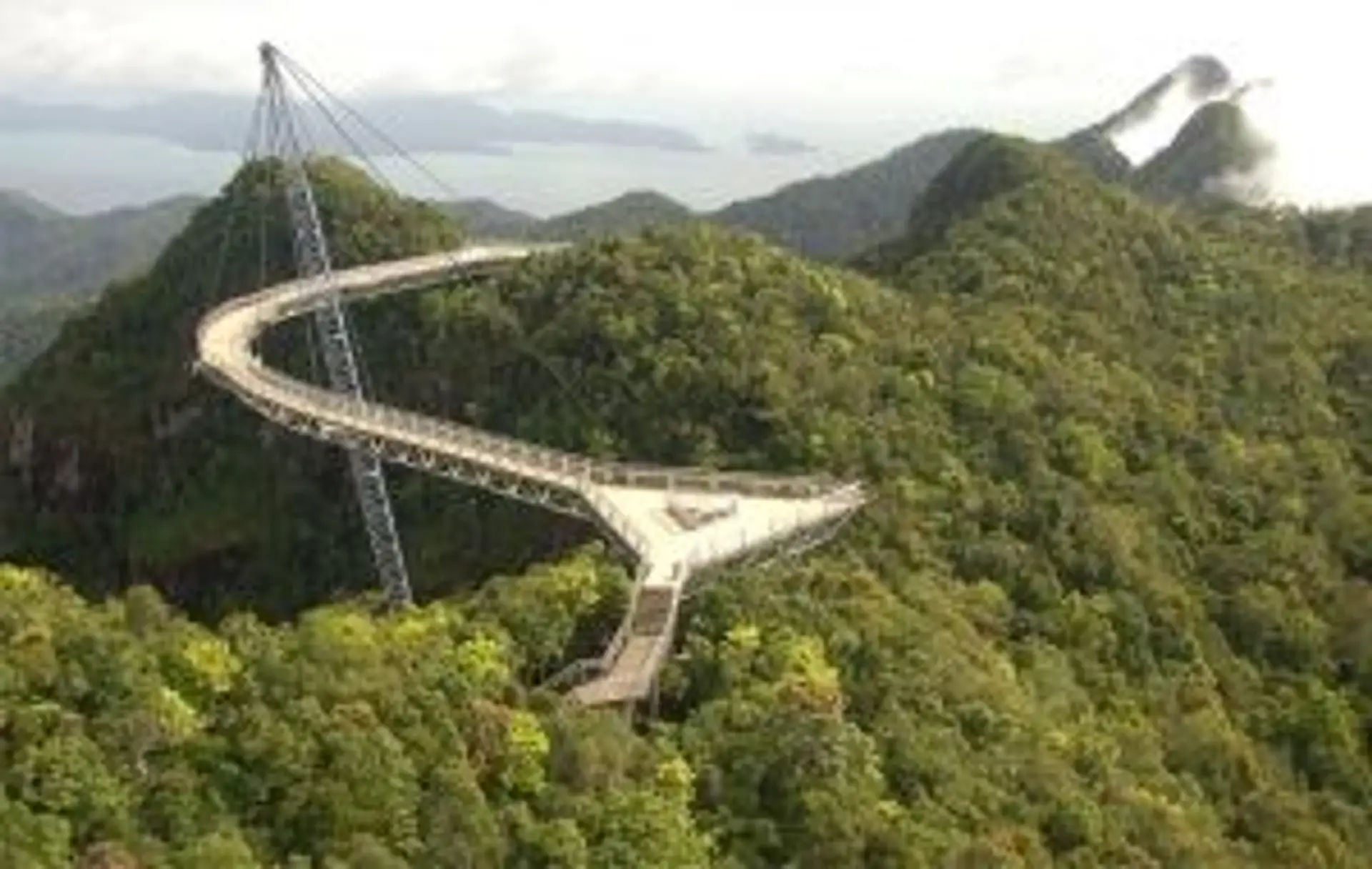
Langkawi is a favourite with families because it offers so many nature and fun activities. You can visit the mangroves of the Kilim nature park and take cruises around the islets. The SkyCab cable car climbs to Gunung Machinchang, which stands at 713 m, for views over the island.
Pangkor Laut is the dream island for an exclusive couple's experience. It is a preserved, intimate setting between tropical jungle and secret beaches. It is also the quietest option in this guide, so skip it if you want nightlife.
For a breath of fresh air, the Cameron Highlands offer tea plantations and rose gardens, with temperatures kept cool by altitude: the hills run from 1,300 to 1,829 m. It is a peaceful break and an authentic rural face of the country, ideal for families or couples who want tranquillity after the cities and the coast.
Some of Malaysia's iconic hotels are steeped in history and charm, and a few have hosted writers and artists such as Rudyard Kipling and Jackie Chan. Staying in one adds a touch of prestige to a trip and turns the hotel itself into one of the things to do. Our local experts can match a historic hotel to your route and budget.
Use this table as a shortcut. Each row lists the places that fit a type of traveller and says why.
| Traveler type | Best places | Why |
|---|---|---|
| Family | Batu Caves, Perhentian, Langkawi, Cameron Highlands | Nature activities, sea and accessible discoveries |
| Couple | Malacca, Pangkor Laut, Penang, Cameron Highlands | Romantic atmospheres, heritage and calm |
| Adventurer | Bako, Taman Negara, Kinabalu, Tioman | Wild immersion, trekking, rare wildlife |
| Culture lover | Malacca, Batu Caves, Kuala Lumpur, George Town | Religious plurality, architecture, street art |
| Nature and wildlife | Semenggoh, Belum, Bako | Orangutans, the Rafflesia and proboscis monkeys |
Tell us who is travelling and we will point you to the right regions: browse the current Malaysia trips to see how the places above fit together.
The peninsula and Borneo need separate legs, so the order of your stops and the transfers between the two halves matter more than any single sight. Our local experts plan those links with you, from flights and transfers to the pace of each stop. At Shanti Travel, we design every itinerary around Malaysia's best places, with an emphasis on authentic experiences adapted to each traveller.
If you already know the places you want, create your trip with a local expert and we'll shape the route around them. For wider planning, our Malaysia guides cover when to go and what to know before you leave.
It depends on how much you want to cover. Our experts recommend at least two weeks to see both the peninsula and Borneo. Shanti trips run from 8 to 13 days when they focus on fewer areas. A single week works well for one region, such as the cities plus the Cameron Highlands, or Borneo alone.
Travel guides report a climbing permit of RM400 for international adults (about USD 98) and RM100 for Malaysian adults, as of May 2026. The park entrance is separate: about RM50 for international visitors (about USD 12), as of September 2026. USD figures use the rate of 1 MYR = 0.24519 USD on 12 November 2026. Check Sabah Parks before booking.
Bako charges foreign adults RM20 (about USD 4.90) and children RM7 (about USD 1.70), as of May 2026, and opens 8 am to 3 pm. The boat to the park headquarters costs about RM200 return per boat (about USD 49) for up to five people, as of June 2026. Semenggoh charges foreign adults RM10 (about USD 2.45), as of April 2023, so check the current price.
Subscribe and receive our travel inspirations and practical advice twice a month.

Wanting to share your trip with a group?