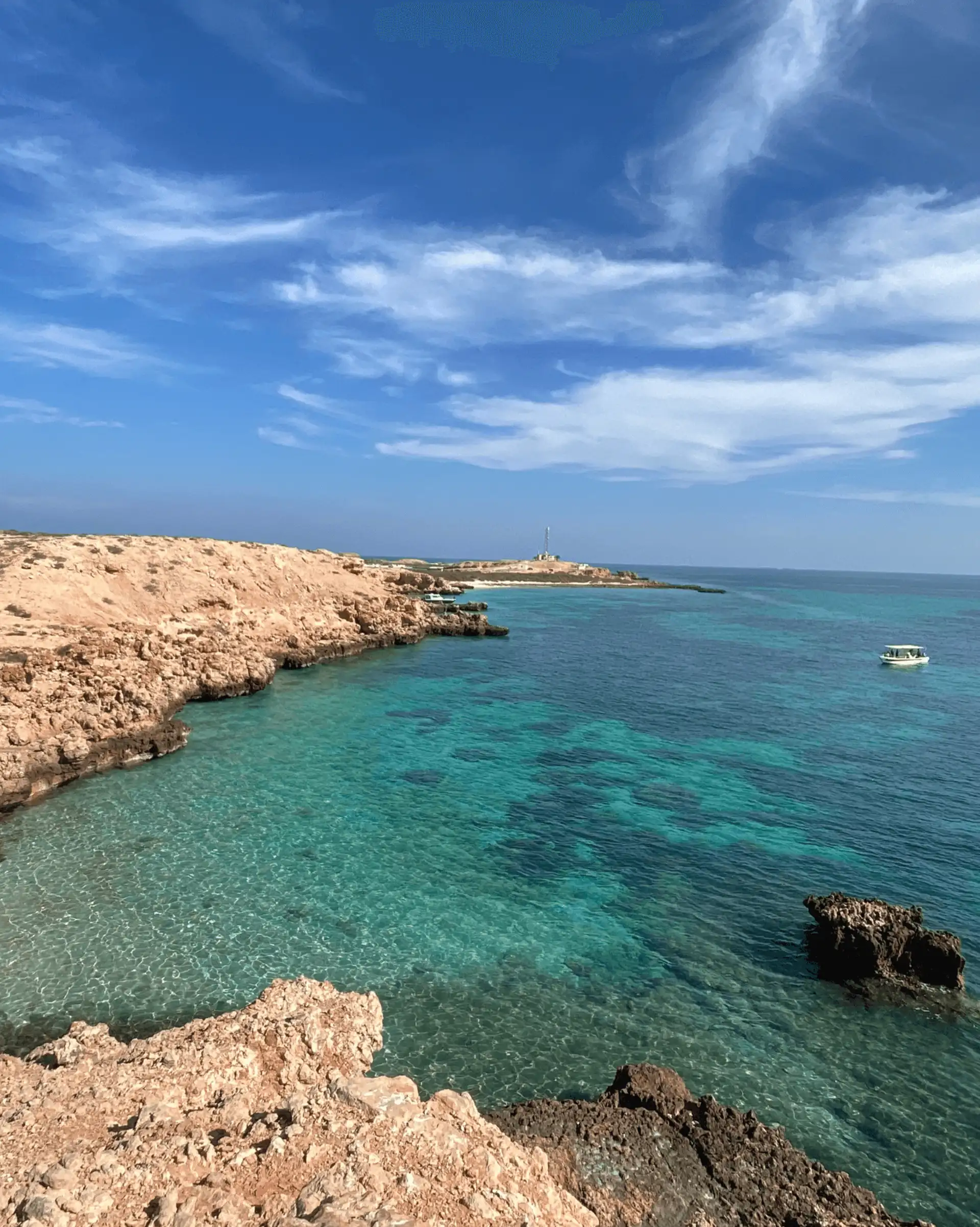
Best Time to Visit Oman: Weather by Month and Region
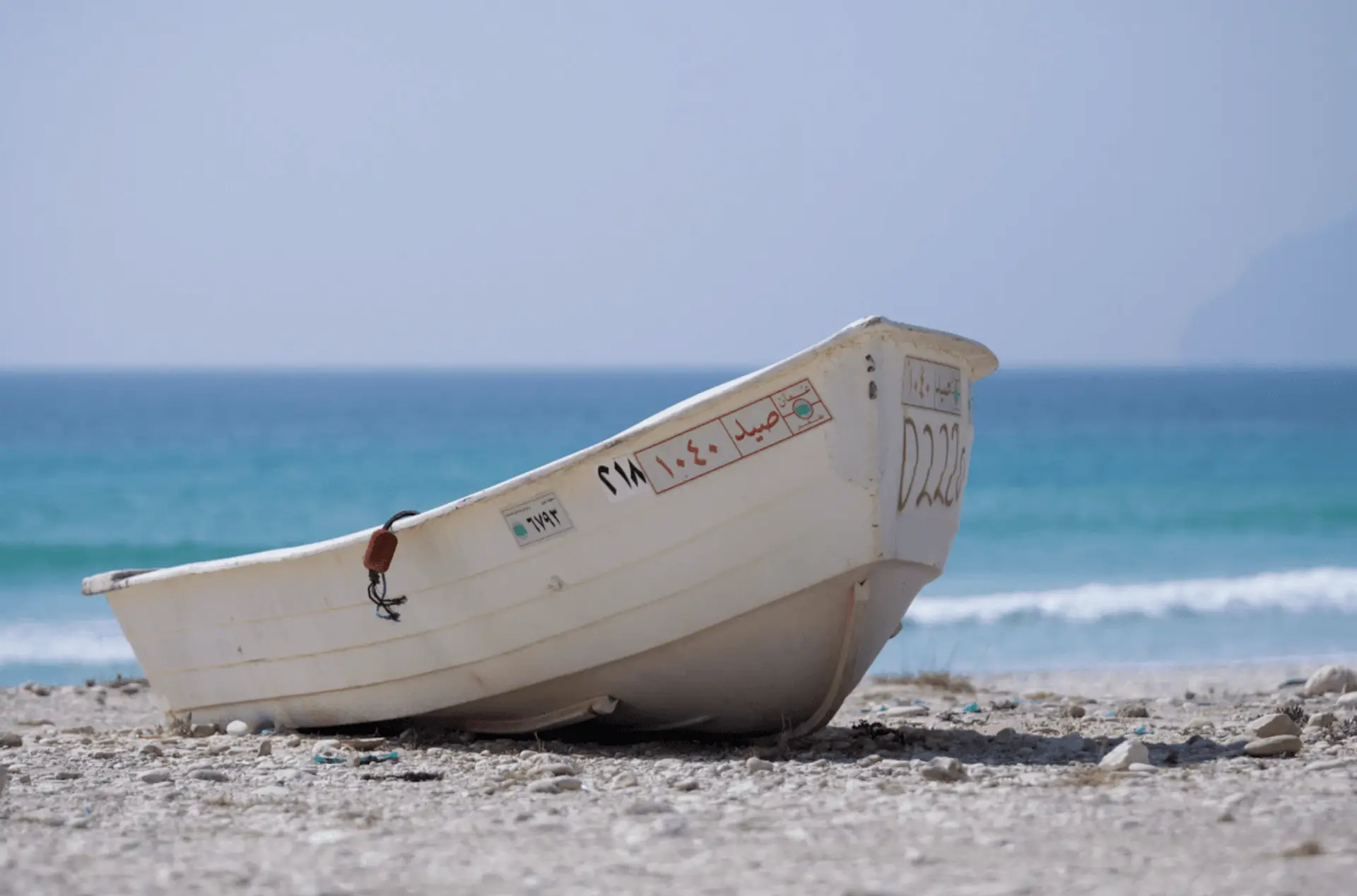
The best time to visit Oman is October to April, when the north is dry and warm, with temperatures of about 25-31°C from November to March. In summer the north is very hot, but Salalah and Dhofar turn green and cool during the Khareef, from late June to September.
When is the best time to visit Oman?
The best time to visit Oman is October to April for the north (Muscat, the coast, the Hajar Mountains and the desert), with the mildest weather from November to March at about 25-31°C. For Salalah and Dhofar, the best time is the Khareef, from late June to September, when temperatures sit around 25°C. For a first trip, our local experts suggest the north between November and March.
At a glance:
- North of Oman: October to April
- Dhofar and Salalah: late June to September
- North in May to September: avoid unless you are prepared for extreme heat
Oman has two seasons that barely overlap, which is what makes the question more interesting than it looks. While Muscat bakes in July, the south-west is wrapped in mist. While Salalah is dry and ordinary in January, the north is at its best.
The country's climate is broadly arid and the sun shines almost all year, but the influences differ by region: Mediterranean-like conditions in the north and east, and a tropical, monsoon-driven climate in the south-west. That split is the reason one calendar cannot cover the whole country, and it is why the table and sections below treat the north and Dhofar separately.
Two limits are worth knowing before you pick a date. October is still warm, at about 34°C, so the season opens gently rather than all at once. April is already 31-37°C and more, so late-season trips need an early start each day. If your dates are flexible, November to March is the safest window for a first visit, and you will spend less of the day looking for shade.
Not sure which part of Oman suits your dates? Our local experts can match region and month. For a wider look at the country, start with our Oman travel guide.
Oman weather by month
May to September is 40°C and more in the north, and the rest of the year sorts itself around that fact. Here is how the calendar looks for the north, with Dhofar's exception noted in the last row.
| Period | Temperatures | Conditions |
|---|---|---|
| November to March | 25-31°C | Ideal. Mild, dry, clear skies. Good for exploring and swimming. |
| April | 31-37°C and more | Heat rising. Travel is still possible; drink plenty of water. |
| May to September | 40°C and more (up to 45°C inland, 50°C locally) | Very hot and dry. Avoid unless prepared. Dhofar is the exception (see the Khareef below). |
| October | Around 34°C | The heat is still there, but the air feels gentler. The season opens. |
These are daytime averages, so a thermometer in Muscat on a given afternoon can read higher or lower. March, at around 30°C, is where the warm-up begins.
The sea stays between 24°C and 30°C all year, which means swimming and water sports work almost any month.
Oman by region: where to go and when
Oman is a long country with very different corners, and the right month depends on where you are standing. The south has its own section after this one.
The coasts and Muscat
Come between October and April. The sun is pleasant, the heat bearable, and the things Muscat does best, wandering the souks, climbing into forts, following wadis inland, are all comfortable in the mild months. In July and August the mercury climbs to 40-48°C, and the same souk walk becomes a short dash between air-conditioned stops.
The Hajar Mountains
The Hajar range has its own climate. From October to April, days are very pleasant for hiking, and nights can fall to 5°C. In December and January frost or even snow can appear on the summits, a surprise in a country people associate with sand.
The desert
The centre of the country is arid plains and sandy massifs, including the Rub al-Khali. Daytime temperatures stay above 25°C all year and reach 50°C or more in summer. Nights can drop to 20°C or less, especially in winter. This is where the answer to "what is the hottest month in Oman?" lives: July and August, at 40-48°C in the north and about 50°C in the desert. For a comfortable night under the stars, go between October and April.
Planning a route around the season? See how it fits in our Kingdom of Sinbad itinerary.
Khareef season in Salalah and Dhofar
The Khareef is Dhofar's summer monsoon, from late June to September. Salalah and its surroundings cool to about 25°C, with mist, drizzle and green mountains, while the rest of Oman is under extreme heat.
It is a rare thing on the Arabian Peninsula. The mountains turn a brilliant green, waterfalls run, and a refreshing mist drifts through the air. This is a little-known Oman, almost the opposite of the rest of the country, which is crushed by heat at the same moment.
The sea can be rough during the monsoon, so the mountains and wadis are the focus of a Khareef visit rather than the beach. Plan around that.
The season is not fixed to the day. In 2026 it ran from 21 June to 21 September, according to the 2026 Khareef season coverage in Khaleej Times (June 2026). Dates change from year to year, so check the dates for 2027 before you book.
Oman in summer: is it worth it?
Honestly, for most trips, no. The north is very hot from May to September, and the lowlands sit at roughly 35-45°C. Most visitors plan around it, and for a first trip we would too.
Summer does suit a few kinds of traveller. If you are heading to Dhofar for the Khareef, it is the only time to go. If you are prepared for the heat, you can hike in the morning and keep cultural visits for the afternoon. And if you prefer quieter tourism, the off-season brings fewer visitors and attractive prices.
A few habits make the difference if you do go in the heat. Schedule hikes and outdoor sights for the morning, keep museums, forts and markets for the afternoon, and plan rest in the shade during the hottest hours. The sea, at 24-30°C, is warm enough for swimming and water sports all year, which gives the coast a use even when the land is too hot to walk.
Oman in summer works best as a second trip, once you have seen the country at its mildest and want to see it against the grain of the seasons.
Festivals and events by season
Oman's calendar of festivals follows the weather closely, which helps if you want a trip with a local event in it.
- Muscat Festival (January to February): Omani culture, shows, exhibitions and markets, held during the mild season. According to Oman's Ministry of Heritage and Tourism, it is usually held in January and February. The 2026 edition ran from 1 to 31 January; dates for 2027 were not available when this guide was written.
- Salalah Tourism Festival / Khareef Festival (mid-July to September): coincides with the monsoon, with concerts, entertainment and markets that show off Dhofari culture and the green after the rain. The schedule varies by year.
- Renaissance Day (23 July): a national holiday celebrated across the country.
- Eid al-Fitr and Eid al-Adha: these follow the lunar calendar, so their dates move each year. They bring festivities and can affect visitor numbers.
Plan your Oman trip with a local expert
Choosing a month is half the work; the other half is matching it to a region and a pace. Our local experts live in the destinations they design trips for, so they can tell you which valleys, coasts and desert camps work on your dates and which are better left for another season. A winter trip might pair Muscat's forts and the Hajar Mountains with a night in the desert. A summer trip might go south and spend its days in the wet, green hills around Salalah.
Tell us when you want to travel and our local experts will design a tailor-made trip to Oman around the season and the regions you choose. You can send your request here.
Best time to visit Oman FAQ
Ramadan 2027 is expected to run from around early February to early March, depending on moon sighting. Because the month follows the lunar calendar, the exact start can shift by a day or two. Check the dates shortly before departure, and ask your trip designer how the month affects visits and opening hours on your route.
From October to April, bring light, breathable clothing that still covers you (cotton or linen), a hat, sunglasses and sun protection, plus a sweater for evenings in the desert and mountains. From May to September, choose loose, light-coloured clothing, rest in the shade during the hottest hours and drink regularly. For the Khareef, add a raincoat, a windproof layer and shoes for slippery ground. Carry a first-aid kit and bottled water, and cover shoulders and legs at religious sites.