Your expert on destination India
The symbols of Diwali are the diya (oil lamp), rangoli, Lakshmi and Ganesh, mehndi, Rama and Sita, and festive sweets. Together they stand for light over darkness, good over evil and wisdom over ignorance. Here is what each one means and where you will see it in India.
Each symbol of Diwali carries a meaning: lamps for knowledge, rangoli for welcome, Lakshmi and Ganesh for prosperity and wisdom, mehndi for tradition, Rama and Sita for good winning over evil, sweets for sharing. Visit India while the festival is on and the evenings fill with lamps lined up in houses, shops, shrines and streets, so most of these are easy to spot.
For the festival itself, its five days and its history, see our Diwali overview.
Diyas are small clay oil lamps, lit alongside candles on the evenings of Diwali. You will find them lined up just about everywhere: in houses, shops, shrines and out in the streets. They stand for light over darkness and for knowledge and peace, and fireworks and firecrackers add a joyful, noisy side to the celebration. The festival's Sanskrit name, Deepavali (or Dipavali), is usually translated as "a row of lights", which is exactly what a lamp-lined street looks like.
Rangoli are floor designs made with coloured powders and flower petals at the entrance of homes and religious buildings, made to welcome the deities. During Diwali the welcome is aimed at Lakshmi, who is invited in to bring strength, kindness and good luck to the household. Materials vary: dyed rice, flour, sand or flowers, and in South India the same art is called kolam. Designs differ from region to region and from house to house, so a walk through a neighbourhood shows a different pattern at nearly every door.
Lakshmi is the goddess of wealth and well-being, and Ganesh is the elephant-headed god of wisdom. Together they are the best-known figures of Diwali worship. The third day is the highlight of the festival, Lakshmi Puja, when families pay homage through rituals, songs, dances and offerings to attract luck and prosperity. If you want some background on the deities, our guide to Hinduism in India explains who is who.
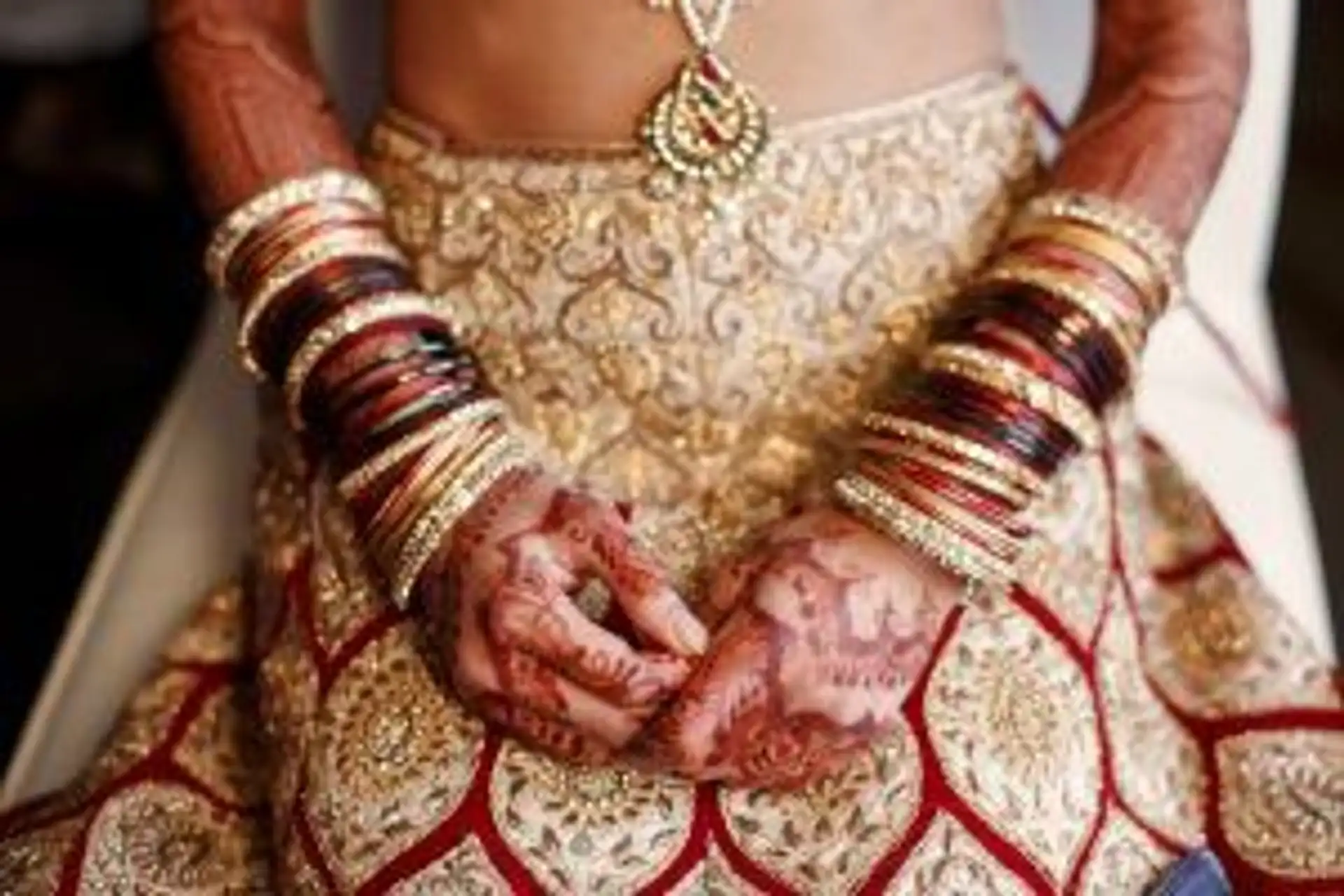
Mehndi is the art of decorating hands with henna patterns, a temporary tattoo that is part of dressing up for Diwali. The designs are often inspired by nature or geometric shapes. For a visitor it is one of the easiest traditions to join in, and the patterns link you to the local way of celebrating.
Rama and Sita are the heroes of the Ramayana, and their return is one of the stories told at Diwali. The city of Ayodhya, associated with the pair, lights up its streets and monuments to honour that return. The small lights placed everywhere recall the triumph of good over evil, which is the same message the lamps carry in every other town.
Sweets are the edible symbol of Diwali: families exchange gifts, mainly sweets, to share the joy of the season. Two to look for are peda, a dessert made with cardamom and milk, and gulab jamun, small sweet balls soaked in rose-flavoured syrup. Both are often enjoyed with a fragrant lassi.
Beyond the six above, five more symbols appear in decorations and customs. The meanings below follow the Tatler Asia article on Deepavali symbolism.
| Symbol | Where you see it | Meaning |
|---|---|---|
| Lotus flower | In Hindu, Buddhist and Jain art, often alongside deities | Sacred in Hinduism because it stays untarnished by its surroundings, rising pure from muddy water; closely linked to Lakshmi, who is welcomed into homes at Diwali |
| Toran | Hung at home doorways, usually made of marigolds and mango leaves (cloth or metal versions shaped like mango leaves also exist) | Welcomes guests and Lakshmi, for good luck and prosperity; mango leaves are thought to represent Lakshmi and ward off negative energy |
| Marigold flowers | Garlands and decorations in homes during Diwali | Auspicious in Hinduism, especially for new beginnings; used to honour Ganesh and Lakshmi |
| Bindi | Worn on the forehead; guests may be greeted at the door with a red or saffron dot | Represents the spiritual third eye and is a sign of auspiciousness; also said to protect against the evil eye |
| Peacock feathers | A common decorative motif in India, often kept at home all year | Linked to the goddesses Saraswati and Lakshmi; a symbol of auspiciousness with eye-shaped patterns believed to be protective |
Cities such as Delhi, Jaipur, Udaipur, Varanasi and Amritsar put on spectacular illuminations in Diwali season. Maharajas' palaces are lit up, rivers glitter with floating lamps, and the bazaars are full of sweets, flowers and decorations to browse. Rangoli and toran are easiest to spot at doorways, diyas on rooftops and streets, and sweets in the shops. For the wider calendar, see India's festival calendar.
If you would like to see the lamps, rangoli and Lakshmi Puja in person, our local experts in India can shape a trip around the festival dates. Plan your India trip, or read more about travel in India.
Lakshmi Puja, the main day, fell on Sunday 8 November 2026, within five days of celebration that ran from Dhanteras on 6 November to Bhai Dooj on 11 November (as of November 2026, from secondary sources). In 2027 Lakshmi Puja falls on Friday 29 October (as of November 2026, from secondary sources). For what happens on each of the five days, read the five days of Diwali. For the festival's history and how its dates are set, see Wikipedia's Diwali page.
Arrive on time, follow the lead of the aarti, silence your phone and go with the flow when lines form. If you are unsure what to do, ask a volunteer, who are there to help. At the temple, larger rangoli patterns may sit near the main hall, so step around them rather than over them.
Place each lamp on a steady plate and clear cloth and paper away from the lamp area. Never leave a flame unattended. If you need to step away, gently put it out first.
From 1780 €
From 1530 €
From 1022 €
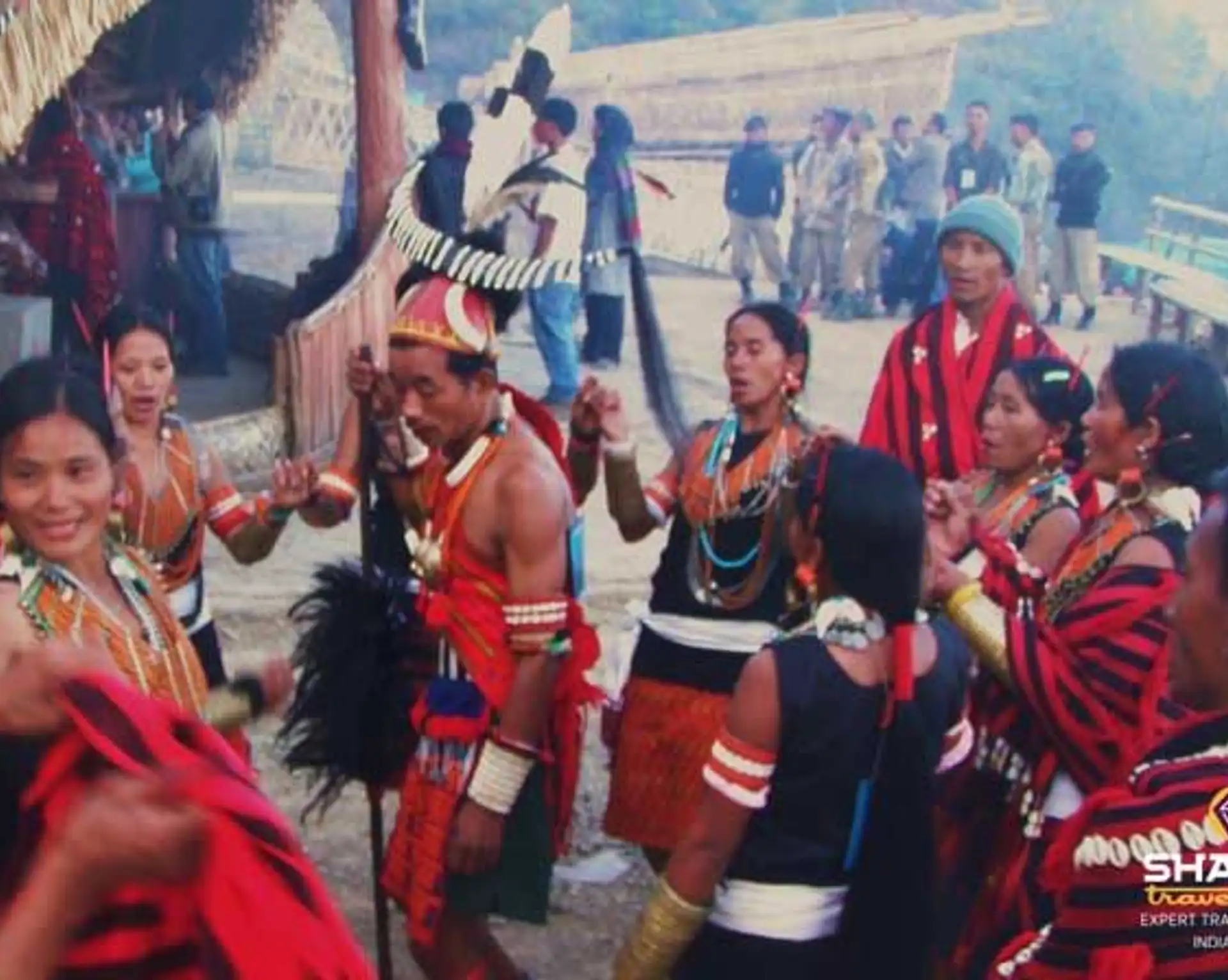
The Hornbill Festival is held every year from 1 to 10 December at Kisama Heritage Village, about 12 km from Kohima in Nagaland, north-east India. Foreign visitors need a Protected Area Permit. This guide covers dates, the route from Dimapur and what to pack.
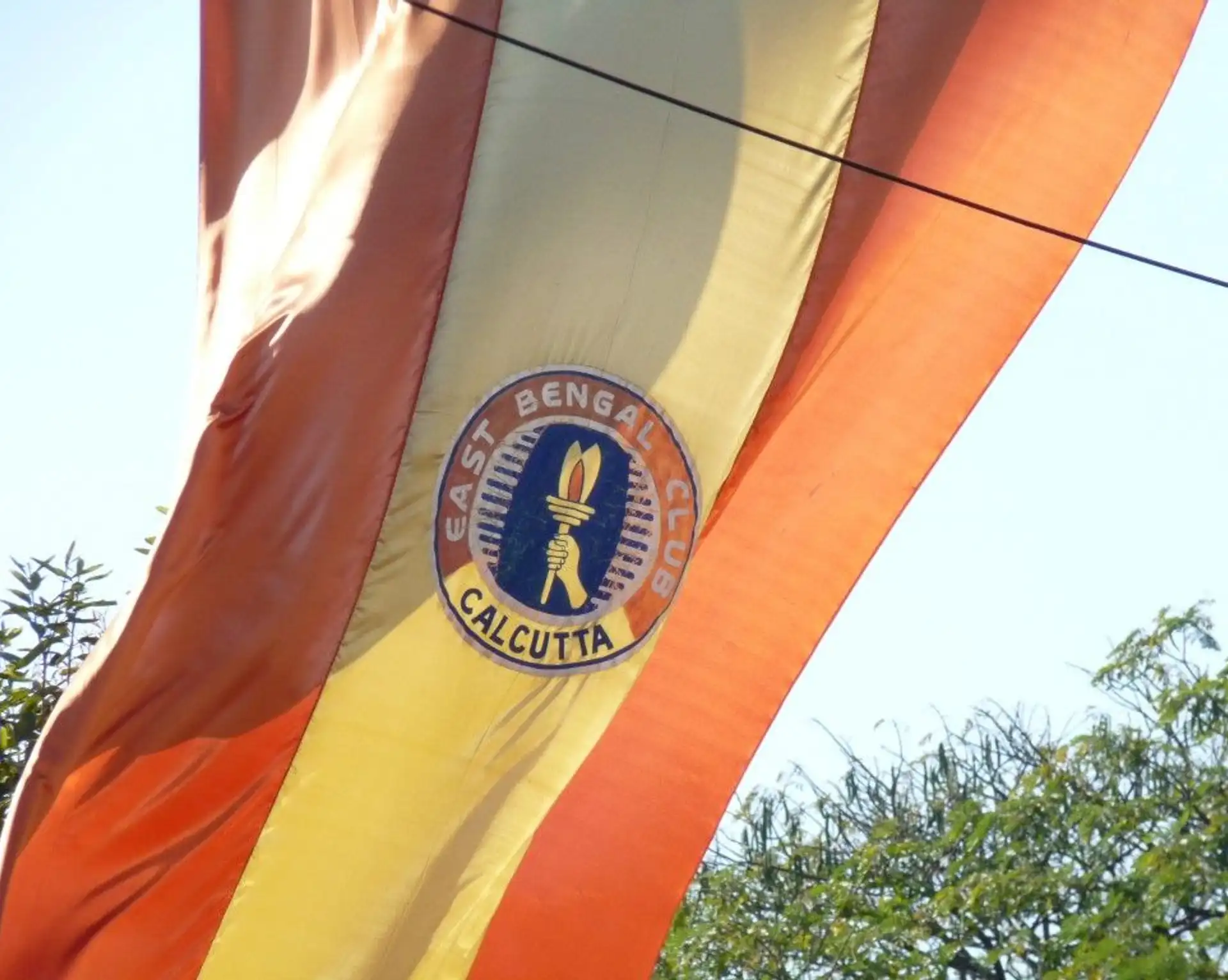
Things to do in Kolkata come down to a few areas: the river and flower market, Bara Bazaar, Park Street, Victoria Memorial and the Kali temples. Two days cover the highlights, three let you slow down. Here is what to see, what it costs and when it is open.
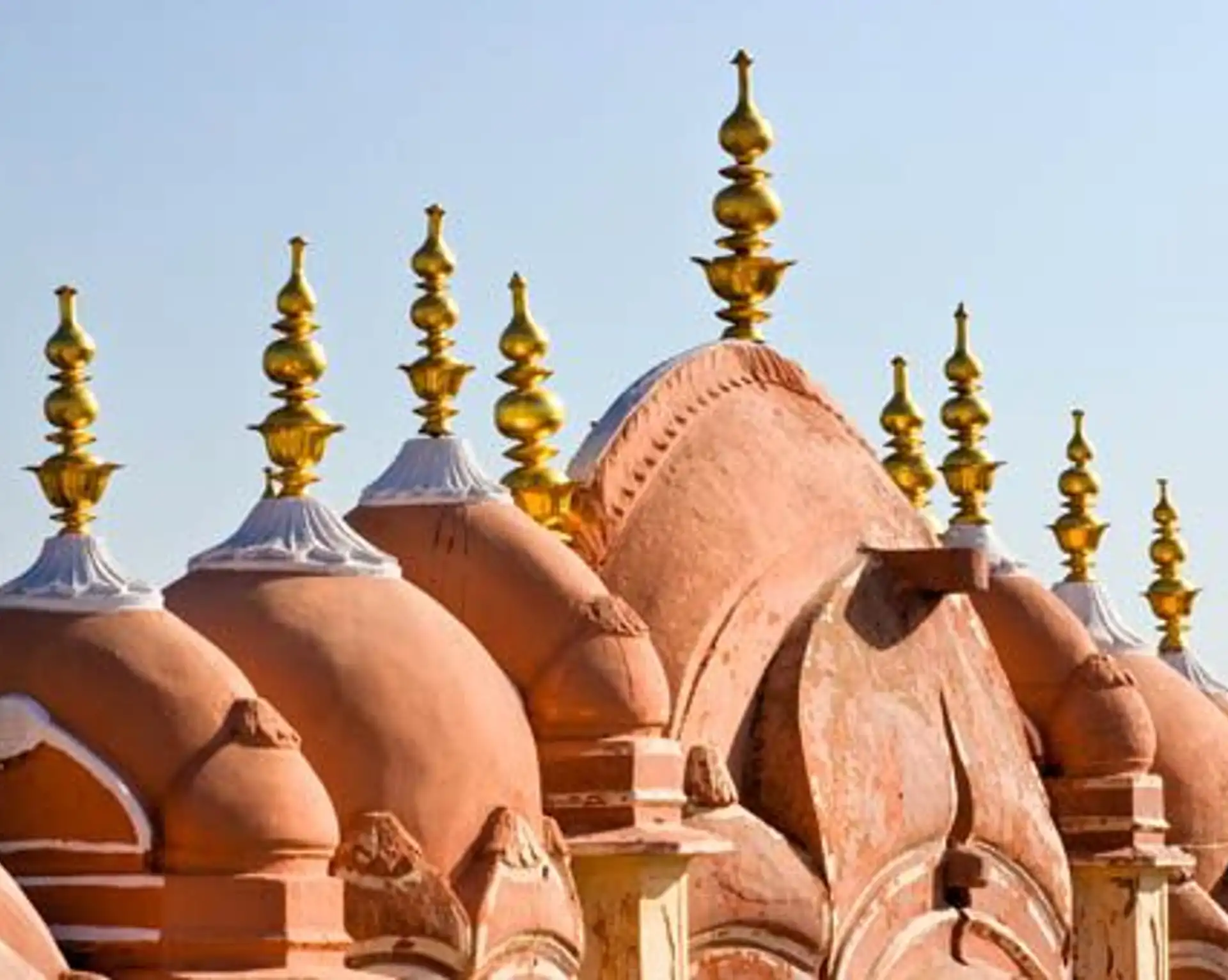
The best historical places in Jaipur are Amber Fort, City Palace, Hawa Mahal, Jantar Mantar, Jaigarh Fort and Nahargarh Fort. Amber Fort, Jantar Mantar and the walled city are UNESCO World Heritage Sites. Foreign adults pay INR 500 (about $5.30) at Amber Fort as of October 2025.
Subscribe and receive our travel inspirations and practical advice twice a month.

Wanting to share your trip with a group?











