Your expert on destination India
The best historical places in Jaipur are Amber Fort, City Palace, Hawa Mahal, Jantar Mantar, Jaigarh Fort and Nahargarh Fort. Amber Fort, Jantar Mantar and the walled city are UNESCO World Heritage Sites. Foreign adults pay INR 500 (about $5.30) at Amber Fort as of October 2025.
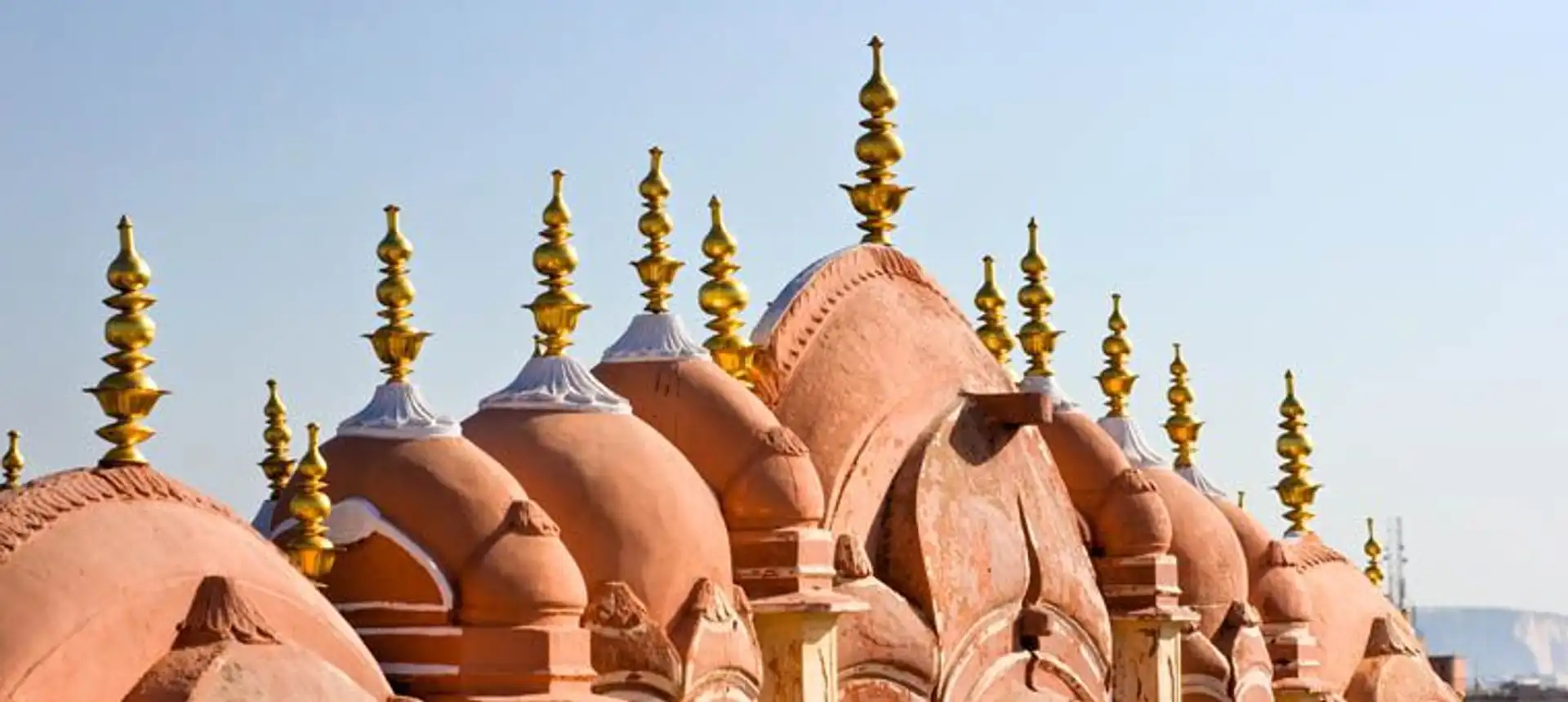
Jaipur is the Pink City for a reason. Its palaces and gateways are built in rose-coloured sandstone, and its forts climb the Aravalli hills above the old town, so one day can take you from a royal courtyard to a ridge-top rampart. The table lists the eight sites in this guide.
| Site | Foreign adult fee (as of October 2025) | Opening hours | Best for |
|---|---|---|---|
| Amer (Amber) Fort | INR 500 ($5.30) | See official portal | Hilltop palace and mirror hall |
| Jaigarh Fort | INR 200 ($2.12) | See official portal | Ramparts and the giant cannon |
| Nahargarh Fort | Confirm the foreign rate at the gate | 10:00 AM to 10:00 PM | Sunset over the city |
| City Palace | INR 1,000 ($10.60) | See citypalace.org/visit | Royal courtyards and museums |
| Hawa Mahal | INR 200 ($2.12) | See official portal | The lattice facade |
| Jantar Mantar | Check at the gate | Check at the gate | Giant stone instruments |
| Jal Mahal | Viewed from the shore | Not applicable | A palace in a lake |
| Albert Hall Museum | Check at the gate | Check at the gate | Indo-Saracenic architecture |
Published hours differ between sources for most of these sites, so confirm them on the Rajasthan tourism booking portal and, for City Palace, on the City Palace visitor page. Rate used: 1 USD = 94.29 INR (14 November 2026). Fees change, so check before you go.
Three of the best historical places in Jaipur are forts, and all three sit on the hills around the city. Together they make a good half day, with Amer and Jaigarh side by side and Nahargarh on a separate ridge.
Amer Fort stands on a hill 11 km from Jaipur, with ramparts that look over the valley below. Inside, the Sheesh Mahal (the mirror palace) and the Diwan-i-Aam, the public audience hall, are the two stops most visitors plan around. Amer is one of six forts in the Hill Forts of Rajasthan, inscribed by UNESCO in 2013. The foreign ticket price is in the table above. For the full tour, read our guide to Amber Fort.
Jaigarh rises above Amer on the Aravalli crest and once protected its neighbour. You can walk its 3 km of ramparts, and a subterranean passage is said to link it to Amer. The fort is known for a cannon on wheels that is called the largest in the world, and the view back down to Amer is the best reason to climb up.
Foreign adults pay INR 200 ($2.12), while children aged 5 to 12 and students pay INR 100 ($1.06), as of October 2025. Jaigarh is also covered by the City Palace composite ticket described below. It is not part of the UNESCO fort series.
Nahargarh sits on the edge of the Aravalli hills and gives sweeping views of the Jaipur skyline, at their best around sunset. The fort dates to the 1700s. As of October 2025 it is open from 10:00 AM to 10:00 PM, so an evening visit works, and the old 5:30 PM closing time you may still read online is out of date.
By road it is about 10 km from Amber Fort and 13 km from Hawa Mahal, according to the Rajasthan tourism portal. Like Jaigarh, it is not in the UNESCO series. Confirm the foreign ticket price at the gate.
The walled city is the heart of Jaipur. Founded in 1727 by Sawai Jai Singh II, it was inscribed as a UNESCO World Heritage Site in 2019. Three of the best Jaipur monuments stand within a short walk of each other here, which makes it the easiest part of the city to cover on foot.
The City Palace complex blends Rajput, Mughal and British influences across courtyards, palaces and museums. It has nine main structures, among them the Chandra Mahal and the Govind Dev Ji temple. The museum ticket for foreign adults is INR 1,000 ($10.60) as of October 2025.
If you plan to see more than one site, look at the composite ticket. The official City Palace site lists a composite ticket covering City Palace, Jaigarh and the Royal Cenotaphs; check the current price for foreign visitors there before you buy. Opening hours are on the City Palace visitor page.
The Palace of Winds is the picture most people have in mind when they think of Jaipur. Its pink sandstone facade holds 953 small windows, built so that cool air could pass through and the women of the court could watch the street unseen. Sawai Jai Singh II's city dates to 1727, and Hawa Mahal lies inside the walled city that UNESCO inscribed in 2019. It is not a separate World Heritage Site.
Foreign visitors pay INR 200 ($2.12) as of October 2025. One booking site reports a rise to INR 600 ($6.36) from 1 January 2026, so ask at the ticket window.
Sawai Jai Singh II completed Jantar Mantar in 1734, and it is a working observatory made of stone. It has 19 instruments for measuring time, tracking the sun and mapping the stars. The largest, the Vrihat Samrat Yantra, is a sundial 88 ft (27 m) tall. UNESCO listed the site in 2010.
It is a good stop for anyone who finds palaces repetitive, because the instruments are sculptural and the idea behind them is clear within minutes.
Two more sites round out the list. Both sit outside the old walls and both suit a short stop between the bigger sights.
Jal Mahal stands in Man Sagar Lake. Sawai Jai Singh built it around 1699 as a duck-hunting lodge, and Madho Singh I enlarged it in the middle of the 18th century. From the shore it looks like a pink palace afloat on the water, which is why it features in so many photographs.
Albert Hall Museum was begun when the Prince of Wales laid the foundation stone on 6 February 1876 and opened in 1887. Its architect, Samuel Swinton Jacob, drew on Indo-Saracenic style with Rajput influences. The collection includes an Egyptian mummy and a 17th-century Persian garden carpet, an odd but memorable pairing.
For the City Palace, Jaigarh and the Royal Cenotaphs, the City Palace composite is the one to look at, as described above. The Rajasthan tourism portal also sells a Jaipur Package that bundles several monuments. Compare both against the sites you really plan to visit, and buy a combined ticket only if you will use most of it.
November to February is the pleasant window, when the days are mild enough for hill forts and open courtyards. Start with Amer in the morning, before the tour groups arrive, and save Nahargarh for the end of the day so you catch the sunset.
Group the sites by area to avoid backtracking. City Palace, Hawa Mahal and Jantar Mantar fit into one half day on foot in the old city. The forts fill another. If you only have a short stay, our 24-hour Jaipur plan shows how to combine them, and you can find more monuments in North India to add to a longer route.
Want these historical places in Jaipur in a plan that fits your pace? Our local experts in India build tailor-made trips around Jaipur and the rest of Rajasthan, with the right tickets and guides arranged for you. Tell us your dates and interests and we'll shape it with you. For ideas, see our India travel guide and North India trips.
Yes, for the eight sites here. The Rajasthan tourism portal sells a Jaipur Package valid for two days, and a November 2025 travel blog says the composite covers nine places over those two days. Check the current price and what it includes on the portal before you go.
The English show runs from 6:30 to 7:30 PM and the Hindi show from 7:30 to 8:30 PM. A TripAdvisor review from 10 December 2024 gives the price as INR 250 ($2.65) per person. The 2026 season listed on a ticketing site ran from 6 to 31 October, so check the current dates before planning an evening there.
Not fully. The lower four storeys stay underwater and are closed to general visitors. A 1 km lakefront promenade, built during the restoration, lets you view the palace from the shore. Access to the upper floors can change, so check locally.
From 1038 €
From 865 €
From 2380 €

Where is The Jungle Book set? In the Seoni hills of Madhya Pradesh, central India, around today's Pench Tiger Reserve. Kanha is often linked to the story too. Here is what is real, what Kipling invented, and how to visit.
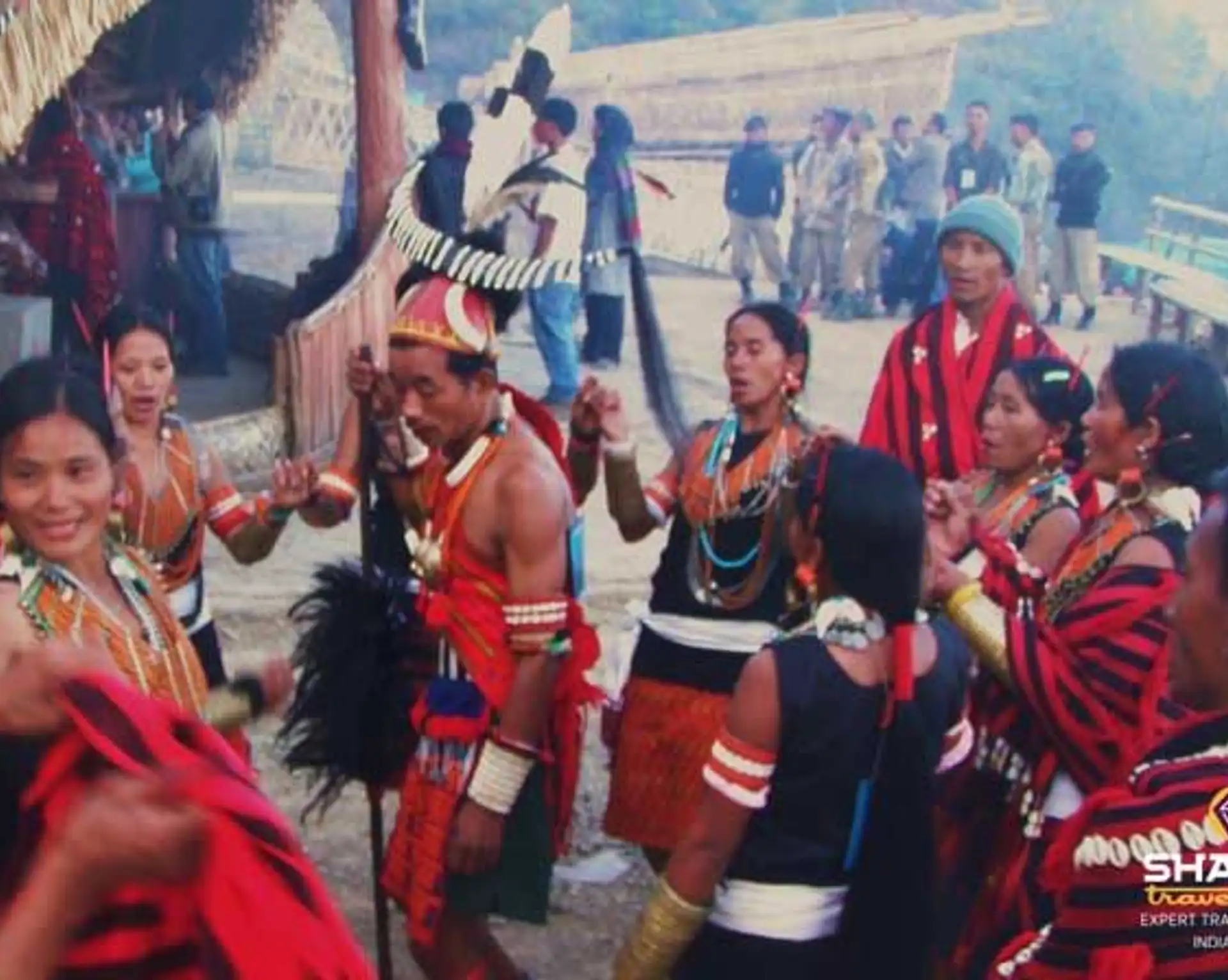
The Hornbill Festival is held every year from 1 to 10 December at Kisama Heritage Village, about 12 km from Kohima in Nagaland, north-east India. Foreign visitors need a Protected Area Permit. This guide covers dates, the route from Dimapur and what to pack.

Things to do in Kolkata come down to a few areas: the river and flower market, Bara Bazaar, Park Street, Victoria Memorial and the Kali temples. Two days cover the highlights, three let you slow down. Here is what to see, what it costs and when it is open.
Subscribe and receive our travel inspirations and practical advice twice a month.

Wanting to share your trip with a group?