Your expert on destination Sri Lanka
Whale watching in Sri Lanka is at its best off Mirissa on the south coast from November to April, and off Trincomalee on the east coast from May to September. A boat tour costs about USD 50 per adult as of November 2026, and the blue whale is the headline sighting.

Sri Lanka is one of the best places in the world to see whales, notably the blue whale. Which coast you head for depends on the month you travel, because the island has two main seasons, one on each side.
| Coast | Base towns | Season | What you may see |
|---|---|---|---|
| South | Mirissa, Dondra, Weligama | November to April, peak February to March | Blue whales, sperm whales, orcas, dolphins |
| East | Trincomalee | May to September | Milder weather, whales closer to shore |
| Northwest | Kalpitiya | November to April for dolphins | Dolphins first, whales more discreet |
The sea is calmest on the south coast in February and March, and that is when whale watching in Mirissa is most promising. In the northwest, April is the month to try if you want an outing dedicated to whales.
The south coast season runs from November to April, with a peak in February and March. The east coast season runs from May to September. Pick the coast by the month you travel and you will be on the right side of the island.
On the south coast, between Mirissa, Dondra and Weligama, the sea is calmest from February to March. A calm sea makes the outing more comfortable and the watching more promising, so these two months are the ones to aim for if your dates are flexible.
From May the picture flips. Around Trincomalee on the east coast the weather turns milder and whales come closer to the shore, which is why this coast takes over from the south through to September.
Kalpitiya in the northwest sits on its own calendar: dolphins from November to April, and April for a dedicated whale outing. It gets its own note below.
Mirissa is the reference for variety. Blue whales, sperm whales, orcas and dolphins all appear on the list of possible encounters, which is why whale watching in Mirissa is the first thing most visitors search for. Its season runs from November to April, like the rest of the south coast.
Dondra, a short way along the same coast, adds something different. The excursion there is also a chance to look at the ocean from its famous lighthouse, a view that makes the day feel less like a single sighting and more like a morning on the sea. Weligama completes the trio on the same stretch of coast, with the same November to April season.
Kalpitiya, further north on the west side, draws dolphin lovers, particularly between November and April. Whales are more discreet there. If a whale outing is the aim, April is the best month to try.
Kalpitiya also fits into a wider wildlife itinerary. If you are pairing the sea with land animals, our guide to a safari in Sri Lanka compares the national parks.
Trincomalee is the east coast answer, from May to September. The town is best known here for Pigeon Island, where you can snorkel alongside small blacktip reef sharks and, if luck smiles on you, glimpse cetaceans.
For a slower alternative, look out to sea from Swami Rock, near the Koneswaram temple. Travellers who want calm rather than a boat tend to like this viewpoint. If snorkelling is what you came for, read about swimming with turtles as well, since it pairs well with a day on the water.
Whales are nomads. They cross the oceans following plankton and make long migrations every year. Their routes stay relatively stable, and that stability is exactly why the best periods and areas can be named in advance, season by season and coast by coast.
The distances are hard to picture. On average a whale can travel more than 10,000 km a year, and some species, such as the humpback, go beyond 25,000 km over a migratory cycle. Records for longevity reach up to 200 years, and an adult can measure as much as 20 metres. Next to a boat of a few dozen people, that scale explains the quiet that tends to settle when one surfaces.
Whales are only part of the island's animal life. For leopards, elephants, turtles and more, see our guide to the wildlife of Sri Lanka.
A whale watching boat tour in Mirissa costs about USD 50 per adult as of November 2026. Tours leave early in the morning and last roughly 3 to 5 hours.
Child fares vary by operator, so ask when you book. A ticket never guarantees a sighting, because whales are wild animals and no operator can promise one.
Not sure which coast suits your dates? Our local experts match the month to the coast and can fold the outing into a wider route. See how a tailor-made trip to Sri Lanka is put together.
Choose a responsible local operator, favour small-group outings and keep a minimum distance of 100 metres from the animals. Those three habits do more for the whales than any other decision you make.
Whale watching in Sri Lanka has grown quickly, and that growth calls for vigilance. Tourism development is an opportunity, yet it can disturb a fragile balance if boats crowd the animals. Legislation is evolving, so rules alone cannot be relied on. Common sense has to fill the gap.
Before you book, ask the operator how the outing is run. How close do the boats go? How many boats share one animal? What happens when a whale moves away? A good operator answers without hesitation. A vague answer is a reason to look elsewhere.
Shanti Travel works with partners that have a respectful approach, so the experience stays immersive without endangering the natural heritage. For international context on responsible practice, the IWC Whale Watching Handbook has a country profile for Sri Lanka.
Seasons, coasts and responsible operators are easier to match when someone who lives in Sri Lanka does it with you. Kalani and the local experts at Shanti Travel build tailor-made trips around your dates, so the whale outing lands in the right month and on the right coast.
Tell the team when you travel and what you want to see, and a local expert will come back with a route. Create your tailor-made Sri Lanka trip.
For most visitors, yes, with one caveat: sightings are never guaranteed. The appeal is the chance of several species on a single trip, and the early start means you are on calmer water before the day heats up. Treat the trip as a morning at sea where whales are the bonus, and you will rarely come back disappointed.
Bring binoculars, something that protects you from the spray and a dry garment to change into. To limit seasickness, choose an outing in pleasant weather and a calm sea. That also improves your chances of spotting whales, since both depend on the same conditions.
Mirissa is about 180 km from Colombo airport, roughly 3 to 4 hours by road on the Southern Expressway. Trincomalee is about 6 to 7 hours by road from Colombo, or around 50 minutes by air. Check current schedules before you book.
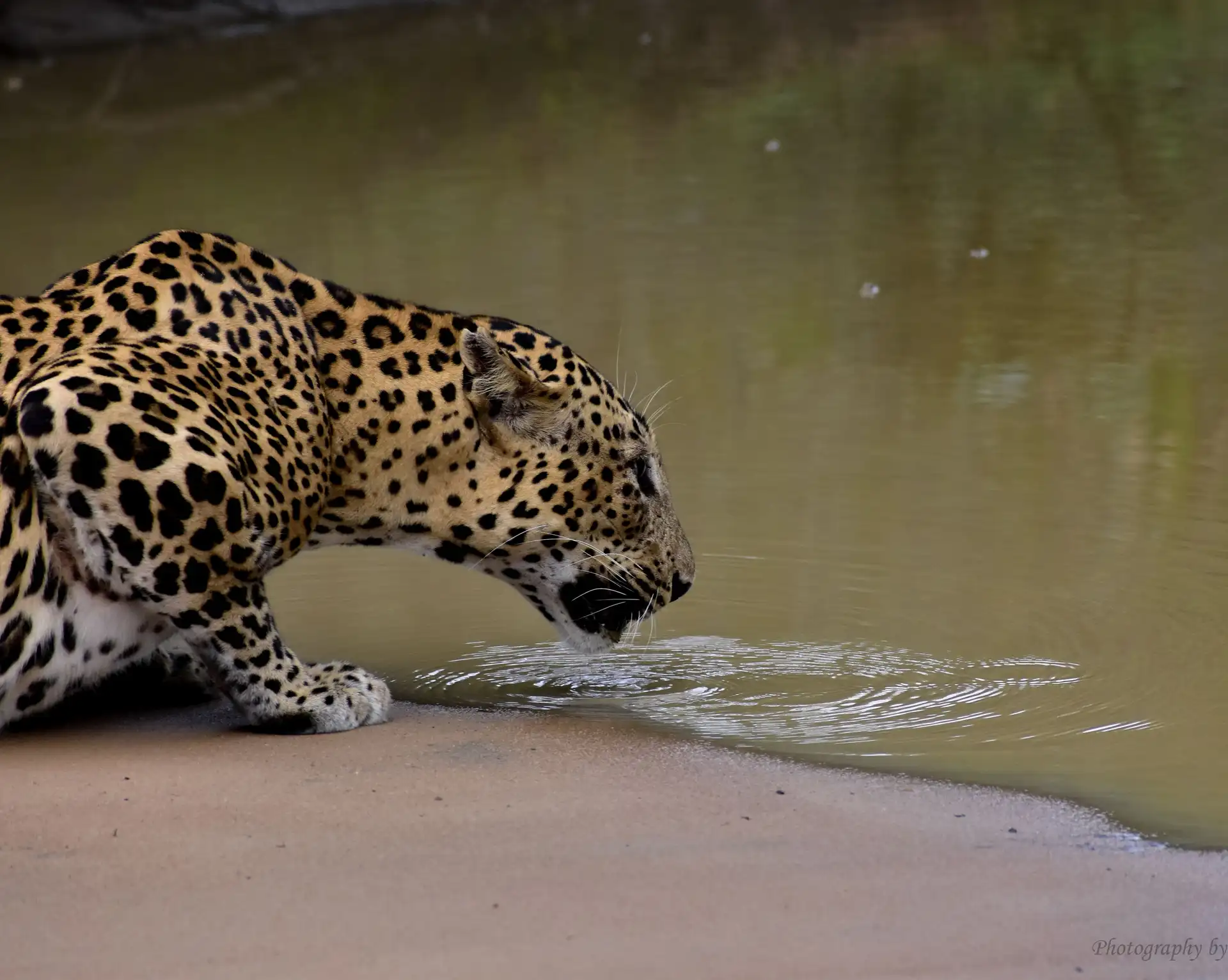
A Sri Lanka safari comes down to four parks: Yala for leopards, Udawalawe for elephants, Wilpattu for a quieter, wilder reserve and Minneriya for the seasonal elephant gathering. Pick by the animal you want, the month and where your route runs.

The Kandy to Ella train is one of Sri Lanka's best-known rail journeys, about 7 hours through tea country. Cyclone Ditwah disrupted the direct service in November 2025, so check the current status with Sri Lanka Railways or your driver before booking. Shorter Nanu Oya sections and road transfers fill the gap.
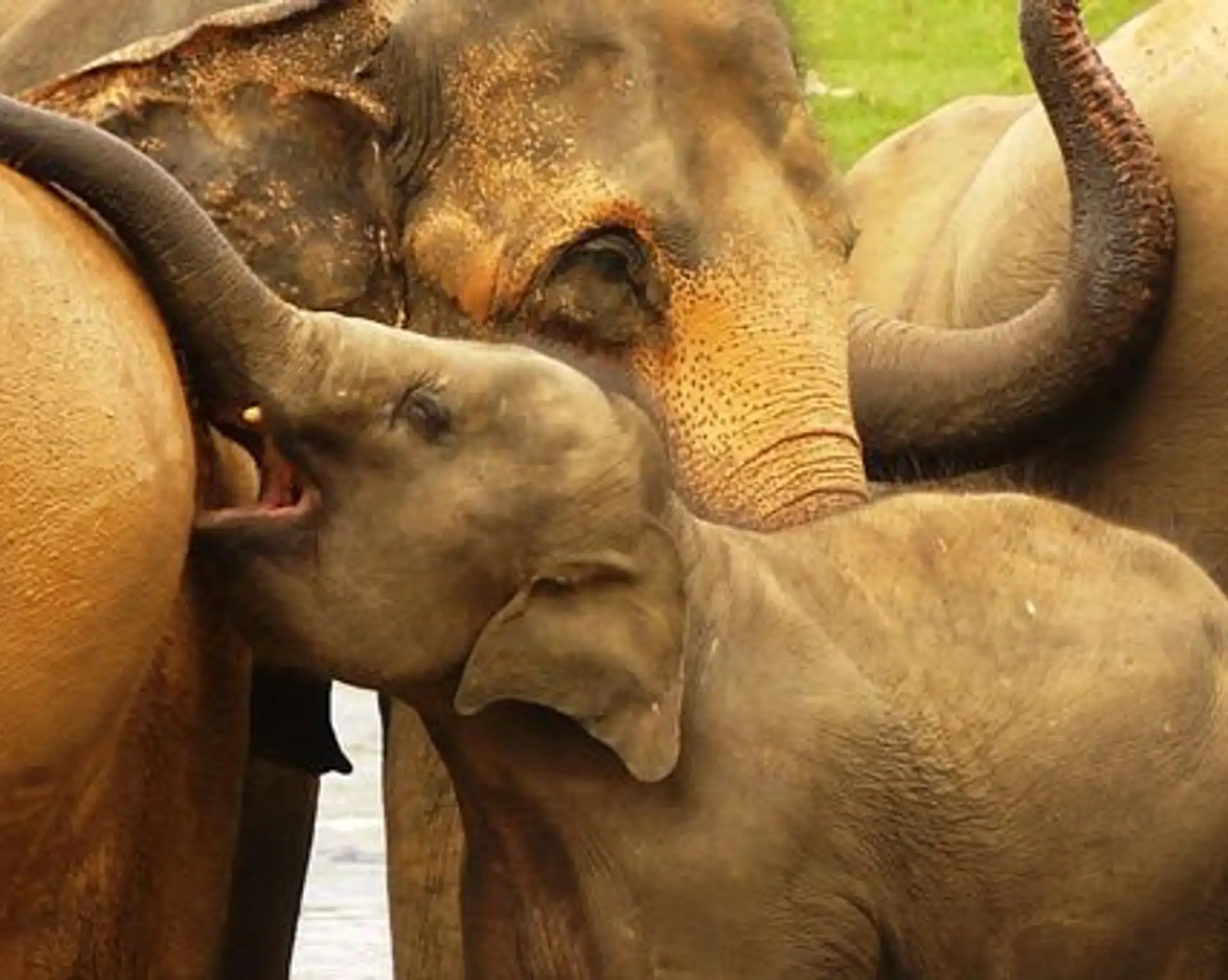
Witness one of nature's most extraordinary spectacles as hundreds of wild elephants gather freely in a breathtaking display unlike anywhere else on Earth. Immerse yourself in the untamed beauty of Sri Lanka's wilderness and experience the remarkable energy of this unforgettable natural phenomenon.
Subscribe and receive our travel inspirations and practical advice twice a month.

Wanting to share your trip with a group?