Your expert on destination Japan
Set off to discover Japan through its unique arts, blending living tradition and innovative trends that shape its plural identity. This article invites you to explore the richness of Japanese aesthetics, a subtle alliance of history and contemporary creativity.
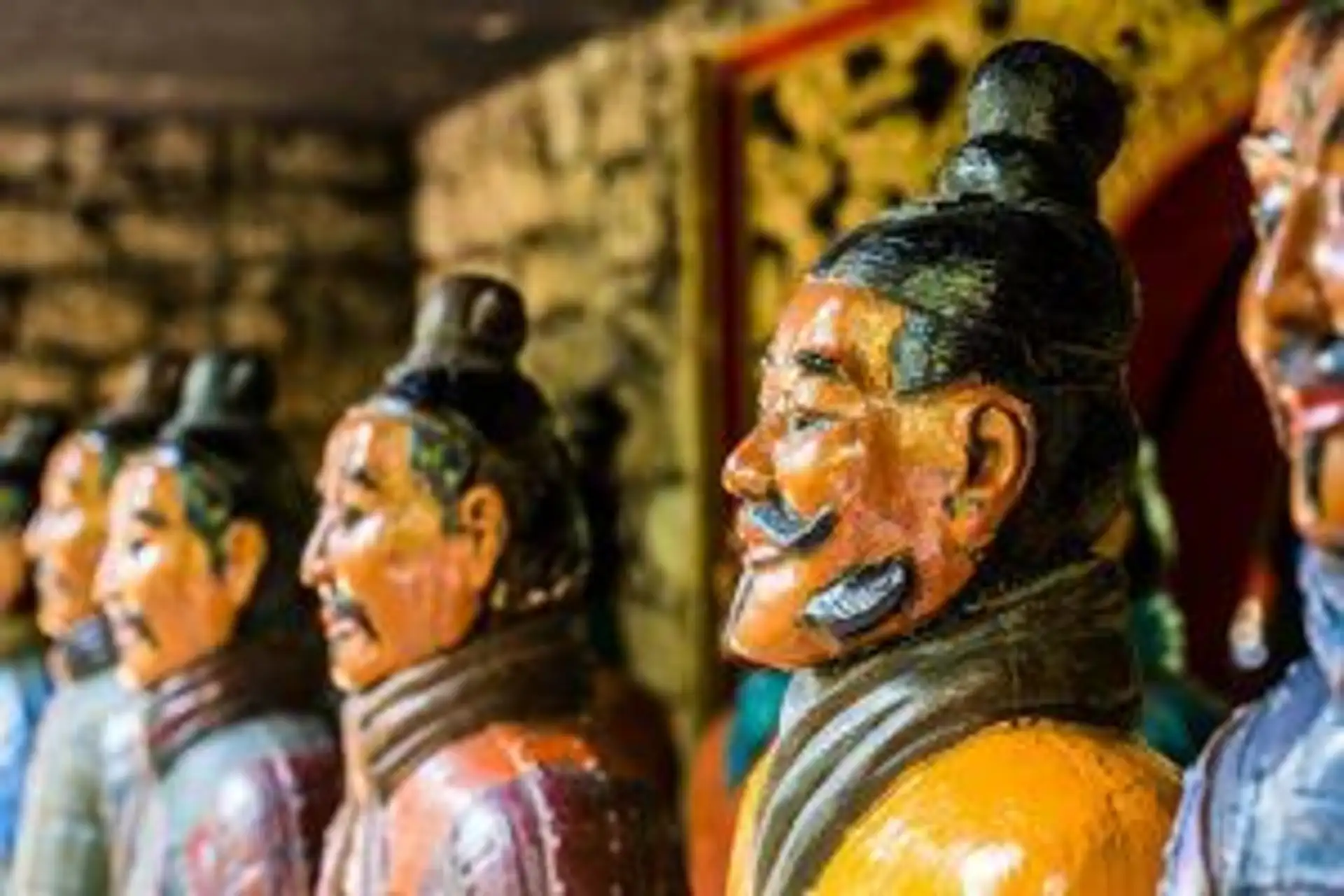
A Japan travel experience plunges you into an artistic universe of incredible diversity, where centuries-old traditions and creative revival cohabit harmoniously. In 2025, this artistic scene shines bright thanks to a palette of contemporary festivals and the rediscovery of original craft workshops, all while preserving its cultural fundamentals. Here are five iconic artistic concepts to explore.
Of Chinese origin, origami has become an integral part of Japanese culture. This art of paper folding, initially a religious symbol and later a decorative object, is kept alive in families and schools. Techniques are constantly being renewed and, in 2025, many workshops offer the chance to understand this ancestral art at exhibitions or in specialised museums. Discovering 100,000 origami creations at the Nippon Origami Museum in Kaga remains an inspiring step for any enthusiast of creativity and patience.
The yukata, a cotton summer version of the kimono, is popular today in a variety of contexts, from traditional baths to summer festivals, and even on the streets of major cities during artistic events. In 2025, Japanese fashion incorporates soft colours like pale blue and tender pink, and the yukata features updated patterns that revisit tradition with a modern touch. Make the most of your stay to choose your own yukata, paired with an obi belt and geta sandals for an authentic experience.
Bonsai symbolises the quest for balance and aesthetics central to Japanese art. This horticultural skill, stemming from a long history, consists of miniaturising wild trees to create true living works of art. The art of bonsai spans generations, with each tree telling an unchangeable story. Japanese gardens, in the city or the countryside, offer an ideal setting to contemplate these miniatures steeped in serenity.
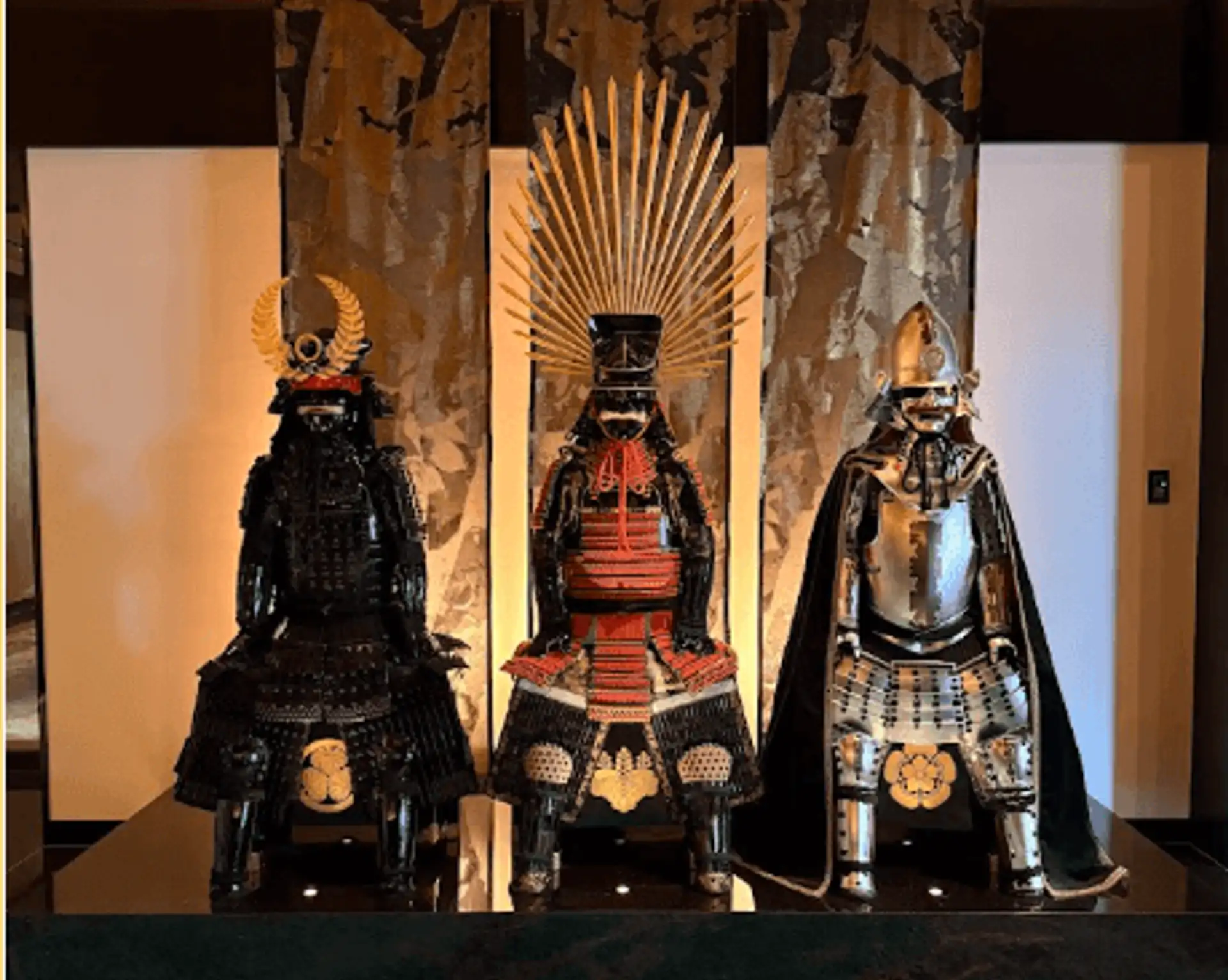
The legendary Japanese sword, the katana, fascinates as much by its complex manufacturing process as by its deep symbolism. Featured in numerous legends, it embodies the mastery, quiet strength and refinement of exceptional craftsmanship. Visiting a museum, such as the Japanese Sword Museum in Tokyo or the Bizen Osafune in Setouchi, allows you to explore the history and philosophy of the katana, a subtle balance between ancestral tradition and contemporary prestige.
The chawan, a clay bowl used during the tea ceremony, is an object revered for its irregular aesthetic, simple forms and tactile sensuality. In 2025, the making of chawan is enriched by stylistic research blending traditional Zen techniques and modern design. Attending a tea ceremony remains a privileged moment to observe every detail – the crackled glaze, the asymmetry, the depth – and live a suspended moment in the art of contemplation.
The various Japanese arts, whether popular or refined, bear witness to a constantly renewed vitality. Between contemporary festivals like the Setouchi Triennale and workshops revisiting traditional crafts, Japan is a must-visit destination for lovers of art and authenticity. Your trip will be punctuated by the discovery of these skills, sources of timeless beauty and modern inspiration.

From 2590 €

From 3300 €

From 2200 €

Mount Fuji stands at 3,776 metres, making it the highest peak in Japan. Every year, hundreds of thousands of people climb it, but many arrive unprepared. This guide is for those who want to make the most of the experience: choosing the right Mount Fuji climbing route, preparing for changing weather conditions, discovering the best photography spots, and returning safely after an unforgettable adventure.
Nagoya is one of those cities that many travellers simply pass through only to realise later that they should have stayed longer. As the capital of Aichi Prefecture, it perfectly blends modern innovation and industrial heritage while remaining deeply rooted in its local traditions and identity.
Subscribe and receive our travel inspirations and practical advice twice a month.

Wanting to share your trip with a group?