Your expert on destination India
Where is The Jungle Book set? In the Seoni hills of Madhya Pradesh, central India, around today's Pench Tiger Reserve. Kanha is often linked to the story too. Here is what is real, what Kipling invented, and how to visit.
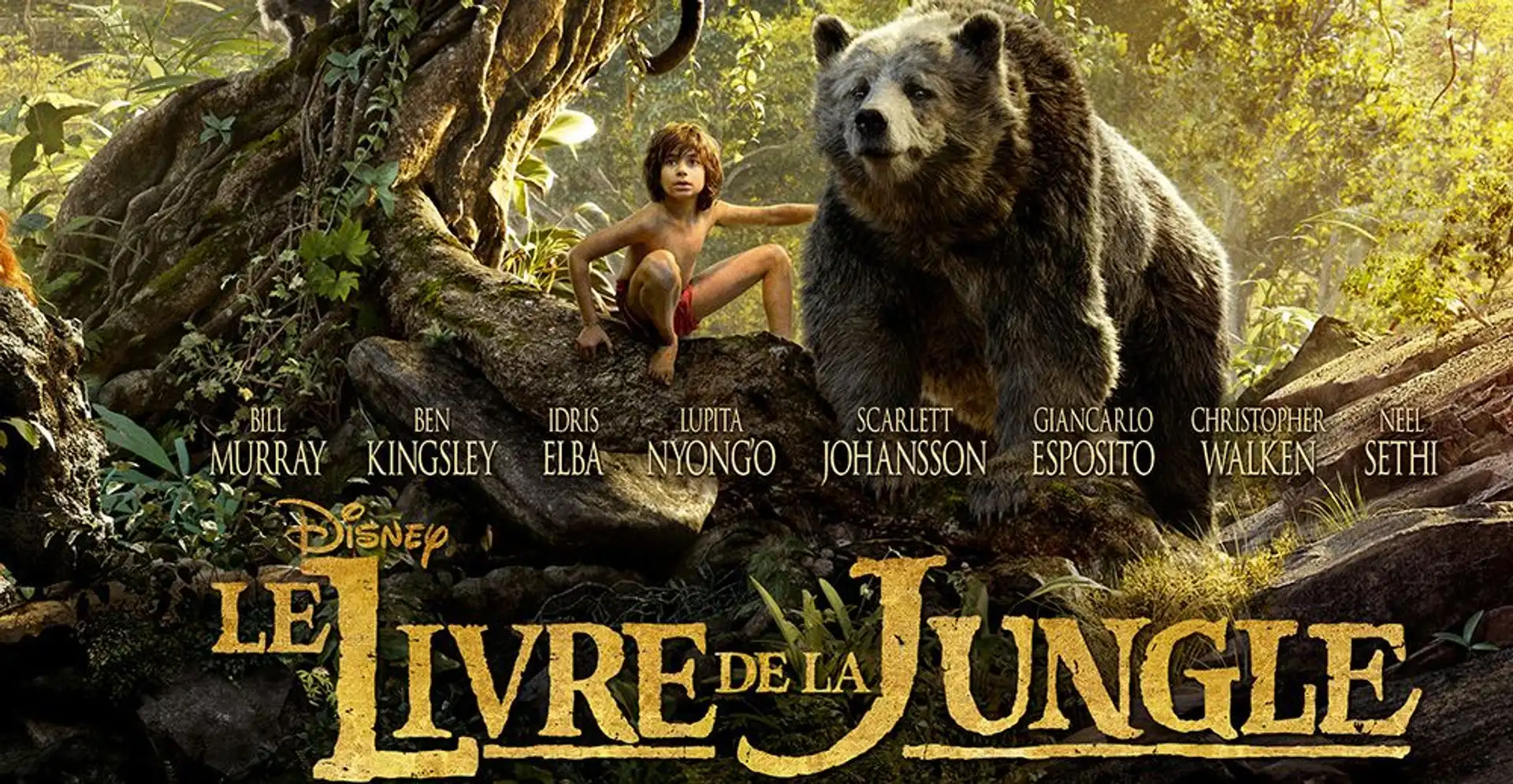
The Jungle Book is set in the Seoni hills of Madhya Pradesh, central India, around today's Pench Tiger Reserve and Pench National Park. Rudyard Kipling spelled the district "Seeonee"; modern maps and park signs say Seoni. Kanha National Park, farther east in the same state, is often linked to the story too, and it is the other park travellers choose.
So the answer to "India or Africa?" is India, and the forest is a central Indian one. Kipling's story is fiction and neither park is a film location; what the parks offer is real jungle and real wildlife. If you want to see the country where Mowgli's wolf pack would have lived, this is the area to look at.
Rudyard Kipling was born in Bombay to British parents and sent to England at the age of six. He came back to India ten years later and found his attachment to the country intact. That attachment fed his writing for years.
The Jungle Book appeared in 1894. It follows Mowgli, a small boy abandoned in the wild, who is raised among talking animals and learns the laws of the jungle from them. Kipling's tales won over young and old around the world, and in 1907 he became the first English author to win the Nobel Prize in Literature. The tales have been retold many times since, including as a cartoon in 1967, and it has become a classic that stands for universal values.
One thing to keep apart: the setting is real, the story is not. No child has been raised by wolves in the Seoni hills, and the talking animals are Kipling's invention. What you can see is the wildlife he borrowed from.
Kipling named many of his characters after ordinary Hindi words for the animals, which is why the names sound so plain. Here is who is who, and what you might really meet.
| Character | Animal | In the parks |
|---|---|---|
| Shere Khan | Bengal tiger | The reason most people come. Seen in both Pench and Kanha. |
| Baloo | Bear | Nonchalant and wise in the book, he teaches Mowgli the law of the jungle. |
| Hathi | Elephant | The serene elephant of the story. |
| Kaa | Python | The python of the story. |
| Bandar-log | Monkeys | The many monkeys that flit through the trees. |
Tigers are the main draw. India launched Project Tiger in 1973 to protect the species, and the Indian state has multiplied protected areas since. Kanha and Pench are among the reserves in that network. For a fuller picture of what lives across the country, see our guide to the animals you will meet in India.
Be realistic about sightings. These are wild animals in large forests, and a tiger is never guaranteed, so go with that in mind.
Both parks are tied to the Jungle Book, and each suits a slightly different traveller.
| Pench | Kanha | |
|---|---|---|
| Link to the story | The setting most often named: the Seoni hills | Often linked to the story, the other park travellers pair with it |
| Landscape | Wooded hills around the Seoni district | Open meadows alongside forest, which can help with spotting animals |
| Status | Pench Tiger Reserve and Pench National Park | National park since 1955, tiger reserve in 1974 under Project Tiger |
| Safari season, as of November 2026 | 1 October to 30 June | 15 October to 30 June |
If your question is purely "where is the Jungle Book location", Pench is the answer to give. If you have time for two parks, Kanha is the natural second stop, and its open meadows make a nice contrast with the wooded hills of Pench.
Both parks are protected areas with rules on entry, so plan ahead rather than turning up at a gate and hoping.
Pench is open for safaris from 1 October to 30 June and Kanha from 15 October to 30 June, as of November 2026. Those dates come from the official Pench Tiger Reserve site and the Madhya Pradesh forest department's Kanha page. Dates, zones and rules can change, so check both and book your permits through the official booking channels before you finalise flights.
Getting there. Nagpur is the usual gateway for Pench. Our guide to getting around India covers how to move between regions.
Where to stay. Read where to stay in India for the kinds of places on offer.
Beyond the jungle. Madhya Pradesh is nicknamed "the middle state", and the forests are only part of it. The temples of Khajuraho, the Buddhist site of Sanchi, the towns of Maheshwar, Mandu and Orchha, and the Satpura forests all sit in the same state. If you want to go further, nearby Uttar Pradesh has Varanasi, the cradle of Hinduism, and the rare Ganges dolphins.
A note on our trips. We don't have a Madhya Pradesh wildlife trip on the site today. The closest match is a tiger and wildlife trip in India, but it is in Karnataka, not Madhya Pradesh, so treat it as another tiger-country option rather than a Pench itinerary. Our local experts can talk through adding Pench or Kanha to a route across India instead.
Want to see Mowgli's forest for yourself? Tell our India experts what you want to see and we will build a tailor-made route: start your trip request.
In the book, Bagheera is a black panther, protective and elusive. In today's parks the animal that takes his place is the leopard. So if you want to meet Bagheera in the wild, a leopard is what you would be looking for.
India's national portal (india.gov.in) gives about 110 km from Nagpur to Pench National Park. Road time depends on which park gate you are heading for and where in the city you start, so ask for the transfer time to your specific gate when you book.
Robert Baden-Powell, founder of the Scout movement, admired the values in Kipling's book. He named pack leaders "Akela" after the leader of the Seoni wolves who adopts Mowgli.
From 1780 €
From 1530 €
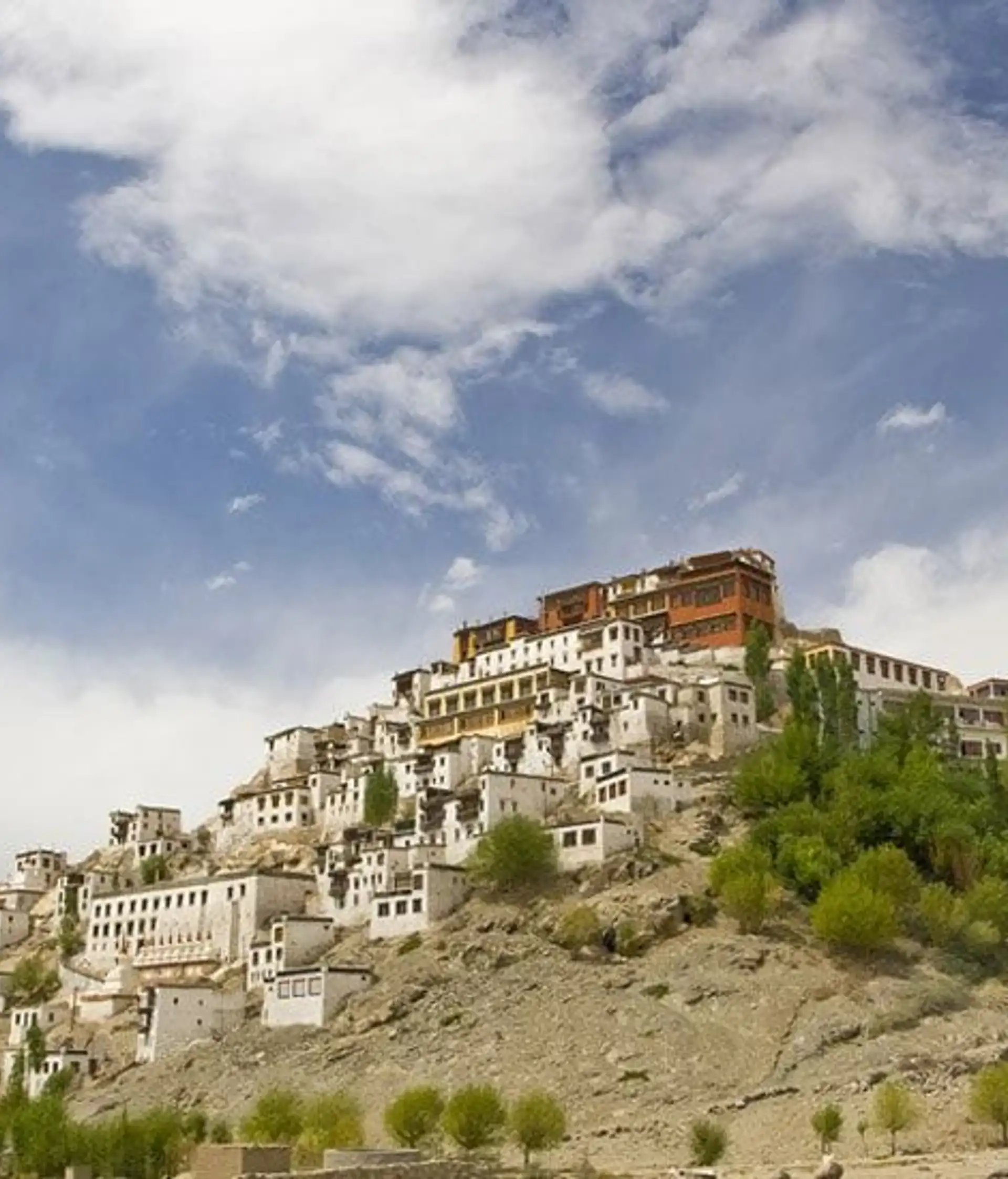
From 1022 €
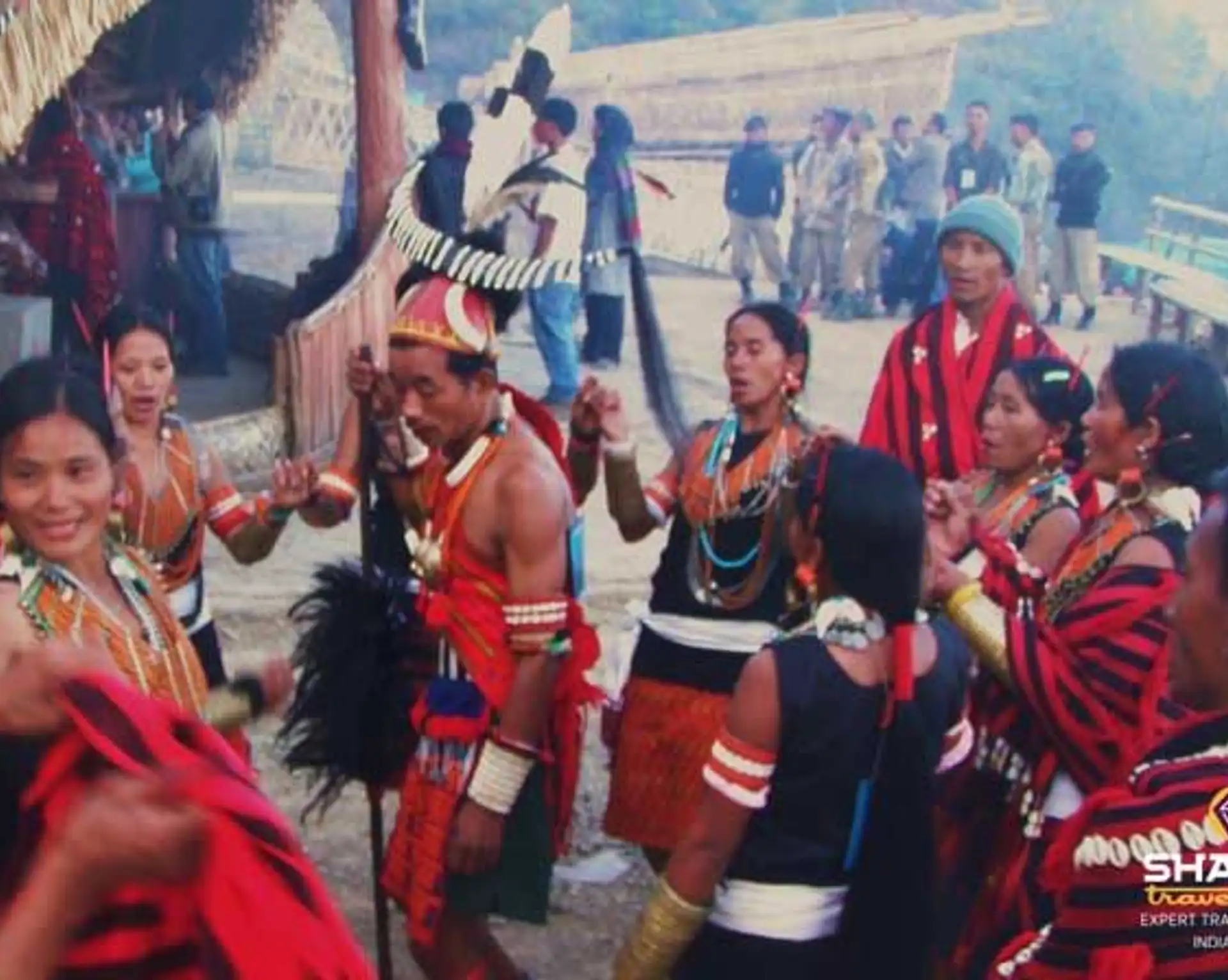
The Hornbill Festival is held every year from 1 to 10 December at Kisama Heritage Village, about 12 km from Kohima in Nagaland, north-east India. Foreign visitors need a Protected Area Permit. This guide covers dates, the route from Dimapur and what to pack.

Things to do in Kolkata come down to a few areas: the river and flower market, Bara Bazaar, Park Street, Victoria Memorial and the Kali temples. Two days cover the highlights, three let you slow down. Here is what to see, what it costs and when it is open.
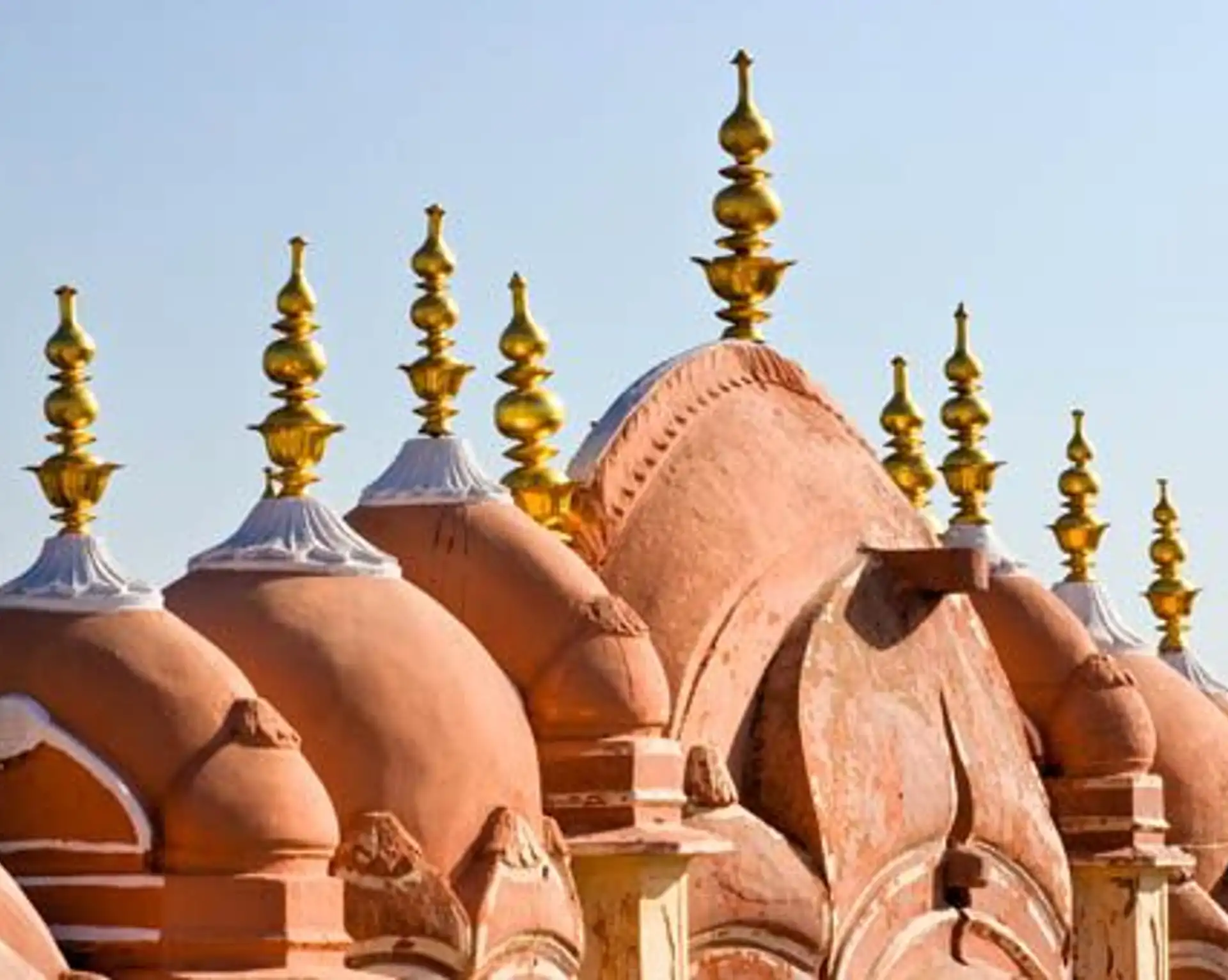
The best historical places in Jaipur are Amber Fort, City Palace, Hawa Mahal, Jantar Mantar, Jaigarh Fort and Nahargarh Fort. Amber Fort, Jantar Mantar and the walled city are UNESCO World Heritage Sites. Foreign adults pay INR 500 (about $5.30) at Amber Fort as of October 2025.
Subscribe and receive our travel inspirations and practical advice twice a month.
Wanting to share your trip with a group?