Your expert on destination Bhutan
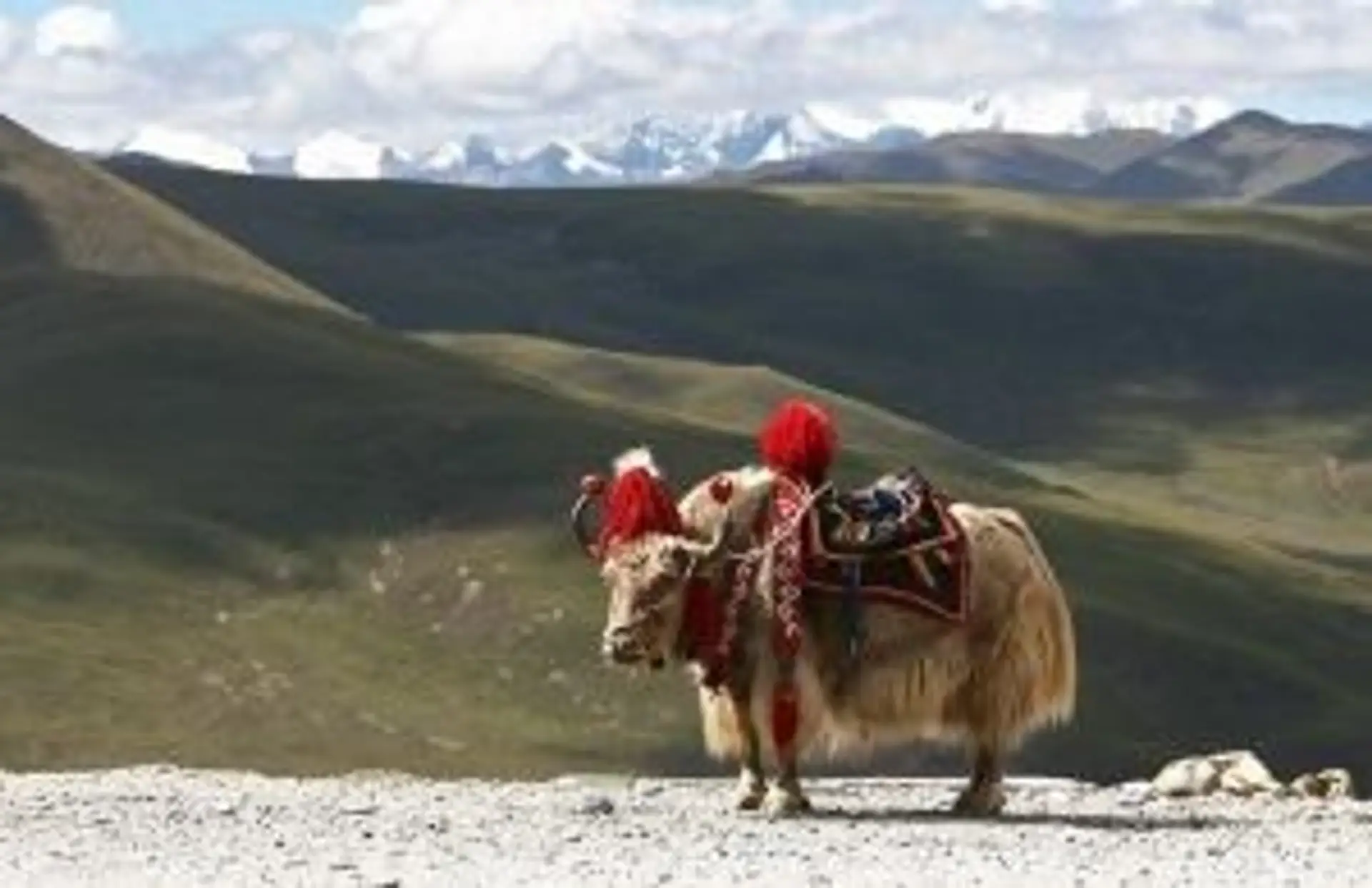
The best time to visit Bhutan falls in two windows: spring and autumn, when skies are clear and trails are open. Each has a different pull: rhododendrons and the Paro valley in spring, Himalayan views and big festivals in autumn.
Bhutan sits in the south-east of the Himalaya and drops from some of the highest peaks in the world to dense tropical forest over a short distance. That range gives the country a varied climate, so the right month depends on what you want to see. This page puts the months, the festivals and the trade-offs in one place, alongside our wider Bhutan travel guide.
The best time to visit Bhutan is March to May and September to November. Autumn, especially October, brings the clearest air and views of the Himalayan range, and spring brings rhododendron and magnolia blooms. Summer is monsoon season, and winter is dry, sunny and cold.
| Season | Months | Weather | Best for |
|---|---|---|---|
| Spring | March to May | Mild and pleasant, some rain possible in April | Blooms, photography, trekking |
| Summer | June to August | Monsoon, abundant rain | Lush forests, fewer outdoor crowds |
| Autumn | September to November | Pure air, blue sky, pleasant daytime temperatures | Mountain views, festivals, trekking |
| Winter | December to February | Mainly dry and sunny, cool to cold in the north and at altitude | Quiet trips, cranes, southern valleys |
Lonely Planet names October as the single best month: clear air, views across the range and daytime highs around 20°C, plus the Thimphu Tsechu. It is also the busiest month, so book accommodation and a guide early if you want it.
Most competitor pages stop at a list of months. The more useful question is what each month costs you: crowds in October, a rain-soaked trail in July, a cold night in January. The sections below weigh those trade-offs one by one.
A quick way to choose. Families do best in spring or autumn, trekkers in October and November or March to May, flower lovers in spring, and anyone after peace and quiet in winter.
Bhutan's climate runs on two main seasons. The dry, cool season lasts from October to April: skies are generally clear, nights are cold, and the valleys can drop to -2°C in January. The monsoon runs from May to September, with the heaviest rain from June to August.
| Month | Weather | What is on |
|---|---|---|
| January | Coldest month, down to -2°C in the valleys, clear skies | Black-necked cranes in Phobjikha |
| February | Dry and cold | Cranes still in Phobjikha; fewer visitors, as Lonely Planet notes for February and March |
| March | Spring starts | Rhododendrons from mid-March, Punakha Tsechu, cranes until early March, Paro Tsechu in some years |
| April | Temperatures turn very pleasant, some rain possible | Paro Tsechu in some years; trekking window |
| May | Last of the spring blooms, monsoon begins | Still counted as a trekking month by Lonely Planet |
| June to August | Heavy rain, lush forests, slippery trails | Alpine wildflowers in July |
| September | Monsoon ends, air starts to clear | Autumn season begins |
| October | Clearest air and widest views | Thimphu Tsechu (around October), Jambay Lhakhang Drup; busiest month |
| November | Cooler, dry | Cranes return to Phobjikha, Black-necked Crane Festival, trekking window |
| December | Dry and sunny, cold especially in the north and at altitude | Quiet roads and monasteries |
Read the table as a rhythm. January and February are the cold, clear core of winter, with cranes in the valley and few other visitors. March turns the corner, and by April the days are very pleasant, which is why spring feels like a gentler start to the year. Then May brings the first monsoon weather, and the rain sets the pace until the air clears again in September. October and November are the reward for waiting: dry, sharp and bright.
May and September sit between the two seasons. They can bring either the last rain or the first clear days, so treat them as shoulder months rather than sure bets.
Both seasons are good. The choice comes down to what you want to look at.
| Spring (March to May) | Autumn (September to November) | |
|---|---|---|
| Colour | Rhododendrons and magnolias | Golden forests |
| Light and views | Soft light, some rain possible in April | Sharp, crystal-clear light and perfect visibility over the range |
| Festivals | Paro and Punakha | Thimphu, Jambay Lhakhang Drup, the crane festival |
| Crowds and booking | High around Paro | Thimphu Tsechu is one to book long ahead |
| Temperature | Mild | Daytime highs around 20°C (Lonely Planet), cool nights |
Think about what you will remember. In autumn it is the long, clean view across the range and the festival crowds in their finest clothes. In spring it is the colour on the hillsides, with rhododendrons and magnolias in bloom and some rain possible in April that softens the light. Neither is a wrong answer.
Pick autumn for views and festivals, with October the strongest single month. Pick spring for flowers and a gentler start to the trekking season. The honest limit: both are the busy months, so rooms and guides go early. Spring (March to May) and autumn (October to November) also suit families, since they avoid winter cold and summer rain.
Not sure which window suits you? Our local experts can match season and route to your plans, from tailor-made trips to Bhutan.
The best-known routes, the Druk Path, the Jhomolhari trek and the Snowman Trek, are ideally done in October and November or between March and May. Lonely Planet lists April, May, October and November as the trekking months. In those windows trails are accessible, the weather is dry and the mountains show clearly.
Spring turns the valleys into flower gardens: rhododendrons start in mid-March and run into May, with magnolias alongside. Autumn trades blooms for golden landscapes and a crystal-clear light that photographers prize. July adds one summer bonus, with alpine wildflowers.
Black-necked cranes winter in the Phobjikha valley from November to early March, and the Black-necked Crane Festival takes place there in November. Phobjikha is one of the quieter stops on a cultural route, and the cranes give it a reason to be on a winter itinerary when other valleys are cold and quiet. Bird-watchers can plan around that whole stretch, since the birds are in the valley long before and after the festival itself.
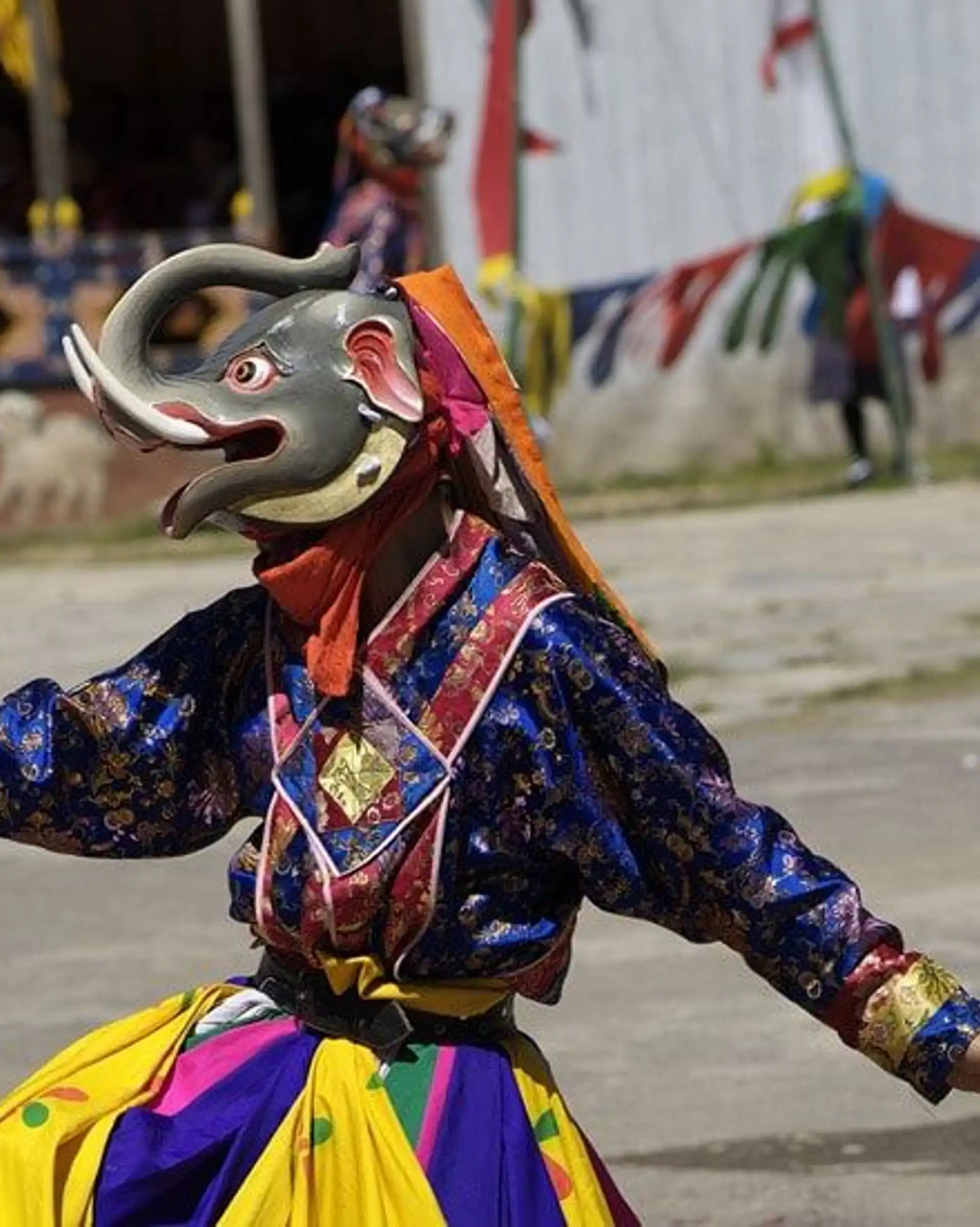
Tsechu are the religious festivals of Bhutan, with masked dances, sacred ceremonies and colourful gatherings. Many travellers build the whole trip around one. A month-level calendar:
Tsechu follow the lunar calendar, so the exact days change every year. Confirm the dates for your year with the Bhutan tourism board (its official site lists current events) or your tour operator before you book flights. For what happens at each one, read our piece on Bhutan's festivals.
Tourist numbers rise at festival time and accommodation is in strong demand. Festival dates fill places quickly; tell us the month you prefer and a local expert will check what is possible through our inquiry form.
The monsoon runs from May to September, with the heaviest rain from June to August. Trails turn muddy and visibility drops, which makes treks harder, though forests are at their greenest.
Winter, from December to February, is mainly dry and sunny. It is cool to cold in the north and at altitude, with snow on the peaks, but valleys are clear and visitors are few. It suits wildlife watching in the lowlands and culture in the southern valleys, and cranes are still in Phobjikha until early March.
The case for going anyway is simple. In summer the vegetation is lush and the country is green, and you share the outdoors with few other visitors. In winter the valleys are clear and the peaks carry snow, which makes for clean photographs and calm days. Both seasons reward travellers who accept the weather.
Only the monsoon is a real reason to skip, and only for trekkers. A cultural trip works all year.
The Sustainable Development Fee (SDF) is USD 100 per person per night as of November 2026, paid when you apply for your visa. The visa itself costs USD 40 (as of April 2026), and the tour cost, covering accommodation, meals, transport and guide, comes on top.
Think of the fee as a flat nightly rate: a night in October costs the same SDF as a night in January. The fee does not change with the season, so your dates are about weather and crowds, not price. Visitor numbers are limited to protect the country's ecological and cultural balance, which is why places for festival dates go first.
Tell us when you want to go, and a Bhutan local expert will build the route around the season. Browse tailor-made trips to Bhutan, or create your trip and we will take it from there.
Not independently. Entry is arranged through an approved Bhutanese tour operator, with the tour booked in advance and a certified guide travelling with you. Some regions, notably for trekking or certain sites, also need special permits, which your guide handles.
Bring warm clothes for winter, because accommodation is rarely heated, a good raincoat for the monsoon, hiking shoes and sun protection. Also plan your accommodation, guide and tour early if your dates fall in international school holidays.
Yes. Shanti runs combined routes, such as a 15-day Nepal and Bhutan trip and Between Sikkim and Bhutan, also 15 days. Talk to a local expert about the order of the countries and the season.
Subscribe and receive our travel inspirations and practical advice twice a month.

Wanting to share your trip with a group?