Things to Do in Lombok: Gilis, Rinjani, Beaches and More

Lombok sits two hours by boat or 1h15 by plane from Bali, and it packs in the Gili Islands, Mount Rinjani, quiet south-coast beaches and Sasak villages. This guide lists the best things to do in Lombok, Indonesia, area by area, with when to go and how long to stay.
Things to do in Lombok at a glance
Give Lombok at least five days if you want to see its main areas: the Gili Islands, the south coast around Kuta, the northern waterfalls, the Sasak villages and, for hikers, Mount Rinjani. The island's name means "chili pepper", and the place has a similar kick: surf breaks, volcano trails and reefs, all on an island that still feels calmer than its famous neighbour. Lombok suits very different travellers: hikers, divers, surfers, families after a beach and anyone curious about village life. The trick is not to try everything. Choose three or four areas, give each enough time, and the island makes sense.
| Area | Best for | Time needed |
|---|---|---|
| Gili Islands | Diving, snorkelling, island hopping | 2 days |
| South coast (Kuta, Selong Belanak, Tanjung Aan) | Beaches, surf, paragliding | 2 days |
| North (Senaru, Tetebatu) | Waterfalls, rice fields, rafting | 1 day |
| Sasak villages | Rituals, music, traditional houses | Around other stops |
| Mount Rinjani | Multi-day trek, crater lake | 2 to 4 days on top |
Not sure how to split your days? Our local experts in Indonesia can sketch a route for you.
The Gili Islands: diving, snorkelling and island hopping
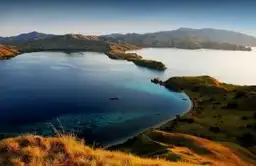
The Gili Islands are three small islands off Lombok's northwest coast: Gili Trawangan, Gili Meno and Gili Air. They are separate from Lombok itself, and most visitors reach them by fast boat. Trawangan is the liveliest of the three, Air the easiest to settle into, and Meno the quietest.
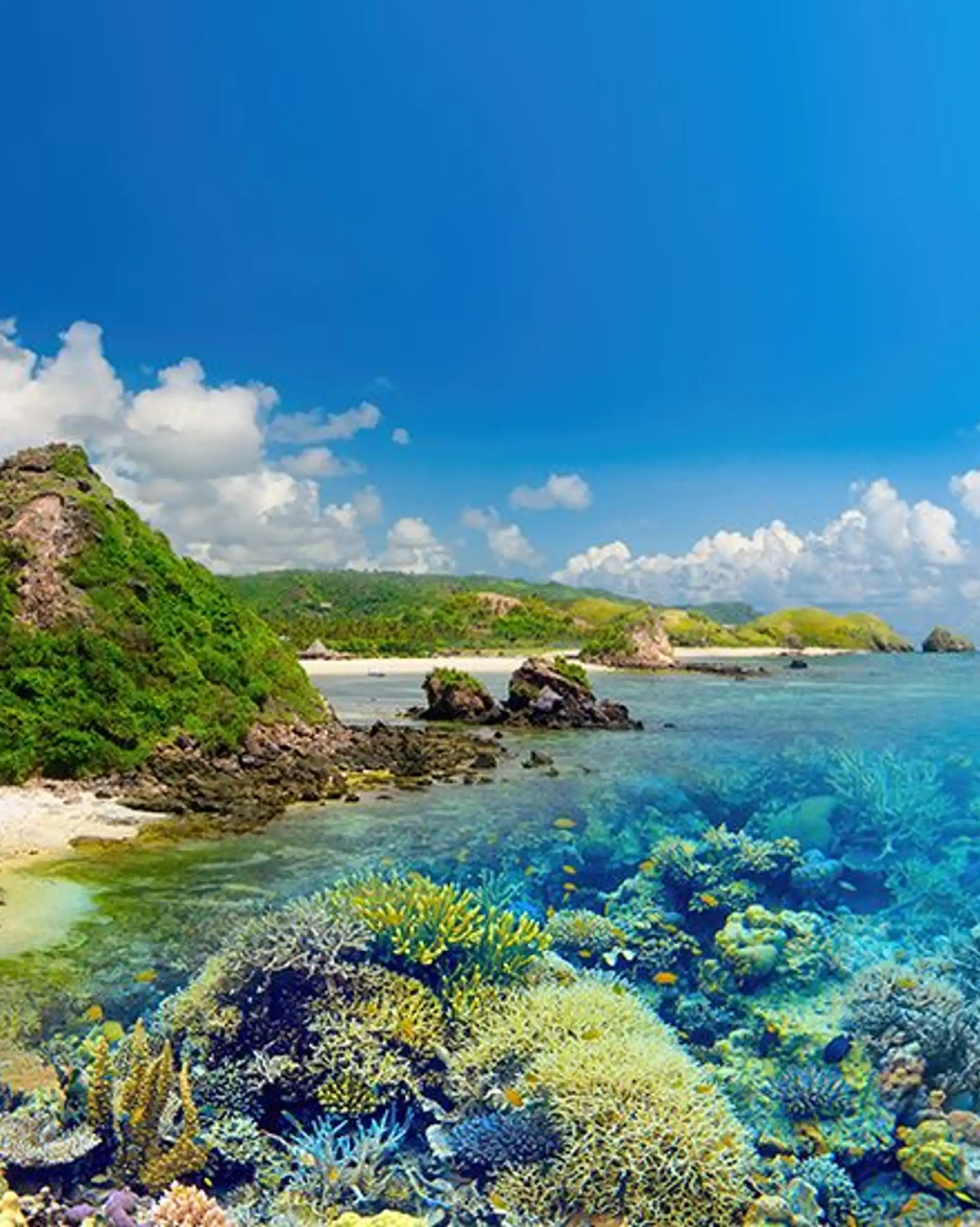
Underwater is why people come, and it is the first answer to what Lombok is best known for after its beaches and its volcano. Divers and snorkellers see sea turtles, reef sharks, pelagic fish and multicoloured corals, and the clear water means you don't need to be an expert to enjoy it. If you'd rather stay dry, hire a bike and ride around one of the islands. The loop is short and flat, so you can stop at a beach whenever the mood takes you.
Lombok has more diving beyond the Gilis, and the main options are worth knowing:
- Belongas Bay: technical diving, with pinnacles visited by mobula rays, tuna and schools of barracuda.
- Senggigi: accessible, varied dives among soft corals and gorgonians.
- Wrecks and night dives: available around the island for divers who want something different.
The mix of clear water and varied marine life makes Lombok a major diving destination in Indonesia. Beginners can start at the Gilis, then move on to the more demanding sites once they have a few dives behind them. Divers who like variety can mix soft-coral reefs, pinnacles, wrecks and night dives in the same trip, while snorkellers can stay in the shallows around the three islands. Between dives, the Gilis are easy to explore at your own pace: you can walk or cycle from one beach to the next, find a spot for a swim and be back in the village for dinner.
Climb Mount Rinjani
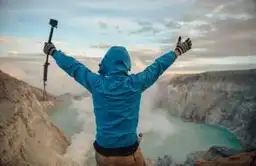
Mount Rinjani rises to 3,726 metres, the second-highest peak in Indonesia. The trek takes 2 to 4 days depending on your route, a local guide is mandatory, and porters carry the equipment. It is reserved for fit hikers.
Routes start from either Senaru or Sembalun. The crater rim alone takes 6 to 8 hours, and the reward is the view down to Segara Anak, the crater lake, and across the whole of Lombok from the summit. Nights up high are cold, down to 5°C, so pack a proper sleeping bag and warm layers rather than hoping to find them on the mountain.
Season matters here. The trails close in the rainy season, roughly January to March, and there is no fixed reopening date, so check the national park's current notice and the status of the trails before you book anything. Entrance fees are set by the national park and change, so confirm them when you book rather than trusting a figure in a guide. For background on Mount Rinjani and how it sits among the country's other peaks, see our guide to Indonesia's volcanoes.
Plan your Rinjani days around daylight and weather, and leave a buffer day in the schedule if you can. The summit and crater views reward early starts, but they are also the reason the climb is demanding: this is a high volcano, and conditions change quickly with altitude. Trekkers who are fit but new to multi-day hikes should choose the route and number of days with their guide rather than aiming for the shortest option.
Honest limit: Rinjani is hard work. Trekking days are long, the descent is tiring, and if you only have a long weekend, the beaches and waterfalls will give you a better trip.
Beaches in south Lombok
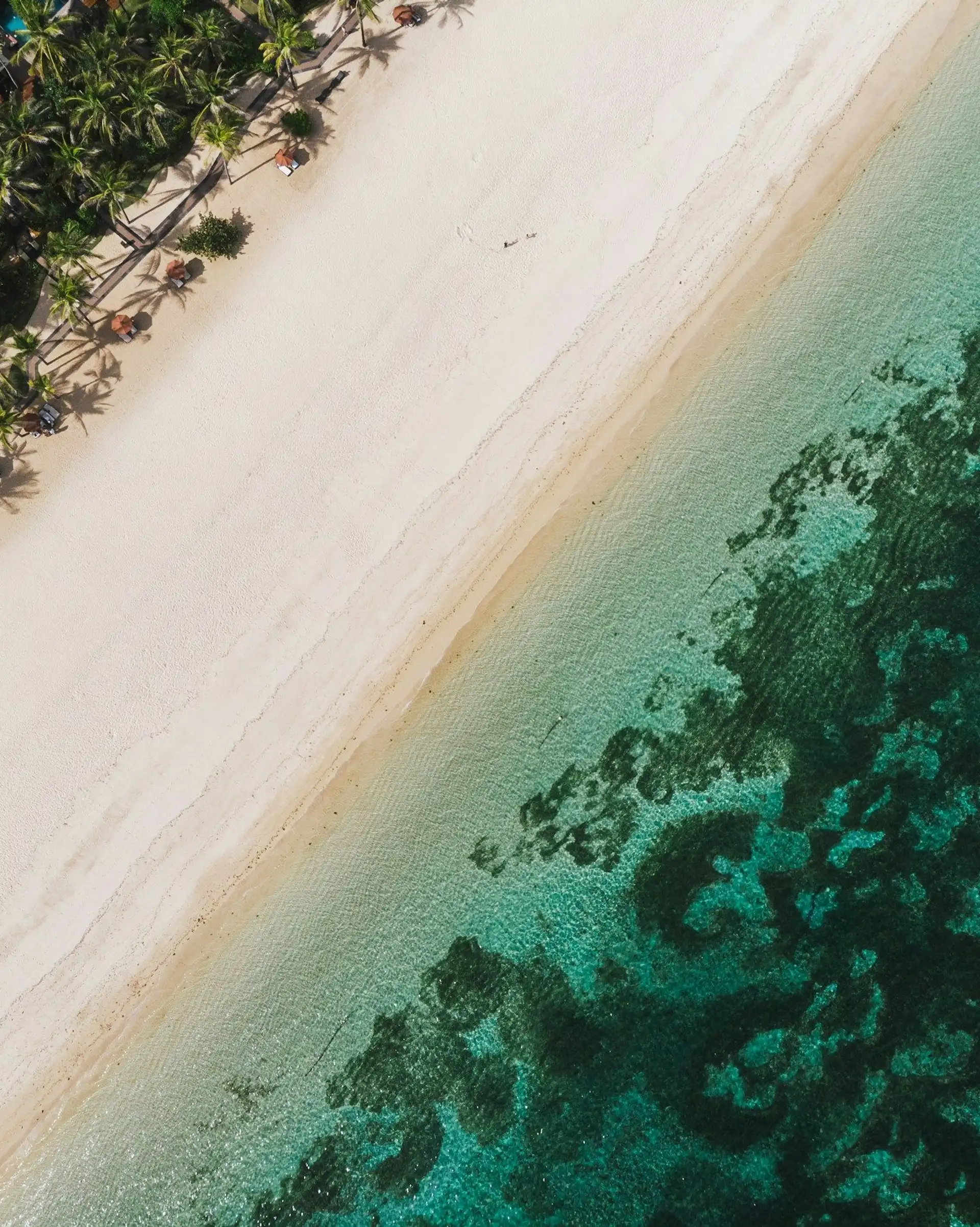
If you're searching for things to do in Kuta Lombok, start with the sand. The south coast has some of the most beautiful beaches in Indonesia, and three names come up again and again: Selong Belanak, Tanjung Aan and Pantai Sire. Expect white sand, palm trees and few visitors, even in season.
Kuta is the natural base. Beyond swimming and sunbathing, it offers plenty to do:
- Paragliding above the Kuta beaches, for a view of the coastline you can't get from the sand.
- Surf lessons at the gentler breaks (see the next section).
- Yoga classes and wellness studios in town.
- Eating at a warung, the small local restaurants where rice, vegetables and fish make up most menus.
- A massage, around IDR 250,000 (about US$15) for 60 minutes, as of January 2026.
Pick Selong Belanak for a lazy day on a wide, sandy beach, and Tanjung Aan if you like the idea of walking along white sand with palms behind you. Pantai Sire gives you the same palm-lined look with fewer people around. Kuta works well as a base because the beaches are close together, so you can change plans with the weather or your energy. A typical day might be a surf lesson in the morning, a warung lunch and an afternoon on a quieter beach. In the south the sea, the sand and the pace are the attraction, rather than ticking off sights. Come in the dry season and the beaches are at their best; in July and August, expect more company, though even then these stretches of sand rarely feel packed.
Surfing in Lombok
Lombok has surf spots for every level, and the dry season brings the best conditions.
| Spot | Level | Notes |
|---|---|---|
| Selong Belanak | Beginners | Gentle waves, sandy beach |
| Tanjung Aan | Beginners | Gentle waves, sandy beach |
| Gerupuk Bay | All levels | Several breaks: the inside suits beginners, the outside experienced surfers |
| Mawi | Experts | Powerful, world-famous waves |
| Desert Point | Experts | Powerful, world-famous waves |
| Ekas and Seger | Varies | Conditions change with tide and swell |
If you're new to surfing, book lessons at Selong Belanak or on the inside break at Gerupuk. Leave Mawi and Desert Point to experienced surfers: the waves there are powerful, and they are not forgiving. At Ekas and Seger, ask locally about the tide and swell on the day before you paddle out.
Waterfalls and the north: Sendang Gile and Tiu Kelep
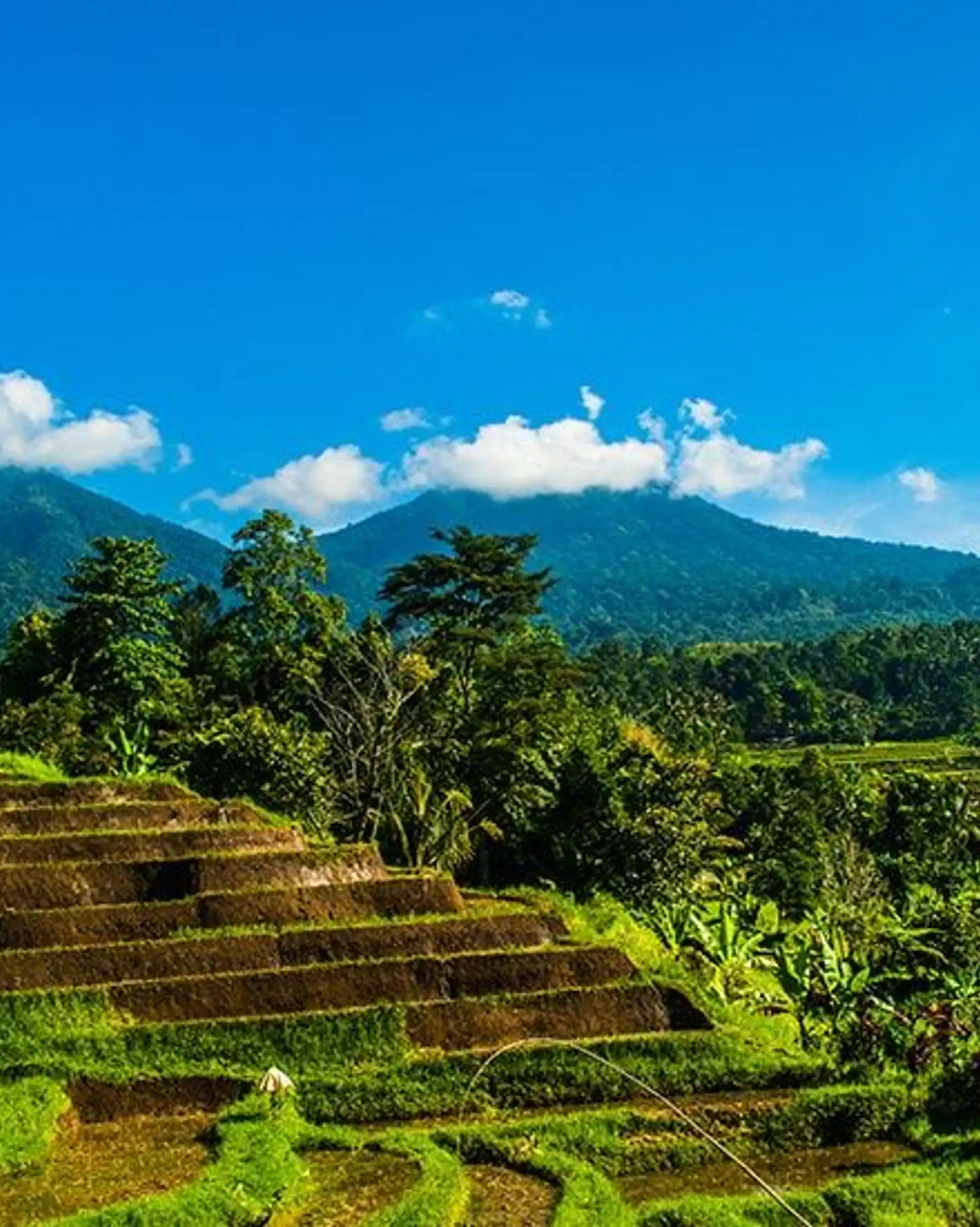
Lombok's north is greener than the south, with tropical forest, lush rice fields and gardens of orchids, frangipani, bougainvillea and jasmine. Near Senaru, a pleasant walk through the forest leads to Sendang Gile and Tiu Kelep, two waterfalls that justify the effort. The path is a walk rather than a climb, so you don't need trekking experience. Wear shoes with a decent grip, because the forest floor can be damp and slippery, and allow time to stop at each fall rather than rushing to the next.
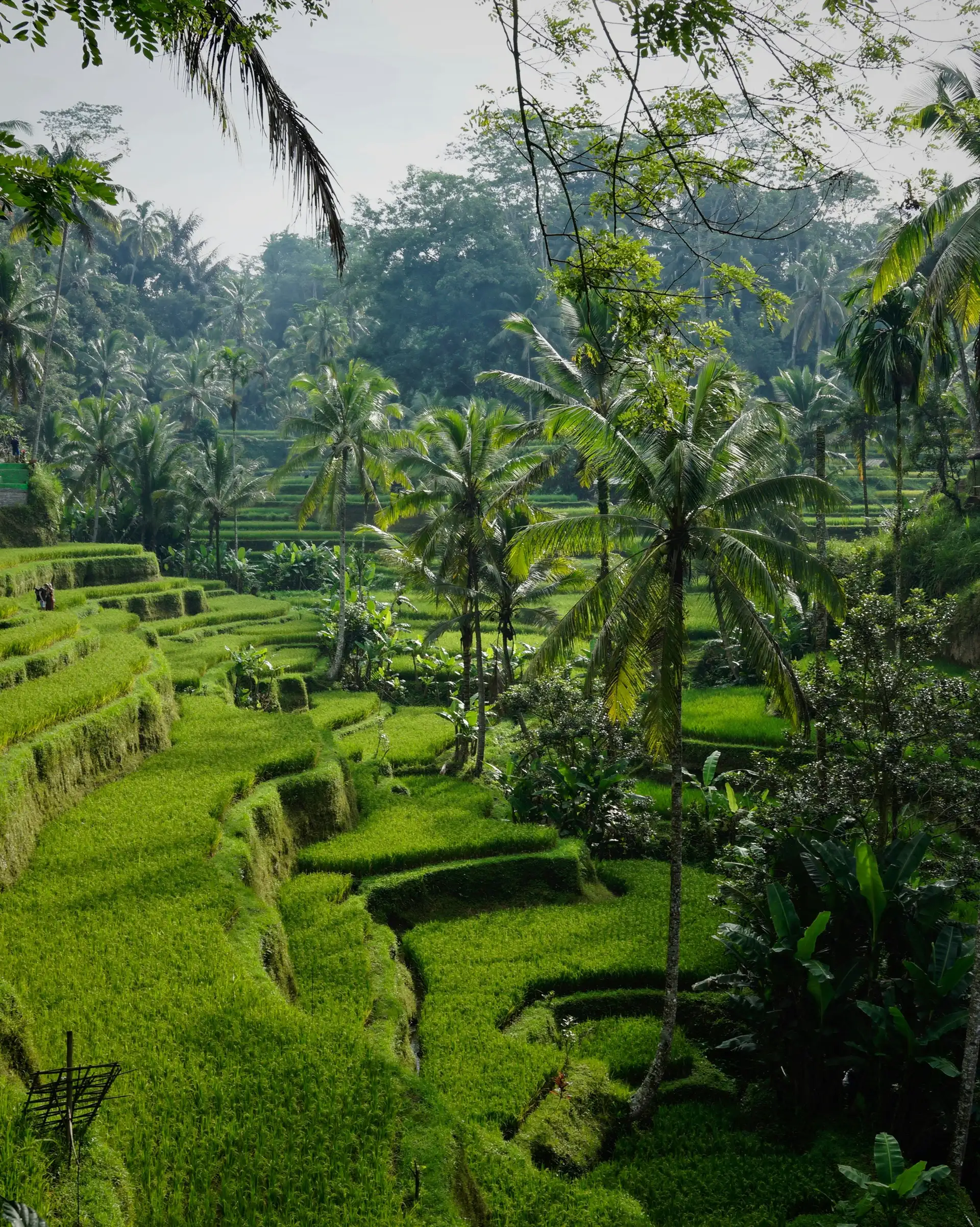
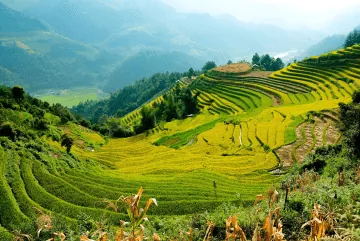
Around Tetebatu, the scenery turns to rice fields. Hire a scooter and ride through the paddies and villages, stopping when a view or a roadside stall catches your eye. For something more energetic, try rafting on the Jangkok river.
Activities here suit all ages, and a scooter ride or a rafting trip tends to be the part families remember. The north makes a good one-day detour from the south, or a natural stop before or after a Rinjani trek, since Senaru is also one of the trail starting points.
Sasak culture and villages
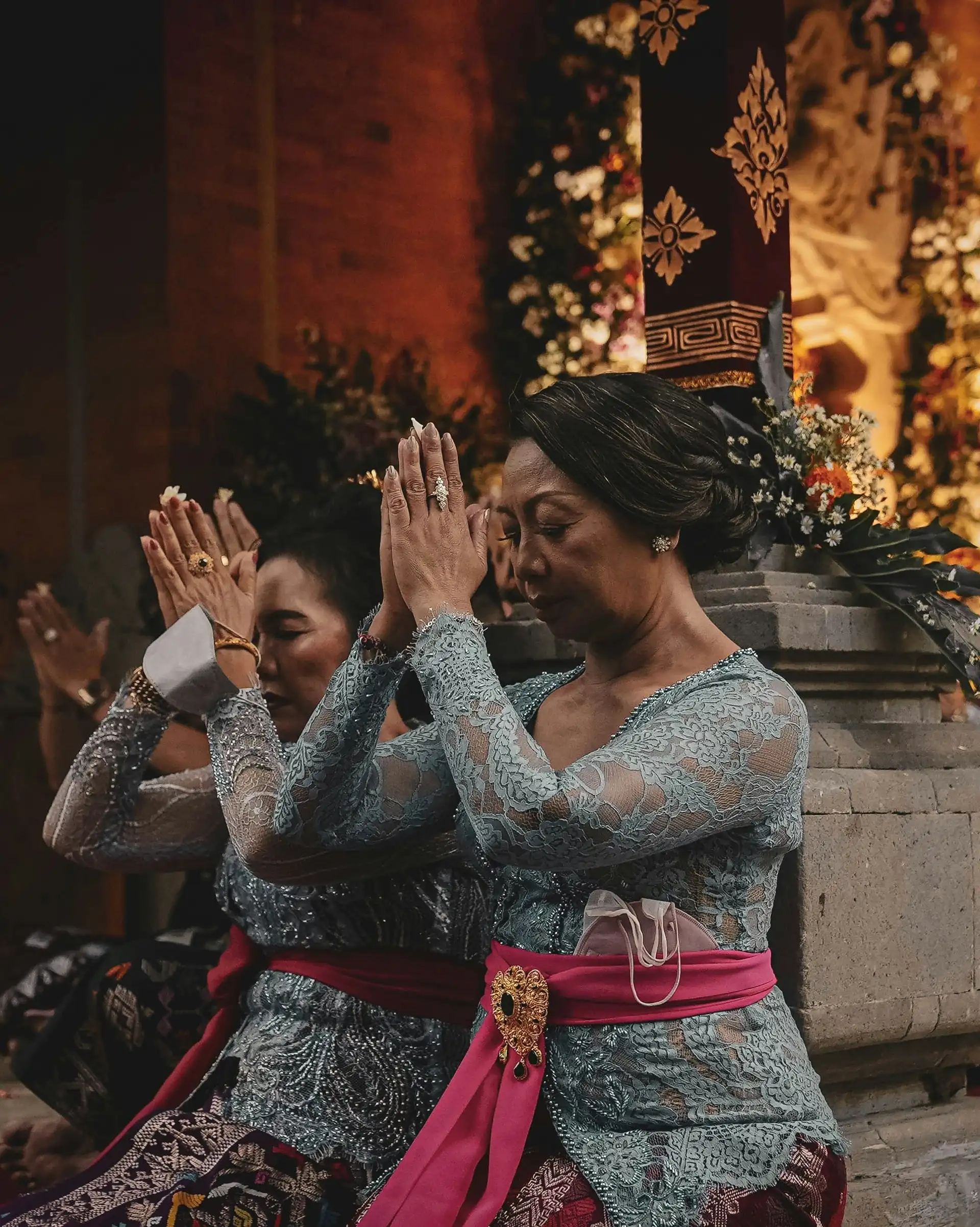
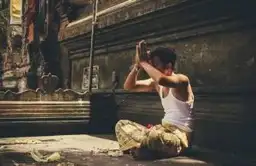
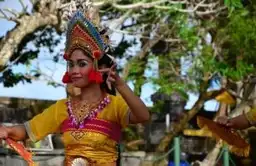
The Sasak are the majority on Lombok, and they keep up centuries-old traditions that you can still watch or join. They are mostly Muslim, but older animist beliefs survive alongside the faith, which gives local culture its particular colour.
Some of the best things to do in Lombok are cultural, and they depend on timing:
- Bau Nyale is the annual sea-worm fishing festival, when communities gather on the coast. Read about Bau Nyale before you plan around it.
- Nyongkolan is a wedding procession, with the couple and guests parading through the village. If you come across one, step aside and watch.
- Gendang beleq is the island's drum music, loud and rhythmic.
- Peresean is a ritual fight, played with sticks and shields.
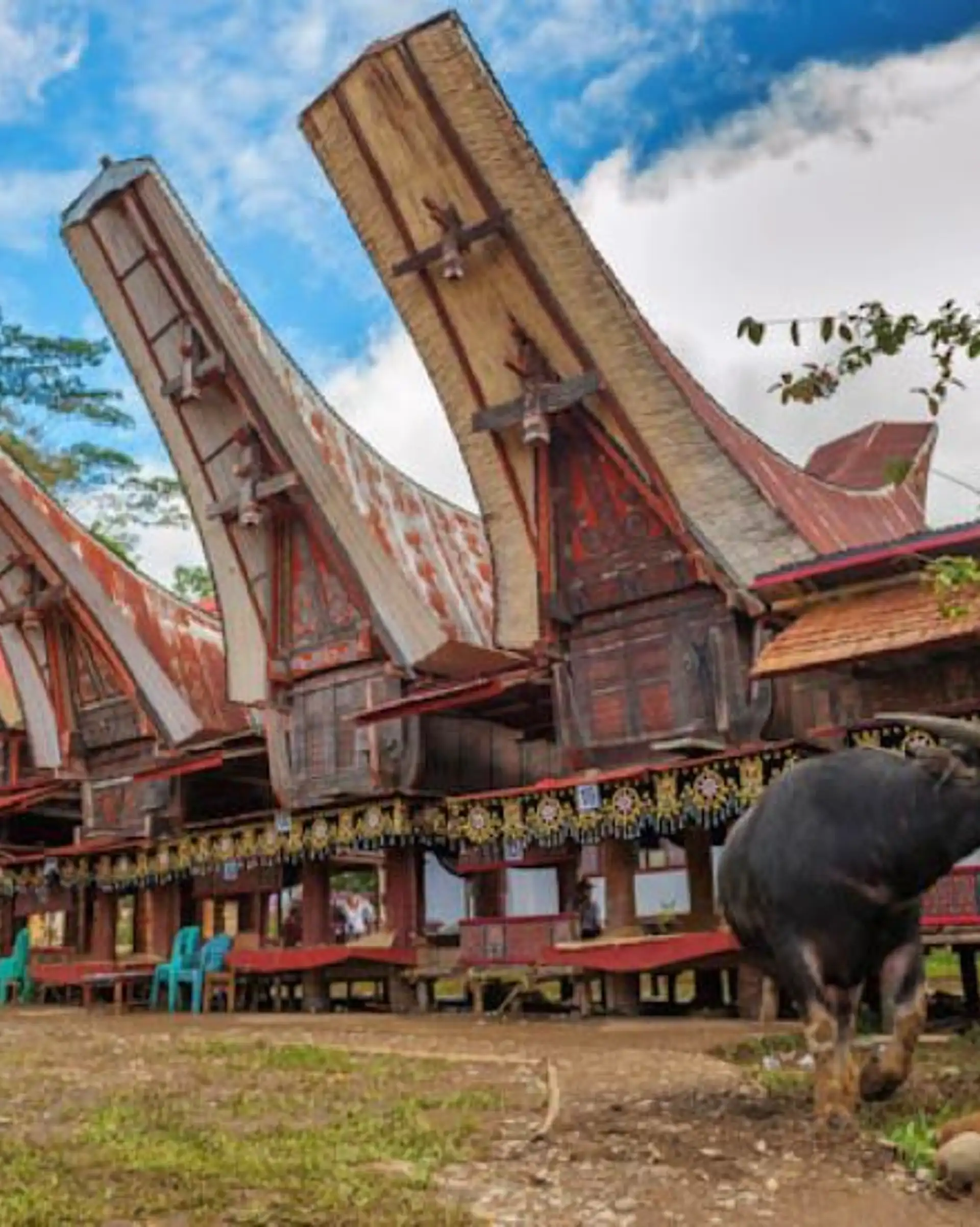
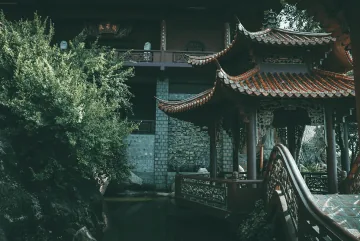
Between events, look at how people live. Traditional houses are made of bamboo and stand on stilts, and the lumbung, the rice barns, show how closely village life follows the farming cycle. Traditional markets are worth a visit too: fresh produce, local coffee and the everyday trade that no show can recreate. Island cooking is built on rice, vegetables, fish and coffee, so a meal in a village warung is a cultural stop in its own right. Because these traditions belong to living communities rather than to a stage, treat them with respect: ask before taking photographs, dress modestly in villages and follow the lead of your guide or host.
If you like the countryside, you can also see rural Lombok from a saddle: have a look at horseback riding in Lombok.
How many days in Lombok? A 5-day route
Five days is the minimum for the main areas, and a sensible split looks like this:
- Days 1 and 2: Kuta and the south coast. Beaches, a surf lesson, a ride to Selong Belanak or Tanjung Aan.
- Day 3: the north. Sendang Gile and Tiu Kelep, then rice fields around Tetebatu if you have time.
- Days 4 and 5: the Gili Islands. Snorkel, dive or cycle round one of the islands.
Rinjani adds 2 to 4 days on top, so a trek-and-beach trip needs a week or more. Reverse the order if you prefer to finish on the beach: trek first, then the Gilis or Kuta to recover. Travelling with children or slower walkers, stay longer in each place instead of adding stops, because roads on the island can be slow and the pace suits long afternoons. With only three days, pick two areas and skip the third rather than racing between them.
Best time to visit Lombok
The best time to visit Lombok is the dry season, from April to October. Temperatures range between 27°C and 32°C and sunshine is generous. July and August are the busiest and most expensive months, so aim for May, June or September if you want a mild climate without the crowds.
The rainy season runs roughly from November to March. It brings frequent showers, and the island turns a deep green, which is lovely for rice fields and waterfalls if you don't mind getting wet. October is a transition month, so treat it as a shoulder month rather than strictly dry or rainy. If Rinjani is your goal, plan for the dry months, as the trails close in the rainy season. For a wider view across the country, read our guide on when to travel to Indonesia.
Getting to Lombok from Bali
Lombok, Indonesia, is 1h15 by plane from Bali, or about 2 hours by boat. Fast boats also run to the Gili Islands. Flying is quicker; the boat suits travellers heading straight to the Gilis. Many visitors fly into Lombok and head to Kuta or the north first, then finish with the Gilis before returning to Bali. Whichever way you go, book boats and flights ahead in July and August, when the island is busiest.
Lombok pairs easily with its neighbours. If you want to see more of Indonesia, combine it with Java and Bali: our trip from Java to Lombok shows one way to do it. For ferries, flights and local transport once you're there, see getting around Indonesia.
Good to know before you go
Is Lombok worth visiting? For most travellers, yes, as long as you set your expectations. Lombok vs Bali comes down to pace: Lombok is quieter and less developed, with noticeably fewer visitors. But quiet is relative. In July and August the beaches and the Gilis fill up.
Plastic waste is a real challenge here, as it is across much of Indonesia. The busiest beaches, such as Senggigi, sometimes have pollution episodes. Many local initiatives work to recycle waste and raise awareness, and the province has set waste-reduction goals backed by government and nonprofit programmes. You can help by carrying a refillable bottle and saying no to single-use plastic.
Finally, remember the practical rules: a guide is mandatory on Rinjani, trails close in the rainy season, and nights at the summit are cold.
Plan your Lombok trip with a local expert
Lombok rewards a bit of planning. Choosing between the Gilis and the south coast, fitting in a Rinjani trek or timing a cultural festival all depend on your dates and your energy. Tell our local experts when you're travelling and what you want from Lombok, and they'll design the trip with you. Start your request here.
Lombok FAQ
On average, our local experts' figures put food and accommodation in Lombok 15 to 30% below Bali and the Gili Islands. Exact costs still depend on where you stay and how you travel, but a tight budget generally goes further here.
Yes. The water stays between 27°C and 29°C all year, so swimming and diving are comfortable in any month. Visibility and surf conditions vary more with the season than the temperature does, which is why divers and surfers still tend to plan around the dry months.
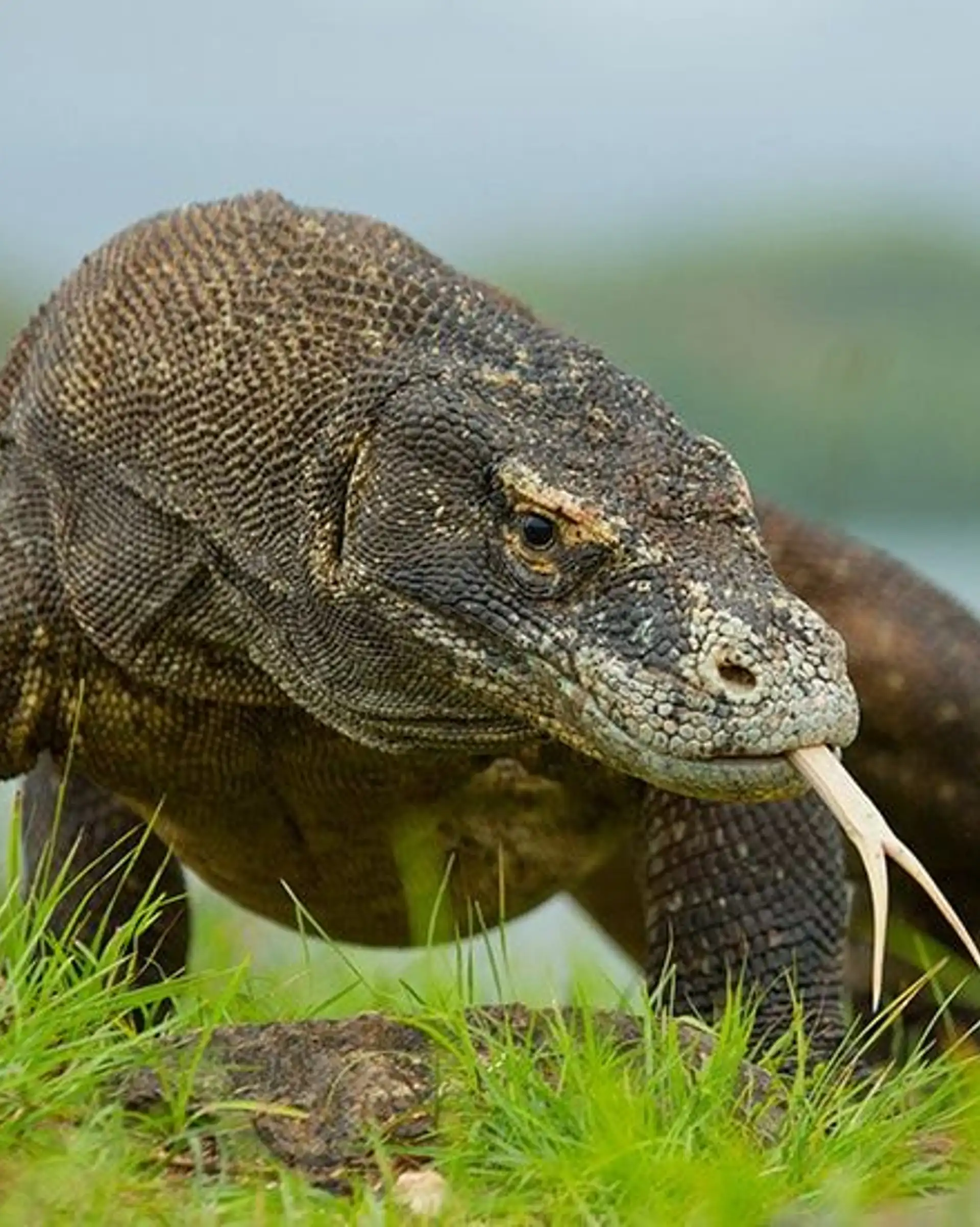
Lombok lies on the Wallace Line, the boundary between Asian and Australian species, so its plants and animals mix both origins. You'll find mangroves at Bangko-Bangko, mammals, birds and insects in Gunung Rinjani National Park, and reefs home to pygmy seahorses, sunfish, manta rays and turtles.