When is the Bali Kite Festival?
The Bali Kite Festival takes place in the dry season, with the kite season running from June to September and the strongest winds, and the biggest crowds of kites, in July and August. The venue is Padang Galak beach, north of Sanur. Local organisers set the exact days each year, so check shortly before you book flights.
| At a glance | |
|---|
| Season | June to September, peak July and August |
| Where | Padang Galak beach, north of Sanur |
| Entry | Free (as of April 2026) |
| Who flies | Village teams from Badung, plus teams from around the world |
Listings disagree on the exact weekend, which is normal for an event run by village organisers rather than a ticketing company. For the current dates, you can also look at the official Bali tourism site. Our local experts can tell you which weekend the teams fly this year and build a Bali trip around it.
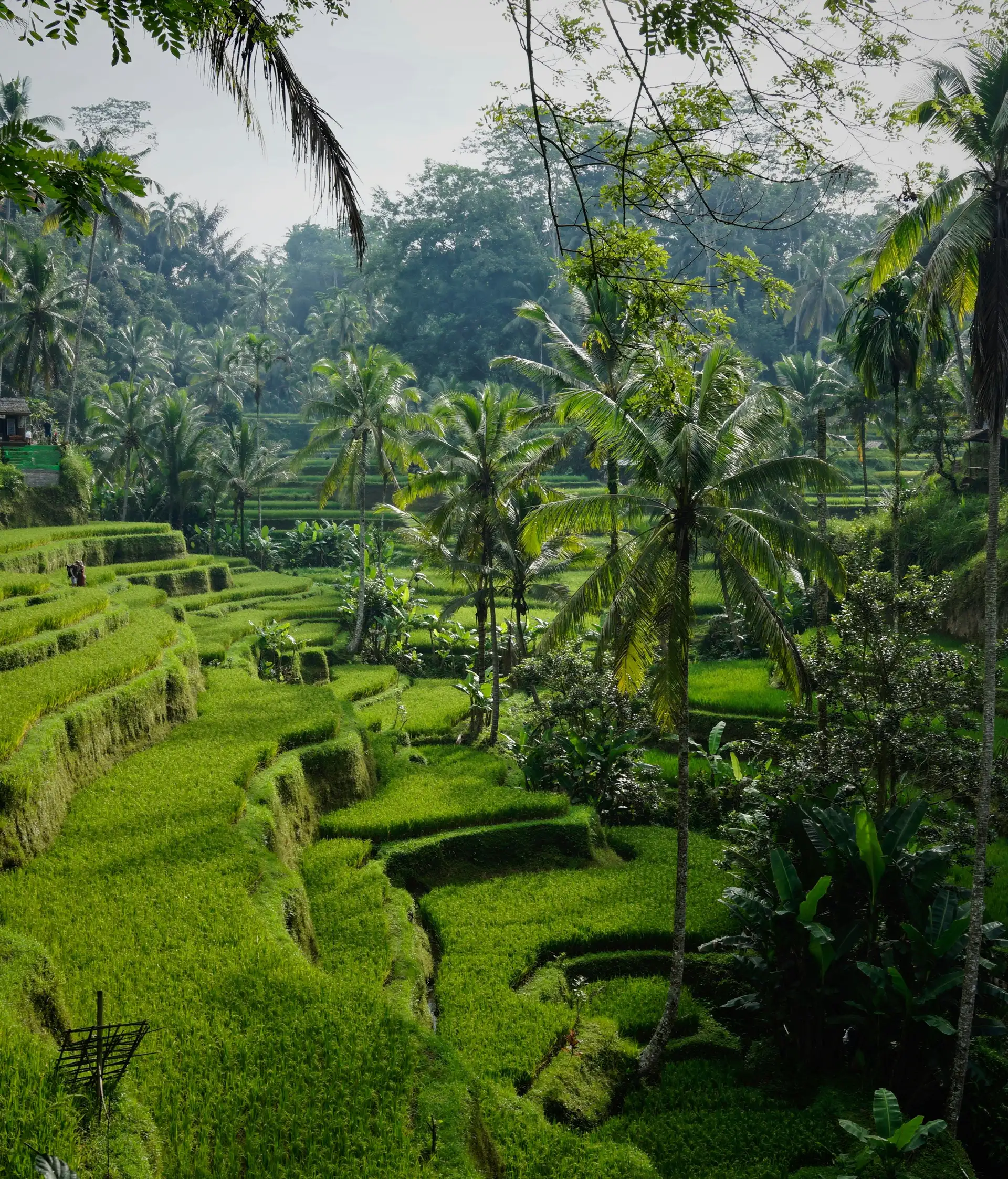
Picture the scene in the weeks before: rice fields dried out after the harvest, and scooters crawling along the lanes with gigantic kites strapped to bamboo frames. Out on the sand, the sky fills with fish, birds and dragons, with a gamelan orchestra keeping time below.
How much does it cost to attend the Bali Kite Festival?
Nothing. Entry to the Bali Kite Festival has been free as of April 2026, and you don't need a ticket or a booking to stand on the beach and watch.
What you do pay for is the rest of the day: the ride to Sanur, food and drinks. Organisers decide the format each year, so a change can't be ruled out, but free entry is how the festival has been run as of April 2026.
Kite flying in Bali: more than a game
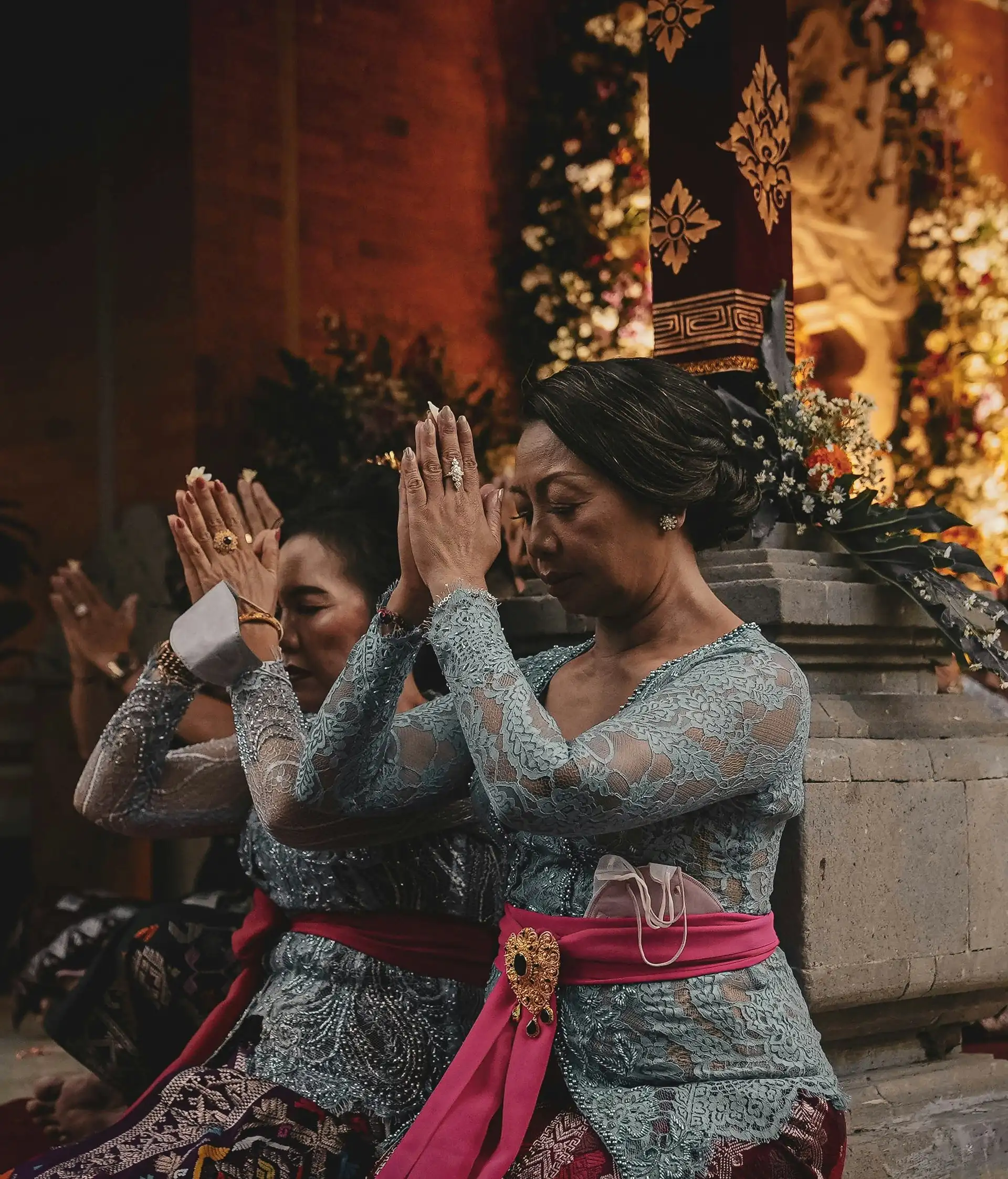
Why do locals fly kites in Bali? Because a kite is an offering. In the regency of Badung, flying one is a gesture to the Hindu gods, a way to give thanks or to ask for prosperity, and the flight itself ties earth to sky and people to deities.
The Balinese word is layang-layang, and the practice is a team discipline that mixes sport, craftsmanship and religious ritual. The festival on Padang Galak is the part the world knows, and it does bring teams from other countries. Behind it sits an everyday tradition that has little to do with tourism. Badung is its heart, with dozens of villages building and flying kites as part of the yearly calendar.
If you want the background to the offerings and ceremonies that shape daily life on the island, our guide to religion in Bali is a good companion read.
The Sekaa Layangan: the brotherhood of the wind
Each banjar, the village or neighbourhood community at the base of Balinese life, has its own Sekaa Layangan: a kite club, or more literally a brotherhood of kite lovers. Membership is not casual. The group organises itself with real rigour, both for competitions and for the making of the kites, which are built by hand.
A single kite takes many long months to prepare. Winning a contest is a collective source of pride, shared by the whole banjar rather than by one pilot, and the kite calendar sets the rhythm of the dry season in these villages: build, test, wait for the wind, fly.
Bali kites: the three sacred shapes
Traditional Bali kites carry three colours: black, white and red. They stand for the three great Hindu deities, Brahma, Vishnu and Shiva. Three classic models dominate the sky, and each has its own character.
| Kite | Shape | Character |
|---|
| Bebean | Fish | Very stable in the air |
| Pecukan | Elegant leaf | Difficult to master |
| Janggan | Bird or dragon | Impressive tail, sometimes over 100 metres |
The Janggan is the one that stops people in their tracks. Its tail can exceed 100 metres, and it is especially associated with the Badung area: Mengwi, Kuta, Jimbaran, Canggu and Pemogan. For scale, Wikipedia describes the traditional giant kites as about 4 metres wide and almost 10 metres long.
Some kites also have carved heads, representing dragons or birds. They are painted by hand and attached carefully just before take-off.
Village competitions: the part few visitors see
Outside the festival, the villages hold their own contests. They are rarely attended by foreign visitors, and they pull in the whole community.
In dried-out rice fields, each team arrives by scooter. The bikes carry special structures to hold gigantic kites on bamboo frames, and riders often wear a team T-shirt. Once the kites are up, an enthusiastic commentator sets the mood. Judges look at the stability, the height, the flight time and the beauty of each creation, so a kite that climbs fast but wobbles will not win.
Carrying your giant kite across the fields, then sharing victory or defeat with the rest of the team, is what makes these contests feel warm rather than competitive. Rituals dot the day, and local pride is on show everywhere.
The tradition is old. The oldest documented Janggan are found in Mengwi and Kuta, and the practice has long been tied to the sea and to royalty. The kites express a strong sense of identity and a faith handed down from one generation to the next.
Want to see a village contest? Ask a Shanti local expert whether one is on during your stay, and we'll look into it with you.
Plan your Bali trip around the kites
The kite season lines up with Bali's dry months, which also suit most other things on the island: temples, rice terraces, beaches and long days outdoors. If the kites are the reason for your trip, aim for July or August, then build the rest of the itinerary around that window. Our guide to planning your Bali trip covers the practical side, and the wider Bali travel guide goes into regions and seasons.
For a route that pairs countryside villages with temples and culture, the 16-day Bali nature and culture tour is a good starting point, and every Shanti trip is adjusted by a local expert to fit your dates. Ready to start? Plan your Bali trip around the kite season, or look at our general page for a trip to Bali.