Your expert on destination Japan
Trains in Japan are fast, punctual and easy to use once you know the main types: the Shinkansen bullet train between cities, loop lines inside them and scenic private trains for the journey itself. Here's how they work, and whether the JR Pass still pays off.

The bullet train is called the Shinkansen. It has run since 1964 and reaches 320 km/h. Inside cities the trains are known by their line names, such as the Yamanote Line in Tokyo and the Osaka Loop Line, and private railways run their own named trains, such as the Shimakaze, Aoniyoshi and Blue Symphony.
That covers the three layers you'll meet on a trip. The Shinkansen joins the big cities, the city lines move you around once you're there, and the private scenic trains turn a transfer into part of the holiday. Most of what follows is about choosing between them and paying for them sensibly. If you're still shaping the wider route, our Japan travel page is a good place to start.
The Shinkansen entered service in 1964, in time for the Tokyo Olympic Games, and marked Japan's arrival in the age of high-speed rail. More than sixty years on, it is still the country's best-known symbol of precision and reliability, with a top speed of 320 km/h.
It links Tokyo, Kyoto, Osaka, Hiroshima and Fukuoka in a few hours, which is why it sits at the centre of almost every itinerary. Two things set it apart. Punctuality is measured in seconds, and on the main routes trains leave so often that missing one is a minor event rather than a lost afternoon.
Seats come in three categories:
Reserving is straightforward, and it is worth doing for busy days. As a guide to cost, a Tokyo to Kyoto one-way ticket was around 13,300 yen in July 2026. That figure matters later, when we get to the pass.
In Japan's big cities the train shapes daily life. Rail and metro lines in Tokyo and Osaka form a dense, closely coordinated web, and a handful of loop lines hold it together.
In Tokyo, the Yamanote Line circles the centre and calls at Shinjuku, Shibuya, Ueno and Tokyo Station, with trains throughout the day. In Osaka, the Osaka Loop Line does the same job, connecting the city's major hubs.
Crowds are huge, yet things keep moving, for a few reasons:
Trains arrive at regular intervals, so waits are short. Even at rush hour the system absorbs enormous numbers of passengers without chaos. For a first-time visitor that is the real surprise: the busiest platform you'll ever stand on is also one of the calmest.
In the Kansai region, the private company Kintetsu Railway treats the train as more than transport. Some of its services are designed so that the journey fits the place you're heading to. Three of them show the range.
Shimakaze runs between Osaka and Ise-Shima and goes for high-end comfort: wide reclining seats, panoramic windows, lounge spaces and dining on board. It suits a day when you'd rather be on the train than get off it.
Aoniyoshi serves Osaka, Nara and Kyoto, and its interior carries the history of those cities. Colours, materials and decorative details recall classical Japanese design, so you're in the mood for the temples before you reach them.
Blue Symphony is the quiet one. Capacity is limited, the seats are spacious and the atmosphere is calm and elegant, a more contemplative way to ride.
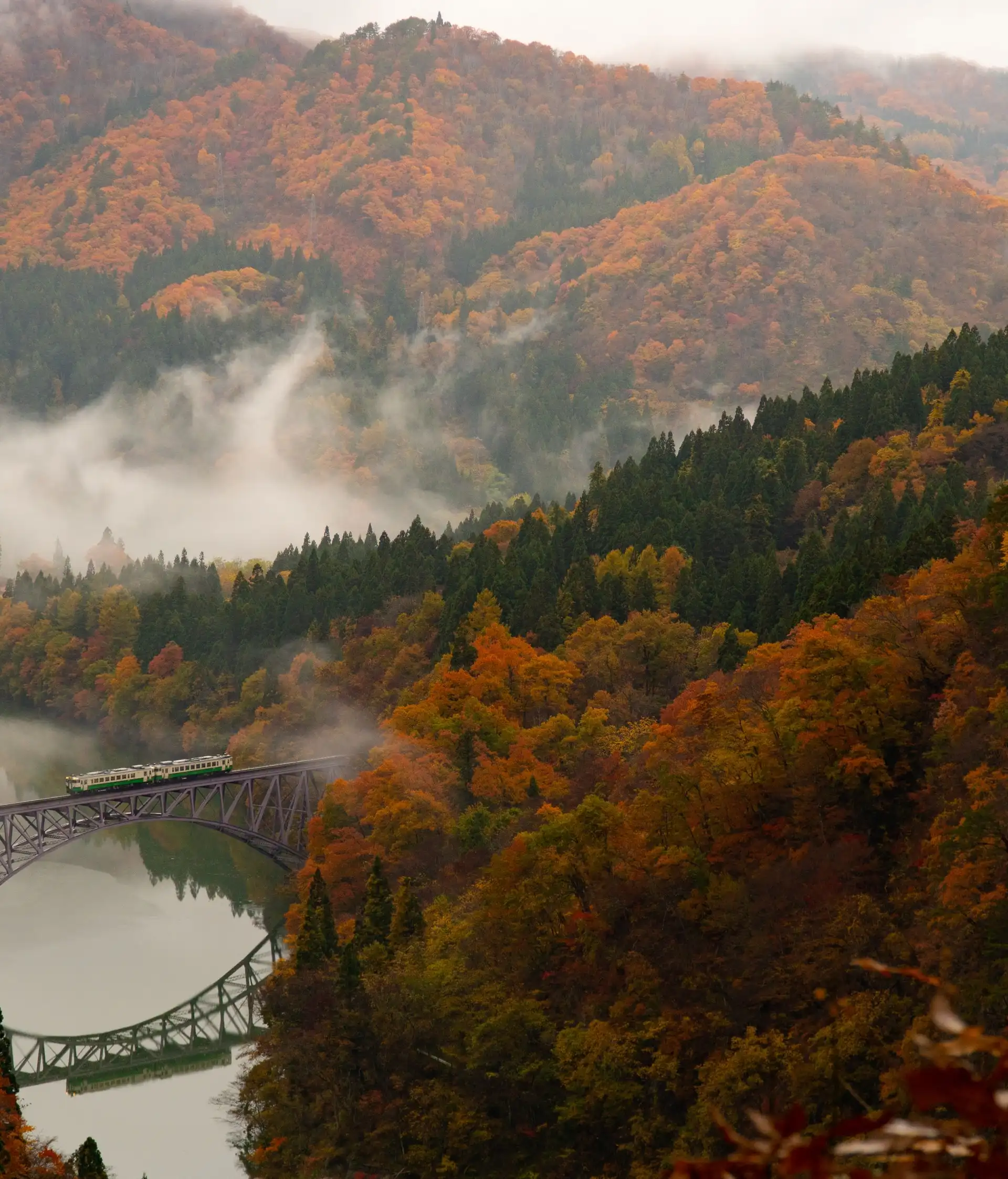
Beyond Kansai there are other panoramic and themed trains: lines that run along the sea, routes that follow the colours of the seasons, and luxury trains that pair design with top-end service. The Japan National Tourism Organization keeps an overview of scenic railways across Japan, a handy place to browse before you fix your dates. Reserve early for these trains, especially in high season, as the better ones have limited seats.
Want the most beautiful lines built into a route? See our Japan by train trip.
Choosing how to pay for trains in Japan is now a real decision rather than a formality. Here are the four options side by side.
| Option | What it is | Best when |
|---|---|---|
| JR Pass | Unlimited travel on JR lines for a set number of days | A long route across several regions with many Shinkansen legs |
| Regional pass (JR West, Kansai-Hiroshima, Hokuriku Arch Pass) | Unlimited or discounted rides within one area | The trip stays in one region with several intercity rides |
| Single tickets | Pay for each journey as you go | Flexibility, easy seat reservations and, often, the lower total |
| IC card (Suica, Icoca, Pasmo) | Rechargeable card for local trains, metro and city buses | Getting around within cities; not an unlimited pass |
From 1 October 2026 the 7-day Ordinary JR Pass costs 53,000 yen (child 27,000 yen), up from 50,000 yen, according to the Japan National Tourism Organization. It pays off only on long routes with many Shinkansen legs; for one region, a regional pass or single tickets usually cost less. Some sites still show the old price, so check the date.
Here is the sum. Four one-way Tokyo to Kyoto trips at around 13,300 yen come to roughly 53,000 yen, the price of the pass. So unless you plan about four long Shinkansen journeys of that size inside seven days, the pass doesn't earn its cost. A route that takes in Tokyo, Kyoto, Hiroshima and back again can get there. A week split between Tokyo and Kyoto cannot. If you're pricing a whole trip, our Japan trip cost guide puts the train in context, and the 3-week Japan itinerary is a good example of the kind of multi-city route where the maths gets closer.
Regional passes can still be worthwhile, depending on the area. They suit an itinerary built around one region with several intercity journeys. Single tickets give you flexibility, and the system is reliable and clear, with seat reservations simple to make on the Shinkansen. For many travellers this is the better budget.
An IC card is a rechargeable electronic wallet, not an unlimited pass. Suica, Icoca and Pasmo work on most trains, metros and city buses, and they remove the need to buy a ticket for every short hop. Most visitors carry one whichever way they pay for the long rides.
Because of the price rise, the choice should no longer be automatic. Not sure which pass fits your route? Our Japan experts check it against your itinerary.
In Japan the train doesn't just perform well; it shows values you can see for yourself on any platform.
Punctuality, measured in seconds, reflects a demanding attitude to time and reliability. People line up without being told, keep quiet on board, and let the crowd flow around them. The trains are kept spotless and procedures are followed with care, which points to a strong sense of detail.
Rail also holds modernity and tradition side by side. The Shinkansen stands for technical excellence, while the panoramic and design-led trains pay attention to the seasons, the scenery and local heritage. Ride both in one week and you'll see how comfortably the two sit together.
At Shanti Travel we plan every Japan itinerary around the way the rail system works, because the train sets the rhythm of the stay. Tell us what you want to see and we'll design a Japan trip around the right trains.
Yes, but size matters. Since May 2020, bags with the three sides adding up to more than 160 cm (up to 250 cm) need a reserved seat with an oversized baggage area. Book that seat before you board. Details are on the JR Central oversized baggage page. If you'd rather travel light, luggage forwarding in Japan sends bags ahead to your hotel.
Not on the pass alone. Holders can pay for an upgrade at a ticket machine or station counter, not online before arrival, and the upgrade is sold from one month before boarding. JR Central lists 4,960 yen from Tokyo or Shinagawa to Kyoto or Shin-Osaka and 6,500 yen to Hiroshima; check JR Central before you go, as the page is undated.
It costs roughly 30% to 50% more than an ordinary car, according to japan-guide.com (February 2025). For that you get a less crowded car and roomier seats. It earns its price on long rides, on busy travel days or when you want to work or rest properly. For a short hop, standard class is usually enough.
From 2900 €
From 3390 €
From 3300 €
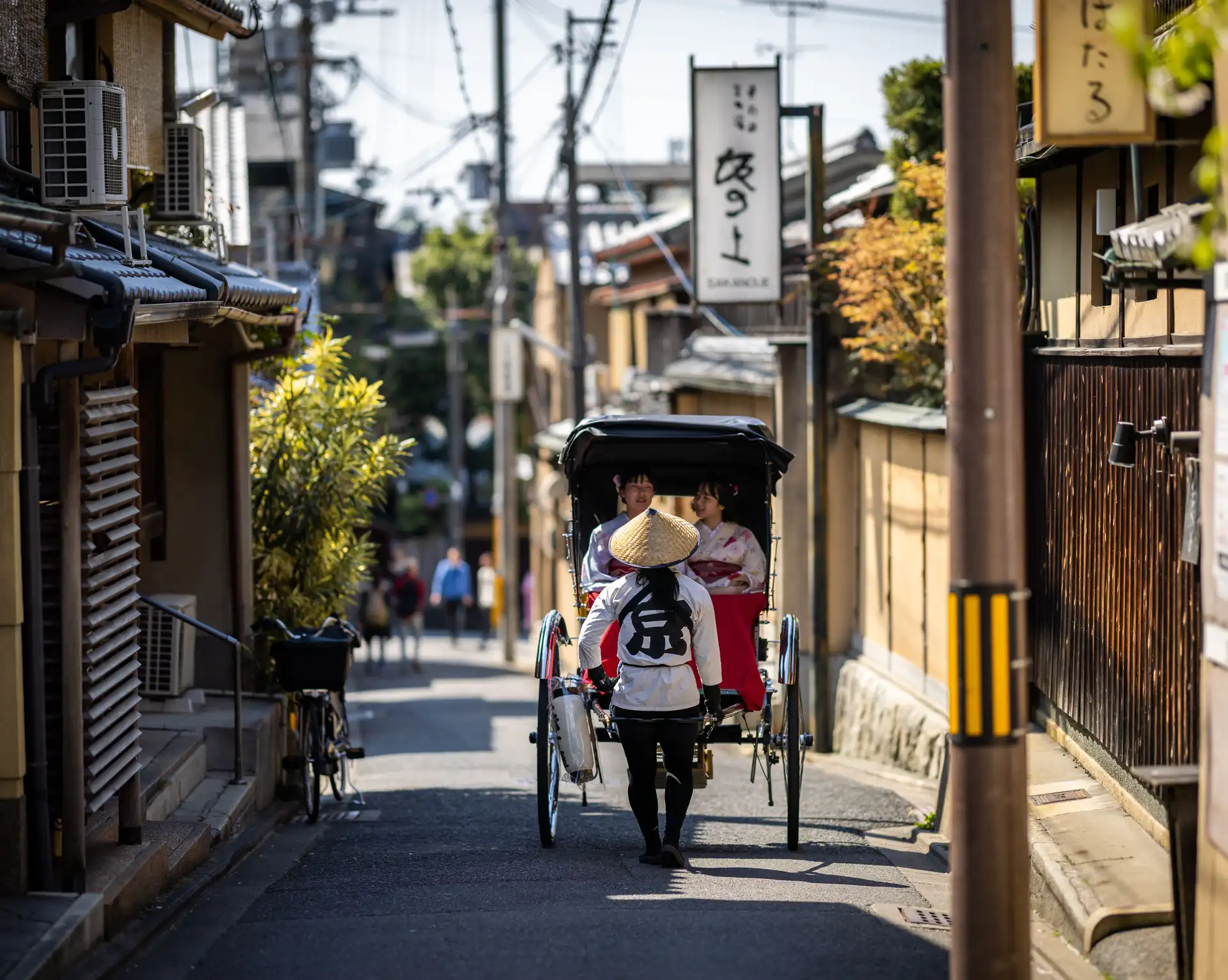
This is a question I asked myself for a long time. And yet, I have used a travel agency myself for some of my trips abroad in recent years. In my opinion, there is no right or wrong way to travel. Using a travel agency has several advantages, but organising your trip yourself has its benefits too.
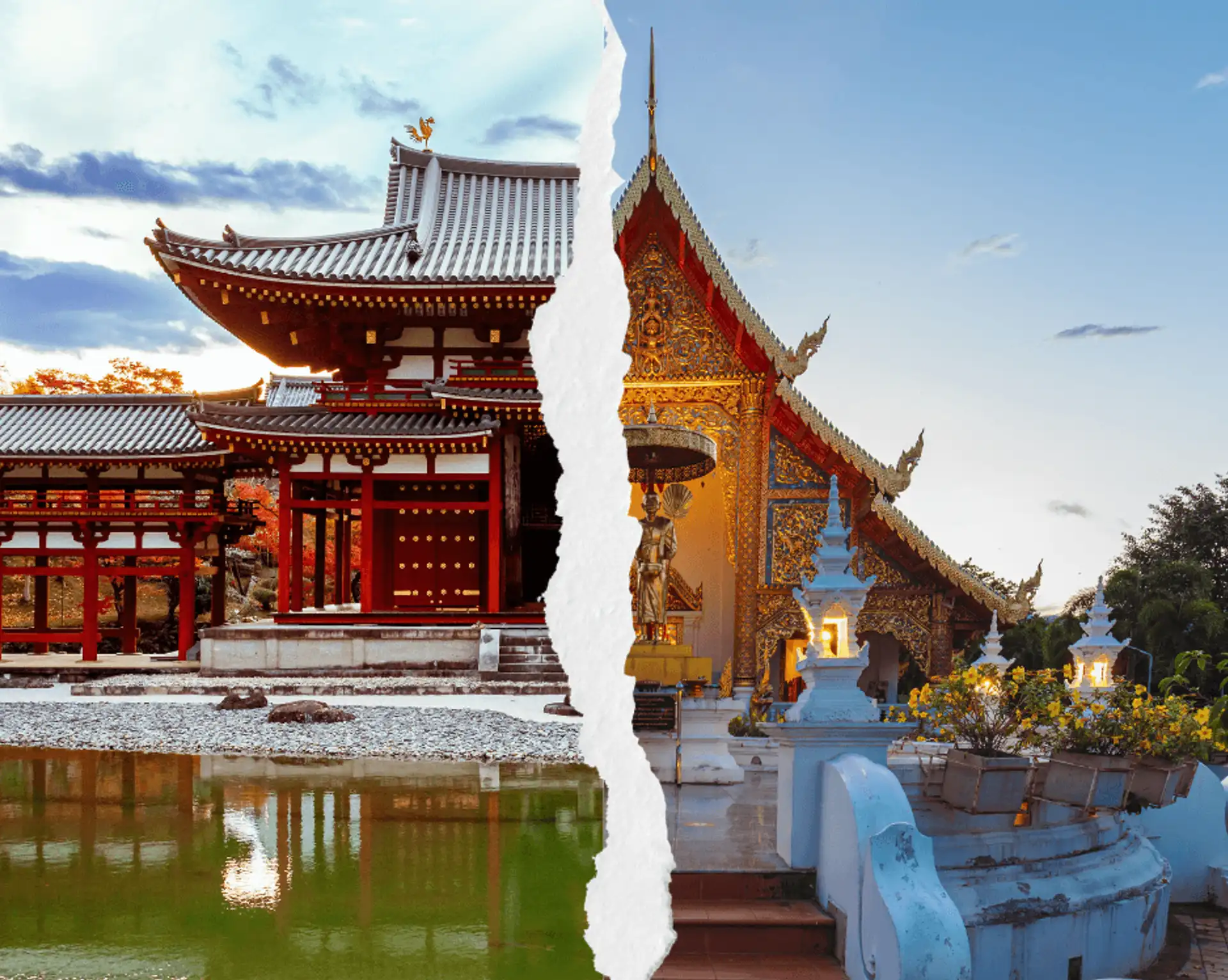
Japan and Thailand offer two very different ways to discover Asia. Japan appeals to travellers with its temples, modern cities, mountain scenery and traditional culture. Thailand attracts visitors with its beaches, fragrant cuisine, lively markets and opportunities to combine nature with relaxation.
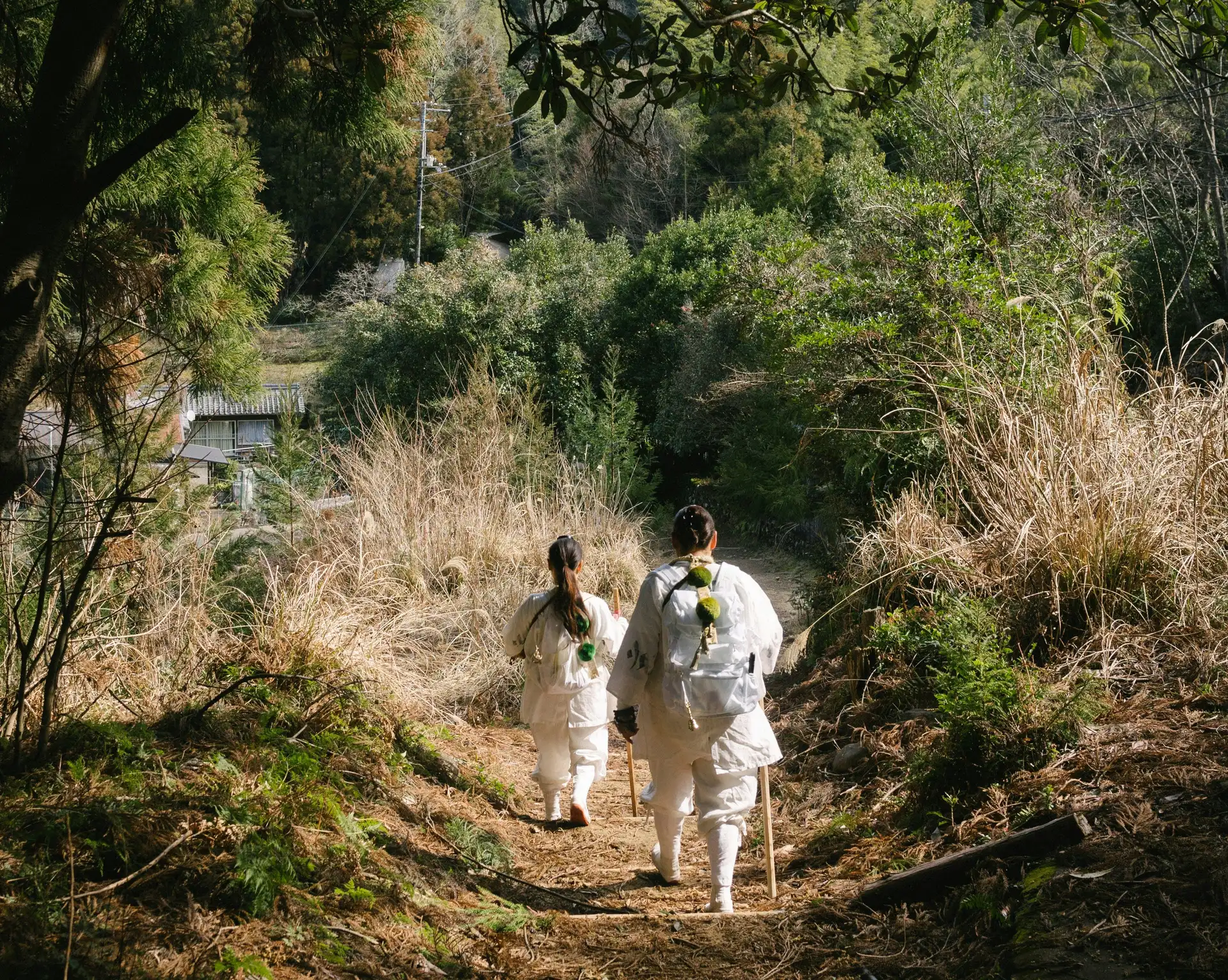
The **Kumano Kodo** is a network of pilgrimage trails across Japan's Kii Peninsula, mostly in Wakayama Prefecture, and a UNESCO World Heritage Site since 2004. Most first-timers walk the Nakahechi trail: about **70 km (43 miles)** from Takijiri-oji to the Kumano shrines, in 4 to 5 days.
Subscribe and receive our travel inspirations and practical advice twice a month.
Wanting to share your trip with a group?