Sulawesi Beaches: Wakatobi, Bunaken, Togean Islands and Bira

Sulawesi's best beaches are far from the crowds: Bunaken's reefs in the north, the remote Togean Islands in the Gulf of Tomini, Bira and Selayar in the south, and Wakatobi to the southeast. Go between May and October, when the weather is driest. This guide sits within our Indonesia travel guide and covers each coast with the practical details: how to reach it, what it's known for and when to go.
Sulawesi beaches at a glance
| Place | Region | Known for | How you get there |
|---|---|---|---|
| Bunaken | North | Reefs, snorkelling | Fast boat from Manado |
| Botubarani (Gorontalo) | North | Whale sharks | Via Gorontalo |
| Togean Islands | Central | Remote stilt-house beaches | Ferry from Ampana |
| Wakatobi | Southeast | Diving | By air |
| Bira | South | White sand | 4 to 5 hours by car from Makassar |
| Selayar | South | Wild coast | Southern tip of the island |
For beaches elsewhere in the country, see our guide to beaches in Indonesia.
How to get to Sulawesi's beaches
Sulawesi's beaches usually need a mix of plane, road and boat.
- Plane: the airports of Makassar (south) and Manado (north) are served from Bali, Jakarta or Singapore.
- Car or bus: a private car or a shared ride gives the most flexibility around Makassar and for Bira.
- Boat: the islands are reached by ferry or private boat, from Manado for Bunaken and from Ampana for the Togeans.
Our guide to getting around Indonesia covers the wider network. Linking flights, roads and boats is where a local expert saves the most time: tell us your dates and we'll sketch a route.
Bunaken: reefs and snorkelling off Manado
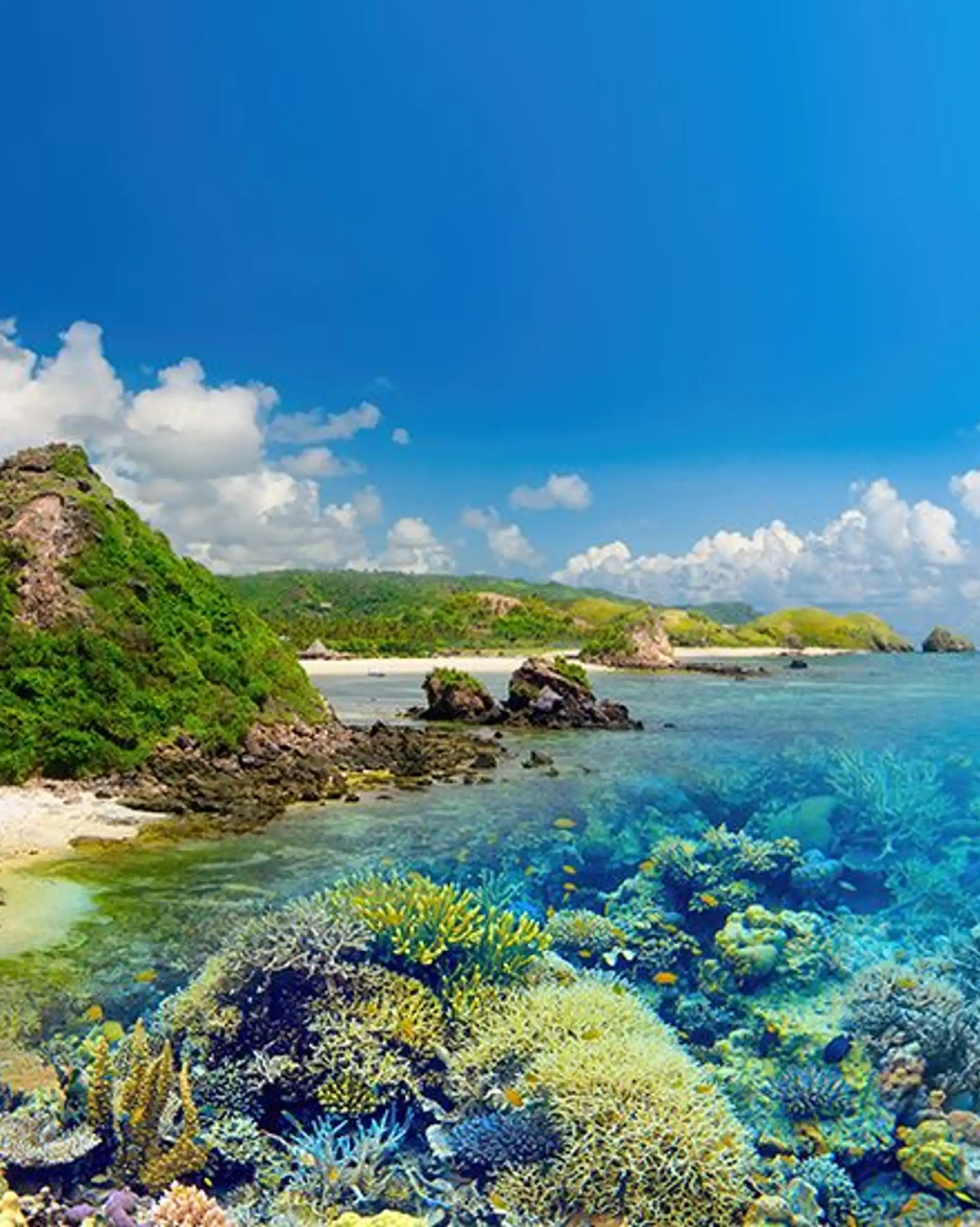
Bunaken is the heart of a national marine park of five islands: Bunaken, Manado Tua, Siladen, Mantehage and Nain. It is famous for multicoloured coral and steep drop-offs, with spots for every level of diver. You can read more in the Bunaken National Park entry.
The busy House Reef works for snorkelling by day or by night, with turtles, tropical fish, trevallies and sometimes sharks. The shallows at Tanjung Papaya and Tanjung Kelapa suit anyone who wants colourful life and an easy swim.
Getting there is simple: a fast boat leaves from Manado. A few eco-responsible places to stay let you settle into the slow island rhythm. The park fee is about IDR 150,000 (about USD 10) per person per day, as of November 2026.
Gorontalo: whale sharks at Botubarani
Botubarani beach, near Gorontalo, is known for whale sharks that enter the bay, drawn by plankton. Swimming alongside them is memorable, and it only works if you keep your distance and follow the guides' rules for the animals.
Togean Islands: remote beaches reached by ferry from Ampana
The 56 Togean Islands sit in the Gulf of Tomini: fine sand, stilt bungalows, coconut palms and turquoise water. Waleakodi and Malenge are the best-known beaches, with an end-of-the-world calm. Diving and snorkelling are strong thanks to the variety of corals and marine life, and mass tourism hasn't arrived.
That remoteness is the point, and it shapes the journey. Fly to Palu or Luwuk, then drive to Ampana: 8 to 12 hours from Palu, 5 to 6 hours from Luwuk, as of June 2026. From Ampana the public ferry to Wakai or Bomba takes about 4 hours. In June 2026 it ran mostly on Thursday, Sunday and Monday mornings, with very early returns on Wednesday and Saturday, so check the current timetable before you book.
The islands are also home to the Bajau, sometimes called sea gypsies, who live in stilt houses and are skilled freedivers. The weather is best from August to October.
Wakatobi: diving islands off Southeast Sulawesi
Wakatobi, off the southeast coast, is a diving destination. For guests of the Wakatobi resort, a direct flight runs from Bali in under 3 hours, on Mondays and Fridays as of July 2026, and it is not open to other travellers. If you are not staying at the resort, ask a local expert about routes rather than relying on a fixed schedule.
Bira and Selayar: the south coast
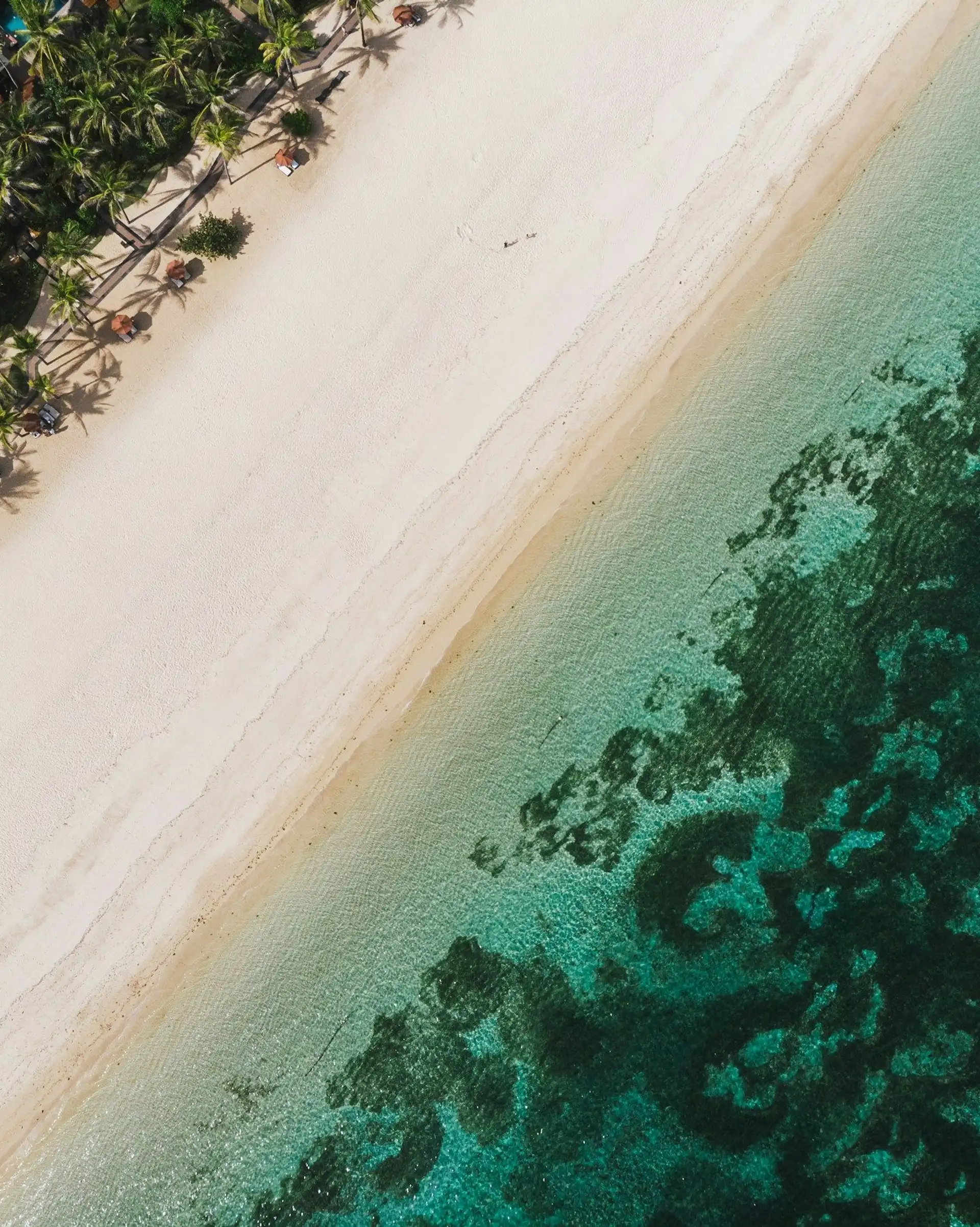
Bira is about 4 to 5 hours by car from Makassar. It has white sand, clear water, palm trees and a calm feel, and swimming, snorkelling and diving are all good. The neighbouring beaches of Bara and Apparalang are worth a stop for views and photographs. Divers head for Kambing Island, known for steep drop-offs with sharks, eagle rays, Napoleon wrasse and schools of barracuda. Small guesthouses and beachfront ecolodges face the sunset.
Selayar, at the southern tip, has a wild coastline and a main beach of soft sand and clear water. Few visitors come. You meet Bugis fishermen, stay in small family hotels or beach houses, and dive among sharks and healthy reefs in calm water.
Best time for Sulawesi beaches
The dry season, May to October, is the best window, with a peak in August and September. The sea is then around 29°C (84°F). The Togeans are at their best from August to October. For the country as a whole, see our guide on the best time to visit Indonesia, and the official Indonesia tourism site for the island.
Culture beside the coast
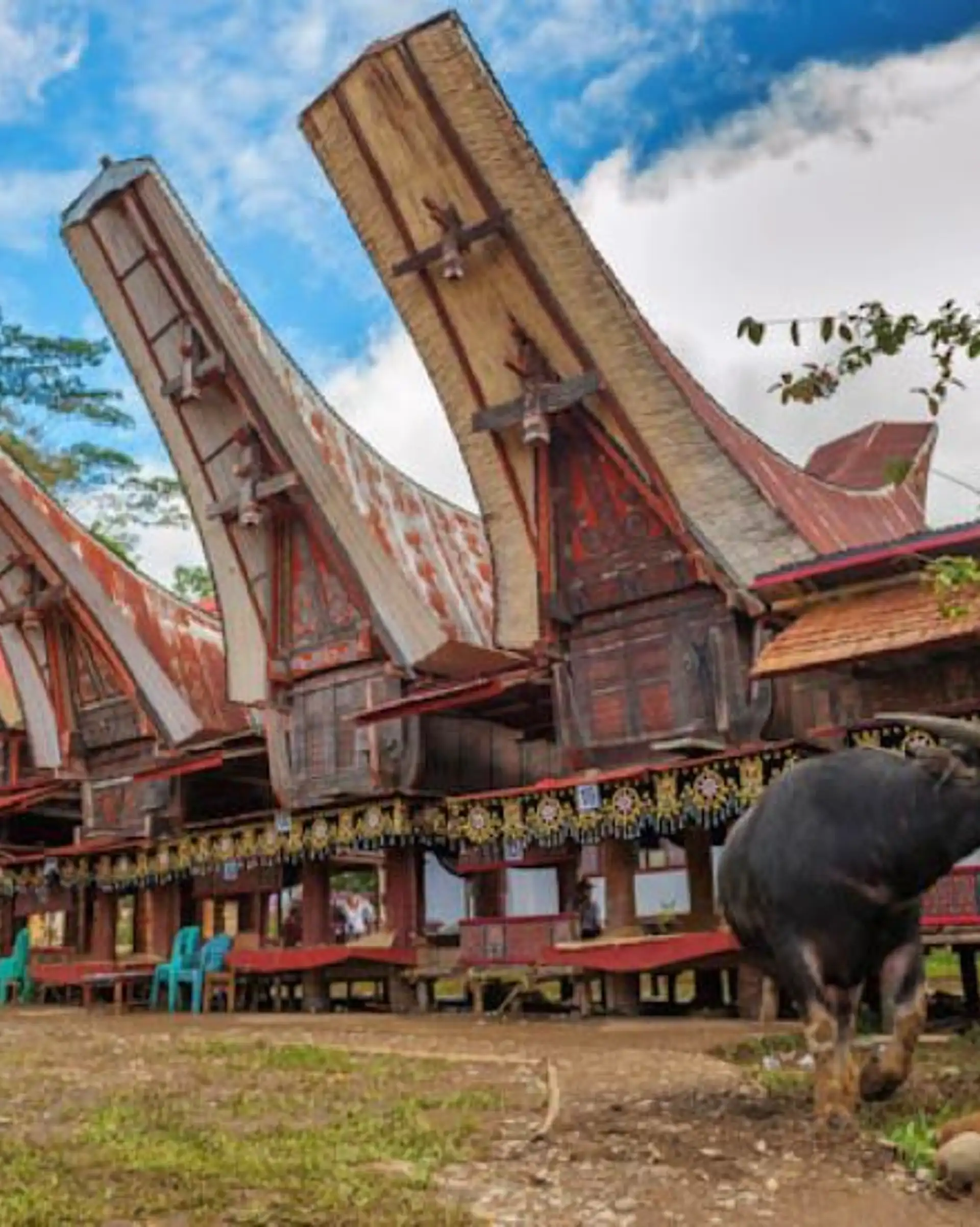
Culture is part of the trip. Expect Bajau stilt houses, Toraja tongkonan houses and Bugis fishing villages, plus meals built on fresh fish, seafood, rice and fried bananas. Local crafts include ikat weaving and the building of lepa lepa boats. Rituals are common around Tana Toraja, which lies inland rather than on the coast; our article on the Toraja highlands explains them. To see how it fits together, look at a Sulawesi trip with local hosts.
Plan your Sulawesi beach trip
Ready to plan a Sulawesi beach trip? Tell our local experts when you want to travel and which islands call to you, and they'll design the route.
Sulawesi beaches FAQ
Yes, if you accept more showers. From November to April, rain falls more often, but the vegetation stays lush and the beaches are peaceful. It suits travellers who care more about quiet than guaranteed sun, though diving visibility is better in the dry months.
Pack sun protection, a refillable water bottle and something to cover your head, because the tropical sun is intense. For diving, plan around the dry months to get the best visibility underwater.
Renting a scooter is handy for reaching beaches and local villages, as traffic is calm. For Bira, a rented car or a shared ride gives you more flexibility, especially if you are travelling as a group.