Sumatra volcano guide: Toba, Kerinci and more

The Sumatra volcano chain runs down the island's west coast: about 90 volcanoes, 35 of them active, including Kerinci, Sinabung and Marapi. Lake Toba fills the caldera of a supereruption about 74,000 years ago. This guide covers the peaks a traveller can actually visit, which are climbable, and what to check before you go.
Are there volcanoes in Sumatra?
Yes. Sumatra is a volcanic island, especially along its west side, where the Bukit Barisan mountain range carries a chain of about 90 volcanoes. Around 35 are active. The names you will meet most often are Sinabung, Sibayak, Kerinci, Marapi and Dempo.
For most visitors the appeal is simple: big landscapes, cool air at altitude and very few tour groups compared with Java or Bali. For the wider picture, see our guide to Indonesia's volcanoes.
Sumatra's volcanoes at a glance
| Volcano | Height | Nearest base | Character |
|---|---|---|---|
| Sinabung | 2,640 m | Medan (about 60 km) | Very active; climbs often restricted |
| Sibayak | 2,181 m | Berastagi | Half-day hike, sulphur crater |
| Kerinci | 3,805 m | Kerinci Seblat National Park | Multi-day trek, 2 to 3 days |
| Marapi | 2,891 m | Bukittinggi | About 5 hours to the summit |
| Dempo | 3,173 m | Pagar Alam | 9 to 12 hours round trip, crater lake |
Not sure which volcano fits your fitness and dates? Our local experts in Sumatra can suggest a route within our Indonesia trips.
The Toba supereruption and Lake Toba
Toba erupted about 74,000 years ago, according to history.com, and left the caldera that holds Lake Toba and the island of Samosir. It ranks among the largest eruptions of the past few million years.
The eruption is thought to have lasted 9 to 14 days. Ash fell over more than 38,000,000 km2 at a thickness of 1 cm or more. According to Oregon State University's Volcano World, the caldera measures roughly 100 by 30 km, and the ground that became Samosir was pushed up by at least 450 m. Researchers have long debated whether the eruption nearly wiped out early humans; two papers in Nature, in 2018 and 2024, are the ones usually cited in that debate.
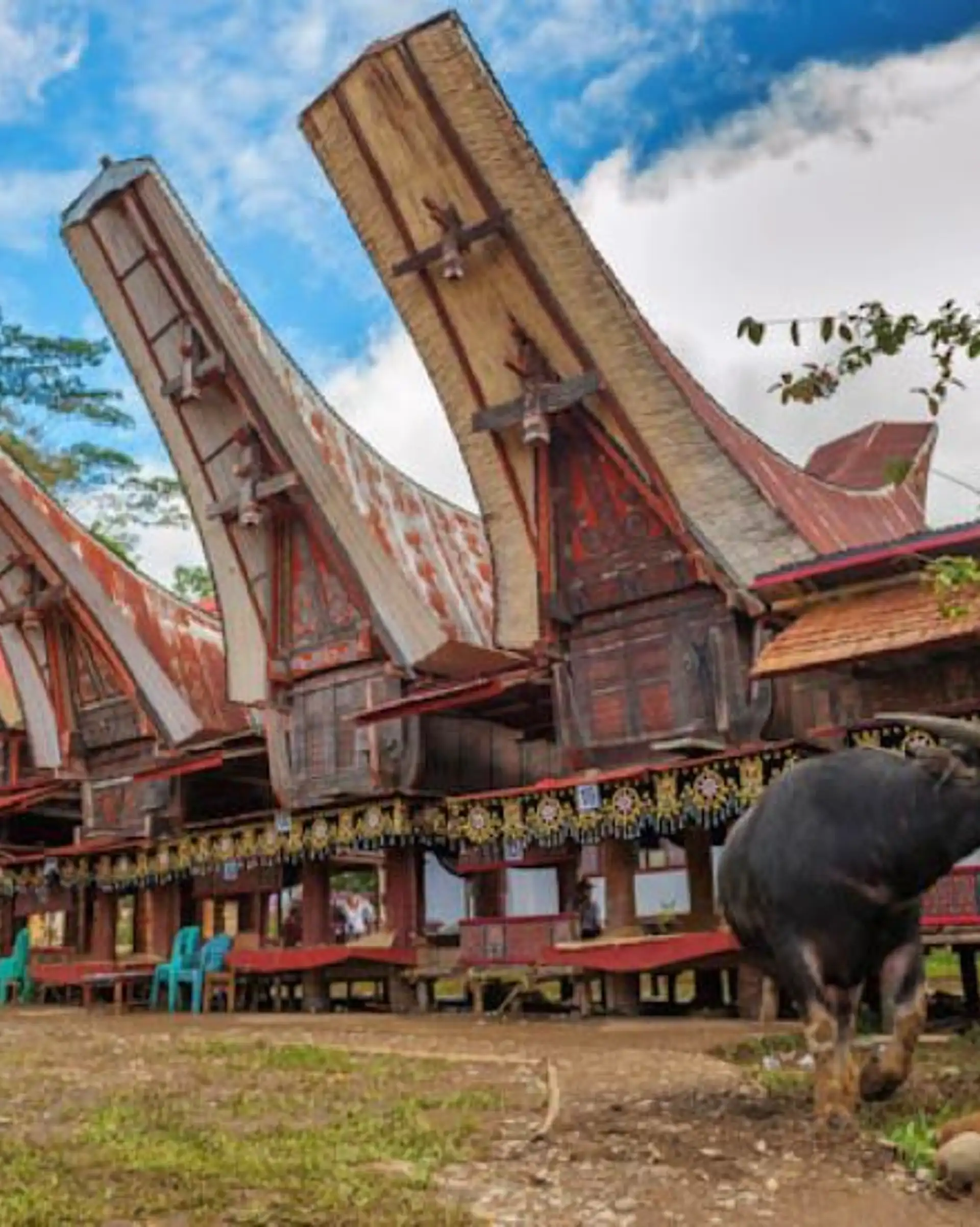
As a place to visit, it is calm. The lake sits more than 800 m above sea level, cool and deep blue. Samosir is the heart of Batak culture, with traditional houses, quiet lanes for walking and swimming off the shore. Nothing here feels like a volcano until you look at the cliffs rimming the water and picture what is missing.
Mount Kerinci, Sumatra's highest peak
At 3,805 m, Mount Kerinci is the highest point on the island and has a name for being one of the most demanding climbs in the country. Plan on two to three days, with a night in a bivouac. The trail starts in thick jungle, rich in wildlife and plants, then alternates between forest and open ridges with views over the valley and the Bukit Barisan range.
The reward comes at sunrise. From the top you look over seven neighbouring peaks and Lake Gunung Tujuh, at 1,996 m the highest lake in Southeast Asia. The mountain lies inside Kerinci Seblat National Park, and a permit is required (see the FAQ below). For comparison with other treks, our list of the top volcano hikes in Indonesia puts Kerinci next to the better-known Java climbs.
Mount Sinabung and Karo country
Mount Sinabung rises to 2,640 m in north-west Sumatra, about 60 km from Medan. After roughly 400 years of silence it erupted in August 2010, and it has been continuously active since September 2013, according to Wikipedia. That history is why some climbs are limited or impossible, depending on activity.
Safety check: look up the current alert level and any exclusion zone on MAGMA Indonesia, the PVMBG volcano monitoring service, before you plan anything. Levels can change without warning.
What most visitors do here is look rather than climb. The silhouette is powerful, the surrounding slopes read as lunar, and the traditional Karo villages at its base give the area a distinct atmosphere. Experienced hikers who find the access open will get the most out of it.
Mount Sibayak, the easy climb from Berastagi
If you want one volcano on a first Sumatra trip, Mount Sibayak is the usual answer. It stands close to the town of Berastagi and can be done in a half-day. The trail climbs to 2,181 m and a crater almost 900 m across, where sulphur fumaroles hiss out of the rock. Bring a scarf or mask for the fumes, and a windbreaker, because the wind at the top is cool.
From the summit you look down over Berastagi. Back at the foot of the volcano, natural hot springs such as Pariban and Sidebuk Debuk are the natural finish. Sibayak is also a good test of how you handle altitude and sulphur air before attempting something bigger.
Mount Marapi and Mount Dempo
Marapi
Marapi, near Bukittinggi, reaches 2,891 m and takes about five hours to climb. It is not to be confused with Merapi in Java. The slopes look over the Minangkabau region, known for its villages and living traditions.
Marapi can be dangerous. In December 2023, 11 climbers were killed in an eruption, as reported by Al Jazeera on 4 December 2023. Before any plan, check MAGMA Indonesia (PVMBG) and the local authorities for access rules.
Dempo
Dempo is in the south-east of Sumatra, at 3,173 m above the Pasumah plain. Tea plantations cover the lower slopes, and the crater holds a turquoise lake about 400 m wide. The climb demands good fitness: 9 to 12 hours of walking there and back, with camping possible near the summit. A permit is mandatory and is collected from the authorities in Pagar Alam.
Permits, access checks and camping spots are the kind of detail local guides handle for you, which is one reason many travellers book these two with a guide rather than alone.
Best time and what to pack for a volcano trek
The dry season, from May to October, is the best window, and June to September is ideal. Trails are safer then. From November to March the rains make some paths slippery and muddy, and a few become inaccessible.
What to bring:
- Sturdy, waterproof shoes for muddy trails
- Light, breathable layers, plus rain protection and warmth for altitude
- Mosquito repellent
- A headlamp for night starts or descents, and a first-aid kit
- A bandana or face mask against sulphur fumes
A local guide is recommended on active volcanoes and long treks, and sometimes essential. Camp only in authorised spots, respect restricted zones and follow the authorities' instructions. For month-by-month detail, see our page on the best time to visit Indonesia.
Villages, hot springs and wildlife around the volcanoes
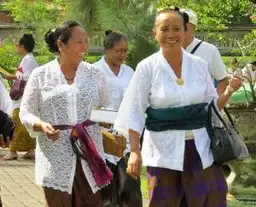
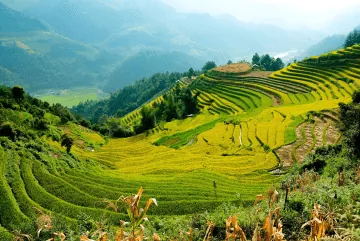
Two communities frame the volcano country. Around Bukittinggi, below Marapi and Singgalang, live the Minangkabau; around Berastagi, near Sibayak and Sinabung, the Batak. Both are worth time for their festivals, houses with curved roofs, the famous rendang and lively markets. Rice paddies and tea plantations set the daily rhythm.
The natural hot springs, notably around Berastagi, are known for their soothing effect after a hard day's walking.
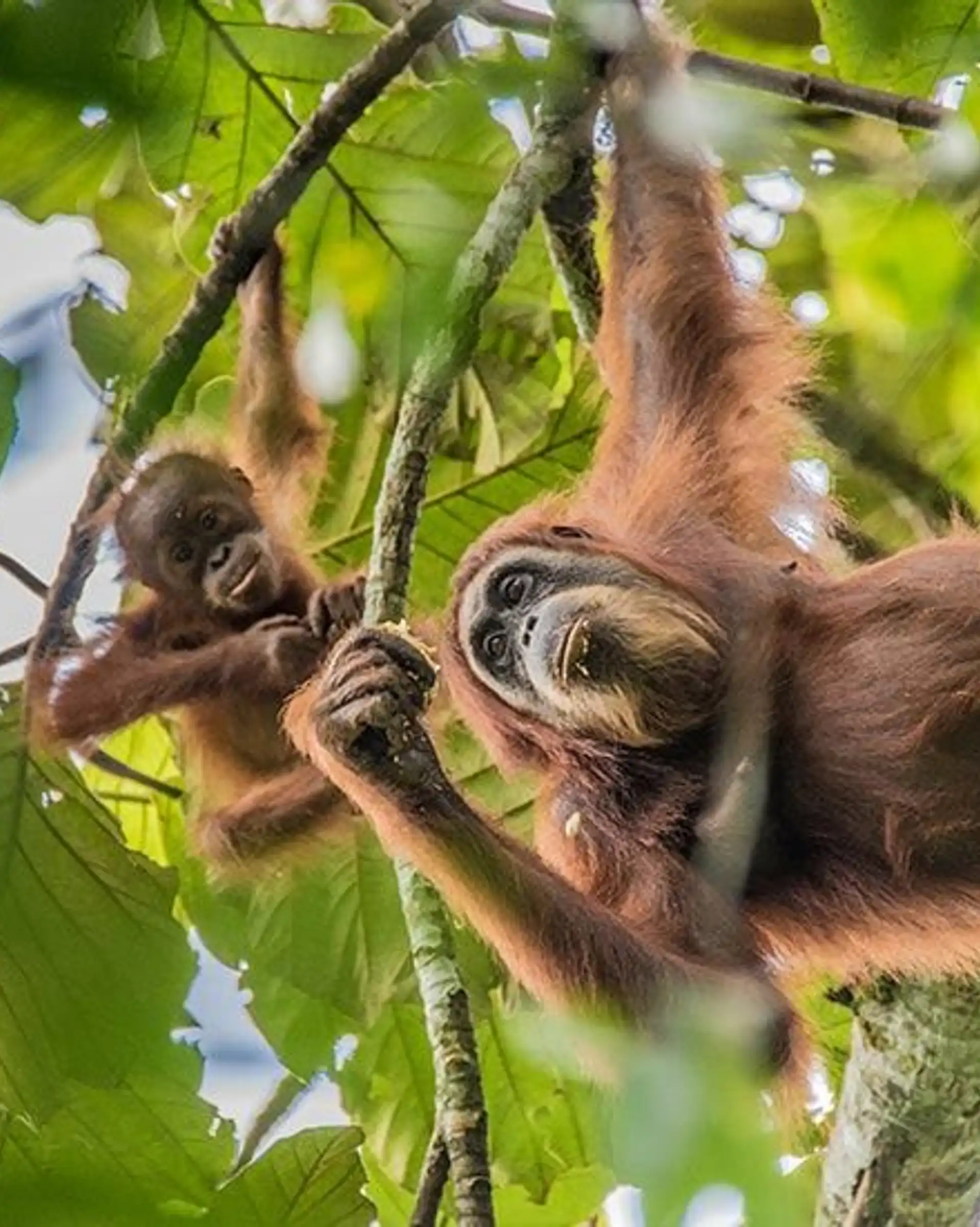
Further out, the volcanoes sit within Gunung Leuser, Kerinci Seblat and Bukit Barisan Selatan national parks, together listed by UNESCO as the Tropical Rainforest Heritage of Sumatra. You may see orangutans, elephants, gibbons, Sumatran rhinoceroses and many rare birds in old forest. Our Indonesia geography guide explains how the island's landscape fits together.
Getting there and planning your route
The volcanoes are reached from Medan, Bukittinggi, Padang or Pagar Alam by combining domestic flights, local buses, minibuses or private transfers. Choose reliable companies and avoid unofficial taxis. Distances are long and roads slow, so allow buffer days between treks.
For the bigger picture, start with our Indonesia travel guide. Tell us when you travel and how far you want to hike, and we will design your Sumatra trip with a local expert through our trip request form.
Sumatra volcanoes FAQ
Yes, a park fee applies: IDR 150,000 per day as of January 2026, according to a secondary source. Under park rules the climb is usually two days and one night, though operators often sell it as a three-day package. Going with a registered guide is the normal way to arrange entry and camping.
Allow about four hours round trip, including time at the crater. The uphill route is around 3.5 km, mostly steady walking rather than technical climbing. Starting early keeps you ahead of clouds and the midday heat, and leaves the afternoon for the hot springs below.
Yes. Lake Toba, Samosir and Berastagi, the base for Sibayak, sit on the same northern route, and Medan is the usual gateway for flights and buses. Kerinci, Marapi and Dempo are further south and west, so they fit better as a second leg of a longer Sumatra itinerary.