My visit to the Kabuki-za in Ginza
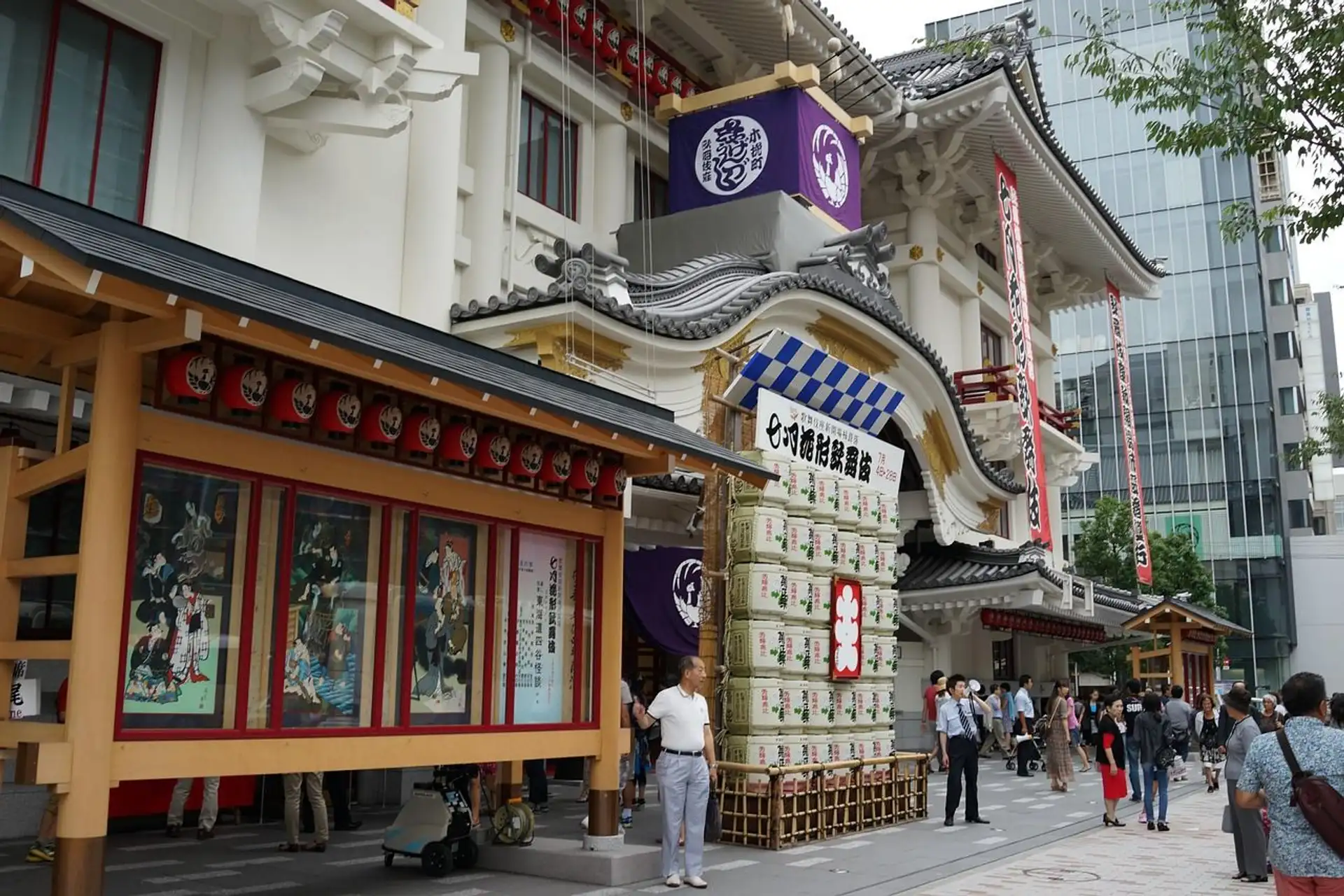
I had barely walked into the Kabuki-za when I was escorted to my seat, a small attention that sets the mood and makes a first kabuki feel easy. I was handed a tablet with instant English subtitles, which let me follow the plot without losing the thread and stay inside the show.
I'd never seen this kind of performance and I was a little apprehensive, so I chose a single act of about 1h30. The time flew by. I laughed, I was moved, and I marvelled at the richness of the acting and the ingenuity of the set changes. Kabuki is also a window on the past: it gives a glimpse of what life was like for the Japanese nearly 400 years ago. The stories are romanticised and theatricalised, yet they remain deeply rooted in the daily life of the period.
An immersive, intense and surprisingly accessible experience that made me want to see much more.
At a glance: Ginza 4-12-15, Chuo-ku, Tokyo. One act from 1,600 JPY. English captioning 1,000 JPY.
Is kabuki theater in Tokyo worth it?
Yes, if you like theatre, strong stories and spectacular staging. It is also a good way into Japanese tales and into what life used to be like, through plots drawn from the daily life, morals and beliefs of the time. The honest limit is length: a full play runs several hours, which is a lot for a first time, and one act was my answer to that.
What is kabuki?
Kabuki is a Japanese theatre art born in the early 17th century, during the Edo period (1603-1868), that mixes dance, music and drama. It won over ordinary people with its spectacle and accessibility, the opposite of arts reserved for the elite such as Noh.
It was created by a priestess of the Izumo shrine, then judged too subversive. Women were excluded from the stage, which led to the onnagata, male actors who specialise in female roles. Over the centuries kabuki became codified while keeping its visual energy. It is now one of the pillars of traditional Japanese theatre and is inscribed on UNESCO's intangible cultural heritage list. If this kind of craft interests you, our piece on Japanese arts covers the wider aesthetic.
Tickets and prices: why one act is the easy way in
The Kabuki-za sells single-act seats (hitomakumi) for people who want a taste without committing to the full programme. You see one act, usually from a seat on the upper level, and leave when it ends. The table below uses the official Shochiku notice of 29 October 2026 for the November programme.
| Ticket | JPY | USD (about) |
|---|
| Single act, cheapest seats (4th level) | 1,600 to 3,000 | $10 to $19 |
| Single act, upgraded seats | 5,800 to 10,800 | $36 to $68 |
| English captioning, single act | 1,000 | $6 |
| English captioning, full programme | 1,500 | $9 |
Prices as of November 2026, converted at about 160 JPY to the dollar. They change with each month's programme.
A single act of about 1h30 is typical but not fixed. In November 2026 the acts run from about 40 minutes (Act 3, 15:03 to 15:42) to about 2.5 hours (Act 5, 18:45 to 21:17), so check the time of the act before you buy. The full programme takes several hours and its seats cost much more. The current schedule shows what is on.
Understanding the story: English captioning
The Kabuki-za offers a tablet that shows English subtitles as the action unfolds. It is a paid service, listed on the theatre's information page since July 2024, and costs 1,000 JPY for a single act (see the table above).
Treat it as essential. Without subtitles, even with the actors' remarkable talent, the plot and the rhythm are hard to follow, and it is harder to settle into the play. The service is described in English only, so if English isn't your reading language, think twice before booking.
Rules and who it suits
A few rules apply in the hall:
- No eating during the show.
- You can only leave during the intermissions.
- No photos or videos, strictly.
- Phones off, and silence in the hall.
Children are allowed if they can respect these rules and the length of the show. A long programme may not suit young children, so a single act is the safer choice for families. It is also a better fit for readers of English than for anyone who needs subtitles in another language. For more on behaving well in Japan, see our guide to manners and etiquette in Japan.
One tip from a Tokyo editorial guide: arrive about 20 minutes before curtain, so you have time to find your seat and collect the tablet.
Getting to the Kabuki-za
The theatre is at Ginza 4-12-15, Chuo-ku. Higashi-Ginza Station (Hibiya and Asakusa lines) has direct access to the theatre from Exit 3, so you can step out of the metro almost into the lobby. If you're coming from another city, our guide to trains in Japan explains the options, and there are plenty of other things to see in Tokyo before or after the show.
Want kabuki in the right month of a longer Japan trip? Our local experts in Japan can fit a Kabuki-za act into your itinerary.
A last word
Kabuki is best enjoyed by taking your time, act by act. It is a strong experience, both demanding and deeply enriching, and one that leaves a lasting mark on a trip to Japan, with a sincere wish to go back. If you'd like a culture-focused trip in Japan, tell us what you'd like to see and a local expert designs your Japan trip around it.