
Your expert on destination Japan
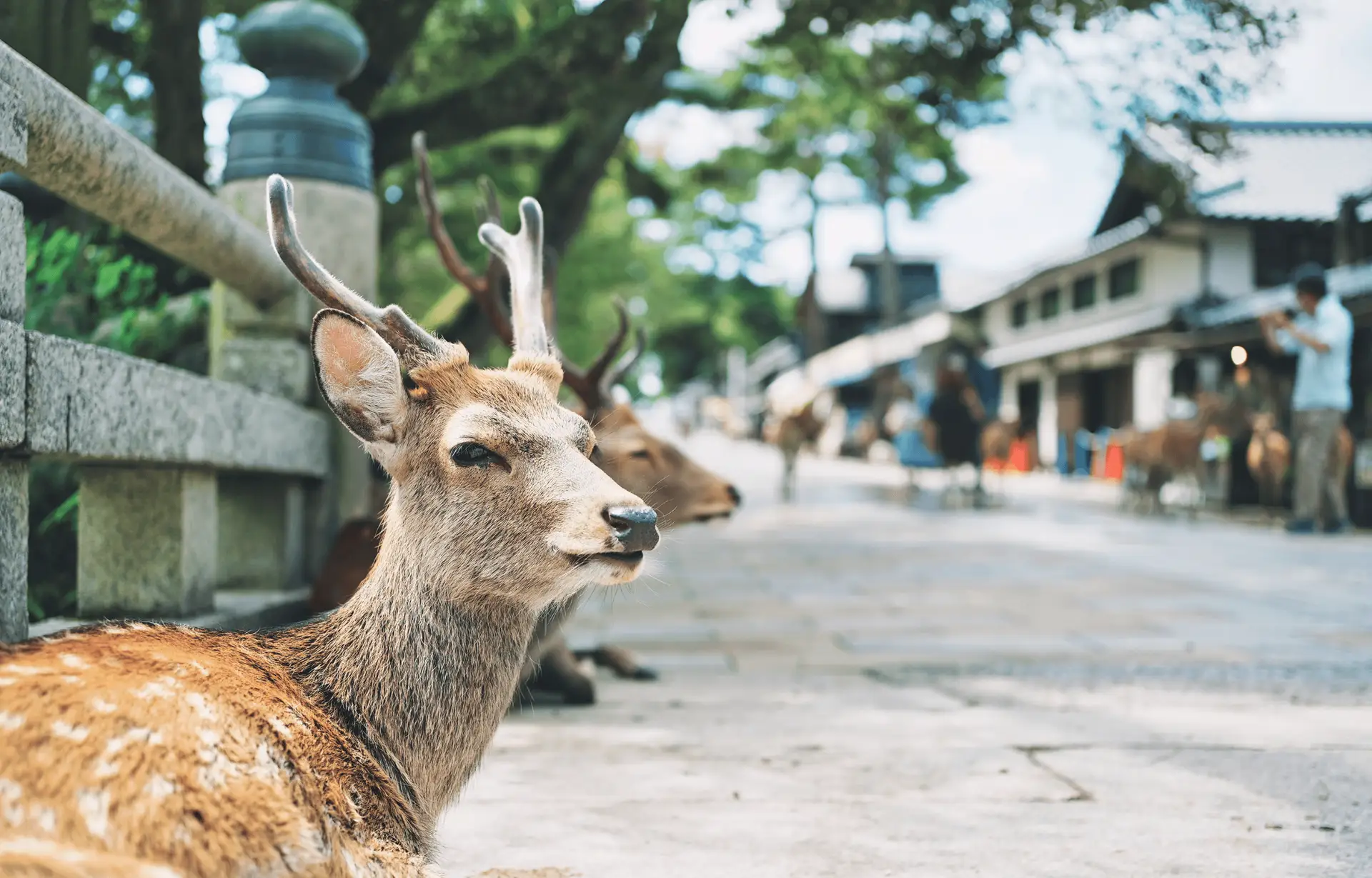
Animals hold a unique place in Japanese culture. Discovering Japan's iconic animals is to delve into the heart of a living heritage steeped in spirituality, legends, and the country's cultural identity. From snow monkeys to koi carp, from mystical foxes to the sacred deer of Nara, Japanese wildlife does more than simply grace the landscape: it embodies ancestral values, nourishes foundational myths, and colors daily life with its powerful symbols.
Whether you travel to Japan to observe animals in their natural habitat or to understand their profound cultural significance, every encounter with these iconic creatures reveals a facet of the Japanese soul. From folklore to Shinto shrines, from traditional art to modern manga, animals in Japan weave a timeless connection between nature, spirituality, and society.
In Japan, the Shiba Inu and the Akita Inu hold a special place in the hearts of the people. These two Japanese dog breeds embody loyalty, faithfulness, and protection—fundamental values of Japanese culture.
The Akita Inu , originating from the region of the same name in northern Japan, was once used for hunting bears and deer. Its story became legendary thanks to Hachiko , an Akita who waited every day for his deceased master at Shibuya Station for nearly 10 years. This act of loyalty moved the nation: Hachiko was honored with a statue and the title of Chuken , "faithful dog." This story inspired not only the Japanese public but also the love and preservation of the breed, which is now designated a national monument and seen as a symbol of strength and honor.
The Shiba Inu , smaller but just as iconic, captivates with its liveliness, independence, and zest for life. Of ancient origin, it now accompanies Japanese families as a prized companion dog in cities, valued for its natural cleanliness and hardiness. Its fearless temperament, adaptability, and longevity are admired—qualities that explain its special place in modern Japanese society and its growing global popularity.
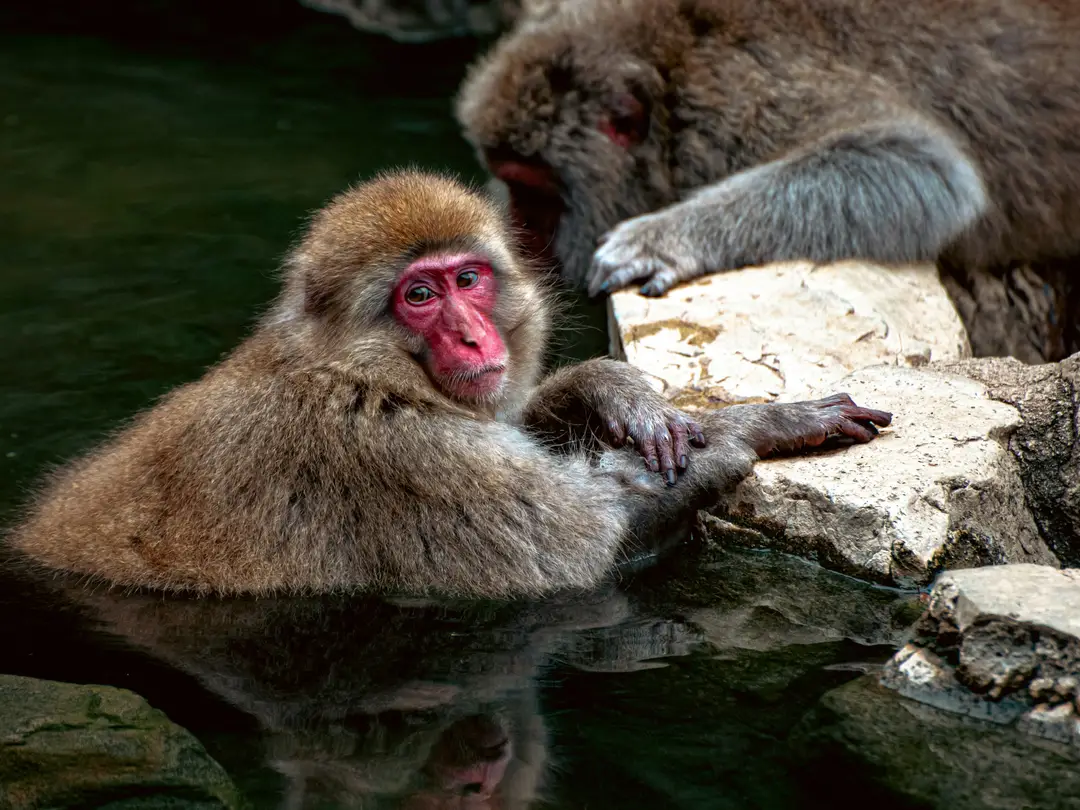
A sacred animal in Shinto traditions , the Japanese macaque is seen as a mediator between the world of the gods and that of humans. Macaques live in complex matriarchal societies and are represented by the " three wise monkeys ": Mizaru, Kikazaru, Iwazaru (see no evil, hear no evil, speak no evil), a universal symbol of morality originating from Japanese temples. Their behavior in the snow also reflects their remarkable adaptability and inspires traditional art, where they embody both resilience and a close connection with nature.

The kitsune fascinates with its many facets: protective , cunning, even mischievous. According to Japanese legends, there are benevolent kitsune ( zenko ), mischievous kitsune ( yako ), and some capable of metamorphosis, taking on the appearance of a seductive woman at dusk. The number of tails a kitsune has, up to nine, symbolizes its power and longevity.
The kitsune permeates Japanese popular culture (manga, video games, and festivals pay homage to it), and its legendary rivalry with the tanuki fuels the collective imagination. At Zao Kitsune Mura , a village dedicated to the kitsune, travelers can encounter these foxes, considered supernatural spirits. The kitsune thus remains a mysterious bridge between myth and reality, between rural Japanese identity and urban modernity.
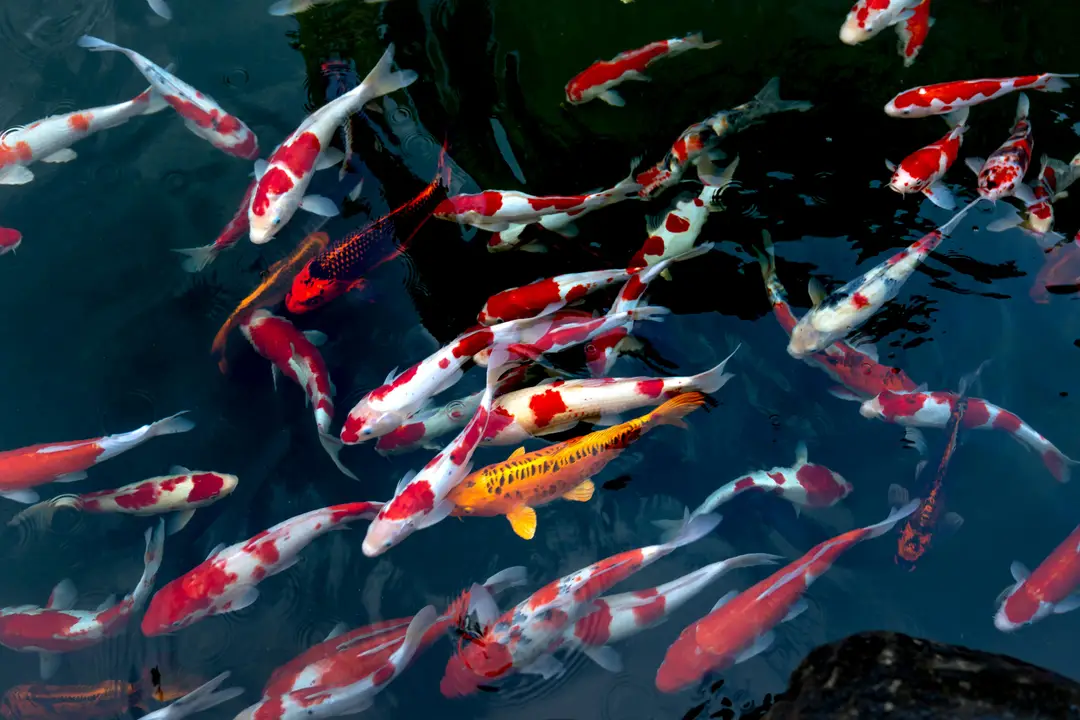
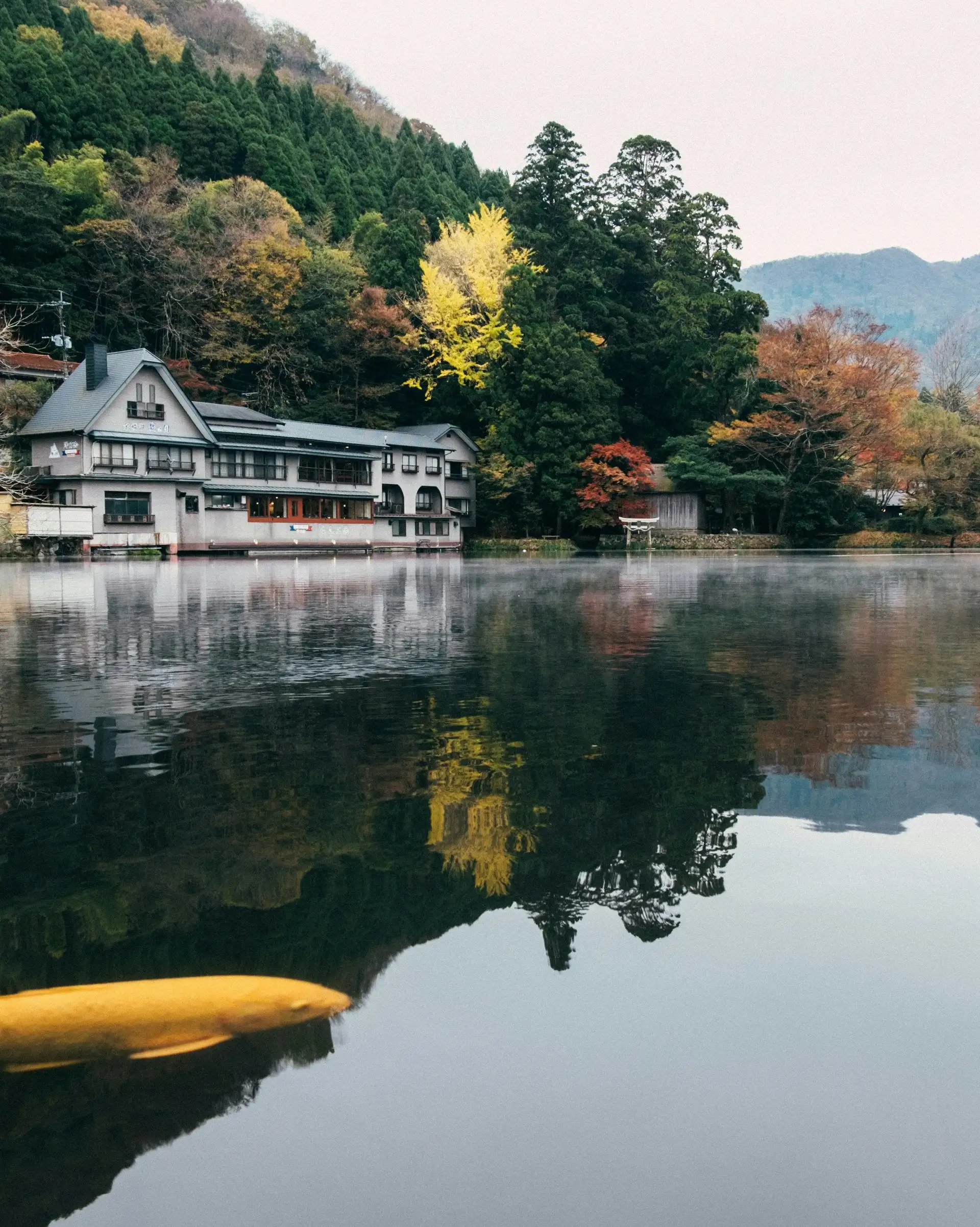
The koi carp appears in traditional Japanese tattoos , on lucky cards for students, and of course in the Kodomo no Hi festival on May 5th. On this day, koinobori , carp-shaped windsocks of various colors, are flown in front of every Japanese home to wish children luck, strength, and longevity. Each color has its own meaning, with the largest color generally symbolizing the father, accompanied by those representing the mother and children.
Zen gardens, traditional prints and handcrafted objects keep alive this symbolism of the carp in Japan , a strong sign of resilience and serenity in adversity.
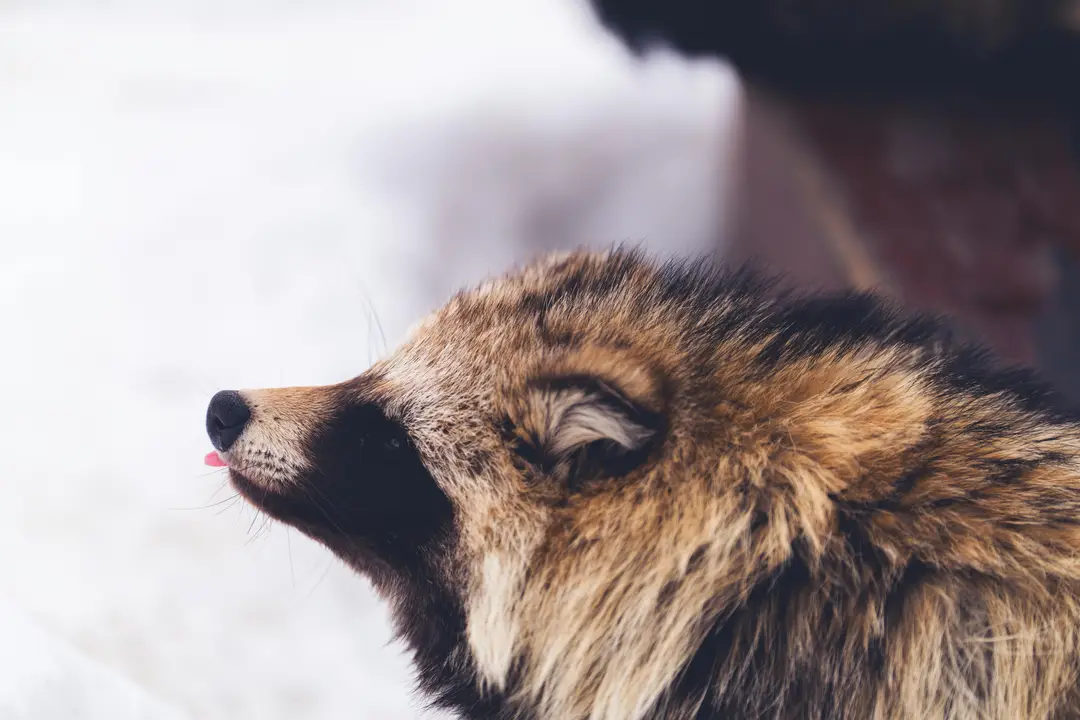
He is famous throughout the country for his pranks , particularly his habit of paying merchants with stones "transformed" into coins using his magical powers . His role as a yōkai is evident in both ancient literature and contemporary animated films like Studio Ghibli's Pom Poko . Always ready to transform, the tanuki is a reminder of the close connection between the natural order, magic, and everyday life in Japan.
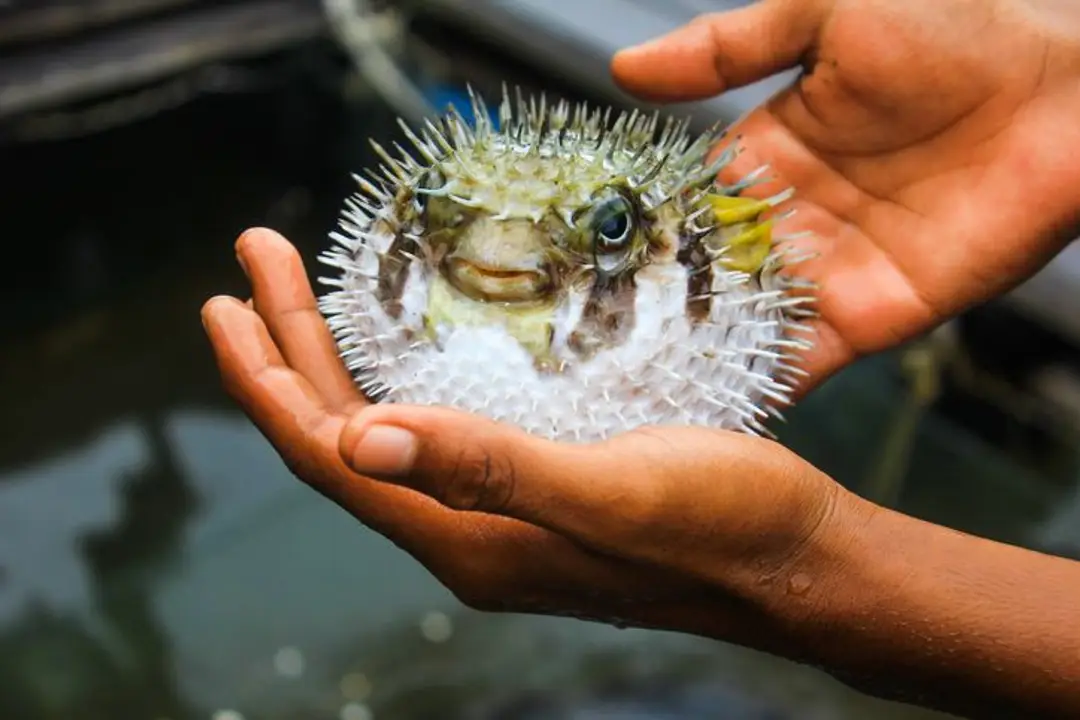
Highly prized in Japanese haute cuisine, it is particularly enjoyed as sashimi ( tessa ) or in hot dishes ( nabe ), where its delicate flesh is meticulously sliced. Its history is intertwined with that of Japan, marked by periods of total prohibition and subsequent gastronomic renaissance. Its rarity and the regulations governing its preparation make it a delicacy sought after by connoisseurs, who see in its tasting the epitome of Japanese gastronomic refinement, imbued with both audacity and respect for tradition.
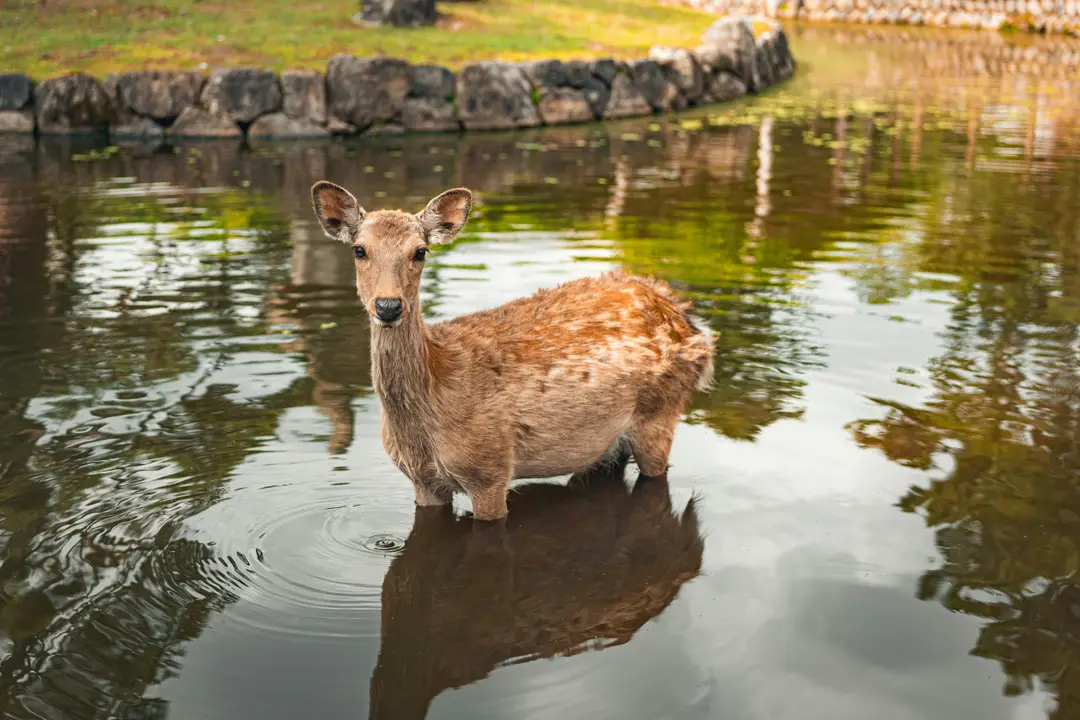
Legend has it that a god arrived in Nara riding a white deer, establishing these animals as the city's spiritual guardians. Their freedom in Nara Park , within a UNESCO World Heritage site, has granted them the status of national treasures, protected for centuries. In the past, killing them was a serious crime, punishable by death!
Their presence has inspired Japanese painters and poets and remains today a symbol of good fortune, prosperity, and harmony with nature . More than 1,200 deer roam freely in Nara Park, where they approach visitors to receive senbei (rice cakes specially made for them). It is advisable to always keep in mind that, despite their proximity to humans, these animals remain wild.
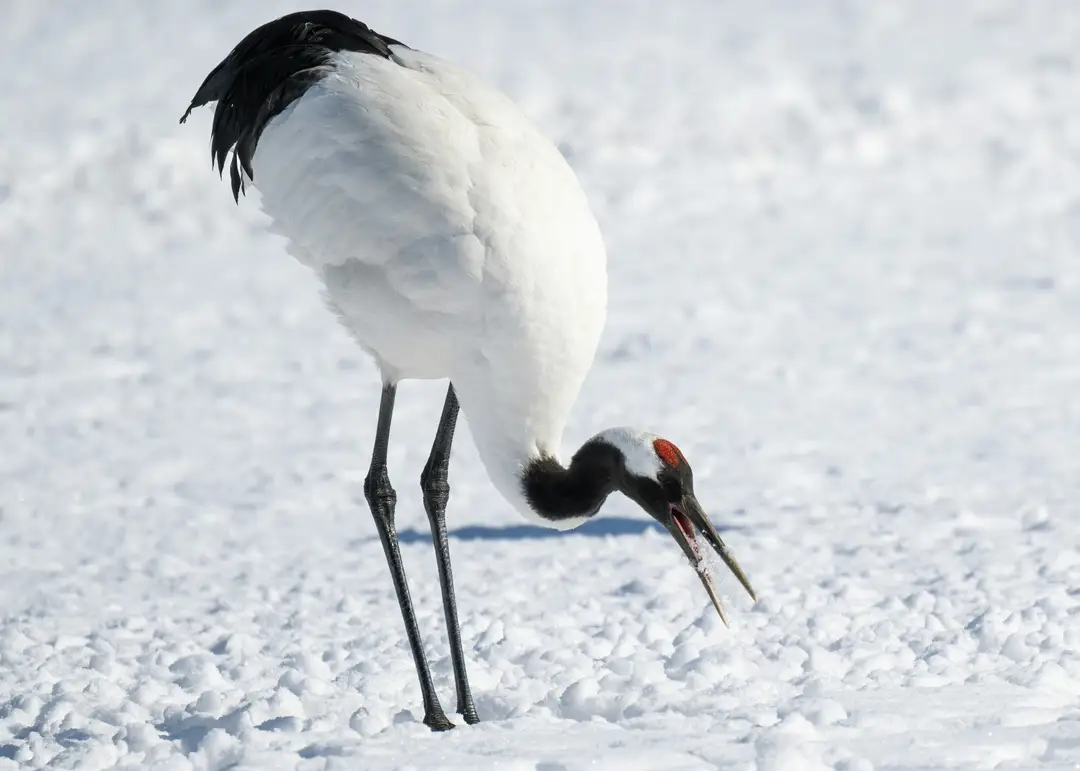
In Japanese culture, the crane is associated with the wish for a long and happy life, symbolized by the thousand origami cranes ( senbazuru ): according to legend, whoever folds 1,000 cranes will have their wish granted, a tradition popularized by the touching story of Sadako Sasaki in Hiroshima. The crane appears in ceremonial kimonos, traditional weddings, the art of origami, and in legends such as "The Crane's Gratitude."
Its precarious existence, with fewer than 600 individuals remaining in the wild , further enhances its precious cultural significance, making it a symbol of peace and hope for the Japanese. Every winter, nature enthusiasts flock to Hokkaido to observe these majestic cranes dancing in the snow, one of Japan's most beautiful natural spectacles.
At Shanti Travel, we guide our travelers in discovering the rich symbolism and vibrant life of Japan's iconic animals . Whether you wish to observe macaques in Nagano's onsen, feed the sacred deer in Nara, or understand the spiritual role of the kitsune in Inari shrines, we design tailor-made trips to Japan for a journey beyond appearances, between myth, spirituality, and a unique experience of reality.
Animals in Japan are not simply inhabitants of the local fauna: they are the guardians of ancient wisdom , the heroes of living legends, and the witnesses of a profound harmony between man and nature that characterizes Japanese culture.
Subscribe and receive our travel inspirations and practical advice twice a month.
Wanting to share your trip with a group?